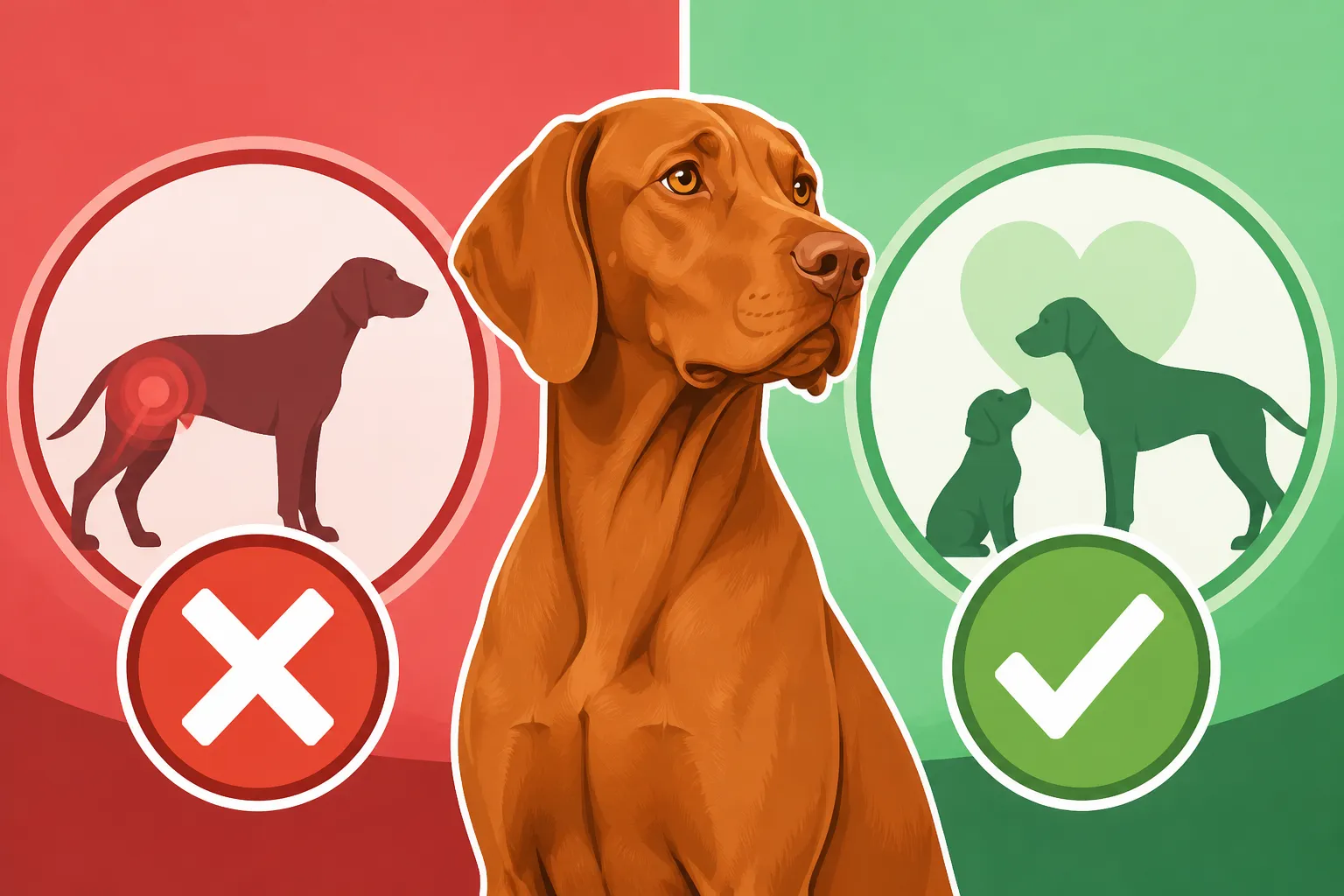
Whether an Affected Vizsla Should Be Bred
The moment you realize your beloved Vizsla is facing a significant health issue, especially one with a genetic component, is truly heartbreaking. It can bring a wave of fear, sadness, and then, for many dedicated owners, a profound sense of responsibility. If you've been considering breeding your Vizsla, a diagnosis of an inherited condition throws a wrench into everything, leaving you to grapple with the complex question of whether breeding is still the right path. This guide aims to walk you through the difficult considerations and ethical responsibilities surrounding breeding a Vizsla affected by a genetic condition.
Understanding Genetic Health Issues in Vizslas
Vizslas are incredible dogs, known for their boundless energy, striking looks, and deep affection for their families. However, like all purebred dogs, they are predisposed to certain genetic health issues. Learning about these conditions is the first step in making informed decisions for your dog and for the future of the breed.
The Heartbreak of Inherited Conditions
Discovering that your Vizsla has an inherited condition can feel like a punch to the gut. You love your dog unconditionally, and the idea that they might be suffering, or that their condition could be passed on, is a heavy burden. We're not talking about a random accident; these are conditions embedded in their genetic makeup, often passed down through generations. Some common issues in Vizslas include specific autoimmune diseases such as Sebaceous Adenitis, which causes severe skin issues and hair loss, or the challenging Vizsla Inflammatory Polymyopathy (VIP), which affects muscles, particularly around the head and neck, leading to serious swallowing difficulties. Other concerns can include conditions like Hip Dysplasia, Epilepsy in a Vizsla, or Thyroid Failure in a Vizsla.
It’s crucial to understand that an "affected" dog is one that actually shows symptoms of the disease. This is different from a "carrier," who carries the gene but might never show signs themselves. For an affected dog, the manifestation of the disease is clear, causing distress, pain, or significant health challenges for the dog and requiring ongoing care from you. The emotional and financial toll of managing these conditions can be substantial, and no owner wants to inadvertently create that burden for another family. Many Vizsla owners wisely consider investing in pet insurance, and companies like Healthy Paws can offer some peace of mind against the unexpected costs associated with chronic conditions or emergency care, though pre-existing conditions are typically not covered.
The Role of Responsible Breeding
Responsible breeding isn't just about producing cute puppies; it's a solemn commitment to improving the health and welfare of the breed. Reputable breeders dedicate countless hours and resources to understanding genetics, performing extensive health testing, and carefully selecting breeding pairs to minimize the risk of passing on known genetic diseases. The goal is always to breed healthier dogs, ensuring that the puppies have the best possible start in life and live long, vibrant lives with their families.
This responsibility extends to ruling out conditions that could compromise a puppy's quality of life. For instance, testing for issues like eye disease in a Vizsla or for conditions affecting their hips and elbows on a Vizsla that runs all day is standard practice. When a dog is affected by a condition, it means the responsible breeder has a difficult decision to make, one that prioritizes the health of the entire breed over individual desires. The choices made by individual breeders have a cumulative impact on the overall health trajectory of the Vizsla breed for years to come.
When an Affected Vizsla Should Not Be Bred
This is the central question, and for the vast majority of cases involving a Vizsla actually affected by an inherited health condition, the answer from responsible breeders and veterinary professionals is a clear and resounding "no."
Directly Affected Individuals
If your Vizsla has been diagnosed with a genetic disease, meaning they are exhibiting the symptoms and are actively suffering from the condition, breeding them would be an irresponsible and unethical choice. This applies to a wide range of conditions. For instance, a Vizsla diagnosed with severe hip dysplasia, confirmed by X-rays, should not be bred. The pain and mobility issues associated with this condition are debilitating, and knowingly passing on the genetic predisposition would be a disservice to the breed and to any future puppies and their owners.
Similarly, a Vizsla that experiences seizures due to epilepsy, or one that has been diagnosed with Vizsla Inflammatory Polymyopathy and struggles with swallowing, should absolutely be removed from any breeding program. These are conditions that cause genuine suffering and significantly impact a dog's quality of life. Breeding such a dog would mean making a conscious decision to potentially propagate these same struggles into new generations. The short-term desire to breed a particular dog, no matter how wonderful their temperament or appearance, pales in comparison to the long-term ethical obligation to prevent suffering.
Understanding Carrier Status
While an affected dog should not be bred, the question of breeding carriers is more nuanced and often debated within responsible breeding circles. A carrier is a dog that possesses one copy of a gene for a recessive genetic disease but does not show symptoms because they also have a healthy copy of the gene. They can, however, pass that single copy on to their offspring.
For diseases where genetic tests can identify carriers, such as some forms of Progressive Retinal Atrophy (PRA), careful decisions must be made. If a highly valuable breeding dog (one with exceptional temperament, working ability, and clearances for all other health conditions) is found to be a carrier for a specific recessive disease, they might potentially be bred once to a mate who has been genetically tested and certified clear of that specific disease. In such a pairing, statistically, half the puppies would be carriers, and half would be clear. Any puppies kept for breeding would then need to be tested themselves to ensure no carriers are unknowingly bred to other carriers, which would produce affected offspring.
| Condition Type | Vizsla Affected (Shows Symptoms) | Vizsla Carrier (No Symptoms, Carries Gene) | General Breeding Recommendation |
|---|---|---|---|
| Dominant Inherited Disease | Should not be bred | N/A (if dominant, carrier usually affected) | Do Not Breed |
| Recessive Inherited Disease | Should not be bred | Can be bred to a 'Clear' mate (with caution & testing) | Do Not Breed (Affected); Breed with Caution (Carrier) |
| Polygenic Disease (e.g., Hip Dysplasia, Epilepsy) | Should not be bred | Harder to define; still carry risk | Do Not Breed |
| Autoimmune Disease (e.g., Sebaceous Adenitis, VIP) | Should not be bred | Unknown carrier status for many | Do Not Breed |
However, this is a very careful and considered process, usually reserved for situations where the carrier status is for a single, well-understood recessive gene, and the dog offers truly irreplaceable qualities to the gene pool. For an affected Vizsla, the risk is not just theoretical; the disease is already present, making the decision much simpler: they should not be bred. The primary focus for any breeding pair should always be to produce puppies that are free from suffering and can live full, healthy lives.
The Broader Impact on the Vizsla Breed
Decisions about breeding individual dogs ripple through the entire breed. What might seem like an isolated choice can have far-reaching consequences for the health and vitality of the Vizsla population as a whole.
Preserving Breed Health and Diversity
The Vizsla breed, like many purebreds, has faced challenges related to its genetic health, partly due to historical bottlenecks where the breed nearly died out, leading to a narrower gene pool. We’ve learned through history about efforts to rebuild the Vizsla from a small number of dogs. This makes careful breeding even more critical. Each time a dog with a known genetic issue is bred, it increases the likelihood of those genes spreading and becoming more prevalent in future generations. This can lead to a rise in disease incidence, more suffering for dogs and their owners, and a reduction in overall genetic diversity, which ironically makes the breed more vulnerable to new health challenges down the line.
Responsible breeders are essentially custodians of the breed, tasked with balancing preservation of type, temperament, and working ability with rigorous health standards. This means making tough calls, sometimes even deciding not to breed an otherwise excellent dog if it carries significant genetic health risks. Ignoring these risks would be a disservice to the breed's future and could undermine decades of careful work to maintain the Vizsla’s health and vitality.
The Breeder's Ethical Obligation
A breeder's ethical obligation extends beyond their own litters. It’s about being transparent, honest, and truly committed to the long-term well-being of the Vizsla. This means being upfront with potential puppy buyers about all health clearances of the parents, even if it reveals a carrier status that requires specific breeding choices. It also means committing to extensive health testing for both parents, including screenings for hips, elbows, eyes, and thyroid, and increasingly, genetic DNA tests for specific inherited conditions common in Vizslas. The Health Tests Both Vizsla Parents Should Have are extensive and costly, but they are non-negotiable for a truly responsible breeding program.
When a breeder discovers one of their own dogs is affected by a genetic condition, the ethical choice is to immediately remove that dog from their breeding program. This might be a difficult personal decision, especially if the dog possesses other desirable traits, but it's a necessary one. This commitment to breed health is also why many breeders require puppy buyers to sign contracts that include clauses about spaying or neutering if the dog is not intended for a responsible breeding program, preventing accidental or irresponsible breeding. Thinking ahead about potential health issues and having a robust pet insurance plan, such as one from Healthy Paws, can also be a responsible step for new puppy owners, though again, pre-existing conditions won't be covered.
Making the Difficult Decision for Your Vizsla
Facing the decision not to breed your Vizsla due to a health condition is tough, but it's a decision rooted in love and responsibility. It shows true dedication to your dog and to the health of the breed.
Consulting Veterinary and Breed Experts
If you are unsure about your Vizsla's health status or its implications for breeding, the first and most crucial step is to consult with a qualified veterinarian. They can provide a definitive diagnosis, explain the mode of inheritance (how the gene is passed on), and advise on the specific risks associated with your dog's condition. For complex genetic issues, your vet might recommend consulting with a board-certified veterinary geneticist. These specialists have deep expertise in inherited diseases and can offer comprehensive guidance.
Beyond veterinary advice, connect with experienced Vizsla breeders and the Vizsla Club of America (VCA). These communities often have extensive knowledge about health challenges within the breed and can offer insights and support. They can guide you on the importance of certifications from organizations like the Orthopedic Foundation for Animals (OFA) and the Canine Health Information Center (CHIC number) for comprehensive health testing records. Learning Whether a Vizsla Breeder Should Show a CHIC Number is vital for understanding responsible breeding practices. These resources exist precisely to help maintain and improve breed health, and they are invaluable allies in making informed decisions.
Prioritizing Your Vizsla's Well-being
Ultimately, the most important consideration is the well-being and quality of life for your individual Vizsla. If your dog is affected by a genetic condition, their health journey may already involve managing symptoms, medications, or specialized care. Adding the physiological stress of pregnancy and whelping to a dog that is already dealing with a health challenge would be unfair and potentially detrimental to their own health. The average age a Vizsla lives is between 12 and 14 years, and we want every single one of those years to be as happy and healthy as possible.
Choosing not to breed an affected Vizsla is an act of profound love and responsibility. It ensures that you are not knowingly perpetuating suffering in future generations and allows you to focus all your energy on providing the best possible life for the dog you have. Remember, a Vizsla's purpose and value are not solely tied to their ability to reproduce. They are incredible companions, athletes, and family members. A Vizsla can still excel in various activities like agility, obedience, or simply be the most devoted "Velcro Vizsla" companion imaginable, bringing immense joy and fulfillment to your life without ever setting paw in a whelping box. Whether a Vizsla makes a therapy dog or excels in other non-breeding roles, their capacity to enrich human lives is vast and varied.
Disclaimer
The information provided in this guide is for general educational purposes only and should not be considered a substitute for professional veterinary advice. Always consult with a qualified veterinarian regarding your Vizsla's specific health concerns and breeding decisions.