How Common Sebaceous Adenitis Is in Vizslas
It’s a truly heartbreaking moment for any Vizsla owner when you start to notice changes in their beautiful, distinctive coat. One day, it’s all golden rust glory, sleek and shining, and the next, you’re finding more hair than usual, patches look dull, and the skin underneath seems flaky and irritated. This sudden shift can leave you feeling confused, worried, and desperately searching for answers. If you’ve started to suspect something might be amiss with your Vizsla’s skin and coat, particularly if you're hearing whispers of "sebaceous adenitis," this guide is here to shed some light on this often-misunderstood condition and its prevalence within our beloved breed.
Understanding Sebaceous Adenitis (SA) in Vizslas
When we talk about Sebaceous Adenitis, or SA, it’s natural for your mind to immediately jump to all sorts of scary places. But let’s break down what this condition actually is, and why it's something Vizsla owners, in particular, should be aware of. It’s not just a superficial skin issue; it’s an immune-mediated disease that impacts the very structure of your dog’s skin health.
What is Sebaceous Adenitis?
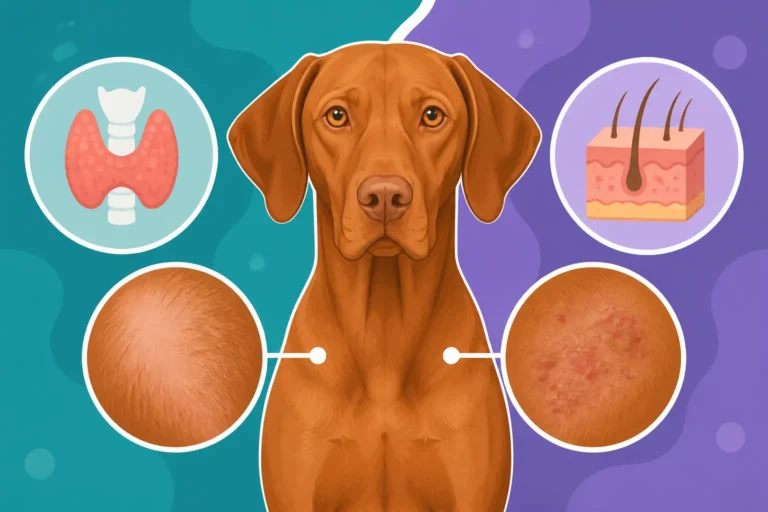
At its core, Sebaceous Adenitis is an inflammatory condition where your dog's own immune system mistakenly attacks and destroys the sebaceous glands in their skin. Think of these glands as tiny, unsung heroes. Their job is crucial: they produce sebum, a natural, oily substance that keeps your Vizsla's skin supple and his coat looking shiny and healthy. Sebum acts like a natural moisturizer and protective barrier, preventing dryness and helping to ward off environmental irritants.
When these glands are damaged or destroyed by the immune system, they can no longer produce enough sebum. This loss of natural lubrication creates a cascade of problems. The skin becomes dry, brittle, and inflamed, and the coat loses its luster. It’s essentially a malfunction of the skin’s protective mechanisms, leading to the visible symptoms that are so distressing for owners to witness. While SA can affect any dog, certain breeds, including our Vizslas, Standard Poodles, and Akitas, have a known genetic predisposition, meaning it's something breeders and owners must be vigilant about.
The Unmistakable Signs of SA in Your Vizsla
The signs of Sebaceous Adenitis can creep up gradually, making them easy to initially mistake for general dry skin, allergies, or even just shedding. But over time, they become much more pronounced and specific. You might first notice your Vizsla’s normally silky coat starting to feel coarse or dull to the touch. The hair itself may appear brittle, breaking easily, and you might see an increase in shedding.
As the condition progresses, hair loss becomes a significant concern. While it can occur anywhere, many owners report that a Vizsla often starts to lose hair first on the top of their head, along their back, and around their ears. This isn't just patchy hair loss; it often presents as thinning, symmetrical hair loss that can eventually lead to complete baldness in affected areas. Coupled with this, you'll likely observe noticeable scaling and flaking of the skin. It’s not just a few flakes; it can be quite severe, almost like dandruff, but often appearing as thick, silvery scales that cling to the remaining hair shafts. The skin itself may become reddened, greasy, and develop a distinctive, sometimes unpleasant odor due to the build-up of oils and debris, which can lead to secondary bacterial or yeast infections. It’s truly alarming to see your dog’s beautiful, iconic coat diminish in this way, and it’s important not to dismiss these changes as merely cosmetic.
Just How Common Is Sebaceous Adenitis in Vizslas?
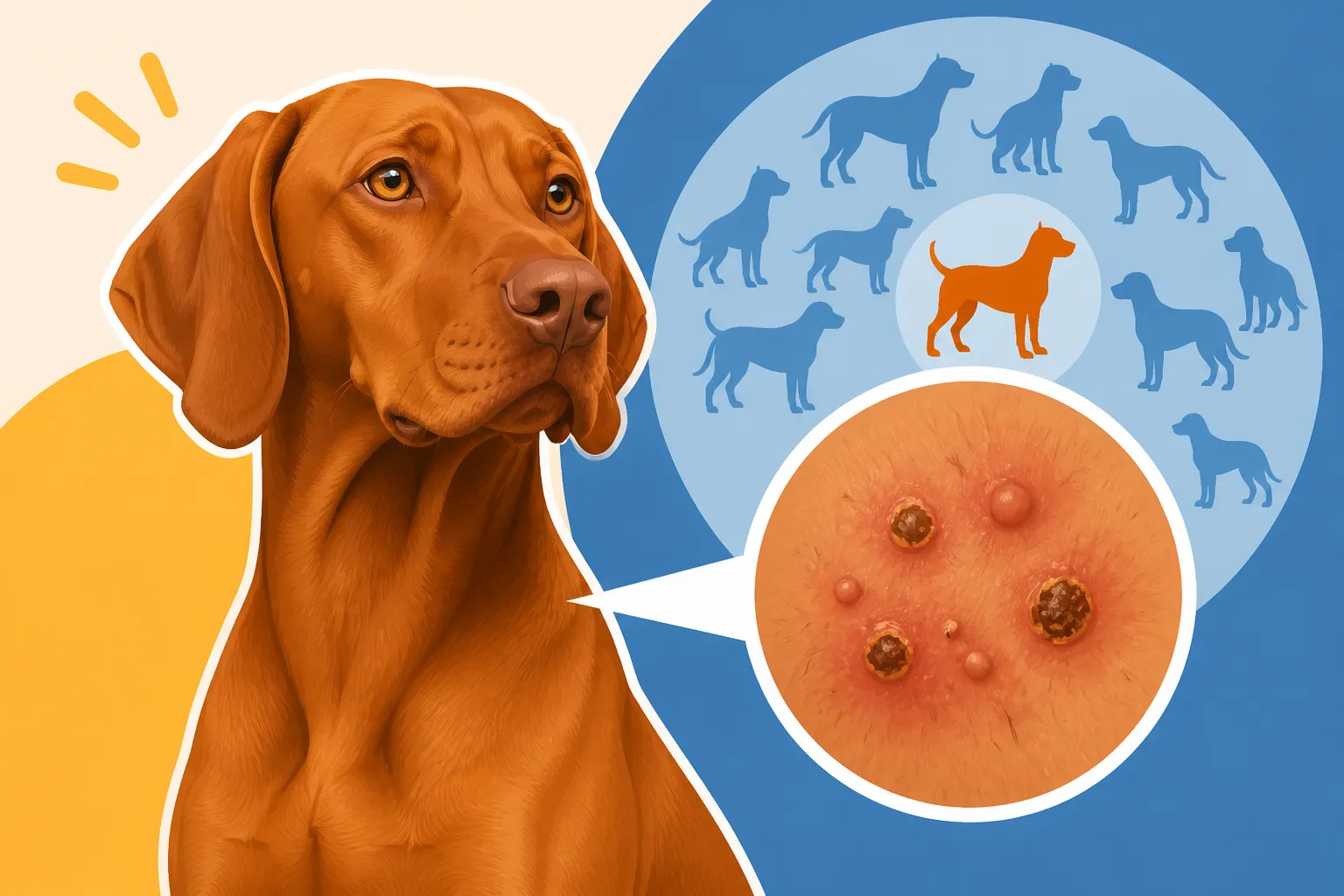
This is the million-dollar question for many concerned Vizsla owners: is this just a random occurrence, or is our beloved breed particularly susceptible? The honest answer is that while Sebaceous Adenitis isn't something every Vizsla will face, it is a recognized and concerning issue within the breed, making it more common than in the general dog population.
The Breed's Genetic Predisposition
The reason SA is a topic of conversation in the Vizsla community boils down to genetics. It is considered an inherited condition, meaning it’s passed down through breeding lines. While the exact mode of inheritance is still being researched, it's believed to be autosomal recessive in some breeds, though potentially more complex in others. This genetic link is why careful breeding practices are so critical.
While comprehensive, large-scale epidemiological studies specifically on Vizslas are somewhat limited, anecdotal evidence and veterinary observations confirm that the Vizsla is one of the breeds with a known predisposition. It’s not as prevalent as, say, hip dysplasia, which affects a much larger percentage of the population, but it's certainly not rare. You might hear different figures tossed around, but what’s consistent is that responsible breeders and Vizsla fanciers are acutely aware of the risk. It’s part of the broader discussion about immune-mediated diseases in Vizslas, which unfortunately, are a recognized vulnerability for the breed. For instance, owners also worry about questions like whether polymyopathy runs in Vizsla lines, highlighting a general concern for genetic health. This awareness means that if you’re seeing the characteristic signs, you’re not alone, and it’s not an isolated incident.
Identifying Risk Factors and Age of Onset
One of the frustrating aspects of Sebaceous Adenitis is that it doesn’t typically present in very young puppies, which can make early detection tricky and breeding decisions complex. The age a Vizsla's skin disease appears often falls into the young adult to middle-aged category, typically between one and five years old. However, it’s not unheard of for it to manifest earlier or later in life. There isn't a clear sex predisposition, meaning both male and female Vizslas are equally at risk if they carry the genetic markers.
Because it's inherited, the primary risk factor is having parents or ancestors who were carriers or affected. This emphasizes the critical role of ethical breeding. While there isn't yet a widely available, definitive genetic test for SA that can identify carriers in all breeds (unlike some other genetic conditions), responsible breeders go to great lengths to monitor their lines, track health issues, and often opt for skin biopsies on their breeding stock if there's any suspicion. Without a direct genetic test, breeders rely on clinical signs and health histories, which is why transparency and communication between breeders and puppy buyers about potential health concerns are so important. Understanding these factors is key to navigating the potential challenges this condition can present.
Navigating Diagnosis and Management for Your Vizsla
Discovering these unsettling changes in your Vizsla’s coat and skin is distressing, and the path to diagnosis and management can feel overwhelming. However, with a clear understanding of the steps involved, you can work effectively with your veterinarian to provide your dog with the best possible care.
Getting a Proper Diagnosis
The journey to an SA diagnosis often begins with a trip to your general practice veterinarian, who might initially suspect other common skin issues. They will likely start by performing a thorough physical examination, looking closely at the affected areas of skin and coat. To rule out other conditions that present similarly, such as allergies, fungal infections (like ringworm), or parasitic infestations (like mites), your vet will typically recommend tests like skin scrapings and fungal cultures. These are important steps to cross off the list, as their treatments are vastly different.
However, the definitive diagnostic tool for Sebaceous Adenitis is a skin biopsy. This involves taking small tissue samples from affected areas of your Vizsla's skin, usually under sedation or general anesthesia, and sending them to a specialized veterinary pathologist. The pathologist then examines the tissue under a microscope, looking for the characteristic inflammation and destruction of the sebaceous glands. This crucial step confirms whether a skin biopsy confirms it in a Vizsla, differentiating SA from other dermatological conditions that might have similar symptoms. While this can feel like a significant step, it's essential for an accurate diagnosis, which in turn allows for targeted and effective treatment.
Long-Term Management and Lifestyle Adjustments
Once a diagnosis of Sebaceous Adenitis is confirmed, it's important to understand that SA is a chronic, lifelong condition for which there is no outright "cure" in most cases. However, it is absolutely manageable, and many Vizslas with SA can lead comfortable, happy lives with consistent care. The treatment approach is typically multi-modal, meaning it involves several different strategies working in tandem.
Topical treatments are a cornerstone of SA management. These often include specialized medicated shampoos and conditioners designed to reduce scaling, remove excess sebum, and soothe the skin. Regular bathing, often every few days initially, is critical. Perhaps the most effective topical treatment, however, are oil soaks. These involve saturating the dog's coat and skin with an emollient oil, such as mineral oil, leaving it on for several hours, and then bathing it off. This helps to rehydrate the skin and manually replace some of the lost sebum, offering significant relief from dryness and scaling. You’ll want to understand whether oil soaks help a Vizsla and how to perform them correctly.
Beyond topical care, systemic treatments may be necessary, especially for more severe cases. Immune-modulating drugs like cyclosporine are often prescribed to dampen the immune system's attack on the sebaceous glands. These medications can be very effective but require careful monitoring by your veterinarian due to potential side effects. Nutritional support also plays a role; supplements like omega-3 and omega-6 fatty acids can help improve skin and coat health from the inside out. This ongoing care is a commitment, and understanding what sebaceous adenitis does to a Vizsla makes it clear why diligent management is so important.
The financial aspect of long-term care for a chronic condition like SA can be a real concern for owners. Treatments like cyclosporine can be costly, and the need for frequent medicated baths, special shampoos, and vet visits adds up. This is where pet insurance can be an absolute lifesaver. Companies like Healthy Paws often cover chronic conditions diagnosed after enrollment, helping to offset the significant veterinary expenses associated with managing a Vizsla's skin for life. It’s worth looking into what lifelong skin treatment costs a Vizsla owner and whether insurance can provide that crucial financial safety net.
| Treatment Type | Goal | Frequency | Expected Cost | Notes |
|---|---|---|---|---|
| Medicated Baths | Remove scales, soothe skin, prevent secondary infections | 2-4 times per month, sometimes weekly initially | $20-50 per bottle of specialized shampoo/conditioner | Essential for removing debris and maintaining skin health. Can be time-consuming. |
| Oil Soaks | Rehydrate skin, replace lost sebum | 1-2 times per month | $10-30 for mineral oil or similar | Very effective for dryness, but messy. Requires dedicated time. |
| Cyclosporine | Suppress immune system attack on glands | Daily oral medication | $50-200+ per month, depending on dog's weight and generic availability | Requires veterinary prescription and regular blood monitoring. Can have side effects. Check if your insurance, like Healthy Paws, covers this. |
| Fatty Acid Supplements | Support skin barrier and reduce inflammation | Daily oral supplement | $15-40 per month | Generally safe, can improve coat quality over time. |
| Antibiotics/Antifungals | Treat secondary infections | As needed for flare-ups | $30-100+ per course | Only prescribed if secondary infections are present. |
| Veterinary Check-ups | Monitor condition, adjust treatment | Every 3-6 months, or as needed | $50-150 per visit | Essential for ongoing management and to address any new symptoms. |
Living with a Vizsla with Sebaceous Adenitis
Living with a dog diagnosed with a chronic condition like Sebaceous Adenitis is undoubtedly a journey with its ups and downs. It impacts not only your dog's physical well-being but also your daily routine and emotional state as an owner.
Emotional Toll on Owners and Dogs
It's completely normal to feel a range of emotions when your Vizsla is diagnosed with SA. There's often sadness about their discomfort, frustration with the constant care required, and even guilt, wondering if you could have done something differently. Your Vizsla is more than just a pet; they're a cherished family member, and seeing them struggle with hair loss, flaky skin, and potential itching can be heartbreaking. The vibrant, healthy dog you know and love might look different, and that takes a toll.
For your Vizsla, the impact is also significant. The dryness and inflammation can cause persistent itching, leading to scratching, rubbing, and further irritation. Hair loss can make them more sensitive to temperature extremes, feeling the cold more acutely. While they may not understand the specifics of their condition, the discomfort is real. The good news is that with consistent management, many Vizslas with SA adapt wonderfully and continue to live full, joyful lives. It requires dedication, but seeing them comfortable and happy makes every effort worthwhile. And again, having pet insurance like Healthy Paws can significantly reduce the stress by covering a substantial portion of these ongoing medical costs, allowing you to focus on your Vizsla's care without the added financial burden.
Breeding Considerations and Future Outlook
The genetic component of Sebaceous Adenitis brings significant ethical considerations for breeding. Because it is an inherited disease, responsible breeders are strongly advised not to breed affected animals. The goal is to reduce the incidence of SA in future generations, which means making careful choices about breeding stock. Even carriers, if identified, should be approached with extreme caution in a breeding program.
Currently, as mentioned, a universal genetic test that identifies all carriers isn't available for Vizslas, making the breeder's role even more challenging. They rely heavily on meticulous health records, pedigrees, and sometimes even proactive skin biopsies of potential breeding dogs if there's any family history of SA. If your Vizsla is diagnosed with SA, you should absolutely speak with your veterinarian and breeder about the implications. It's generally accepted that an affected Vizsla should not be bred to prevent passing on this challenging condition. This commitment to breed health is part of the broader effort to ensure the long-term well-being of Vizslas. Understanding the health tests both Vizsla parents should have is crucial for any potential puppy buyer to minimize the risk of such conditions. By being informed and making responsible choices, we can collectively work towards a healthier future for the breed.
Disclaimer
Please remember that the information provided in this guide is intended for educational purposes only and should not be considered a substitute for professional veterinary advice. Always consult with your veterinarian for any health concerns or before making any decisions related to your pet's medical care.