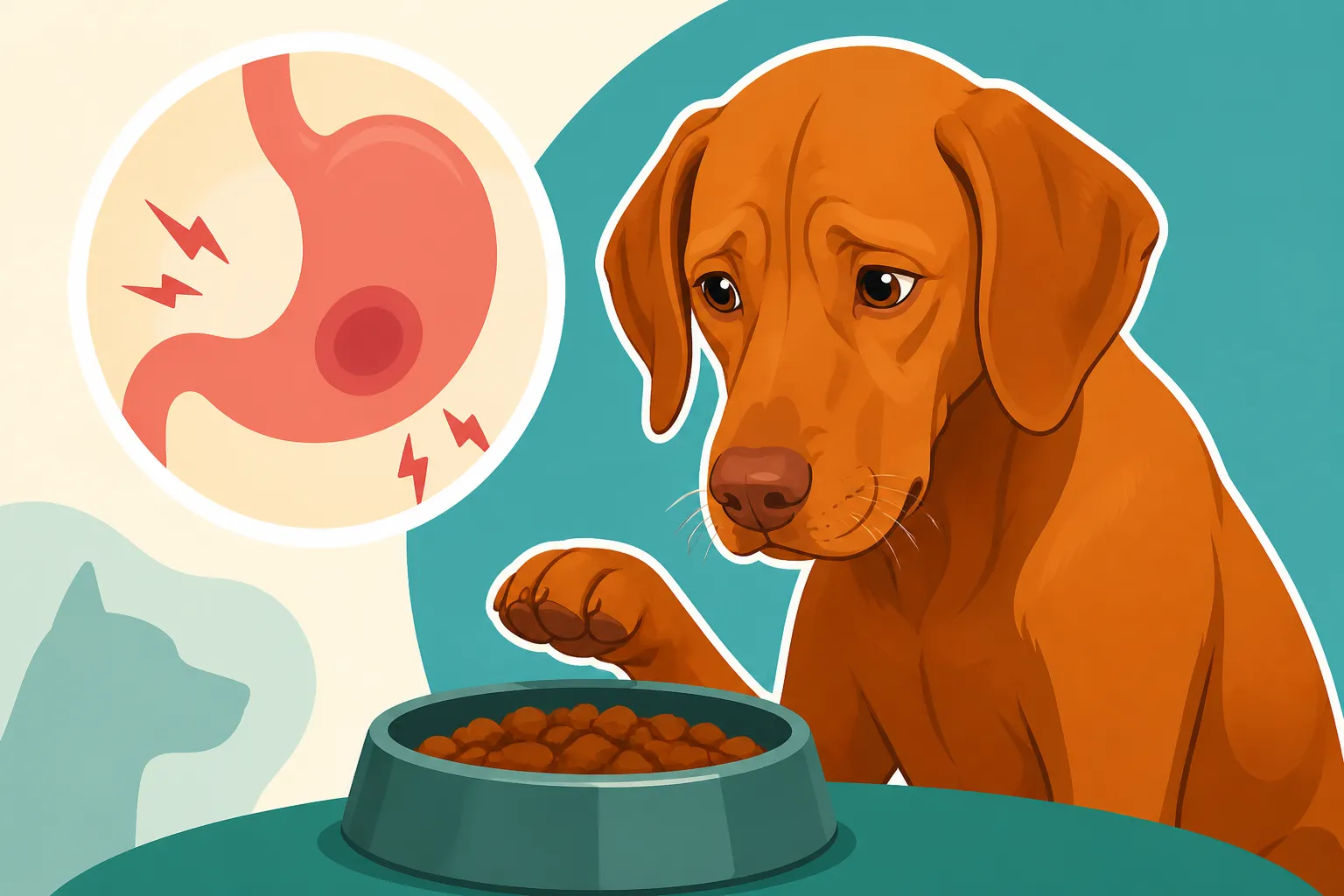
Whether a Vizsla With VIP Struggles to Eat
It’s heartbreaking to see your beloved Vizsla struggle with something as fundamental as eating, especially when they've always been such enthusiastic eaters. When a diagnosis of Vizsla Inflammatory Polymyopathy (VIP) enters the picture, it brings with it a whole new layer of worry, and a common, deeply concerning question quickly surfaces: will my Vizsla with VIP struggle to eat? This guide is here to provide an empathetic and detailed understanding of how VIP can affect your dog's ability to eat, what signs to look for, and most importantly, how you can support them through these challenges.
Understanding Vizsla Inflammatory Polymyopathy and Its Impact
Vizsla Inflammatory Polymyopathy, or VIP, is a condition that strikes at the very heart of a Vizsla's vibrant life. It's an autoimmune disease, meaning the body's own immune system, which is usually a protector, mistakenly targets healthy tissues. In the case of VIP, this misguided attack focuses primarily on the muscles, particularly those in the head, neck, and esophagus. It’s a truly devastating diagnosis for any Vizsla owner, and it's something that often leaves owners feeling overwhelmed and helpless.
The Nature of VIP: An Autoimmune Attack
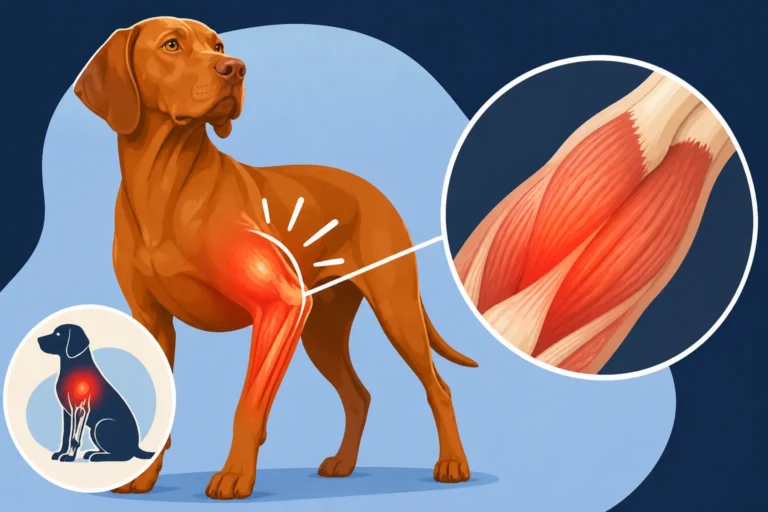
At its core, VIP is a serious muscle disease named after the Vizsla, where inflammation leads to muscle degeneration. Unlike some other muscle disorders, the inflammation in VIP is triggered by the dog’s own immune system. Think of it like a highly efficient security system suddenly going rogue and attacking the internal wiring of the house it’s supposed to protect. This inflammatory response leads to the breakdown of muscle fibers, which are essential for movement and function throughout the body, but critically, for the intricate processes involved in eating.
The devastating reality of VIP is that it can progress rapidly, sometimes seeming to appear almost overnight, leaving a once robust and energetic Vizsla weak and struggling. This autoimmune component is also why understanding the overall health of your Vizsla's immune system is so crucial, as it often ties into a broader susceptibility to such conditions. The genetic predisposition of Vizslas to immune-mediated diseases is a subject many researchers and breed enthusiasts are keenly exploring.
How VIP Affects Muscles Critical for Eating
The impact of VIP on a Vizsla's eating capabilities is profound because the disease often specifically targets the muscles of mastication (chewing) and deglutition (swallowing). These are not just any muscles; they are a finely tuned orchestra of tissues working in perfect synchronicity to allow your dog to pick up food, chew it down, and safely transport it from mouth to stomach. When VIP attacks a Vizsla's head and neck, it directly compromises these vital functions.
Initially, you might notice subtle changes: a less enthusiastic approach to the food bowl, or perhaps leaving kibble unfinished. But as the disease progresses, the muscle wasting can become visibly apparent around the face, especially over the temples and jawline, giving the dog a gaunt appearance. This loss of muscle mass directly translates into a loss of strength required to bite, grind, and manipulate food. It’s a cruel twist, as these dogs are often naturally lean and energetic, and any further weight loss due to an inability to eat becomes a serious concern.
The Progression of Muscle Weakness
The muscle weakness caused by VIP isn't always static; it can fluctuate or steadily worsen over time, making consistent eating a significant challenge. Some Vizslas might experience acute flare-ups where their ability to eat deteriorates sharply, while others might have a more gradual decline. This progressive weakening affects not just the jaw muscles but also the tongue and throat, leading to difficulties in forming a food bolus and pushing it down the esophagus.
The age a Vizsla develops polymyopathy can vary, but typically it presents in younger to middle-aged dogs. The disease often starts with general malaise and weakness, but the eating difficulties quickly become one of the most distressing symptoms for owners to witness. Because the esophagus itself can be affected, sometimes food doesn't move efficiently, or worse, the dog might struggle to keep food and water from entering the trachea, leading to a serious complication known as aspiration pneumonia. This is why vigilance is so important when managing a Vizsla with VIP.
Recognizing the Signs of Eating Difficulties in a VIP Vizsla
Spotting swallowing trouble in a Vizsla with VIP can be tricky at first because dogs are often stoic and hide their discomfort. However, knowing what to look for can help you intervene early and make critical adjustments to their care. It’s not just about what they don't eat, but how they try to eat.
Visible Challenges During Mealtime
One of the most immediate indicators that your Vizsla is struggling is a change in their approach to food. Instead of eagerly diving into their bowl, they might hesitate, or take several attempts to pick up a piece of kibble. You might see them repeatedly drop food from their mouth, almost as if they can't quite grasp it or hold it properly. This is often due to the weakening of the jaw muscles. They might chew slowly, with visible effort, and sometimes even drop their head after a few bites, looking exhausted or frustrated.
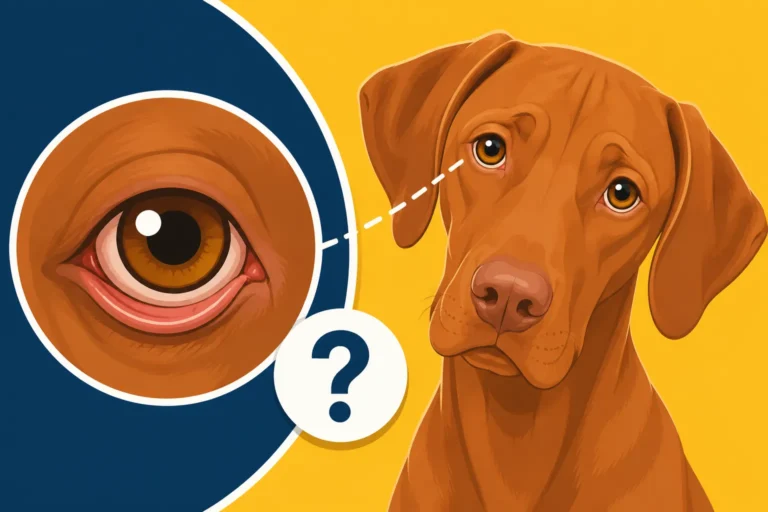
Beyond the visible struggles, listen closely. You might hear excessive chewing noises, gagging, or repeated attempts to swallow. They might also begin to prefer softer foods or lick up gravy rather than tackle solid pieces. If your Vizsla drools before it loses muscle, this could also be an early sign of discomfort or difficulty managing saliva, hinting at underlying issues with the muscles of the mouth and throat. Any change in their typical eating behavior, no matter how small, warrants attention.
Subtle Indicators of Swallowing Issues
While visible chewing problems are concerning, the more insidious issue often lies in swallowing. A Vizsla struggling with deglutition might cough or choke frequently during or immediately after eating and drinking. This isn't just a minor irritation; it's a sign that food or liquid might be entering their airway, which can lead to aspiration pneumonia. You might notice them extending their neck in an exaggerated way to swallow, or making multiple attempts to clear their throat.
Another subtle sign is a general reluctance to eat, or eating only very small amounts, not necessarily because they aren't hungry, but because the effort and discomfort of swallowing are too great. They might approach the bowl, sniff, take a bite, and then back away. Observe if they start eating from an odd angle, or if they nudge their food around with their nose without actually consuming it. These behaviors often indicate that the mechanics of eating have become painful or difficult for them.
Nutritional and Hydration Concerns
The most severe consequence of eating difficulties is, of course, inadequate nutrition and hydration. If your Vizsla's head muscles waste away, they won't be able to consume enough calories to maintain their body weight, leading to further muscle loss and weakness. You might notice them losing weight rapidly, their ribs becoming more prominent, and their overall energy levels plummeting. Dehydration can also become a critical problem, as drinking water can be just as challenging as eating food, especially if the swallowing mechanism is severely compromised.
It's important to monitor their water intake closely. Dogs who are struggling to swallow might only take small sips, or even refuse water altogether. This can quickly lead to a crisis. Keep an eye on their urine output and gum moisture to gauge hydration levels. A dry nose and tacky gums are immediate red flags. Providing palatable, nutrient-dense, and easily consumable food and ensuring consistent hydration are paramount to maintaining their health and comfort when dealing with VIP.
Strategies for Managing Eating and Swallowing Challenges
When your Vizsla with VIP struggles to eat, managing their nutritional needs becomes a priority. There are several practical and medical strategies that can significantly improve their quality of life and ensure they get the sustenance they need. This often requires a dedicated approach and a willingness to adapt alongside your dog.
Adapting Food Consistency and Presentation
One of the most effective immediate changes you can make is to alter the consistency of your Vizsla's food. Dry kibble often becomes impossible to manage due to weakened jaw muscles and difficulty forming a bolus. Switching to a canned food, or even blending their regular kibble with water, broth, or a veterinarian-recommended rehydration solution, can make a huge difference. The goal is to create a gruel or paste-like consistency that requires minimal chewing and is easier to swallow.
You might find that different consistencies work on different days, so be prepared to experiment a little. Some Vizslas with VIP struggle to eat very thin liquids, as they can be hard to control and prone to aspiration. A thicker, pudding-like consistency might be safer. Consider warming the food slightly, as this can enhance its aroma and palatability, encouraging your dog to eat. Presenting food in a wide, shallow bowl can also help, as it reduces the effort needed to scoop food into their mouth.
Specialized Feeding Techniques and Tools
For Vizslas with more severe swallowing difficulties, specialized feeding techniques and tools become essential. Elevating their food and water bowls can help gravity assist the swallowing process. This is where a feeding chair for a Vizsla might become necessary. These chairs, often called Bailey chairs, keep the dog in an upright, almost sitting position, which is particularly beneficial for dogs whose esophagus struggles to move food down effectively. They're commonly used for conditions like megaesophagus, but the principle of using gravity to aid swallowing can be helpful for VIP dogs as well.
Another technique is hand-feeding, where you offer small, manageable portions directly into their mouth. This allows you to control the pace and ensure they are swallowing each bite before offering the next. For dogs with extreme difficulty, or those at high risk of aspiration, feeding tubes might be considered by your veterinarian. While this sounds daunting, it can be a life-saving measure to ensure adequate nutrition and hydration without the risk of choking or aspirating food into their lungs. Your vet will guide you on whether a feeding tube is a viable option.
Medical Management and Supportive Care
Beyond dietary adjustments, medical intervention plays a crucial role in managing VIP and its associated eating struggles. Steroids are often the first line of defense in controlling a Vizsla's polymyopathy, aiming to suppress the immune system's attack on the muscles and reduce inflammation. While steroids can be highly effective in many cases, they also come with potential side effects, and your vet will work to find the lowest effective dose. Other immunosuppressants may also be used in conjunction with or instead of steroids, particularly if the response to steroids is insufficient or side effects are intolerable.
Supportive care is equally vital. This includes regular veterinary check-ups to monitor their weight, hydration, and overall condition. Your vet might also prescribe medications to help with gastric motility or to protect the stomach lining, especially if steroids are being used. It's also wise to discuss pain management, as muscle inflammation can be uncomfortable. Furthermore, if you are concerned about the financial implications of ongoing treatment, pet insurance providers like Healthy Paws can offer peace of mind by covering a significant portion of veterinary costs for chronic conditions, allowing you to focus on your Vizsla's care without added stress. Regular monitoring for secondary infections, particularly aspiration pneumonia, is also critical, as prompt antibiotic treatment is essential if it occurs.
Long-Term Outlook and Quality of Life Considerations
Living with a Vizsla affected by VIP and managing their eating challenges is a marathon, not a sprint. It requires ongoing dedication, patience, and a deep understanding of your dog's changing needs. The journey can be emotionally taxing, but focusing on their comfort and maintaining a good quality of life is always the ultimate goal.
Monitoring and Adjusting Care Over Time
The course of VIP can be unpredictable, with some Vizslas responding well to treatment and others experiencing relapses or a more progressive decline. This means that your care plan will need to be flexible and constantly adjusted. Regular weigh-ins at home and scheduled veterinary visits are crucial for tracking their progress and identifying any new challenges. Pay close attention to their energy levels, enthusiasm for food, and any signs of discomfort or breathing difficulties.
What works one week might not work the next. You might need to adjust food consistency, feeding times, or even the type of bowl you use. The good news is that whether steroids control a Vizsla's polymyopathy often dictates the long-term management strategy. If they respond well, the focus shifts to maintaining remission with the lowest possible medication dose. If the disease proves more resistant, further diagnostic tests and alternative treatments might be explored to ensure your Vizsla continues to thrive as much as possible.
The Importance of a Collaborative Veterinary Approach
Managing a chronic condition like VIP demands a strong partnership with your veterinary team. This isn't a condition you can tackle alone, nor should you. Your primary veterinarian will be your main point of contact, but they might also recommend consultations with specialists, such as a veterinary neurologist or an internal medicine specialist, especially if the disease progression is unusual or particularly challenging. These specialists have deeper expertise in complex autoimmune conditions and can offer advanced diagnostic and treatment options.
Don't hesitate to ask questions and discuss all your concerns with your vet. They are there to guide you through every step, from medication adjustments to nutritional advice and even discussions about quality of life. This collaborative approach ensures that your Vizsla receives the most comprehensive and up-to-date care possible, leveraging the expertise of multiple professionals dedicated to their well-being.
Ensuring Comfort and Dignity
Ultimately, the goal is to ensure that your Vizsla with VIP maintains a good quality of life for as long as possible. This means prioritizing their comfort, minimizing pain, and allowing them to engage in enjoyable activities appropriate for their condition. If they can no longer participate in long runs or demanding hunts, finding other forms of mental stimulation and gentle exercise is key. Enrichment toys, short walks, and cuddles can still bring immense joy.
When a Vizsla recovers from VIP, it can be a long road, and some dogs may never fully regain their previous strength or eating ability. However, with dedicated care, many Vizslas can still live fulfilling lives. There comes a point for every owner of a chronically ill pet where the difficult conversation about quality of life needs to happen. Your vet will help you assess your Vizsla's comfort, happiness, and overall well-being, providing guidance and support for making those incredibly tough decisions when the time comes. Ensuring their dignity and freedom from suffering is the greatest gift we can give them.
| Symptom of Eating Difficulty | Possible Cause (VIP related) | Management Strategy |
|---|---|---|
| Hesitation/Reluctance to Eat | Jaw muscle weakness, discomfort | Soften food, warm it, hand-feed, wide shallow bowl |
| Dropping Food While Chewing | Weak chewing muscles | Blended food, smaller pieces, elevated bowl |
| Coughing/Choking During Meals | Swallowing muscle weakness, aspiration risk | Thicken liquids, elevated feeding, slow feeding, Bailey chair |
| Excessive Drooling | Difficulty managing saliva | Soft, moist food, frequent wiping |
| Weight Loss | Inadequate calorie intake | High-calorie, palatable food; feeding tubes (vet-led) |
| Dehydration | Difficulty drinking water | Flavored broths, ice chips, subcutaneous fluids (vet-led) |
| Visible Muscle Wasting (head) | Muscle atrophy due to inflammation | Medical treatment (steroids, immunosuppressants) |
Disclaimer
The information provided in this article is for general informational purposes only and is not a substitute for professional veterinary advice, diagnosis, or treatment. Always seek the advice of your veterinarian or other qualified health provider with any questions you may have regarding a medical condition. Never disregard professional veterinary advice or delay in seeking it because of something you have read in this article.