Hip Dysplasia in a Vizsla
It’s absolutely heartbreaking to see your usually boundless Vizsla start showing signs of discomfort, especially when it comes to something as fundamental as movement. The sheer energy and joyful exuberance of a Vizsla are what draw so many of us to the breed, so when that vibrant spark seems dim due to a painful hip, it’s a deeply worrying experience. This guide is here to walk you through everything you need to know about hip dysplasia in Vizslas – from understanding what it is and why it affects our beloved copper dogs, to recognizing the subtle signs, exploring diagnostic paths, and navigating the often-complex world of treatment and prevention.
Understanding Hip Dysplasia in Vizslas
Hip dysplasia is one of those veterinary terms that sends shivers down a dog owner's spine, especially when you own an active, athletic breed like a Vizsla. It's a condition that can seriously impact their quality of life, making every jump, run, and even a simple walk a source of pain. For a breed built for endless motion, this is a particularly cruel twist of fate.
What Exactly Is Hip Dysplasia?
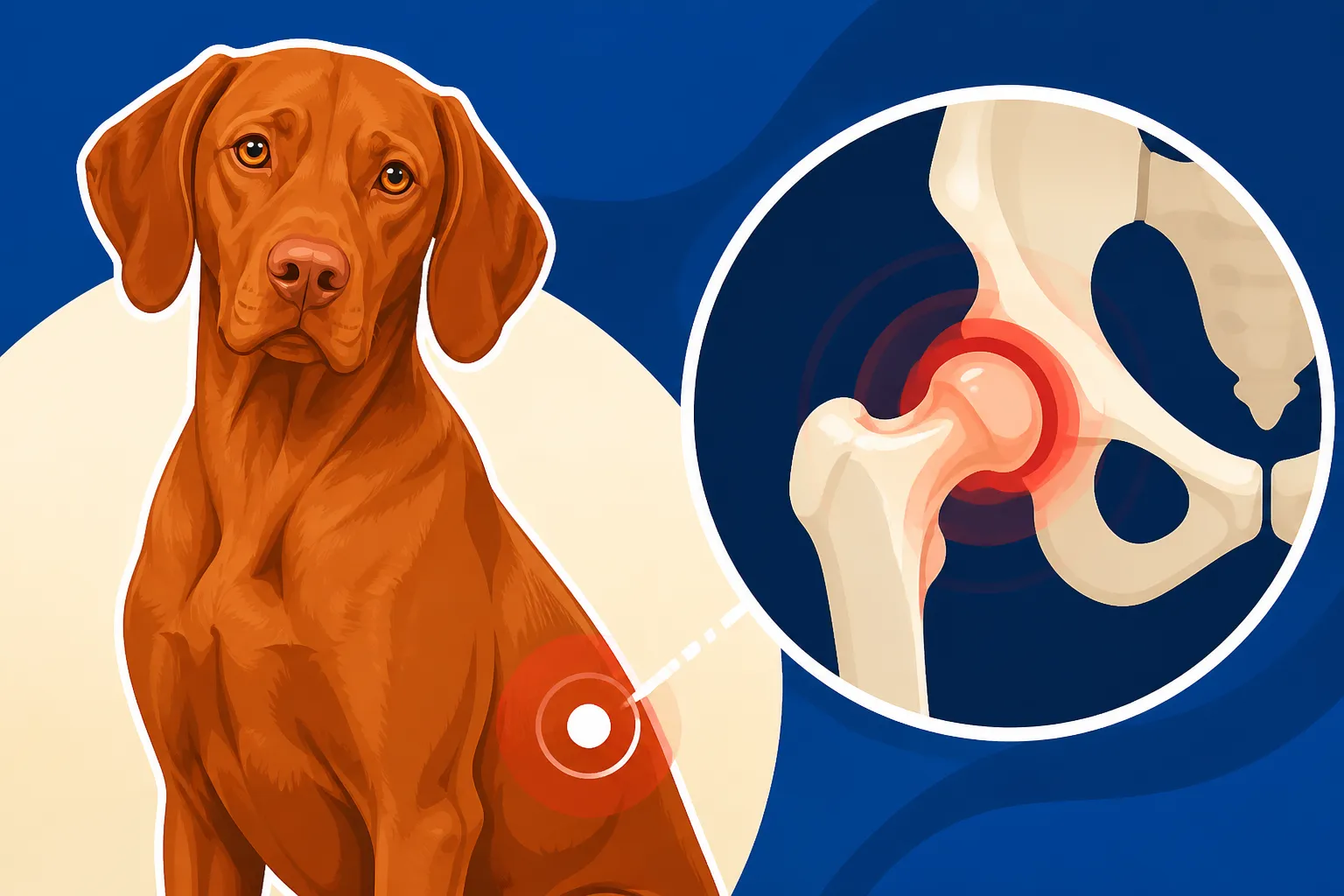
At its core, hip dysplasia is a malformation of the hip joint. In a healthy dog, the hip joint works like a perfect ball and socket. The "ball" is the head of the femur (thigh bone), and the "socket" is part of the pelvis, called the acetabulum. These two components fit together snugly, allowing for smooth, fluid movement thanks to cartilage and synovial fluid. With hip dysplasia, this ideal fit is compromised. The socket might be too shallow, the ball might be flattened or misshapen, or the ligaments holding them together might be loose.
Instead of gliding smoothly, the ball and socket rub and grind against each other. Over time, this friction leads to degeneration of the joint, causing inflammation, pain, and eventually, crippling osteoarthritis. It's not usually something a dog is born with in its fully formed state, but rather a developmental condition where the joint forms abnormally during growth, often starting within the first few months of life. Imagine trying to drive a car with a wheel that's slightly out of alignment; eventually, that misalignment causes excessive wear and tear, leading to bigger problems down the road. That's essentially what happens with a dysplastic hip.
Why Vizslas Are Prone to Hip Dysplasia
While not as notoriously prevalent as in some larger breeds like German Shepherds or Labradors, Vizslas absolutely can and do suffer from hip dysplasia. It's a polygenic trait, meaning it's influenced by multiple genes, making it incredibly complex to eradicate entirely from a breed. This genetic predisposition is a significant factor in why our energetic Vizslas are at risk.
Beyond genetics, the very nature of a Vizsla's lifestyle and physique can contribute to the manifestation and severity of the condition. They are high-energy, powerful dogs, built for speed and endurance in the field. This constant, high-impact activity places considerable stress on their joints. If there's an underlying genetic laxity or malformation, this intense athletic demand can accelerate the damage and symptom development. It’s a bitter irony that the very qualities we adore in our Vizslas – their endless drive, their agility, their passion for movement – can inadvertently exacerbate a latent joint issue. It’s also important to consider that their relatively fine-boned structure, while contributing to their elegant, athletic build, might also make them more susceptible to joint issues under extreme physical loads if their genetics aren't sound.
How Hip Dysplasia Progresses in a Vizsla
The progression of hip dysplasia in a Vizsla can vary widely, from mild, intermittent discomfort to severe, debilitating pain. It’s not a static condition; it’s a dynamic, degenerative process. In puppies and young Vizslas, you might see signs as early as 4-6 months, often presenting as a reluctance to play vigorously or a strange 'bunny hopping' gait when they run. At this stage, the problem is primarily joint laxity – the ball and socket aren't fitting tightly, causing instability. This instability is what leads to microtrauma and the body's attempt to stabilize the joint through changes in bone and cartilage.
As the Vizsla matures and continues its active life, the chronic instability and abnormal contact in the joint lead to cartilage erosion, inflammation, and the formation of osteophytes (bone spurs) around the joint edges. This is the onset of secondary osteoarthritis, which is the true source of chronic pain and stiffness. For a working Vizsla, this means a gradual decrease in stamina, an unwillingness to jump or climb, and visible lameness after exercise. The body tries to compensate, often leading to muscle atrophy in the affected leg and compensatory strain on other limbs and the spine. Understanding this progression is crucial because early intervention, even conservative measures, can significantly slow down the degenerative changes and improve long-term comfort for your beloved companion.
Recognizing the Signs and Symptoms
It’s often a difficult journey for Vizsla owners to pinpoint exactly when their dog started experiencing hip discomfort. Our Vizslas are stoic creatures, often masking pain until it becomes unbearable. They have an incredible drive to please and participate, which can make them push through discomfort. This means we, as owners, need to be hyper-vigilant and attuned to even the most subtle shifts in their behavior or movement.
Subtle Early Indicators in Puppies and Young Adults
Catching hip dysplasia early in a Vizsla puppy or young adult is incredibly valuable for future management. These early signs might not be obvious lameness, but rather subtle changes in their enthusiasm or gait. You might notice your puppy seems a bit clumsy or reluctant to engage in typical puppy antics like jumping onto furniture or bounding up stairs. A common, albeit not always definitive, sign is the "bunny hop" gait, where they use both hind legs simultaneously, like a rabbit, when running or galloping. This is their way of minimizing the weight-bearing stress on individual hips.
Other early indicators can include a subtle stiffness after rest, especially after a long play session, or a slight reluctance to bear full weight on a hind leg. They might shift their weight more to their front legs, leading to overdevelopment of their shoulder and chest muscles compared to their hindquarters. Some puppies might also exhibit a decreased range of motion in their hips, making them unable to stretch their hind legs as far back as they used to. You might also notice a decrease in their overall energy levels, which for a Vizsla, is a significant red flag. If your normally tireless puppy seems to tire out quicker than usual during walks or play, it's definitely worth a closer look by your vet.
Clearer Signs in Mature Vizslas
As hip dysplasia progresses and osteoarthritis sets in, the signs in a mature Vizsla often become more pronounced and impossible to ignore. The initial subtle lameness can progress to a consistent limp, particularly noticeable after rest or intense exercise. You might observe a distinct difficulty in rising from a lying position, especially on slippery surfaces, or a struggle to climb stairs or jump into a car. These actions, once effortless for your athletic Vizsla, become laborious and painful.
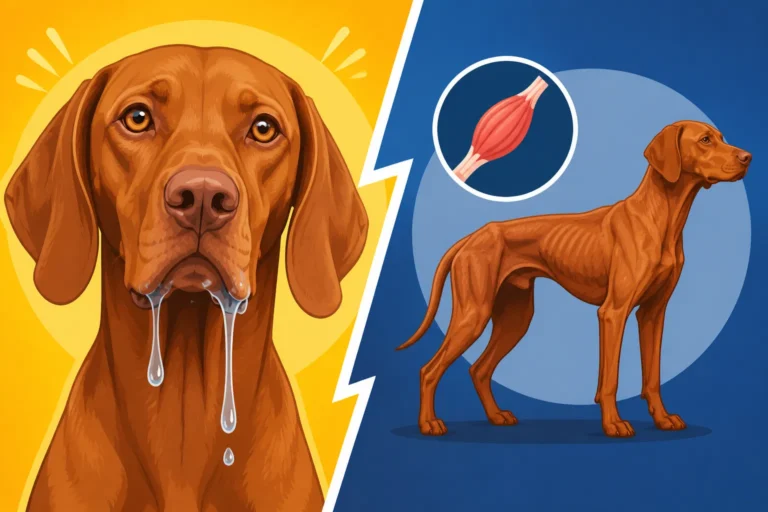
Muscle atrophy, or the wasting away of muscle mass, in the hindquarters is another clear indicator. Because the dog is favoring the painful hip and using it less, the muscles surrounding it (gluteals, hamstrings) will shrink. Conversely, the front leg and shoulder muscles may become overdeveloped as the dog shifts weight forward to compensate. You might also notice a change in their posture, with a hunched back or a tendency to stand with their hind legs closer together. Increased irritability, unwillingness to be touched in the hip area, or crying out when manipulating the leg are also signs that the pain has become significant. If your Vizsla, known for its affectionate and gentle nature, suddenly becomes aloof or protective of its hindquarters, it's a clear signal that something is seriously amiss. When considering the comprehensive health of a Vizsla, paying attention to these physical changes is just as important as monitoring for issues like The Cancers That Take a Vizsla Early or Thyroid Failure in a Vizsla.
Distinguishing Hip Dysplasia from Other Joint Issues
It’s important to remember that not all lameness in a Vizsla’s hind leg points to hip dysplasia. There are several other conditions that can mimic the symptoms, and accurate diagnosis is key to effective treatment. One common culprit is a cranial cruciate ligament (CCL) tear, which causes sudden or gradual lameness in the hind limb, often characterized by the dog holding the leg up or limping significantly. This is especially common in active Vizslas who might suffer a misstep or twist during their intense exercise, as discussed in Cruciate Tears in a Working Vizsla. While both affect the hind leg, a CCL tear is typically localized to the knee joint, whereas hip dysplasia affects the hip.
Another condition to consider, particularly in young, fast-growing Vizslas, is Panosteitis, often referred to as "growing pains." This condition causes intermittent lameness that can shift from one leg to another, typically resolving on its own as the dog matures. This differs from the persistent, progressive nature of hip dysplasia. Less common but still possible are nerve impingements in the spine, muscle strains, or even certain types of bone cancer, which can all cause hind limb pain. A thorough orthopedic examination by a veterinarian, including specific palpation tests and diagnostic imaging, is essential to differentiate between these conditions and arrive at a correct diagnosis. Without proper evaluation, you might be treating the wrong problem, delaying effective care and prolonging your dog's discomfort.
Diagnosis and Evaluation Methods
When you suspect your Vizsla might be struggling with hip dysplasia, the path to understanding and treatment begins with a thorough veterinary examination and diagnostic imaging. It's a critical step that provides clear answers and helps chart the best course of action for your dog's future comfort and mobility.
The Role of X-rays and Orthopedic Evaluations
The gold standard for diagnosing hip dysplasia is radiography, or X-rays. These images allow veterinarians to visualize the bony structures of the hip joint and assess the degree of malformation and secondary arthritic changes. For a comprehensive evaluation, your vet will usually take several views of the pelvis and hips, often requiring your Vizsla to be sedated or anesthetized to ensure proper positioning and minimize stress. This precise positioning is vital because even a slight rotation can skew the results and lead to an inaccurate assessment.
Two primary orthopedic foundations offer specialized evaluation programs for hip dysplasia in dogs: the Orthopedic Foundation for Animals (OFA) and PennHIP. The OFA evaluates standard hip X-rays for dogs typically aged 24 months or older, assigning a grade (Excellent, Good, Fair, Borderline, Mild, Moderate, Severe). These grades assess the hip joint conformation, looking for laxity and signs of degenerative joint disease. PennHIP, on the other hand, can be performed on dogs as young as 16 weeks and measures hip laxity quantitatively using a specialized compression and distraction view. It provides a distraction index (DI), which is a measure of hip laxity, and compares it to other dogs of the same breed. Both systems offer valuable insights, but PennHIP is often considered more sensitive in detecting laxity in younger dogs, potentially allowing for earlier intervention or more informed breeding decisions. These evaluations are a cornerstone of responsible breeding, and understanding The Health Tests Both Vizsla Parents Should Have often includes knowing about OFA or PennHIP clearances.
Understanding Scoring Systems and What They Indicate
Navigating the results of hip evaluations can feel a bit like deciphering a complex code, but understanding the scoring systems is crucial for any Vizsla owner. The OFA system assigns seven different classifications, ranging from "Excellent" to "Severe." An "Excellent" hip means deep sockets, a tightly fitting femoral head, and minimal evidence of joint disease. "Good" and "Fair" are still considered passing grades for breeding purposes, indicating minor deviations from ideal conformation. "Borderline" hips are, as the name suggests, borderline and may require re-evaluation. "Mild," "Moderate," and "Severe" indicate progressively worse hip dysplasia, with significant laxity, shallow sockets, and often visible arthritic changes.
The PennHIP system offers a different perspective by providing a Distraction Index (DI). This numerical value, typically ranging from 0 to 1, indicates the degree of hip laxity – how much the femoral head can be displaced from the acetabulum. A DI close to 0 indicates very tight hips, while a DI closer to 1 signifies severe laxity. PennHIP also provides a percentile ranking for your dog within its breed, helping you understand how your Vizsla's hip laxity compares to the broader Vizsla population. A dog with a DI in the lower percentiles (e.g., 90th percentile, meaning its hips are tighter than 90% of Vizslas) has a lower risk of developing hip dysplasia. These scores are not just academic; they directly correlate to the likelihood of developing painful osteoarthritis and help veterinarians predict the long-term prognosis for your dog.
Importance of Early Detection and Breeder Screening
The significance of early detection and rigorous breeder screening for hip dysplasia in Vizslas cannot be overstated. For individual dogs, identifying the condition early can open doors to various management strategies, including lifestyle modifications, appropriate exercise protocols, and potential surgical interventions that may be more effective before significant arthritic changes have occurred. For example, procedures like a triple pelvic osteotomy are only viable for young dogs with hip laxity but no existing osteoarthritis. If you suspect your Vizsla puppy is showing early signs, getting them screened around The Age a Vizsla Can Have Hips Scored can make a world of difference.
From a breed health perspective, responsible breeder screening is the single most powerful tool we have to reduce the incidence of hip dysplasia. Reputable Vizsla breeders meticulously screen their breeding stock using OFA or PennHIP evaluations, only breeding dogs with excellent or good hip conformation. They will be transparent about their dogs' health clearances, often providing OFA certificates or PennHIP reports. Unfortunately, because the condition is polygenic, even carefully bred lines can occasionally produce an affected puppy, but responsible breeders strive to minimize this risk. By choosing a puppy from parents with proven good hip scores, you significantly reduce your Vizsla's chances of developing this painful condition. It’s also important that during the puppy phase, you understand whether a Vizsla puppy should run on hard ground, as early impact can contribute to joint stress, even in genetically sound dogs.
Management and Treatment Options
Once a Vizsla is diagnosed with hip dysplasia, it's natural to feel overwhelmed and anxious about their future. However, there's a wide spectrum of management and treatment options available, ranging from conservative approaches to advanced surgical interventions. The best path forward will depend on the severity of the condition, your dog's age, overall health, and your family's circumstances.
Conservative Management Strategies
For many Vizslas with mild to moderate hip dysplasia, or for those whose age or other health conditions preclude surgery, conservative management can provide a significant improvement in comfort and quality of life. The cornerstone of conservative treatment involves careful weight control. Excess weight puts immense stress on already compromised joints, accelerating degeneration and increasing pain. Maintaining a lean body condition is paramount, especially for an athletic breed like the Vizsla.
Controlled exercise is another critical component. While it might seem counterintuitive for a high-energy Vizsla, intense, high-impact activities like jumping, sprinting, or prolonged running on hard surfaces need to be limited. Instead, focus on low-impact activities that build muscle strength without stressing the joints, such as swimming, leash walks on soft surfaces, or carefully managed short trots. Physical therapy, including hydrotherapy, therapeutic exercises, and massage, can also be incredibly beneficial, helping to strengthen supporting muscles and improve range of motion. Joint supplements containing ingredients like glucosamine, chondroitin, and MSM can help support cartilage health and reduce inflammation. Omega-3 fatty acids are also often recommended for their anti-inflammatory properties. Many owners wonder Whether Joint Supplements Help a Vizsla, and in cases of hip dysplasia, they can be a valuable part of a multi-modal approach. Additionally, supportive measures such as orthopedic beds, ramps to avoid jumping, and ensuring non-slip flooring can make a huge difference in your Vizsla's daily comfort.
Medical Interventions and Pain Management
When conservative measures aren't enough to keep your Vizsla comfortable, your veterinarian may recommend various medical interventions to manage pain and inflammation. Non-steroidal anti-inflammatory drugs (NSAIDs) are a common first line of defense. Medications like carprofen (Rimadyl), firocoxib (Previcox), or galliprant (Grapiprant) can effectively reduce pain and inflammation, allowing your dog to move more freely. However, long-term use of NSAIDs requires regular monitoring of liver and kidney function through blood tests.
Other pain relief options include gabapentin, often used in conjunction with NSAIDs for neuropathic pain, or amantadine for chronic pain modulation. Injectable joint medications, such as polysulfated glycosaminoglycans (PSGAGs) like Adequan, can help improve joint fluid quality and support cartilage health. More advanced options include therapeutic laser treatments, acupuncture, or stem cell therapy, all aimed at reducing pain and promoting healing within the joint. It's often a process of trial and error to find the most effective combination of medications and therapies for your individual Vizsla. Insurance providers like Healthy Paws can be incredibly helpful in covering these ongoing medical costs, which can quickly add up over the lifetime of a dog with chronic conditions. This allows you to focus on your Vizsla's comfort without undue financial stress.
Surgical Options for Severe Cases
For Vizslas with severe hip dysplasia, especially those who don't respond adequately to conservative and medical management, surgical intervention might be the best option to restore comfort and mobility. The choice of surgery depends heavily on the dog's age, size, the severity of dysplasia, and the presence of osteoarthritis.
One common procedure for younger dogs (typically under 10 months) with significant hip laxity but minimal arthritic changes is a Triple Pelvic Osteotomy (TPO) or Juvenile Pubic Symphysiodesis (JPS). JPS involves fusing the growth plates of the pelvis to encourage better development of the acetabulum, while TPO involves cutting the pelvis in three places and rotating the socket to better cover the femoral head. Both aim to improve joint congruence and prevent future degeneration.
For older dogs or those with advanced osteoarthritis, a Femoral Head Ostectomy (FHO) might be recommended. In this procedure, the head of the femur is removed, and a "false joint" is formed by muscle and scar tissue. While it doesn't restore a normal joint, it eliminates the painful bone-on-bone grinding. FHO is often considered for smaller, lighter dogs, but can be successful in Vizslas with diligent post-operative physical therapy. The most comprehensive and often most successful surgical option for severe, debilitating hip dysplasia is a Total Hip Replacement (THR). This involves replacing both the damaged ball and socket with prosthetic implants. THR offers the best chance for full return to function and elimination of pain, but it is a complex, costly procedure requiring a skilled orthopedic surgeon and extensive post-operative care. Understanding What Cruciate Surgery Costs on a Vizsla can give you an idea of the significant financial commitment involved in major orthopedic surgeries.
Here's a comparison of common treatment approaches for Vizsla hip dysplasia:
| Treatment Type | Description | Pros | Cons | Typical Cost Range (Estimate) | Recovery Time |
|---|---|---|---|---|---|
| Conservative (Non-surgical) | Weight management, controlled exercise, physical therapy, joint supplements, NSAIDs, other pain meds. | Non-invasive, often effective for mild/moderate cases, lower initial cost. | Requires long-term commitment, may not stop progression, potential side effects from long-term medication. | $50 – $300/month (meds/supps) | Ongoing management, no "recovery" in surgical sense |
| Femoral Head Ostectomy (FHO) | Surgical removal of the femoral head, creating a "false joint." | Eliminates bone-on-bone pain, generally less expensive than THR, effective for many dogs. | Leg may be shorter, reduced range of motion, requires extensive physical therapy for best results. | $1,500 – $4,000 per hip | 6-12 weeks activity restriction, 3-6 months full recovery |
| Triple Pelvic Ostectomy (TPO) | Surgical rotation of the pelvic socket to improve femoral head coverage. | Prevents further degeneration, preserves natural joint, often excellent long-term results. | Only for young dogs (under 10 months) with no existing arthritis, complex surgery, high cost. | $3,000 – $6,000 per hip | 8-12 weeks strict rest, 6 months for full healing |
| Total Hip Replacement (THR) | Replacement of both ball and socket with prosthetic implants. | Best chance for full pain relief and restoration of normal function. | Most invasive and expensive, potential for complications (infection, dislocation), only specialized surgeons. | $4,000 – $8,000 per hip | 8-12 weeks strict rest, 6-12 months for full activity |
Note: Cost ranges are estimates and can vary widely based on location, veterinary practice, and complexity of the case.
Prevention and Responsible Breeding Practices
While hip dysplasia is a multifactorial condition, there are certainly steps we can take as Vizsla owners and enthusiasts to minimize its risk and impact. Prevention starts long before a puppy ever comes home and continues through their entire life.
The Impact of Nutrition and Exercise on Puppy Joint Health
Proper nutrition and controlled exercise are incredibly important for a Vizsla puppy's developing joints. Rapid growth, often fueled by inappropriate diets, can place undue stress on soft bones and cartilage, exacerbating any genetic predisposition to hip dysplasia. Puppies should be fed a high-quality, large-breed puppy food specifically formulated to promote slow, steady growth, rather than fast weight gain. This ensures that their bones and joints mature at an appropriate pace. Over-supplementation with calcium can also be detrimental, so always consult your vet before adding any supplements to a puppy's diet.
Equally important is managing a Vizsla puppy's exercise. While their boundless energy is infectious, high-impact activities like repetitive jumping, long-distance running, or intense agility work should be avoided until their growth plates have closed, usually around 12-18 months of age. Instead, focus on short, frequent play sessions on soft surfaces, controlled leash walks, and mental stimulation. Allowing a puppy to over-exercise or engage in activities that put excessive strain on their developing joints can significantly increase their risk of developing or worsening hip dysplasia, even if their genetics are relatively sound. Remember that Hips and Elbows on a Vizsla That Runs All Day are subjected to incredible stress, so a cautious approach in puppyhood is always best.
How to Choose a Reputable Vizsla Breeder
Choosing a reputable Vizsla breeder is perhaps the most critical step an owner can take to minimize the risk of hip dysplasia. A responsible breeder is deeply committed to the health and welfare of their lines and will prioritize health screening as a fundamental part of their breeding program. This means both parents of a litter should have official OFA or PennHIP clearances for their hips, demonstrating good to excellent hip conformation. Don't just take their word for it; ask to see copies of these certificates. A breeder who truly values health will be proud to share them.
Beyond hip clearances, reputable breeders also screen for other common Vizsla health issues, such as eye diseases and thyroid problems. They should be transparent about any instances of hip dysplasia in previous generations or related dogs. They will also likely have a waiting list, interview potential buyers thoroughly, and ensure their puppies are raised in a clean, stimulating environment. A responsible breeder will prioritize the health and temperament of their dogs above all else, ensuring you're getting a puppy with the best possible start in life. Avoid breeders who cut corners on health testing or who can't provide verifiable documentation for their breeding dogs. For a complete picture, you might also want to ask Whether a Vizsla Breeder Should Show a CHIC Number, which indicates comprehensive health testing.
Supporting Research and Breed Health Initiatives
Supporting ongoing research and breed health initiatives is vital for the long-term health of the Vizsla breed. Organizations like the Vizsla Club of America (VCA) actively promote health screening and fund research into common Vizsla ailments, including hip dysplasia. By participating in breed-specific health surveys, contributing to health registries, or donating to canine health foundations, Vizsla owners can play a direct role in improving the genetic health of future generations. These efforts help researchers identify genetic markers for polygenic conditions like hip dysplasia, develop better diagnostic tools, and refine breeding strategies.
Understanding the genetic complexities behind conditions like hip dysplasia is a continuous effort, and every piece of information, especially from owners of affected dogs, contributes to the bigger picture. When it comes to managing the long-term health needs of a Vizsla with hip dysplasia, having a robust pet insurance plan, such as those offered by Healthy Paws, can provide immense peace of mind. It allows owners to make decisions based on what's best for their dog's health, rather than being solely driven by financial constraints. Ultimately, a collective commitment to health, transparency, and scientific advancement is how we ensure that the Vizsla remains a healthy, active, and cherished companion for years to come.
Disclaimer
This article is for general informational purposes only and does not constitute professional advice. Laws, prices and regulations vary by location and change over time. Consult a qualified professional for guidance on your specific situation.