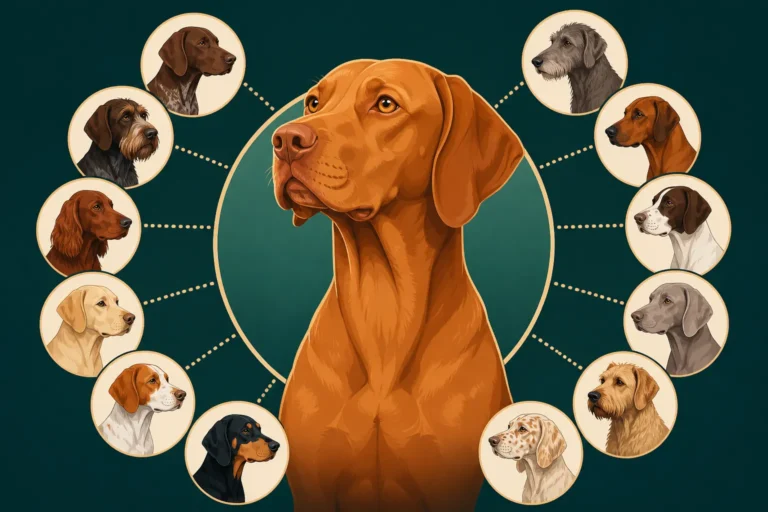
Whether the Vizsla Was Crossed With the Pointer
Many Vizsla owners and enthusiasts often wonder about the breed's deep history, particularly whether their beloved copper companions have roots intertwined with other well-known pointing breeds. It's a question that arises from observing their classic pointing stance and tireless energy in the field. This guide will delve into the historical tapestry of the Vizsla, exploring the evidence and theories behind potential crossbreeding with Pointers during critical periods of the breed's development, and ultimately, how the Vizsla forged its own distinct identity.
Understanding the Vizsla's Ancient Roots and Purpose
To truly understand any potential crossbreeding, we must first appreciate the Vizsla's origins as a unique and ancient hunting dog, deeply tied to the land and people of Hungary. They weren't just dogs; they were partners, essential for survival and sport for centuries before formal breed standards existed.
The Magyar's Hunting Companion
The story of the Vizsla begins long ago, with the nomadic Magyar tribes who settled in the Carpathian Basin over a thousand years ago. These people relied heavily on their dogs for hunting, and the ancestors of the modern Vizsla were their constant companions. These early dogs weren't specialists in the way many modern breeds are; they were versatile hunters, capable of pointing, retrieving, and tracking, adapting to the diverse game and terrain of their environment. They had to be robust enough to work all day and gentle enough to live within the family encampment, forming incredibly strong bonds with their human partners. It's safe to say that the Magyars weren't just looking for a dog; they were looking for an extension of their hunting arm, a loyal shadow. This deep, historical connection to their people is a foundational aspect of the breed's "Velcro" personality today. If you've ever wondered Whether the Magyars Brought the Vizsla to Hungary, the answer is tied to their very existence.
They needed a dog that could hunt various types of game, from upland birds to hares, and do so without requiring multiple specialized animals. This inherent versatility meant that the traits of pointing, tracking, and retrieving were naturally selected for over generations. Their sleek, short coat and athletic build made them efficient workers in the varied Hungarian landscape, from dense forests to open plains. This deep historical context highlights that the Vizsla's core purpose was already well-defined before modern breeding practices, making any later crossbreeding a refinement rather than a creation of their fundamental role.
Early European Hunting Dog Development
Across Europe, the development of hunting dogs was a fascinating, often organic process, driven by local hunting traditions, available game, and the preferences of landowners and hunters. Before the advent of kennel clubs and written breed standards in the 19th century, dogs were often bred for specific functions rather than rigid aesthetic consistency. A "pointer" in one region might look quite different from a "pointer" in another, though both shared the characteristic instinct to locate and indicate game.
This period saw the rise of various pointing breeds, often named after their region of origin or a prominent physical characteristic. For instance, the English Pointer, German Shorthaired Pointer, and various other continental pointers all evolved from a common ancestry of pointing dogs, but through independent development, they each honed their specific skills and appearances. Crossbreeding between these developing types was not uncommon, especially if a hunter desired to introduce a particular trait – be it more speed, a better nose, or a softer retrieve – into their local line. It was a fluid genetic landscape, where practicality often trumped purity, making the tracing of specific ancestral contributions a complex task for any breed from this era. The notion that Whether the Vizsla Is a Pointer or a Hound by Origin further complicates this, as their versatility blurs traditional distinctions.
The Period of Breed Reconstruction and Influences
The Vizsla's history isn't just one of ancient lineage; it's also a story of resilience and deliberate revival, a period where external influences became critical to its survival. This is where the question of Pointer crossbreeding truly comes to the forefront.
The Vizsla's Near Extinction in the 19th Century
The 19th century, and indeed the early 20th century, presented immense challenges for many dog breeds, and the Vizsla was no exception. Shifting political landscapes, two World Wars, and the rise of mechanized agriculture drastically altered the environment in which traditional hunting dogs thrived. Landowners lost their estates, hunting declined as a widespread practice, and with it, the careful breeding programs that had sustained these working dogs for generations. The Vizsla, a breed primarily owned by the Hungarian gentry, suffered immensely. Their numbers dwindled to perilously low levels, threatening their very existence. It's a stark reminder that even well-established breeds can teeter on the brink. You can learn more about this dramatic period by reading How the Vizsla Nearly Died Out by 1900.
Imagine a time when entire bloodlines were lost, not due to disease, but due to societal upheaval. The few remaining Vizslas were scattered, and their genetic diversity was severely compromised. This near-total collapse meant that when dedicated enthusiasts later sought to revive the breed, they faced an enormous challenge: how to rebuild a vibrant, healthy population from such a limited genetic pool. This crisis point is precisely when "outside" blood became a consideration, not out of a desire to change the breed fundamentally, but to save it.
The Role of 'Reconstruction' and Strategic Crossings
Facing the brink of extinction, passionate Hungarian breeders embarked on a meticulous and often clandestine mission to revive the Vizsla in the late 1800s and early 1900s. With very few purebred Vizslas remaining, they had to make difficult choices to ensure the breed's survival and prevent inbreeding depression. This involved careful and strategic outcrossing to other established pointing breeds that shared similar characteristics, temperament, and hunting abilities. It wasn't a haphazard mixing, but a calculated effort to reintroduce genetic diversity and reinforce desired traits that might have been lost in the dwindling Vizsla population.
Historical records suggest that breeds such as the German Shorthaired Pointer and possibly the English Pointer, among others, were utilized in this reconstruction effort. The rationale was clear: these dogs possessed the strong pointing instinct, athletic build, and biddable nature that defined the Vizsla. Breeders aimed to preserve the Vizsla's distinctive "golden rust" color, its keen nose, and its gentle, "Velcro" personality, while also bolstering its physical soundness and working drive. The process was painstakingly slow, involving selective breeding over many generations to "breed back" to the original Vizsla type, minimizing the impact of the introduced bloodlines while maximizing the genetic health benefits. It's an incredible testament to the dedication of these early breeders, who, in essence, brought the Vizsla back from the dead. Knowing How Many Dogs the Vizsla Was Rebuilt From highlights the scale of this effort.
Traits That Suggest Pointer Influence
When you look at a Vizsla, particularly a field-bred one, you can't help but notice certain characteristics that resonate with those found in Pointers. Their classic, high-headed pointing stance, where they freeze with intense focus, is a hallmark of pointing breeds. This isn't a casual gesture; it's an ingrained instinct that has been refined over centuries in various pointing dogs.
Beyond the point, consider their overall athleticism: the lean, muscular build, deep chest for lung capacity, and powerful hindquarters, all indicative of a dog designed for speed and endurance in the field. This physique allows them to cover ground effortlessly and maintain a high pace throughout a long hunting day, a trait also highly prized in German Shorthaired Pointers and English Pointers. Their short, sleek coat, while characteristic of many European pointing breeds, serves a practical purpose in dense cover, reducing snagging and aiding in cooling, similar to their Pointer cousins. Even their focused gaze and intelligent expression often echo the intensity you see in other Pointer breeds. These shared physical and behavioral traits strongly suggest that the infusion of Pointer blood during the Vizsla's reconstruction was successful in reinforcing and perhaps enhancing these crucial working qualities, ensuring the Vizsla remained a top-tier bird dog. A good comparison article is The Vizsla Against a German Shorthaired Pointer.
| Trait | Vizsla (General Tendencies) | German Shorthaired Pointer (General Tendencies) | English Pointer (General Tendencies) |
|---|---|---|---|
| Coat Color | Solid golden rust | Liver and white, solid liver, black and white, solid black | Lemon, orange, liver, or black with white, or solid colors |
| Coat Type | Short, smooth, dense, no undercoat | Short, thick, dense, water-resistant | Short, smooth, fine, dense, lies close to the body |
| Temperament | Affectionate, "Velcro" dog, sensitive, energetic, biddable | Energetic, intelligent, friendly, can be strong-willed | Noble, good-natured, intelligent, enthusiastic |
| Pointing Style | Classic, intense, often high-headed | Classic, intense, often low-headed, can be "crouching" | Classic, often very rigid, high-headed, tail held high |
| Retrieve | Natural, soft-mouthed, keen to retrieve | Natural, strong retrieve, can be harder mouthed | Natural, typically gentle but firm retrieve |
| Stamina | Very high, needs significant daily exercise | Very high, needs significant daily exercise | Very high, built for endurance and speed |
| Family Life | Strong bond, needs to be close, struggles with solitude | Good family dog, can be independent, active | Good family dog, enjoys comfort but needs space and exercise |
| Size (approx.) | 45-65 lbs (female), 55-75 lbs (male) | 45-70 lbs (female), 55-80 lbs (male) | 45-65 lbs (female), 55-75 lbs (male) |
Distinguishing the Vizsla from its Cousins Today
Even with historical crossbreeding, the Vizsla has undeniably emerged as a distinct and cherished breed, celebrated for its unique blend of qualities. The intentional efforts of dedicated breeders ensured that while some traits might echo those of its ancestors, the Vizsla maintained and solidified its own identity.
The Vizsla's Unique "Golden Rust" Identity
While other pointing breeds exhibit a range of colors and patterns—think of the liver and white of a German Shorthaired Pointer or the patched beauty of an English Pointer—the Vizsla stands out with its singular "golden rust" coat. This uniform, radiant hue is not merely a preference; it's a defining characteristic ingrained in the breed standard. This specific color, often described as golden-red, russet, or copper, extends to their nose, eyes, and even their toenails, creating a harmonious and striking appearance that is unmistakable. The Golden Rust Color Only a Vizsla Wears is truly unique.
This consistent coloring was a deliberate focus of the reconstruction efforts. Breeders painstakingly selected for dogs that maintained this beautiful, solid shade, working to differentiate the Vizsla visually from any breeds used in its revival. It’s more than just aesthetics; it's a part of their Hungarian heritage, a visual symbol of their identity. This strong emphasis on a uniform coat color helped to solidify the breed's distinct aesthetic, ensuring that even if some genetic material came from outside, the resulting dog was unequivocally a Vizsla. You won't find a black and white or tricolor Vizsla in a reputable breeding program; that rich, warm gold is non-negotiable.
Temperamental and Working Differences
While the Vizsla shares the strong pointing instinct and athleticism with other Pointers, its temperament and preferred working style often set it apart. The term "Velcro Vizsla" isn't just a cute nickname; it’s a descriptor of their intense need for human companionship and affection. They thrive on being close to their people, often seeking physical contact, whether it's leaning against your leg, resting their head on your lap, or even burrowing under the covers in bed. This deep attachment can make them highly sensitive, and they often react poorly to harsh training methods or prolonged solitude. Many Vizsla owners will tell you that The Soft Vizsla That Shuts Down When You Raise Your Voice is a very real phenomenon, highlighting their emotional sensitivity compared to some more stoic pointing breeds.
In the field, while a Vizsla is a powerful and tireless hunter, they often work in a closer range to their handler than, say, a wide-ranging English Pointer. This makes them ideal for walking hunters or those working in moderately dense cover. They are highly biddable and eager to please, often making them quick learners in training. Their versatility is also a hallmark; they are often excellent natural retrievers, a trait sometimes less pronounced in purely pointing lines. They possess a "soft mouth," meaning they typically retrieve game gently without damaging it, a quality highly prized by hunters. This combination of intense loyalty, sensitivity, and versatile hunting prowess truly defines the Vizsla as a breed unto itself, even with shared genetic threads from other pointers.
The Legacy of Careful Breeding and Preservation
Today, the Vizsla stands as a testament to dedicated breeders who have worked tirelessly to preserve its unique qualities. While the historical influences are undeniable, modern breeding focuses on maintaining the established standard and ensuring the health and integrity of the breed for future generations.
Modern Breeding Practices and Genetic Health
Contemporary Vizsla breeders operate with a profound sense of responsibility to uphold the integrity of the breed that was so painstakingly reconstructed. The goal now is not to introduce new bloodlines, but to carefully manage existing ones, preventing the recurrence of the narrow genetic diversity that nearly led to the breed's demise. This involves meticulous selection of breeding stock based on health clearances, temperament, and adherence to the breed standard. Reputable breeders conduct a battery of health tests, screening for conditions known to affect Vizslas, such as hip and elbow dysplasia, eye diseases, and thyroid issues. You can typically see a list of these recommended tests when you look at an organization like the Orthopedic Foundation for Animals (OFA) or talk to a responsible breeder.
This proactive approach to health means that breeders are very open about their dogs' health histories and certifications. They often share results for tests like those mentioned in The Health Tests Both Vizsla Parents Should Have and are transparent about any known genetic predispositions in their lines. The aim is to produce sound, healthy puppies that embody the best of the Vizsla breed, both in the field and as beloved family companions. This vigilance ensures that the Vizsla remains a robust and long-lived breed, capable of fulfilling its original purpose while thriving in modern homes. When researching puppies, look for breeders who register their dogs with organizations that track health testing, like those providing a CHIC number, as discussed in Whether a Vizsla Breeder Should Show a CHIC Number.
The Importance of Pedigree and Lineage
In the world of purebred dogs, pedigree is more than just a piece of paper; it's a map of a dog's genetic history, a record of the careful breeding decisions that have shaped the lineage. For the Vizsla, where its very existence was once threatened and then deliberately rebuilt, understanding pedigree is paramount. Every reputable Vizsla breeder meticulously tracks the lineage of their dogs, often going back many generations. This isn't just for show; it's a vital tool for making informed breeding choices.
By studying pedigrees, breeders can identify potential genetic strengths and weaknesses, trace the origins of specific traits, and ensure they are making choices that will contribute positively to the breed's future. It allows them to avoid close inbreeding while maintaining the desirable characteristics of the Vizsla. While historical outcrosses undoubtedly occurred during the reconstruction era, the goal since then has been to stabilize and purify the Vizsla line. Modern pedigrees reflect this dedication to breed type, showing consistent Vizsla ancestry. This commitment to documented lineage helps maintain the breed's distinct identity and ensures that the puppies produced are true to the Vizsla standard. Whether you're considering a puppy for hunting or as a cherished pet, understanding the importance of pedigree helps you appreciate the profound effort that goes into preserving this incredible breed. Many online pet supply retailers, like Chewy, even offer resources and products tailored to specific breed needs, recognizing the unique attributes that careful breeding has fostered.
Disclaimer
This article is for general informational purposes only and does not constitute professional advice. Laws, prices and regulations vary by location and change over time. Consult a qualified professional for guidance on your specific situation.