Whether a Vizsla Curls Up Tight to Stay Warm
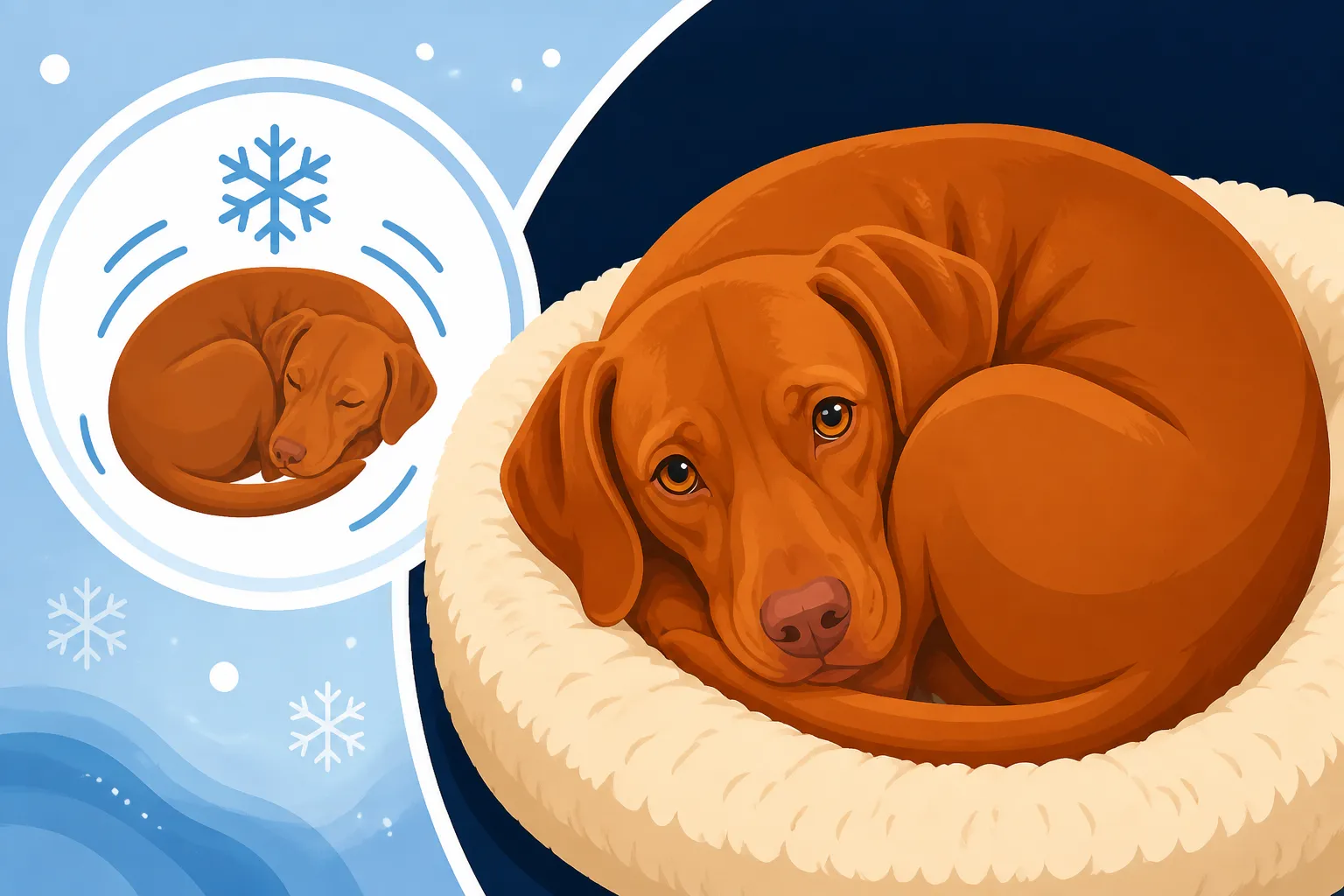
It’s a sight every Vizsla owner knows well: your copper companion, tucked into the tightest ball imaginable, nose nudged under their tail, perhaps even burrowed deep under a blanket on the sofa or your bed. It makes you wonder, are they just being adorable, or is there a real reason for this seemingly exaggerated quest for warmth? The truth is, that curled-up posture is often a clear signal that your beloved Vizsla is genuinely trying to conserve every bit of body heat, a behavior deeply rooted in their unique physical makeup and a testament to their sensitive nature. This guide will explore exactly why your Vizsla curls up so tightly, what it means for their comfort, and how you can ensure they stay cozy.
The Vizsla's Unique Coat and Its Impact on Warmth
One of the most striking characteristics of a Vizsla is their beautiful, sleek, golden-rust coat. It's truly a thing of beauty, glistening in the sun and feeling like velvet beneath your hand. However, this very feature, so admired for its elegance, is also the primary reason your Vizsla is often seeking out extra warmth. They are not built for harsh, cold conditions, and their coat is a big part of that equation.
Understanding the Single Coat
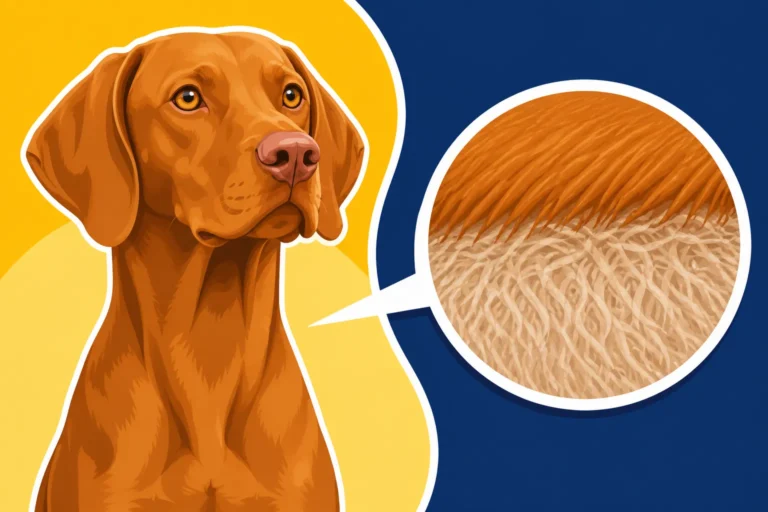
Unlike many breeds, especially those originating from colder climates or traditionally used for tasks requiring resilience against the elements, the Vizsla possesses a single coat. This isn't just a fancy term; it means they lack the dense, fluffy undercoat that acts as a natural insulator for dogs like Labradors, German Shepherds, or even many terrier breeds. Their hair is short, fine, and lies close to the body, offering minimal protection against cold, wind, or wet conditions. Think of it like a thin silk shirt versus a thick wool sweater on a chilly day – one offers far more warmth than the other.
This single-coat characteristic is fundamental to understanding their relationship with temperature. Without that insulating layer, their body heat dissipates much more quickly into the surrounding air. While this makes them wonderfully easy to groom and contributes to their relatively "odor-free" reputation, it also leaves them quite vulnerable when the mercury drops. Many owners quickly realize that The Single Coat a Vizsla Has and Why It Changes Everything isn't just an aesthetic point, but a critical factor in their daily care.
Why the Lack of an Undercoat Matters
The absence of an undercoat has profound implications for a Vizsla's comfort and even their health. Imagine sending a child out into a brisk autumn day wearing only a t-shirt – they'd shiver, turn blue, and quickly demand to go back inside. Your Vizsla experiences something similar when exposed to cold without adequate protection. Their natural defenses against a chill simply aren't as robust as those of double-coated breeds.
This vulnerability extends beyond just mild discomfort. A Vizsla exercising intensely in cold weather, perhaps working in the field, can lose body heat at an alarming rate. Their lean, muscular build, while perfect for speed and agility, also means they have less subcutaneous fat to provide insulation compared to a stockier breed. This combination of a thin coat and lean body makes them highly susceptible to the cold, which is why Whether a Vizsla Feels the Cold is not just a question of preference, but a matter of physiological reality for them. They're not being dramatic; they're genuinely feeling it.
The Instinct to Conserve Body Heat
When you see your Vizsla curled into a tight ball, it's not just a charming pose for a photo op. This behavior is a deeply ingrained, evolutionary survival tactic that animals, including dogs, use to protect themselves from the cold. It's a simple yet incredibly effective method of heat conservation.
The Curling Behavior as a Survival Tactic
Think about it: when you're cold, what's the first thing you do? You might hug yourself, pull your knees to your chest, or tuck your hands into your armpits. Your Vizsla does something very similar, but on a grander, whole-body scale. By curling up, they drastically reduce the amount of surface area exposed to the cooler air. Their vital organs are tucked into the center, protected by their body mass, and often, their extremities like paws and nose – which are prone to heat loss – are covered by their tail or tucked under their body.
This instinctive action is a clear sign they're feeling the chill and actively trying to regulate their body temperature. It's particularly common when they are resting or sleeping, as their metabolic rate drops, and they produce less internal heat. If your Vizsla is doing a lot of this, especially if they are also shivering, it's a strong indicator that their environment might be too cool for their comfort. They're not just seeking a snuggle; they're essentially creating their own personal, portable igloo to stay warm.
Other Signs Your Vizsla is Cold
Curling up is a prominent sign, but it's not the only one. Vizslas are masters at communicating their needs, often subtly at first. If you observe closely, you'll pick up on several other cues that suggest your Vizsla is feeling chilly and needs some assistance.
One of the most obvious signs is shivering. It might start as a slight tremble, almost imperceptible, then become more pronounced. This involuntary muscle contraction is the body's way of generating heat. Another common behavior is seeking out warmth: you might find your Vizsla pressing their entire body against you, burrowing under blankets (even when it’s not particularly cold), or lying in sunbeams. They might also exhibit a reluctance to go outside, especially if it's windy, rainy, or snowing. Instead of their usual eager sprint to the door, they might hesitate, pace, or even try to turn back. Their energy levels can drop, and they might seem subdued or lethargic if they're constantly fighting the cold. If you notice your Vizsla engaging in excessive licking of their paws or nose when it's cold, it could also be a sign they're trying to warm those extremities. When indoors, if you notice Whether a Vizsla Shivers Indoors regularly, it's a definite red flag that they aren't as comfortable as they could be.
Practical Ways to Keep Your Vizsla Warm and Comfortable
Given their innate sensitivity to cold, proactive measures are essential to ensure your Vizsla remains happy and healthy, especially as temperatures drop. Providing them with the right environment and gear isn't just about indulgence; it's about meeting their breed-specific needs.
Providing Adequate Indoor Warmth
Your home environment plays a crucial role in a Vizsla's comfort. Since they lack that insulating undercoat, a drafty house or a cold floor can quickly lead to discomfort. Ensuring they have a warm, draft-free place to rest is paramount.
Consider investing in high-quality, insulated bedding. Memory foam beds can offer good insulation from cold floors, and a plush, soft bed with raised edges can provide a sense of security and containment, allowing them to nest and retain heat. For Vizslas that are particularly sensitive or during very cold spells, a heated dog bed can be a game-changer. These beds provide a gentle, consistent warmth that can soothe muscles and prevent chilling. Many owners find that a heated bed becomes less of a luxury and more of a necessity for their thin-skinned companions. You can find excellent options for these types of beds on sites like Amazon or specialized pet stores. Even a simple pile of soft, clean blankets can make a huge difference, allowing your Vizsla to burrow and create their own cozy den. Many Vizslas will actively seek out the warmest spots in the house, often gravitating towards heating vents, sunny windows, or right next to you on the sofa.
Protecting Your Vizsla Outdoors
While they are powerful and energetic hunting dogs, their lean build and single coat mean they are not immune to the cold when working or playing outside. Their enthusiasm for the field often overrides their discomfort, so it's up to you to provide protection.
For walks, runs, or any outdoor activity in chilly weather, a dog coat or jacket is often a necessity, not an accessory. Look for coats that are insulated, waterproof or water-resistant, and cover a good portion of their back and belly. A well-fitting coat can make a world of difference in preventing hypothermia and keeping their core temperature stable. Knowing The Temperature a Vizsla Needs a Coat At can guide your choices, ensuring they're always appropriately dressed for the weather. For particularly wet conditions, a rain slicker or Whether a Vizsla Needs a Raincoat can be invaluable to prevent their skin from getting soaked and chilling them further. Don't forget their paws! While tough, their paw pads can become sensitive to freezing ground, ice, and road salt. Dog boots can offer protection and prevent injury, making them especially important if Whether a Vizsla Needs Boots in Winter is a concern for your outdoor activities. Always check them over thoroughly after a cold outing, ensuring they are dry and warm before settling down.
Nutritional Considerations for Cold Weather
It's easy to focus on external factors like coats and beds, but what your Vizsla eats plays a significant role in their ability to stay warm. A well-nourished Vizsla is better equipped to generate and maintain internal body heat, especially if they are active.
Fueling for Warmth
A Vizsla's metabolism is notoriously high. They are lean, muscular athletes who burn calories at an incredible rate, even at rest. This becomes even more pronounced when they are active in cold weather. Just as you might eat a heartier meal before going out into the snow, your Vizsla needs adequate fuel to maintain their internal furnace.
If your Vizsla is regularly exercising in cooler temperatures, or if you notice them losing weight during hunting season, it’s a good idea to assess their diet. They may need a higher-calorie, nutrient-dense food to compensate for the increased energy expenditure. Foods with a slightly higher fat content can be particularly beneficial for providing sustained energy and supporting a healthy coat, which in turn offers a tiny bit more insulation. Services like Ollie, offering fresh, customized meals, or premium kibble brands found on Chewy, might be options to consider for ensuring they receive optimal nutrition. Feeding a Vizsla That Burns Everything It Eats is a constant challenge for many owners, and cold weather only amplifies this. Consult with your vet or a canine nutritionist to ensure your Vizsla is getting the right balance of nutrients and sufficient calories, especially if their activity level or the ambient temperature changes significantly.
| Warming Solution | Description | Pros | Cons | Ideal Use Case |
|---|---|---|---|---|
| Plush Bedding/Blankets | Soft, thick beds and multiple blankets for burrowing. | Affordable, comforting, promotes nesting behavior. | Provides limited active warmth; may not be enough for very cold dogs or drafty areas. | Everyday indoor comfort, supplementary warmth. |
| Heated Dog Bed | Electrically warmed bed or mat, often with a low, consistent temperature. | Provides active, sustained warmth; excellent for senior or very cold dogs. | Requires electricity, potential for chew hazards (ensure chew-resistant cords), higher cost. | Elderly Vizslas, dogs with arthritis, very cold environments, post-hunt recovery. |
| Dog Coats/Jackets | Outerwear designed to insulate the dog's body. | Essential for outdoor protection, wide variety of styles and materials. | Can be cumbersome for some dogs; needs to be waterproof for wet conditions; dog may resist wearing. | Outdoor exercise, hunting in cold/wet weather, short trips outside in winter. |
| Sweaters/Fleece | Softer, lighter layers for indoor or mild outdoor use. | Provides light warmth indoors, good for slightly chilly days. | Less protective than a heavy coat; easily soiled; not wind or waterproof. | Indoor lounging, mild autumn/spring walks, very sensitive dogs in cool homes. |
| Booties/Paw Protection | Footwear to protect paws from cold, ice, and chemicals. | Prevents paw injury, frostbite, and irritation from salt/chemicals. | Some dogs resist wearing them; can be difficult to fit correctly; may affect natural gait. | Walking on ice, snow, salted pavements; hunting in rough, cold terrain. |
Maintaining Hydration
It's common to associate hydration with hot weather, but it's just as vital in colder months. Dogs can still become dehydrated in winter, and proper hydration is crucial for overall health, including efficient circulation and regulation of body temperature. A dehydrated dog can feel the cold more acutely.
Ensure your Vizsla always has access to fresh, clean water, whether they're indoors or out. If they are an outdoor enthusiast, check their water bowl frequently to ensure it hasn't frozen solid. Consider an insulated or heated water bowl for outside use if temperatures regularly drop below freezing. On longer hunts or cold-weather adventures, carry water with you and offer it regularly. Dehydration can impair their physical performance and make them more vulnerable to the effects of cold, so don't overlook this simple but critical aspect of their care. Staying well-hydrated helps every bodily function, including the ones that keep them warm from the inside out.
Disclaimer
This article is for general informational purposes only and does not constitute professional advice. Laws, prices and regulations vary by location and change over time. Consult a qualified professional for guidance on your specific situation.