Signs a Vizsla Is Overheating
It's every Vizsla owner's nightmare: seeing that boundless energy suddenly flag, especially on a warm day. These magnificent, high-drive dogs are often so focused on their task or play that they'll push themselves past their limits, and their lean, single-coated physique, while beautiful, doesn't always offer the insulation or cooling properties of other breeds. Recognising the subtle, and not-so-subtle, signs that your Vizsla is overheating can be the difference between a quick cool-down and an emergency vet visit, and this guide is here to equip you with the knowledge to protect your beloved companion.
Why Vizslas Are Prone to Overheating
Vizslas are incredible athletes, built for endurance and speed in the field. But these very traits, combined with their unique physical characteristics, can make them particularly susceptible to overheating. It's not just about the external temperature; it's about their internal engine running hot.
Their High Metabolism and Relentless Drive
Think about your Vizsla in action – whether they're quartering a field, chasing a bumper, or tearing around the dog park, they rarely do anything by halves. This intense enthusiasm and high metabolism generate a lot of internal heat. Unlike some breeds that might naturally slow down when they're feeling the warmth, a Vizsla's sheer drive can often override their instinct to conserve energy or seek shade. They want to please, they want to work, and they might ignore their own discomfort until it's too late. It’s why you have to be their advocate, constantly watching for signs they're pushing too hard. How Far a Vizsla Should Run Daily is a critical piece of information here, as their limits aren't always self-imposed.
The Vizsla's Single Coat Explained
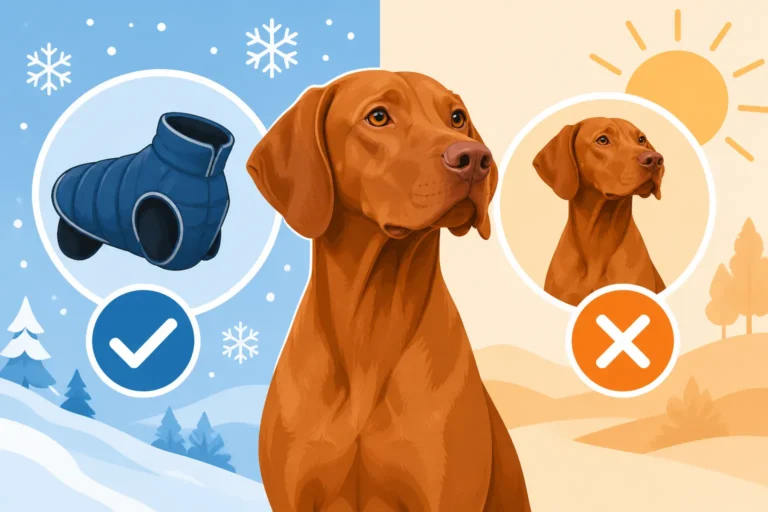
Unlike double-coated breeds like German Shepherds or Huskies, Vizslas have a short, dense, single coat. While this means less shedding and easier grooming, it also means they lack an insulating undercoat that can both keep them warm in winter and help regulate body temperature in summer. Their sleek coat absorbs sunlight rather than reflecting it, and without that airy underlayer, heat can build up quickly against their skin. The Single Coat a Vizsla Has and Why It Changes Everything delves into this further, highlighting why understanding their coat is key to their care. This isn't just about feeling the sun's direct rays; it's about how efficiently their body can dissipate the heat it generates from exercise.
How Dogs Cool Themselves Down
Dogs don't sweat like humans do across their whole body. Their primary method of cooling is panting, which allows for evaporative cooling from their mouth and respiratory tract. They also have sweat glands in their paw pads, but these play a minor role. When a Vizsla is working hard, their core body temperature rises, and panting tries to compensate. However, if the environmental heat and humidity are too high, or if they're exercising too intensely, panting alone won't be enough to bring their temperature down. Their respiratory system can become overwhelmed, leading to a dangerous spiral where they get hotter, not cooler.
Early and Subtle Signs of Overheating
Catching overheating early is paramount. Vizslas are stoic and tough, often masking discomfort until it's a significant issue. As their owner, you're their first line of defense. Pay close attention to these initial clues that your Vizsla is getting too hot.
Changes in Panting Patterns
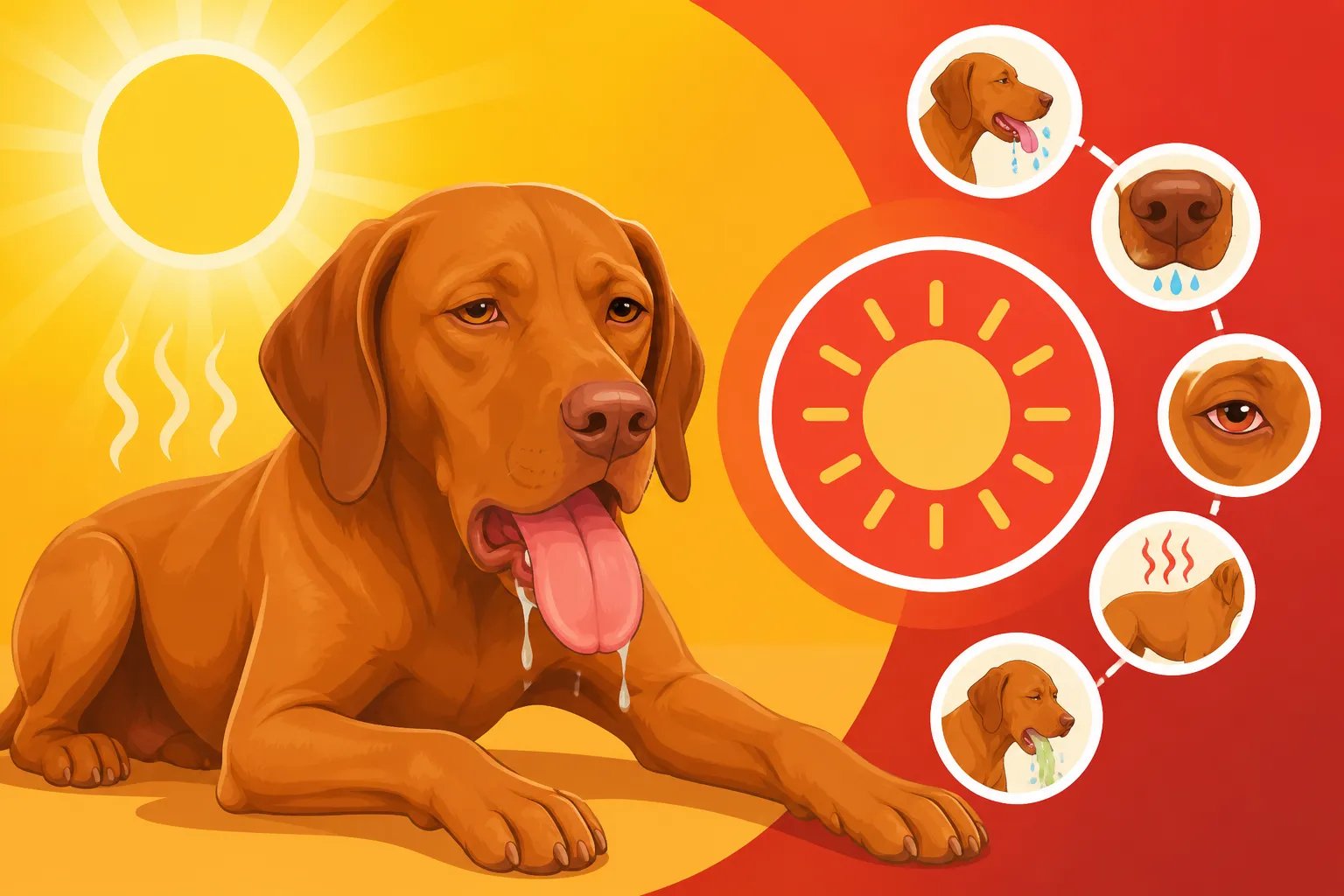
Normal panting after a vigorous run is usually quick, rhythmic, and not excessively deep. It's their body doing its job. However, if you notice the panting becoming much heavier, more rapid, or suddenly sounding hoarse, that's a red flag. It might sound like they're struggling to get enough air, or the effort required for each breath seems exaggerated. They might even start making a "snoring" or gasping noise that isn't typical for them. This intense panting indicates their body is working overtime to cool down, and it's reaching its limit.
Seeking Shade or Lying Down More Frequently
A Vizsla's default mode is usually "go, go, go." If you're out on a hike or in the park, and your normally tireless Vizsla starts actively seeking out every patch of shade, lying down more often than usual, or simply not engaging with toys or other dogs as readily, pay attention. This isn't just them being a bit tired; it’s a deliberate effort to get off the hot ground and out of direct sunlight. They might try to dig at the ground, instinctively trying to find cooler earth, or repeatedly dunk their face in water, far beyond just taking a drink. This change in behavior is a clear indicator that they feel uncomfortable and are trying to self-regulate their temperature.
Reduced Enthusiasm and Energy Levels
We all know the Vizsla bounce – that seemingly endless well of energy. If your Vizsla is normally zooming around like a rocket, but suddenly seems subdued, less interested in playing fetch, or lags behind on a walk, it could be an early sign of overheating. They might look generally "flat" or their usual sparkle is missing from their eyes. They might be less responsive to commands or seem generally disoriented. This isn't just a matter of them having less fun; it's their body telling you it's struggling to maintain normal function. Trust your gut feeling when your dog’s typical zest for life seems diminished. You know your dog best, and What a Vizsla Needs Every Day includes monitoring their energy for changes.
Dry or Pale Gums
One of the quickest ways to check your dog's hydration and circulation is to look at their gums. Healthy gums are typically moist and a vibrant pink color. If your Vizsla's gums start to look dry, sticky, or become noticeably paler than normal, it's a sign of dehydration and potential circulatory issues that often accompany overheating. Press your finger gently on their gum line; the color should return almost instantly (capillary refill time). If it takes longer than two seconds, or the color remains pale, it’s a serious warning sign. This is a clear physical symptom that their body is in distress, even if they aren't showing dramatic behavioral changes yet.
Moderate to Severe Signs of Heatstroke
When the early warning signs are missed or ignored, a Vizsla can quickly progress to dangerous levels of heatstroke. These signs require immediate action and veterinary attention. Do not delay.
Excessive Drooling and Thick Saliva
While some drooling can be normal for a dog, especially after exercise or when excited, excessive, stringy, or thick saliva is a concerning symptom of heatstroke. Their body is trying desperately to cool itself through evaporation from their mouth, but as they become dehydrated, the saliva can become thick and ropey, making it harder for them to breathe and cool down effectively. You might see foamy drool around their mouth, or they might seem to be choking on their own saliva. This isn't just messy; it's a sign of their body losing control over temperature regulation and struggling with hydration.
Vomiting or Diarrhea
As a Vizsla's internal temperature rises to dangerous levels, their body starts to shut down non-essential functions and can react with gastrointestinal distress. Vomiting, with or without food, or bouts of diarrhea are common and severe signs of heatstroke. This is often the body's way of purging toxins or reacting to organ damage that can occur when overheated. It also exacerbates dehydration, creating a vicious cycle that further compromises their health. Seeing your Vizsla vomit or have diarrhea after potential heat exposure means it's time to get to the vet immediately.
Dizziness, Wobbliness, or Collapse
This is one of the most alarming and unmistakable signs that your Vizsla is in crisis. As their brain and nervous system are affected by the extreme heat, they can become disoriented, stumble, or even collapse. You might notice them walking as if they're drunk, swaying from side to side, or unable to coordinate their movements. Their legs might give out, or they might struggle to stand up after lying down. In severe cases, they may become unresponsive or have seizures. This indicates their core body temperature has reached critical levels, leading to neurological dysfunction.
Bright Red or Bluish Gums and Tongue
While pale gums are an early sign, gums that turn very bright red or, conversely, a bluish-purple tint are signs of severe heatstroke. Bright red gums indicate excessive blood flow due to overheating, while blue or purple gums (cyanosis) signify a lack of oxygen, which is a terrifying and life-threatening symptom. The tongue can also reflect these changes. This is a critical indicator of severe circulatory distress and potential organ failure, requiring immediate emergency veterinary care. There's no time to wait and see if they'll improve.
Increased Heart Rate and Labored Breathing
While a high heart rate is normal after exercise, in heatstroke, it will remain elevated even after resting, and can become irregular. Coupled with this, their breathing will become extremely labored, shallow, and difficult, often accompanied by open-mouthed breathing and flaring nostrils. They may pant in a short, choppy manner, almost like hyperventilating. You might even hear wheezing or crackling sounds in their breath. This isn't just about trying to cool down; it's a sign that their respiratory and cardiovascular systems are struggling to cope and could fail.
What to Do if Your Vizsla is Overheating
Recognizing the signs is step one; knowing what to do next is equally vital. Swift, calm action can save your Vizsla's life. Always remember that even if you manage to cool them down, a vet check-up is crucial to assess for internal damage.
Immediate Cooling Methods
The moment you suspect overheating, you need to begin cooling your Vizsla down carefully. Move them to a cooler, shaded area immediately. Offer them small amounts of cool, not ice-cold, water to drink if they are conscious and able to swallow. Never force water into an unresponsive dog.
Start by wetting them down with cool water. Focus on areas with good blood flow, like their belly, armpits, and groin. You can use a hose on a gentle setting, wet towels, or even just pour water over them. Crucially, avoid using ice-cold water or ice packs, as this can cause blood vessels to constrict, trapping heat inside, and can lead to shock. Similarly, don't just dump a bucket of water over their head; you want to cool their core body temperature gradually. Cooling vests or mats, which you can find on sites like Chewy or Amazon, can be helpful preventative tools, but for active overheating, direct application of water is fastest.
When to Contact Your Veterinarian
If your Vizsla is showing any of the moderate to severe signs of heatstroke – vomiting, diarrhea, wobbliness, collapse, or gums that are pale, bright red, or bluish – you need to contact your veterinarian immediately. Even if they seem to recover with your cooling efforts, internal organ damage can be silent and insidious. A vet will check their core temperature, monitor vital signs, and assess for any kidney, liver, or neurological damage. Don't second-guess yourself; it's always better to be safe than sorry when it comes to heatstroke. Be ready to tell your vet exactly what happened, what symptoms you observed, and what cooling steps you've taken.
Preventing Future Episodes
Prevention is always better than treatment. Understanding Whether a Vizsla Handles a Hot Summer is key. Never leave your Vizsla in a parked car, even on a mild day, as temperatures can rise incredibly fast. During hot weather, restrict exercise to the coolest parts of the day – early morning and late evening. Carry water with you on walks and offer frequent breaks. Consider using cooling vests or bandanas soaked in cool water. For working dogs, plan your sessions carefully, build in plenty of rest, and ensure access to shade and water at all times.
You might also consider adding electrolytes to their water on particularly strenuous days, or look into high-quality performance foods from brands like Ollie that can support their overall health and hydration. Be mindful of paved surfaces, which can become incredibly hot and burn paw pads while radiating heat back up to your dog. Always touch the pavement with your hand; if it's too hot for you to hold your hand there for five seconds, it's too hot for your Vizsla's paws. Whether a Vizsla Overheats Working in Heat provides more specific advice for active scenarios.
Important Considerations for Vizsla Owners
Living with a Vizsla means embracing their energy and drive, but also understanding their vulnerabilities. Being proactive and educated is the best way to ensure their safety and well-being, especially when temperatures climb.
Acclimation and Environmental Factors
A Vizsla used to living in a cooler climate and suddenly exposed to a heatwave or transported to a warmer region will be at higher risk of overheating. Their body simply hasn't had the chance to adjust. Even humidity plays a massive role. High humidity makes it much harder for dogs to cool themselves through panting, as the air is already saturated with moisture, hindering evaporation.
Consider not just the air temperature, but the "feels like" temperature, which takes humidity into account. On a still, humid day, even a seemingly moderate temperature can be dangerous. Think about your local environment: Is there ample shade? Is there a breeze? Are there water sources? All these factors combine to create the true risk level for your Vizsla. If you’re ever unsure, err on the side of caution and keep activities low-key.
Age and Health Factors
While young, active Vizslas are often the ones pushing themselves too hard, older Vizslas or those with underlying health conditions can also be at increased risk. An older Vizsla, for example, might have a less efficient cardiovascular system, or be on medications that affect their ability to regulate temperature. The Old Vizsla That Still Wants to Hunt highlights their enduring spirit, but also the need for extra care as they age.
Dogs with respiratory issues, such as collapsing trachea, laryngeal paralysis, or even severe allergies that affect breathing, will struggle significantly more in the heat. Overweight Vizslas (though rare for the breed, it can happen if their exercise needs aren't met) also carry an increased risk due to the insulating effect of extra fat. Always discuss heat safety with your vet if your Vizsla has any chronic health issues or is on long-term medication.
The Danger of Exaggerated Exercise
It's tempting to think that "more exercise is always better" for a Vizsla, given their energy levels. However, during hot weather, this mindset can be incredibly dangerous. Pushing your Vizsla to run for an hour in the midday sun, even if they seem willing, is a recipe for disaster. Their body simply cannot dissipate heat quickly enough under those conditions, especially if you're not factoring in humidity.
Instead of long, strenuous sessions, opt for shorter, more frequent bursts of activity during cooler hours. Focus on mental stimulation and scent work in the shade, which can be just as tiring without the same physical exertion. A good rule of thumb is that if you're feeling uncomfortably hot and sweaty, your Vizsla is likely feeling it even more.
Recognizing the Progression
It's helpful to visualize the progression of heat stress to understand the urgency of each stage.
| Stage of Heat Stress | Key Signs | Action Needed |
|---|---|---|
| Mild Heat Stress | Heavy panting, seeking shade, reduced enthusiasm, increased thirst, dry or slightly pale gums. | Move to shade, offer water, rest, light cooling (damp towels on neck/chest). Monitor closely. |
| Moderate Heat Exhaustion | Very heavy, labored panting; thick, ropey saliva; pale, sticky gums; slight wobbliness; lethargy; possible vomiting/diarrhea. | Immediate cooling efforts. Wet thoroughly with cool water (not cold), focus on core. Contact vet now. |
| Severe Heatstroke | Collapse, severe disorientation, seizures, bright red/blue gums, unresponsive, rapid/irregular pulse, uncontrolled vomiting/diarrhea. | Emergency vet care required. Continue cooling en route. This is life-threatening. |
Remember, this table is a guide, but any sign that gives you pause should be taken seriously. A Vizsla’s health is too important to risk. What Vizslas Are Most Often Treated For reminds us that vigilance prevents many common issues, and heatstroke is certainly one of them.
Disclaimer
This article is for general informational purposes only and does not constitute professional advice. Laws, prices and regulations vary by location and change over time. Consult a qualified professional for guidance on your specific situation.