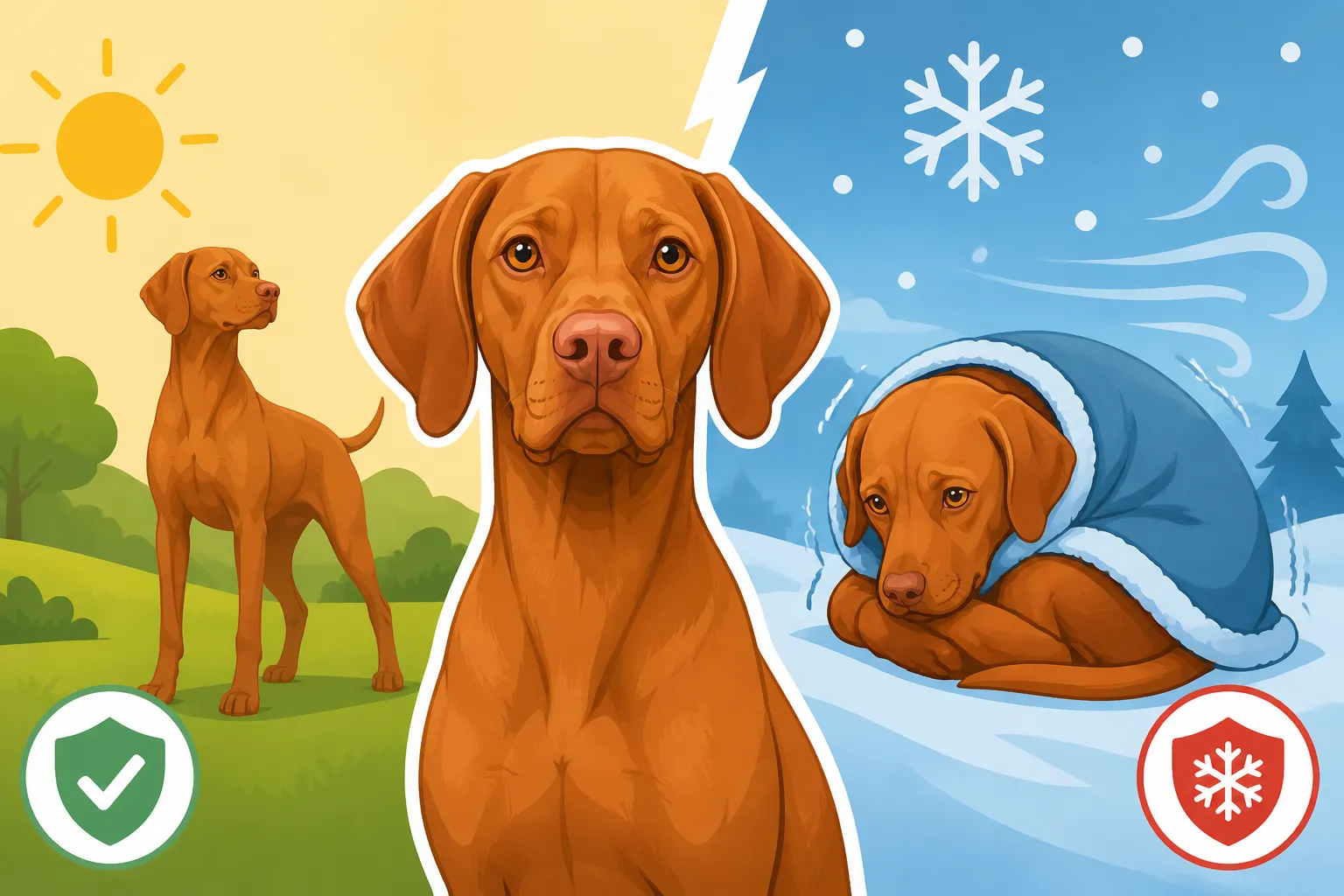
Whether a Vizsla Gets Hypothermia
It's heartbreaking to see your usually vibrant Vizsla shivering and lethargic, especially when they seem like such robust, high-energy dogs. Many of us Vizsla owners assume their boundless energy makes them impervious to the cold, but their unique physical characteristics actually make them quite susceptible to dangerously low body temperatures, a condition known as hypothermia. This guide will walk you through exactly why Vizslas are at risk, how to spot the warning signs, and crucial steps to take if your beloved companion gets too cold.
Why a Vizsla's Body Struggles with Cold
Vizslas are magnificent athletes, built for speed and endurance, but their streamlined form comes with a trade-off when the mercury drops. Unlike many other sporting breeds, the Vizsla lacks the natural insulation that protects them in harsh conditions. Understanding these inherent vulnerabilities is the first step in keeping your dog safe and warm, especially during cooler months or prolonged outdoor activities.
The Vizsla's Signature Single Coat
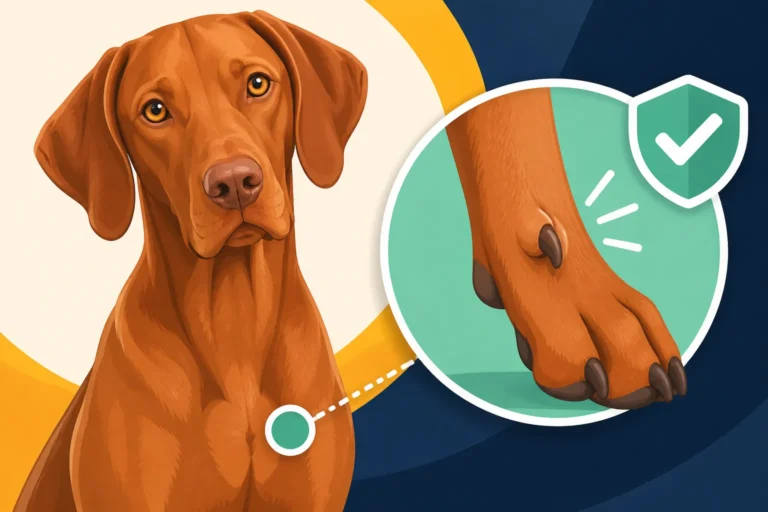
The most striking feature of a Vizsla's coat, beyond its stunning golden-rust color, is its remarkable thinness and lack of an undercoat. When you run your hand over their sleek fur, you can almost feel the warmth of their skin directly underneath. This single layer of short, fine hair offers very little protection against cold air, wind, or moisture. Breeds like Labradors or German Shorthaired Pointers have dense undercoats that trap air close to their bodies, acting like a natural down jacket. Our Vizslas simply don't have that biological advantage. The Single Coat a Vizsla Has and Why It Changes Everything explains this in more detail. Imagine stepping out in a t-shirt on a chilly, windy day, while everyone else is in a heavy sweater – that's often how our Vizslas experience the cold compared to their double-coated cousins. This means heat rapidly escapes their bodies, leaving them exposed much faster than you might expect, even if they're actively running.
Lean Build and High Energy
Vizslas are also notoriously lean, carrying very little subcutaneous fat. While this contributes to their athletic prowess and elegant appearance, it severely limits their natural insulation. Fat acts as an important thermal barrier, and without it, their core body temperature can drop quickly. You might think, "But my Vizsla is always moving! Surely that keeps them warm!" And it's true, their high metabolism generates a lot of heat when they're active. However, this also means they burn through calories at an incredible rate. If they're expending energy to stay warm and also to hunt or run, their internal fuel reserves can deplete faster. Once their energy output can't keep up with the heat loss, their body temperature starts to fall. This is particularly noticeable if they slow down, stop for a sniff, or are standing around waiting for you during a training session. Keeping Weight On a Working Vizsla touches on the delicate balance of their metabolism and energy needs.
Vulnerability in Wet Conditions
Add moisture to the equation, and a Vizsla's vulnerability to cold skyrockets. Water conducts heat away from the body much faster than air. If your Vizsla is working in damp fields, splashing through puddles, or, heaven forbid, taking an unexpected dip in a cold pond, their body temperature can plummet alarmingly quickly. Even a light drizzle combined with a biting wind can turn a moderately cool day into a dangerous situation for a Vizsla. Their single coat doesn't repel water efficiently, meaning it soaks through to their skin, accelerating heat loss significantly. Whether a Vizsla Handles Cold Water is a crucial read for anyone taking their Vizsla near water in cooler weather. It's why a quick swim in what seems like "not too cold" water can still lead to a shivering, miserable, and potentially hypothermic dog.
Recognizing the Signs of Hypothermia in Your Vizsla
Spotting hypothermia early is absolutely critical. Vizslas are stoic creatures, often masking discomfort, especially when they're focused on a task or just trying to be "good." As their owner, you are their first line of defense. Knowing what to look for, from subtle changes to more alarming symptoms, can mean the difference between a quick warm-up and a medical emergency. Pay close attention to these stages of hypothermia.
Mild Hypothermia: Shivering and Lethargy
The first and most common sign that your Vizsla is getting too cold is persistent shivering. This is the body's natural attempt to generate heat through muscle contractions. Don't dismiss shivering as just "being a little chilly"; for a Vizsla, it's a clear warning. You might also notice them becoming less enthusiastic, more lethargic than usual, or perhaps less responsive to commands. Their ears, paws, and tail might feel noticeably cold to the touch. They might tuck their tail tightly or hold their paws up. A Vizsla who usually bounces with joy to chase a ball might instead stand hunched or seek shelter against your legs. Whether a Vizsla Shivers Indoors is a good read if you're concerned about them feeling cold even inside your home. It's in this mild stage that you have the best chance to intervene quickly and effectively without needing emergency veterinary care. They might seem uncomfortable and just want to curl up in your lap or burrow under blankets.
Moderate Hypothermia: Muscle Stiffness and Slowed Breathing
As hypothermia progresses, the symptoms become more severe and concerning. The shivering might become more intense, or paradoxically, it might stop altogether as their body loses the ability to generate heat. Their movements will become stiff and uncoordinated, almost as if they're walking on stilts. You might observe a glassy-eyed stare, confusion, or even disorientation. Their breathing can become shallow and slow, and their heart rate might also slow down. Their gums and tongue might appear pale or even bluish, indicating poor circulation and oxygenation. This is where the situation becomes truly serious. If your Vizsla reaches this point, they are in immediate danger, and home remedies alone are likely insufficient. A Vizsla who normally has keen focus on birds might be unable to track, stumbling or appearing "off."
Severe Hypothermia: Collapse and Unresponsiveness
At the most critical stage of severe hypothermia, your Vizsla will be unresponsive, possibly collapsing entirely. Their pupils may be dilated and fixed, their breathing barely perceptible, and their heart rate extremely slow and weak. Their body will feel icy cold to the touch, and they may seem comatose. This is an absolute life-threatening emergency. If your Vizsla ever reaches this stage, every second counts. They need immediate veterinary intervention to stand a chance of recovery. Never wait to see if they "perk up" at this point; call ahead to your nearest emergency vet and transport your dog carefully while attempting to provide gentle warmth.
Here’s a quick overview of the stages:
| Symptom / Stage | Mild Hypothermia | Moderate Hypothermia | Severe Hypothermia |
|---|---|---|---|
| Body Temperature | Slightly below normal (99-101°F) | Significantly below normal (90-98°F) | Dangerously low (below 90°F) |
| Shivering | Persistent and noticeable, sometimes violent | May be severe or absent (body gives up trying) | Absent |
| Activity Level | Lethargic, reluctant to move, seeks warmth | Stiff, uncoordinated, disoriented, stumbling | Collapsed, unconscious, comatose |
| Mental State | Uncomfortable, less engaged | Confused, unresponsive to commands | Unresponsive, dilated pupils |
| Physical Signs | Cold ears, paws, tail; hunched posture | Pale/bluish gums/tongue; shallow, slow breathing; slow heart rate | Icy cold body; weak or absent pulse; no visible breathing |
Immediate Actions When Your Vizsla Is Too Cold
If you suspect your Vizsla is suffering from hypothermia, acting quickly and correctly is paramount. Your immediate goal is to safely raise their body temperature and get them professional help if needed. Panic won't help, but swift, decisive action will.
Getting Your Vizsla Warm Safely
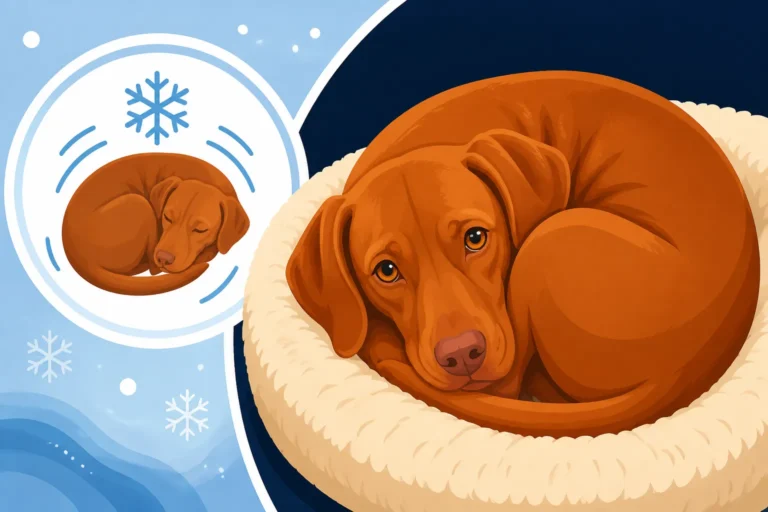
The very first thing to do is remove your Vizsla from the cold environment. Get them indoors, into a warm car, or find shelter from wind and wet. Once out of the cold, wrap them in dry towels or blankets. If you have them, you can use warm (not hot!) water bottles wrapped in towels and placed against their body, particularly in their armpits and groin area, where major blood vessels are close to the surface. You can also use your own body heat by holding them close. If they are able to swallow, offer a small amount of warm (not hot) chicken broth or water to help warm them from the inside. Do not force them to drink if they are unresponsive or heavily lethargic, as this could lead to aspiration. For dogs that are just a little cold and shivering, a cozy Whether a Vizsla Burrows Under Blankets for Warmth might be all they need, along with a warm bed.
Seeking Veterinary Attention
For anything beyond very mild shivering and quick recovery, immediate veterinary attention is crucial. If your Vizsla is showing signs of moderate or severe hypothermia – extreme lethargy, muscle stiffness, slow breathing, pale gums, disorientation, or collapse – call your veterinarian or an emergency animal hospital while you are still warming your dog. Describe their symptoms and let them know you're on your way. They can prepare for your arrival and provide the specialized care needed, which might include intravenous fluids, warmed air blankets, or even internal warming techniques. Don't assume they'll just "snap out of it." It's far better to err on the side of caution when your dog's life is potentially at stake.
Avoid Rapid Warming
While the urge to warm your Vizsla quickly is natural, it's incredibly important to avoid rapid rewarming methods. Do not use very hot water, electric heating pads on high, or hair dryers directly on their skin. Rapid rewarming can cause peripheral vasodilation, where blood vessels near the surface open too quickly. This can lead to a sudden drop in blood pressure and potentially push colder, acidic blood from the extremities back to the core, causing a condition called "afterdrop" where the core body temperature initially drops further, or even leading to heart arrhythmias. Gradual, gentle warming is key. The goal is to bring their temperature back up slowly and steadily, giving their body time to adjust. Think of it like bringing them back from the brink of a deep chill, not trying to bake them warm.
Prevention is Key: Keeping Your Vizsla Warm and Safe
The best cure for hypothermia is prevention. Understanding your Vizsla's unique needs and adapting your routine and gear to suit them can save you a world of worry and keep your companion healthy and happy, even when the weather isn't perfectly golden. The Cold a Vizsla Genuinely Cannot Handle is a great resource to understand the specific temperature thresholds your Vizsla might struggle with.
Appropriate Outdoor Gear for Vizslas
Because of their thin coats and lean bodies, Vizslas often require external help to stay warm outdoors. A good quality, insulated dog coat or jacket is not a fashion statement for a Vizsla; it's a necessity in cold or wet weather. Look for coats that cover their chest and belly, as these areas are particularly vulnerable to cold. Consider waterproof options if you're out in rain or snow. For prolonged exposure, or if your Vizsla is sensitive to cold, you might even consider Whether a Vizsla Needs Two Coats for Wet Cold. Boots can also protect their paws from snow, ice, and road salt, which can be irritating or cause further heat loss. You can find a vast selection of dog coats, boots, and other warming accessories on sites like Chewy or Amazon, making it easy to gear up your Vizsla for any chilly adventure. The Temperature a Vizsla Needs a Coat At provides excellent guidance on when to break out the warm layers.
Monitoring Outdoor Time and Activity
Even with a coat, a Vizsla's time in cold weather should be carefully monitored. Be realistic about how long your dog can comfortably stay out. A brisk, hour-long walk might be fine, but standing around at a field trial for hours in freezing temperatures is a different story. If you're hunting or training, take frequent breaks to allow your Vizsla to warm up in a heated vehicle or with extra blankets. Pay attention to their body language: are they shivering excessively, hunching, or trying to climb into your lap? These are clear signals they're getting too cold. Shorten outdoor sessions on particularly frigid or wet days. Remember, just because they want to keep going doesn't mean they should.
Shelter and Warmth Indoors
Even inside your home, a Vizsla can feel the chill, especially if they're not actively moving. Providing warm, draft-free resting spots is essential. A soft, plush dog bed, possibly one that's slightly elevated off a cold floor, can make a huge difference. Many Vizslas adore burrowing under blankets, so ensure they have access to cozy throws. For older Vizslas, or those with certain health conditions, a heated dog bed can be a real luxury and a smart investment. You can find excellent options for orthopedic or heated beds on Amazon or Chewy. Your Vizsla relies on you to ensure their comfort and well-being, both outdoors and in. After a cold outing, make sure they get thoroughly dried off, especially if they're wet. And remember, Why a Vizsla Needs Somewhere Warm to Sleep isn't just about comfort; it's about their core health. Some owners even consider higher-calorie dog foods, like those offered by Ollie, especially for active dogs in colder climates, to help them maintain their internal furnace more effectively.
Disclaimer
This article is for general informational purposes only and does not constitute professional advice. Laws, prices and regulations vary by location and change over time. Consult a qualified professional for guidance on your specific situation.