Whether Road Salt Hurts a Vizsla’s Pads
Winter walks with your beloved Vizsla can be a truly joyful experience, watching them bound through the snow with unbridled energy. But as the temperatures drop and municipal crews start treating roads and sidewalks, a common worry creeps in for many Vizsla owners: is all that road salt actually hurting their dog's delicate paws? It's a valid concern, and one that every Vizsla parent needs to understand. This guide will walk you through the specific risks road salt poses to your Vizsla's pads and, more importantly, equip you with practical, realistic strategies to protect their precious feet all winter long.
Understanding Your Vizsla's Sensitive Paws
Vizslas are magnificent, athletic dogs, built for speed, agility, and a boundless enthusiasm for the outdoors. Their physical traits, however, also mean they have some specific vulnerabilities, especially when it comes to their paws. Unlike some other breeds, a Vizsla's pads aren't as rugged or thickly insulated, making them particularly susceptible to harsh winter conditions and the corrosive effects of road salt.
The Vizsla's Unique Pad Anatomy
When you look at a Vizsla's paw, you see a finely tuned instrument designed for covering ground quickly and silently. Their pads are firm but often not as thick or calloused as those of a heavier, more sedate breed. This is part of what makes them so agile and light-footed, but it also means they have less natural protection against extreme elements. Their skin, in general, is quite thin and sensitive, a characteristic we often discuss when talking about The Thin Skin a Vizsla Takes Into the Field. This inherent sensitivity extends directly to the paw pads, which lack the dense fur or thick keratin layers that some northern breeds might have to shield them.
Imagine yourself walking barefoot on a very cold, abrasive surface; that’s a bit like what your Vizsla might experience, even with their natural padding. These active dogs spend a lot of time on their feet, whether it's on a brisk walk around the block or a full-blown hunting expedition. This constant impact, coupled with the unique texture of their pads, means any abrasive or chemical irritant can quickly lead to discomfort and injury. Their pads are essential for grip, shock absorption, and sensory input, so keeping them healthy is paramount to their overall well-being and ability to enjoy their active lifestyle.
Why Winter Conditions Are a Challenge
Winter itself presents a myriad of challenges for your Vizsla's paws, even before we introduce road salt into the equation. The sheer cold can be painful, leading to symptoms akin to frostnip or even frostbite on exposed skin and pads if temperatures are extreme or exposure is prolonged. Ice is another major culprit, with sharp edges that can cause cuts and abrasions. Even seemingly harmless snow can be problematic; it often melts and refreezes into hard, icy balls that accumulate between their toes, pulling at the fur and causing intense discomfort or even lameness.
But it's not just the cold and ice that make winter walks tricky. The sudden changes in temperature, from freezing outdoor surfaces to warm indoor floors, can also stress the paw pads, contributing to dryness and cracking. Furthermore, the ground itself often becomes harder and more unforgiving in winter, increasing the impact on their joints and the wear and tear on their paw pads. When you layer the harshness of road salt on top of these existing challenges, it creates a perfect storm for potential paw damage, turning what should be an enjoyable outing into a painful ordeal for your sensitive Vizsla.
The Direct Impact of Road Salt on Vizsla Paws
Road salt isn't just one thing; it's a mix of different chemical compounds, all designed to lower the freezing point of water and melt ice. While effective for human safety on roads and sidewalks, these chemicals are far from benign for your Vizsla's paws. Their corrosive nature and dehydrating properties can cause significant pain and damage.
Chemical Burns and Irritation
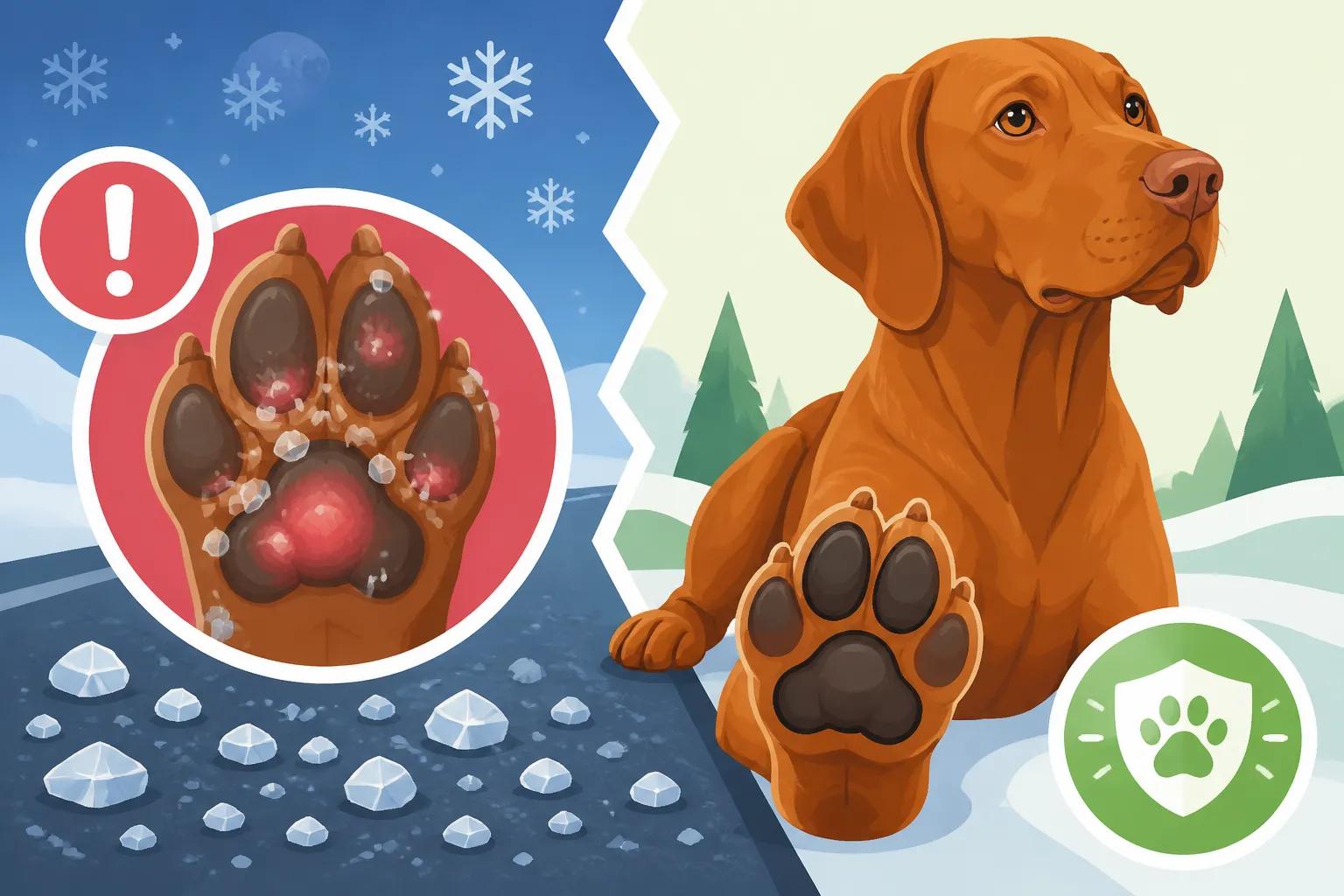
The most immediate and concerning effect of road salt on your Vizsla's paws is the potential for chemical burns and irritation. Common de-icing agents like sodium chloride (table salt), magnesium chloride, and calcium chloride are all highly alkaline or acidic, and they work by drawing moisture from their surroundings. When these chemicals come into direct contact with the delicate skin of your Vizsla's paw pads, they start to draw moisture right out of the cells, essentially causing a chemical burn.
You'll notice this almost immediately if your Vizsla starts lifting their paws, limping, or acting distressed on a walk. Their pads might appear red, inflamed, or even swollen. In more severe cases, prolonged exposure can lead to blistering, ulcerations, or deep cracks that are incredibly painful. It’s a vicious cycle: the salt causes initial irritation, leading to a breakdown of the protective skin barrier, which then makes them even more vulnerable to further chemical damage. Vizslas are known for their strong drive and desire to please, so they might try to push through the discomfort, but the pain is real and can be quite intense.
Drying and Cracking
Beyond the immediate chemical burn, road salt is a powerful dehydrator. As it works to melt ice, it also relentlessly pulls moisture from your Vizsla’s paw pads. This effect is cumulative. Regular exposure to salted surfaces, even without severe immediate reactions, will strip the natural oils and moisture from the pads. Over time, this leads to extreme dryness, making the pads stiff, brittle, and prone to cracking.
Think of it like chapped lips in winter, but for their feet. These cracks can range from superficial lines to deep fissures that bleed and become incredibly painful with every step. Once a pad is cracked, it becomes an open door for bacteria, significantly increasing the risk of secondary infections. The constant cycle of drying, cracking, and potential infection can make every walk a misery, and healing takes time and consistent care. Protecting against this long-term damage is just as crucial as preventing acute burns.
Ingestion Risks and Secondary Problems
The danger of road salt isn't confined to direct contact with the paws. Vizslas, like most dogs, have a natural instinct to lick their paws, especially after a walk or if they are experiencing discomfort. This means that any salt residue clinging to their pads or between their toes is likely to be ingested. Ingesting road salt can lead to a host of secondary problems, ranging from mild gastrointestinal upset to more serious issues.
Symptoms of salt ingestion can include excessive drooling, vomiting, diarrhea, lethargy, and a general lack of appetite. In very severe cases, ingesting large amounts of certain de-icing chemicals could potentially lead to sodium ion poisoning, which can cause neurological symptoms like tremors, seizures, and even coma, although this is rarer with typical street salt exposure. This ingestion risk makes a thorough post-walk cleaning routine absolutely essential, not just for paw health, but for your Vizsla's systemic health. It’s also worth noting that once the pads are cracked and raw, they are much more susceptible to bacterial and fungal infections, prolonging recovery and requiring veterinary intervention.
Practical Strategies to Protect Your Vizsla's Paws
Knowing the risks is the first step; taking action is the second. Protecting your Vizsla's paws during winter, especially from road salt, requires a multi-faceted approach. It's about combining immediate care with preventative measures and choosing your routes wisely.
Post-Walk Cleaning Routine
This is arguably the most critical step you can take. As soon as you step back inside after a winter walk, make it a non-negotiable routine to clean your Vizsla’s paws. The goal is to remove all traces of salt, ice melt, and any other irritants before they can cause harm or be ingested.
Here’s a simple, effective routine:
- Gather Supplies: Have a small basin or bucket of lukewarm water, a soft washcloth or sponge, and a clean towel ready by the door. Some owners find specialized paw washers, available at stores like Chewy or Amazon, to be incredibly convenient and effective for getting between toes.
- Rinse Thoroughly: Dip each paw into the lukewarm water, swishing gently to loosen any salt or debris. Use the washcloth to carefully wipe between the pads and toes, ensuring no chemical residue remains. Avoid hot water, as it can further irritate sensitive skin.
- Gentle Cleansing (if needed): For particularly dirty or heavily salted paws, a mild, dog-specific shampoo can be used, but always ensure it’s thoroughly rinsed off. Most of the time, plain water is sufficient.
- Dry Completely: Pat each paw dry with a clean towel. Pay special attention to the areas between the toes, as lingering moisture can lead to skin irritation or fungal issues. This is also a great opportunity to give their paws a quick inspection, as covered in Checking a Vizsla Over After a Hunt.
Making this a consistent habit will significantly reduce the risk of chemical burns, dryness, and ingestion.
Protective Barriers and Footwear
Creating a physical barrier between your Vizsla's pads and the harsh winter ground is an excellent preventative strategy. You have a couple of main options here: paw balms/waxes and dog boots.
-
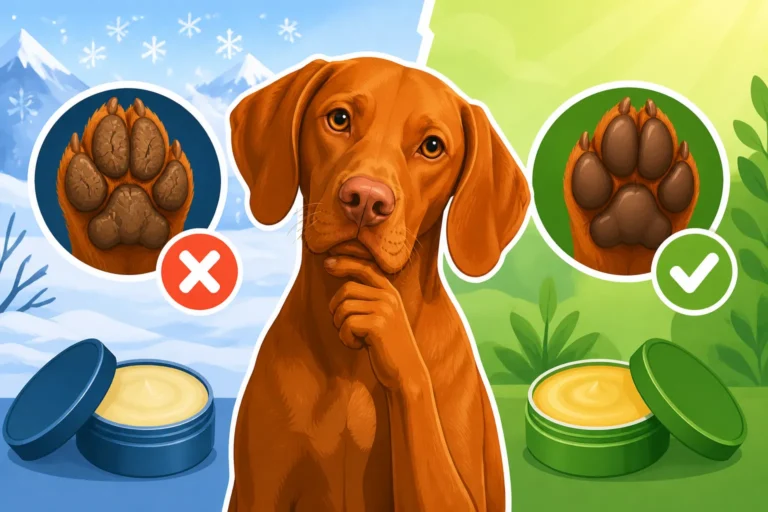
Paw Balms and Waxes: Products like Musher's Secret or various paw waxes available on Chewy and Amazon create a protective, breathable barrier on the pads. These balms help moisturize the pads, prevent cracking, and provide a shield against salt, ice, and cold. Apply a generous layer to all pads and between the toes before each walk. The wax helps repel water and salt, and also provides a layer of conditioning. It's an easy and generally well-tolerated method, especially if your Vizsla isn't keen on wearing boots. Regular use, even year-round, can help build resilience, as discussed in Whether a Vizsla Needs Paw Wax.
-
Dog Boots: For the ultimate protection, especially in areas with heavy salting or very harsh conditions, dog boots are the way to go. However, Vizslas can be notoriously particular about footwear! It's crucial to introduce them slowly and positively.
- Introduction: Start by letting your Vizsla wear them indoors for short periods, associating them with treats and praise.
- Fit: Ensure they fit properly – not too tight, not too loose. A poorly fitting boot can rub and cause blisters or fall off. Look for boots designed for winter conditions, often waterproof and with good traction.
- Types: There's a wide range, from simple disposable rubber booties to more robust, fabric-and-velcro options. Experiment to find what your Vizsla tolerates best. While they might do an initial "moonwalk" or "high-step," most dogs adjust fairly quickly, especially if the alternative is painful paws. This ties into the discussion around Whether a Vizsla Needs Boots in Winter.
Route Planning and Prevention
Sometimes, the best protection is avoidance. Being mindful of where you walk your Vizsla can drastically reduce their exposure to harmful road salt.
- Choose Your Path Wisely: Avoid heavily salted sidewalks and roads whenever possible. Opt for routes that are natural paths, grassy verges, or parks where salting is less common or non-existent. Many communities have specific policies for salting public park paths, so it's worth checking.
- Snow-Covered Areas: Walking on fresh, clean snow can be a better option than salted pavement, as long as the snow isn't concealing ice or other hazards. Just be aware of snow packing between toes, which you'll need to clean off after.
- Shorter Walks in Extreme Conditions: On days when conditions are particularly bad – heavy salting, extremely low temperatures, or icy patches – consider shorter, more frequent walks or limiting outdoor time to a quick potty break. You can always compensate for their exercise needs with indoor games or training sessions.
- Know Your Area: Pay attention to which areas are regularly salted by your local council or by private businesses. If there's a particular stretch of pavement that's always covered in salt, try to find an alternative route.
By combining these strategies, you can create a safe winter environment for your Vizsla, allowing them to enjoy the season without suffering from painful paw injuries.
| Protection Method | Benefits | Drawbacks | Best For |
|---|---|---|---|
| Post-Walk Cleaning | Essential for removing salt; prevents ingestion | Requires consistency; can be messy | All winter walks, regardless of other protection |
| Paw Balms/Waxes | Moisturizes; creates a barrier; easy to apply | Needs frequent reapplication; not 100% protective | Mild conditions, light salting, year-round conditioning |
| Dog Boots | Maximum physical barrier; protects from cuts | Can be hard to fit; some dogs resist; may fall off | Heavy salting, extreme cold, icy terrain, cuts |
| Route Planning | Prevents exposure entirely; cost-free | Limits walking options; not always possible | Avoiding known heavily salted areas |
Long-Term Paw Health and Maintenance
Protecting your Vizsla's paws isn't just a winter-specific task; it's an ongoing commitment that contributes to their overall health and happiness. A proactive approach to paw care can build resilience, prevent minor issues from becoming major problems, and ensure your active companion can always put their best foot forward.
Regular Paw Inspections
Making routine paw inspections a part of your regular grooming or post-activity checks is invaluable. Vizslas are incredibly stoic, and sometimes they'll hide discomfort until an issue becomes significant. By being proactive, you can spot problems early, when they're much easier to manage.
Here’s what to look for during your inspections:
- Redness or Swelling: These are tell-tale signs of irritation, inflammation, or infection. Check especially between the toes and around the nail beds.
- Cuts, Abrasions, or Puncture Wounds: Even a small cut can become infected, especially if exposed to dirt or chemicals.
- Cracks or Dryness: Feel the pads; they should be supple, not hard and brittle. Cracks are often the result of dehydration, frequently exacerbated by salt.
- Tenderness or Licking: If your Vizsla pulls away when you touch a certain area, or is excessively licking a paw, investigate further.
- Foreign Objects: Always check for debris embedded in the pads or between the toes, like small stones, thorns, or even grass seeds during other seasons, as discussed in Whether a Vizsla Picks Up Grass Seeds.
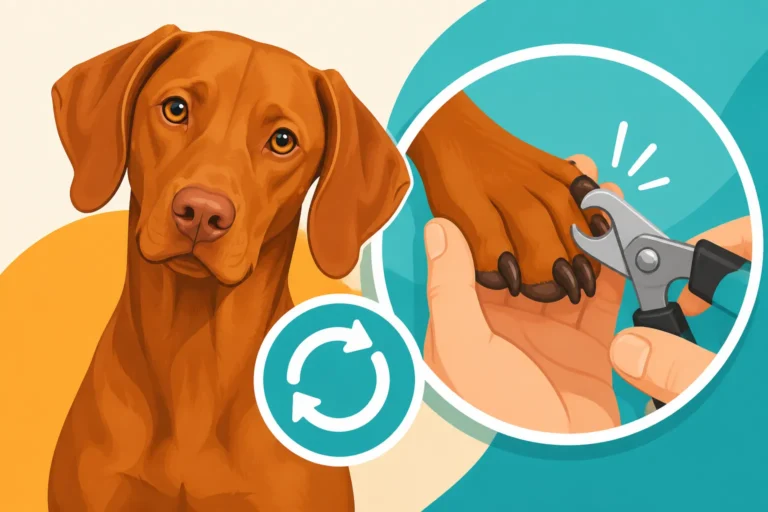
- Nail Length: Overly long nails can affect gait and put pressure on the paw structure. While not directly related to salt, it's a good time to check them.
These quick checks, perhaps while they're relaxing after a walk or during cuddle time, can make a huge difference in catching issues before they escalate.
Conditioning and Hydration
Just like human hands need moisturizer in winter, your Vizsla's paw pads benefit from year-round conditioning and hydration. Healthy, supple pads are more resistant to cracking, extreme temperatures, and chemical irritants.
- Consistent Balm Use: Don't limit paw balm application to just winter walks. Using a good quality, dog-safe paw balm regularly, perhaps once or twice a week, can keep pads moisturized and resilient throughout the year. This preventative measure strengthens the natural barrier of their skin. Products found on Chewy or Amazon often contain ingredients like shea butter, coconut oil, or beeswax, which are excellent for conditioning.
- Dietary Support: A balanced, high-quality diet plays a crucial role in overall skin and coat health, which extends to the paw pads. Ensure your Vizsla is getting adequate essential fatty acids, such as Omega-3s. These can be found in certain kibbles or supplemented with fish oil, as mentioned in Whether a Vizsla Needs Fish Oil. Healthy fats contribute to skin elasticity and a strong moisture barrier.
- Hydration: Ensure your Vizsla always has access to fresh water. While not directly applied to the paws, systemic hydration is vital for skin health from the inside out.
By integrating these practices into your Vizsla’s care routine, you’re not just treating symptoms; you're actively promoting robust paw health that can better withstand environmental stresses, whether it’s road salt in winter or rough terrain during hunting season.
When to Seek Veterinary Care
While most minor paw irritations can be managed at home with proper cleaning and care, there are times when a paw issue warrants professional veterinary attention. Knowing when to call the vet can prevent prolonged suffering and more serious complications for your Vizsla.
Consult your veterinarian if you observe any of the following:
- Severe Lameness: If your Vizsla is consistently refusing to put weight on a paw, or shows significant limping that doesn't resolve within a day.
- Deep Cracks or Bleeding: Any open wound on the paw pad, especially if it's bleeding, should be checked to prevent infection and ensure proper healing.
- Signs of Infection: This includes pus, excessive redness, swelling, warmth to the touch, or a foul odor coming from the paw.
- Persistent Licking or Chewing: If your Vizsla can’t stop licking or chewing at their paws, it indicates significant discomfort or irritation that home remedies aren't addressing.
- Blistering or Ulcerations: These are signs of more severe chemical burns or injury and require prompt medical assessment.
- Systemic Symptoms: If your Vizsla ingested salt and is showing signs like persistent vomiting, diarrhea, tremors, or unusual lethargy, seek emergency veterinary care immediately.
Your vet can properly diagnose the issue, prescribe appropriate medications (such as antibiotics for infection or pain relief), and recommend specific wound care to get your Vizsla back on their feet comfortably. Don't hesitate to reach out to them; they are your best resource for maintaining your Vizsla's health, including their incredibly important paws.
Disclaimer
This article is for general informational purposes only and does not constitute professional advice. Laws, prices and regulations vary by location and change over time. Consult a qualified professional for guidance on your specific situation.