Whether a Vizsla Should Be Toweled Dry
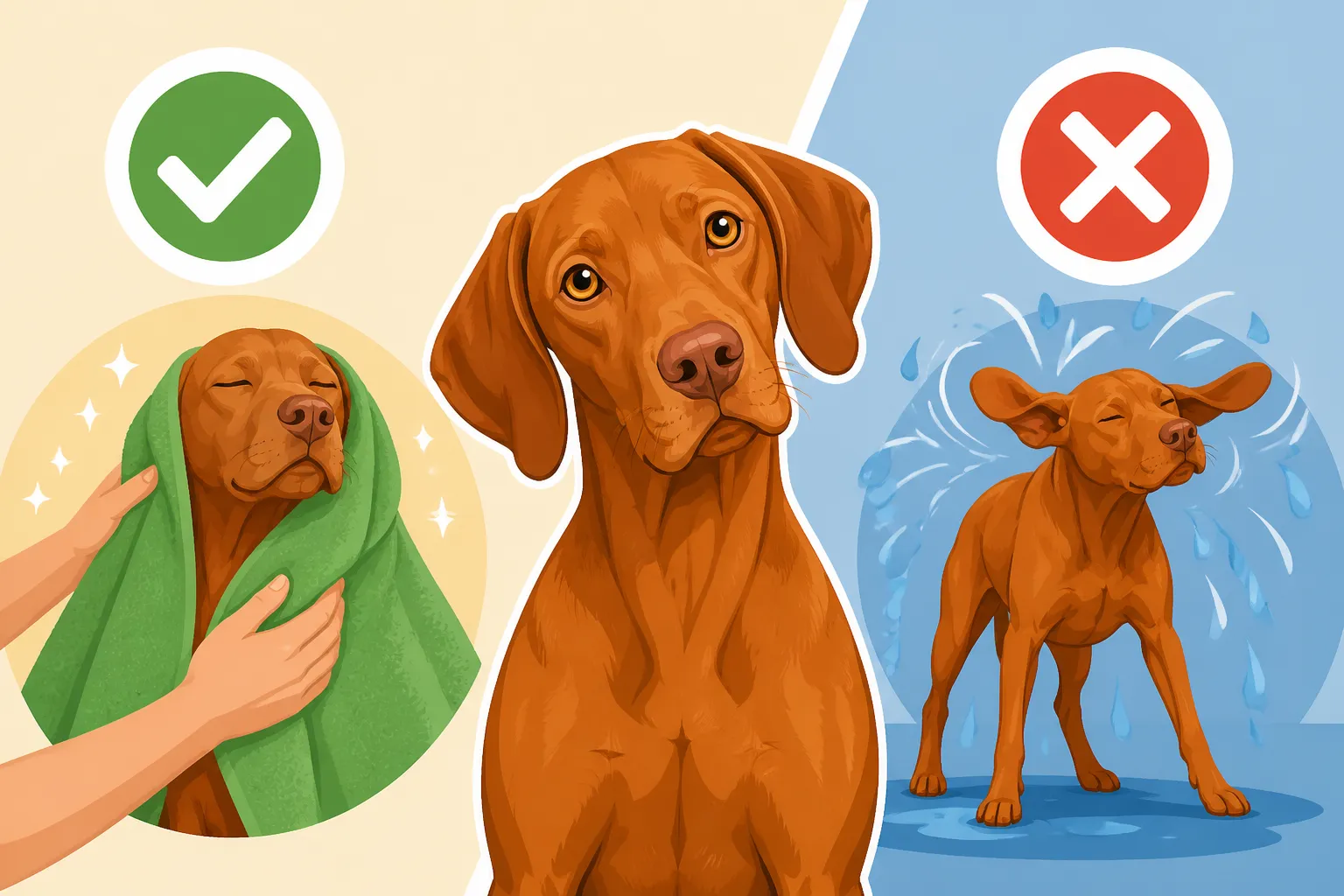
One of the most common dilemmas Vizsla owners face after a particularly enthusiastic romp in the rain, a swim at the lake, or even just bath time, is how to get their beloved companion dry without them shaking off all that water onto every surface in your home. You know that single coat dries pretty fast, but letting them air dry can leave them chilly or, worse, track muddy paw prints everywhere. This guide will walk you through the absolute best practices for drying your Vizsla, ensuring their comfort, health, and keeping your home a little less "wet dog" scented.
The Vizsla's Unique Coat and Why It Matters for Drying
Vizslas are truly a breed apart, and their coat is a prime example of their distinct characteristics. Unlike many other breeds, particularly those bred for cold weather or heavy cover, the Vizsla boasts a very specific type of coat that dictates how we, as their human companions, need to approach their care, especially when they get wet.
The Single Coat Advantage and Disadvantage
Your Vizsla's coat is one of its most striking features – that gorgeous, short, sleek "golden rust" that feels almost like velvet. This isn't just for looks; it's a functional coat, designed to protect them in the field without hindering their speed or attracting burrs and heavy mud. What many people don't realize is that this is a single coat, meaning it lacks the dense, fluffy undercoat that breeds like Labradors or German Shepherds possess.
The advantage here is undeniable: a single coat does dry faster than a double coat. Water tends to bead off it, and without that thick layer of insulation to trap moisture, evaporation happens more quickly. You might notice your Vizsla shaking once or twice, and suddenly they seem almost dry to the touch. This can be a real boon when you're out in the field and need your dog to warm up quickly. However, this "advantage" also carries a significant disadvantage, particularly in colder weather or if your dog is prone to chills. Without that undercoat, once the single outer layer is wet, there's very little natural insulation left to protect them from the cold. For a deeper dive into their unique fur, check out The Single Coat a Vizsla Has and Why It Changes Everything.
Why a Wet Vizsla Gets Cold Fast
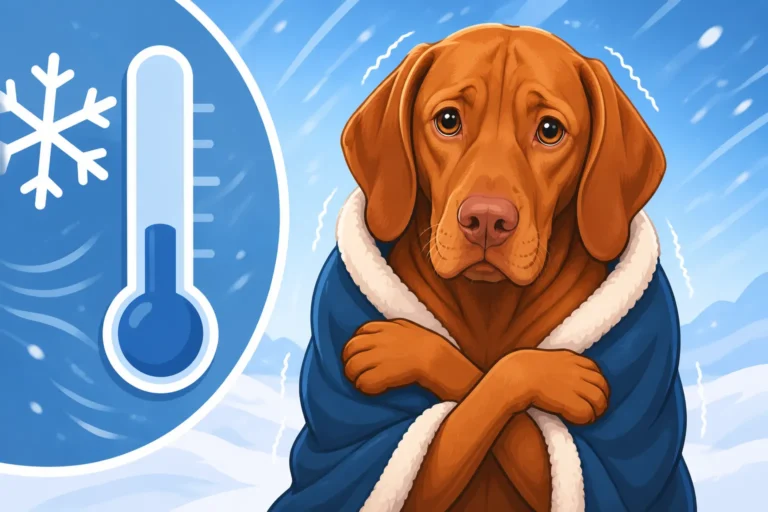
Imagine stepping out of a warm shower and standing in a cool room without a towel. That immediate chill you feel is largely due to evaporative cooling. As the water on your skin evaporates, it draws heat away from your body. The same principle applies, perhaps even more acutely, to your Vizsla. With their thin, single coat, once they're wet, especially if the water is cold from a lake or a winter rain shower, they lose body heat rapidly through evaporation.
Even if you're indoors and the house is warm, a soaking wet Vizsla can experience a significant drop in body temperature. You'll often see them shivering uncontrollably, even if they've only been wet for a short time. This isn't just uncomfortable; it forces their body to expend a lot of energy to try and regulate their core temperature. Puppies and older Vizslas are particularly vulnerable to this, as their thermoregulation systems aren't as efficient. An elderly Vizsla, already contending with the aches and pains of age, simply doesn't need the added stress of a prolonged chill. This rapid chilling is precisely why The Cold a Vizsla Genuinely Cannot Handle is such a crucial topic for Vizsla owners.
Beyond the Cold: Skin Health and Dampness
While Vizslas are generally known for their robust skin, often free from the common issues faced by breeds with dense folds or oily coats, consistent dampness can still pose a risk. Even with a fast-drying coat, moisture can linger in certain areas, particularly around their delicate ears, between their toes, or in the soft folds of their armpits and groin.
Prolonged dampness, especially if it's trapped against the skin, can create a breeding ground for yeast or bacterial infections. While these might not manifest as dramatically as they would on a heavily wrinkled Bulldog, even minor skin irritations can become intensely itchy and uncomfortable for your Vizsla. They might start licking or chewing at affected areas, potentially leading to hot spots or secondary infections. Furthermore, residual dampness can also make their coat feel grimy or encourage dirt to stick, detracting from that beautiful, clean "Vizsla smell" we all adore.
The Benefits of Towel Drying Your Vizsla
Given the unique characteristics of the Vizsla's coat, the decision to towel dry really shifts from an optional grooming step to a crucial act of care. It's not just about aesthetics or cleanliness; it’s fundamentally about their health, comfort, and even maintaining some semblance of order in your home.
Preventing Chills and Hypothermia
The primary and most immediate benefit of towel drying your Vizsla is to quickly mitigate the risk of them getting too cold. As we've discussed, their single coat provides minimal insulation when wet, making them susceptible to rapid heat loss. A thorough towel dry immediately after they get wet acts as a warm blanket, helping to stem that evaporative cooling and providing instant comfort.
Think about your Vizsla after a long, exhilarating swim in a cool river or a romp through a cold, rainy field. Their body temperature will have dropped, and they'll be working hard to warm themselves. A good, vigorous towel rub helps them recover their warmth much faster, reducing the energy expenditure their body has to make. This is especially vital if they're coming out of cold water or if the ambient temperature is low. Neglecting to dry them could lead to prolonged shivering, muscle stiffness, and in extreme cases, especially with extended exposure to very cold water, even a risk of hypothermia. Ensuring they're warm and dry is an essential part of their post-activity care, preventing discomfort and potential health issues. For more on keeping them warm, consider Whether a Vizsla Needs a Winter Jacket.
Protecting Your Home from Wet Dog Mess
Let's be honest, Vizslas are enthusiastic creatures, and their exuberance doesn't dim just because they're soaking wet. A wet Vizsla entering your home is a force of nature, and that force tends to manifest as water, mud, and whatever else they've collected outside, being distributed across every conceivable surface. Their characteristic full-body shake, while charmingly canine, is remarkably effective at creating a wide radius of damp chaos.
By thoroughly towel drying your Vizsla before they have a chance to engage in their celebratory "wet dog shake" indoors, you're not just being a meticulous housekeeper; you're proactively managing a significant source of household mess. Less water shaken onto your walls, furniture, and rugs means less cleanup for you. Furthermore, wet paws and bellies are excellent at picking up and depositing dirt. A good towel rub not only removes excess water but also helps to dislodge loose mud, dust, or field debris before it gets tracked through your house. Their "Velcro" nature means they're going to lean on you and everything else, so a drier dog means less grime transfer. Learn more about this clingy trait in What Velcro Behavior Looks Like in a Vizsla.
Promoting Skin and Coat Health
Beyond warmth and cleanliness, towel drying also plays an active role in maintaining your Vizsla's overall skin and coat health. A proper towel rub isn't just about removing water; it's a mini-grooming session that benefits them in several ways.
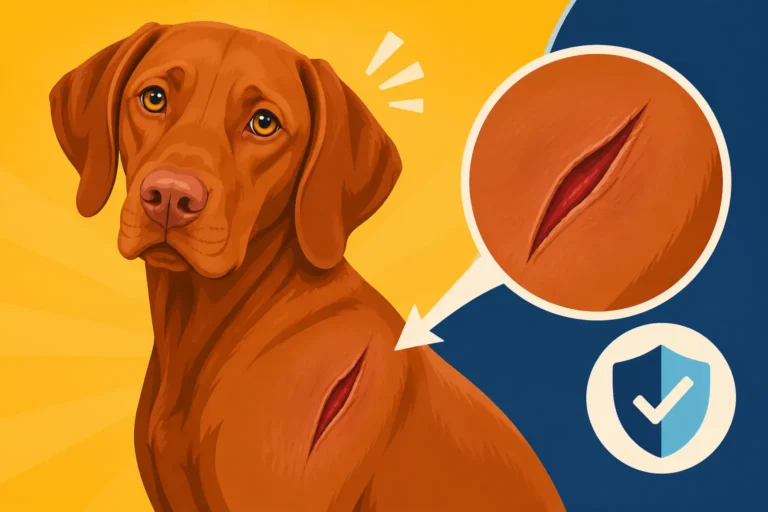
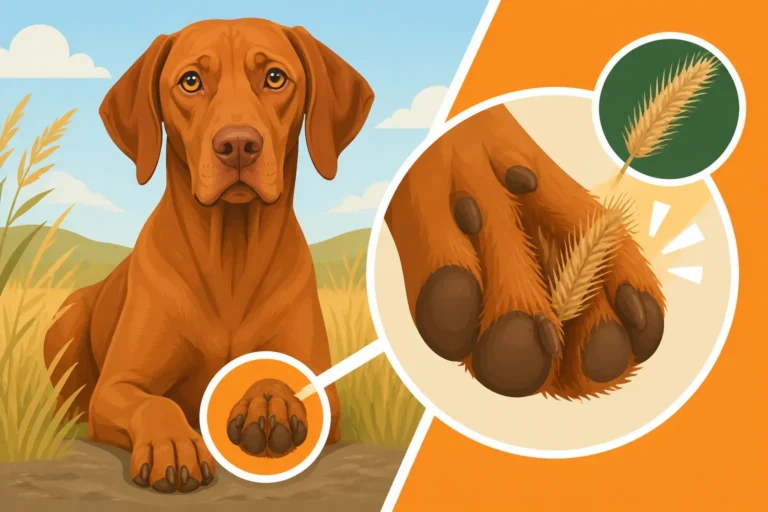
Firstly, removing excess moisture quickly helps to prevent the dampness-related skin issues mentioned earlier, like yeast or bacterial growth. It keeps their skin barrier healthy and reduces the chances of irritation or itchiness. Secondly, the friction of the towel helps to lift and remove loose hairs from their short coat. Vizslas do shed, perhaps more than some people realize for a short-haired breed, and a good towel rub can act like a mild brush, collecting some of that loose hair before it finds its way onto your sofa. Lastly, this hands-on drying time is an excellent opportunity for you to give your Vizsla a quick, top-to-toe inspection. You can check for any cuts, scrapes, tick attachments, or embedded grass seeds they might have picked up during their adventures, especially after a hunt or an intense outdoor session. Catching these issues early can prevent them from becoming more serious problems down the line. It's a key part of your post-adventure routine, as highlighted in Checking a Vizsla Over After a Hunt.
Towel Drying Techniques and Considerations
Towel drying a Vizsla isn't just about rubbing vigorously; it's about employing effective techniques and using the right tools to make the process as efficient and comfortable for both of you as possible.
Choosing the Right Towels
The type of towel you use can make a big difference in how quickly and thoroughly you can dry your Vizsla. While regular cotton bath towels will work, they can become saturated quickly, especially if your Vizsla is soaking wet.
This is where microfiber towels truly shine. Microfiber is incredibly absorbent, capable of holding many times its weight in water, and it dries quickly itself. These towels are also typically softer and gentler on your dog's skin and coat. You'll find a wide variety of microfiber towels specifically designed for pets, often larger and thicker than standard human towels, available through online retailers like Amazon or specialty pet stores like Chewy. Keep several on hand, especially if your Vizsla loves to swim or if you live in a rainy climate. For heavier drying needs, such as after a bath, you might start with a larger, highly absorbent microfiber towel to get the bulk of the water off, then follow up with a fresh, slightly smaller one for finer drying and polishing.
The Art of the Vizsla Towel Rub
Effective towel drying for a Vizsla involves a combination of patting and rubbing, focusing on key areas. Start by gently squeezing excess water from their ears, tail, and legs. Then, begin with broad, sweeping motions down their back and sides, using firm but not harsh pressure. Don't forget their chest and belly, which often remain surprisingly wet, especially after a swim. Their delicate paw pads and between their toes are also areas where moisture can linger.
One of the biggest challenges with a wet Vizsla is their tendency for post-bath or post-swim "zoomies" – that explosive burst of energy and frantic rubbing against everything. To manage this, try to keep them contained during the initial drying phase. A bathroom, a laundry room, or even a large crate lined with towels can be a good "drying zone." Distraction, like a favorite chew toy or some tasty Ollie treats, can also help keep them still. Pay particular attention to drying their ears thoroughly, especially after any water work, as this can help prevent ear infections. Keeping a Vizsla's Ears Clear After Water Work is a great resource if you frequently deal with wet ears. Finish with a final pat-down, ensuring no damp spots remain.
When a Towel Isn't Enough: Air Drying and Beyond
While towel drying is highly effective, there are situations where you might need to consider other options, or at least understand their limitations. Air drying, for instance, can seem like an easy solution, but it comes with caveats for a Vizsla.
In very warm, dry environments, and only if your Vizsla is just damp (not soaking wet) and will be active enough to prevent chilling, air drying might be an option. However, for a truly wet Vizsla, relying solely on air drying, even indoors, risks a prolonged period of chilling due to evaporative cooling. It's rarely the best first line of defense.
For those times when a towel just can't get them quite dry enough, or if you need to dry them quickly in cold weather, a dog-specific blow dryer can be a useful tool. Crucially, always use the lowest heat setting – ideally cool air – and keep the dryer moving constantly to avoid burning their sensitive skin. Many Vizslas are sensitive to noise, so introduce the dryer slowly and with positive reinforcement. Never use a human hair dryer on a hot setting directly on their skin, as it can cause burns. Alternatively, dog robes or specialized drying coats can be a fantastic interim solution, particularly after a bath or a rainy walk. These absorbent garments can wick away remaining moisture and provide warmth while they finish air-drying or while you continue to towel them. They're especially great for short car rides home from the field, as they absorb moisture and keep your car cleaner.
Practical Scenarios: When and How to Towel Dry
Understanding the "why" and "how" of towel drying is one thing, but applying it effectively in real-life Vizsla scenarios is where the rubber meets the road. Each situation calls for slightly different considerations to ensure your Vizsla's comfort and health.
After a Bath: Making it a Routine
Bath time, for many Vizslas, can be either a tolerated necessity or a full-blown party, depending on their individual personality. Regardless, the drying process afterward is paramount. After you've finished rinsing all the shampoo and conditioner (choosing a good, gentle shampoo is important, as covered in Which Shampoo Suits a Vizsla's Skin), allow them to shake off the initial deluge while still in the tub or shower enclosure. This contains the bulk of the water.
Immediately after their shake, wrap them in a large, absorbent towel, gently pressing out as much water as possible. Then, lead them to your designated drying area, whether it's a bathroom or a mudroom, where you have several fresh towels ready. Begin by thoroughly rubbing down their head, neck, and ears, paying special attention to the underside of their ears where moisture can get trapped. Move down their back, sides, chest, and especially their belly. Don't forget their legs and tail. The goal is to get them as dry as possible to the touch before letting them loose. This thoroughness is particularly important, as letting them stay damp for too long after a bath can lead to skin irritation or chills. For guidance on how often to bathe your Vizsla, see How Often a Vizsla Should Be Bathed.
Post-Swim or Rainy Walks: Field Expediency
These are the scenarios where towel drying really earns its keep. A Vizsla that has just spent an hour retrieving in a cold pond or has been thoroughly drenched by a sudden downpour needs immediate attention to prevent chilling.
When you're out in the field or on a walk, always have at least one dedicated dog towel (preferably microfiber) in your vehicle. As soon as your Vizsla is back on leash and out of the water or rain, start drying them. Focus on their head, ears, and torso first to get their core warm. Rub their legs and belly vigorously. While you might not achieve perfect dryness out in the elements, getting the majority of the water off will make a huge difference in their comfort level and prevent them from shivering uncontrollably on the drive home. If it's particularly cold, consider having a quick-drying dog coat or a thick blanket to wrap them in for the journey. Remember, cold water can be a serious health risk, so understanding Whether a Vizsla Handles Cold Water is key.
For Older Vizslas or Puppies: Extra Care
The very young and the very old among our Vizsla companions require an even more diligent approach to drying. Puppies have less developed thermoregulation systems and can get cold very quickly. An older Vizsla, who might already be experiencing joint stiffness or other age-related issues, has a reduced capacity to generate and retain body heat.
For puppies, a full and fast dry after any wet exposure is non-negotiable. Not only does it keep them warm, but it also helps them associate being wet with the pleasant sensation of a warm, comforting rub, making future baths and wet adventures less stressful. For senior Vizslas, a thorough towel dry followed by time in a warm, draft-free spot is crucial. You might even consider having a warm, plush bed ready for them or wrapping them in a cozy blanket. Their thinner coats and potentially less active metabolism mean they feel the cold more acutely. They may even be more inclined to burrow under blankets for warmth. For more on keeping older Vizslas warm and comfortable, refer to Whether an Old Vizsla Needs More Warmth and Whether a Vizsla Burrows Under Blankets for Warmth. A quick, gentle rub-down can also be a comforting ritual for an older dog, providing a chance for a tactile connection and a quick check for any new lumps, bumps, or tender spots.
| Drying Method | Pros | Cons | Best Use Case |
|---|---|---|---|
| Towel Drying | Fast, immediate warmth, removes dirt/loose hair, bond-building | Towels get saturated, requires effort, may not get "bone dry" | Every wet situation, especially after baths, swims, or rainy walks |
| Air Drying | No effort, natural | Slow, leads to chilling, leaves water/dirt everywhere, skin issues | Only for slightly damp dogs in warm, dry environments, or as a finish |
| Blow Dryer | Very fast, gets truly dry, good for thick coats | Can be noisy/scary, risk of burns if misused, can dry out skin | Extremely wet dogs, cold weather, specific areas (ears), after baths |
There's no single perfect drying method for every situation, but for a Vizsla, towel drying forms the cornerstone of effective and responsible post-wet care.
In the end, while your Vizsla's sleek, single coat certainly helps them dry faster than many other breeds, it doesn't mean you should simply let nature take its course. A wet Vizsla is a cold Vizsla, a muddy Vizsla, and potentially an uncomfortable Vizsla. Making a habit of thoroughly towel drying your beloved companion after every bath, swim, or rainy adventure is an easy way to ensure their comfort, protect their health, and keep your home a little bit tidier. It's a small act of care that speaks volumes about your dedication to their well-being.
Disclaimer
This article is for general informational purposes only and does not constitute professional advice. Laws, prices and regulations vary by location and change over time. Consult a qualified professional for guidance on your specific situation.