Whether a Vizsla’s Short Hair Sticks to Fabric
If you're living with a Vizsla, you've undoubtedly faced the reality of their short, seemingly innocent hairs embedding themselves into every fabric surface imaginable. It’s a common frustration many new Vizsla owners don’t anticipate, believing a short-coated dog means less mess. This guide aims to tackle that precise problem, diving deep into why Vizsla hair is so clingy, how to effectively remove it from various materials, and practical strategies to minimize its presence in your home and on your clothes.
The Unique Nature of Vizsla Hair and Its Fabric Affinity
It's easy to assume that a dog with a sleek, short coat like a Vizsla would be a low-shedding dream, or at least that their hair wouldn't be much of a nuisance. Many a new Vizsla owner has quickly learned this isn't quite the case! While they don't produce the fluffy tumbleweeds of a Malamute or leave long strands draped elegantly across your sofa like a Golden Retriever, Vizsla hair presents its own particular challenge: it sticks. And not just rests on top – it seems to weave itself into the very fibers of your favorite blanket, upholstery, and clothing.
Understanding the Vizsla's Single Coat
Unlike many breeds, especially those originating from colder climates, the Vizsla possesses a single coat. This means they lack the dense, soft undercoat that provides insulation and tends to be shed in large clumps seasonally. Instead, their coat consists of uniform, short, stiff guard hairs. This characteristic is a big part of why The Single Coat a Vizsla Has and Why It Changes Everything. This single layer allows them to be agile and helps them dry quickly when working in the field, but it also dictates how their hair behaves when shed.
With no soft undercoat to catch and hold onto the shedding hairs, each individual hair is quite literally on its own once it detaches from the follicle. These hairs are then free to migrate, propelled by movement, gravity, or even static electricity, directly onto anything they come into contact with. This is a fundamental difference from breeds where the undercoat acts like a natural net, keeping shed hair closer to the dog until grooming. You might think, "Well, if it's just one type of hair, it should be easier to manage!" But alas, it’s not that simple.
The "Needle-Like" Quality of Vizsla Hair
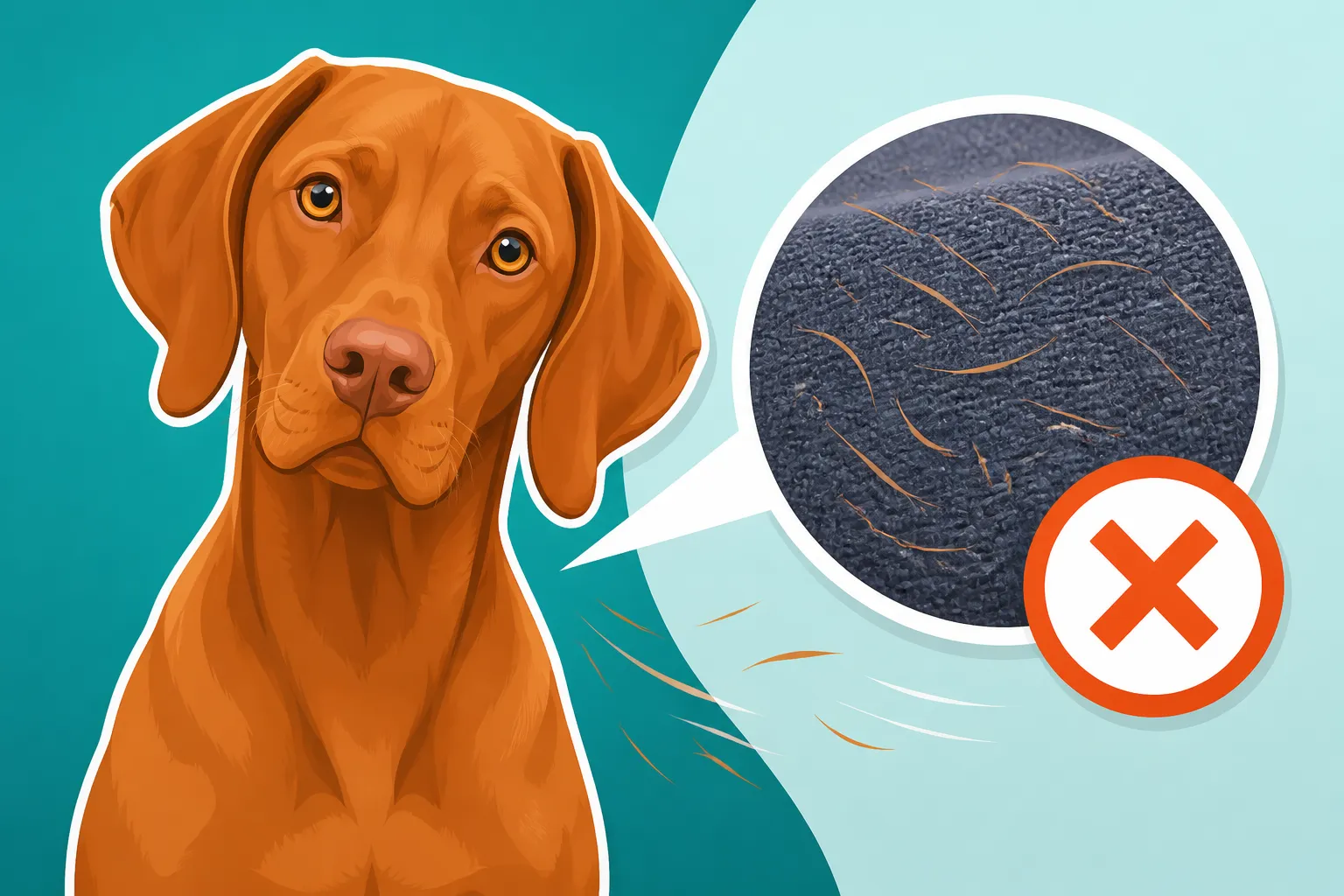
Here's the real kicker: Vizsla hairs, despite being short, have a distinctive stiffness and often a fine, pointed tip. They aren't soft and pliable like many other dog hairs. Instead, they can feel almost "needle-like" or bristly. Imagine tiny, stiff bristles – that's what you're dealing with. When these hairs land on fabric, especially those with an open weave or a slight pile, they don't just sit on the surface. Oh no. They penetrate.
This penetrating quality is precisely why Vizsla hair is so frustratingly difficult to remove from textiles. It works its way into the fibers, anchoring itself rather than remaining loose on top. Think of a tiny porcupine quill, but instead of just one, you have thousands of them. This is particularly noticeable on fleece, knit fabrics, and anything with a textured surface, where the hair can easily get hooked or woven in. It’s this unique combination of single coat and bristly texture that defines the Vizsla's shedding signature. You can brush them regularly, as we'll discuss, but those individual hairs still make their way out and embed themselves with surprising tenacity.
Why Visual Shedding Can Be Deceptive
Many Vizsla owners will tell you that their dogs don't shed "that much" in terms of visible quantities. You might not see large clumps of fur rolling across your floor. However, this perceived lack of shedding can be incredibly deceptive. Because the hairs are short and fine, they blend into surfaces more easily, making them less obvious than the long, dark hairs of a Labrador or the light, fluffy undercoat of a Samoyed.
What you do notice, however, is the accumulated effect. You sit down on the sofa, and when you stand up, your pants are covered in a fine reddish-gold fuzz. You pull a shirt from the laundry, and despite washing, a layer of tiny hairs remains. This isn't necessarily because your Vizsla is shedding less, but because the nature of the shed hair means it disperses and embeds itself differently. So, while you might not be vacuuming massive furballs, you're constantly battling a pervasive, insidious layer of hair that silently adheres to everything you own. It's a battle of attrition, and it often feels like the hair is winning.
Tackling Vizsla Hair on Different Fabrics and Surfaces
Once those tenacious Vizsla hairs have worked their way into your belongings, removing them becomes a bit of an art form, requiring patience and the right tools. Different fabrics and surfaces present unique challenges, and a one-size-fits-all approach rarely yields the best results.
Upholstery and Furniture
Your sofa, your favorite armchair, even decorative pillows – these are prime targets for Vizsla hair, especially if your dog is allowed on the furniture (and let's be honest, most Vizslas eventually find their way onto the coziest spots!). The key here is consistency and specialized tools.
For regular maintenance, a good quality vacuum cleaner with strong suction and a variety of attachments is your best friend. Look for attachments designed specifically for pet hair or upholstery, often featuring a rotating brush or rubberized nubs that help dislodge embedded hairs. You’ll want to vacuum furniture thoroughly at least a few times a week, if not daily, to prevent significant buildup. Beyond the vacuum, consider rubber grooming gloves or even a simple rubber squeegee. When dragged across upholstery, the rubber creates friction and static, gathering the hairs into clumps that are much easier to pick up. For particularly stubborn areas, lightly misting the fabric with water (just enough to dampen, not soak) can sometimes help the hairs clump together.
Many Vizsla owners find that keeping furniture throws or dedicated blankets on their dog’s favorite spots is a game-changer. These can be easily removed, shaken outside, and machine-washed, saving your actual upholstery from direct hair contact. Look for throws made from materials that don't attract hair as much, such as tightly woven synthetics or even smooth, leather-like fabrics, or those that are easy to wipe clean.
Clothing and Linens
This is where the short, stiff hairs can be most maddening, especially on your dark-colored clothes! You’ve just gotten ready for work, only to discover a fine layer of reddish-gold clinging to your black trousers. It’s a classic Vizsla owner dilemma.
For clothing, lint rollers are indispensable. Keep them strategically placed – by the front door, in your car, at your desk. They offer a quick fix for immediate hair removal before you head out. However, for heavily embedded hairs, a lint roller might just skim the surface. Fabric brushes with stiff bristles can sometimes work better for dislodging deeply set hairs. For items going into the wash, a common trick is to tumble them in a dryer on a no-heat setting for 10-15 minutes before washing. The tumbling action and static often loosen a significant amount of hair, which then gets caught in the dryer’s lint trap. This prevents the hair from getting more deeply embedded by the washing machine.
When washing, consider adding a cup of white vinegar to the rinse cycle, as it can help relax fabric fibers and release hair. Specialty laundry additives designed to repel pet hair can also be found on platforms like Amazon. Always clean your washing machine's lint trap (if it has one) and check your dryer's lint trap meticulously after every load that includes dog blankets or hair-covered items. For bedding, investing in tightly woven sheets or duvet covers can also help prevent hair from embedding deeply.
Car Interiors
The car often becomes a mobile extension of your dog's shedding zone, particularly if your Vizsla enjoys rides to the park or field. Car upholstery, especially carpeted areas and fabric seats, is notorious for clinging to their short hairs.
Again, a powerful portable vacuum or a shop vac is crucial for car interiors. Detail-specific nozzles can reach into crevices where hair likes to accumulate. For those embedded hairs on carpet and fabric seats, a rubber squeegee or a pet hair removal tool with rubber nubs can work wonders. Simply drag it across the surface, and watch as the hair magically clumps together, ready for vacuuming. Many automotive supply stores or online retailers like Chewy offer these specialized tools.
To minimize future hair accumulation, consider durable, washable seat covers, especially for the back seat or cargo area where your Vizsla typically rides. Waterproof options are fantastic for protecting against not just hair, but also mud and slobber. For dogs that travel frequently, a dedicated car kennel or crate can contain most of the shedding, keeping the hair confined to one easily cleanable area. Make sure any crate or carrier is secured properly for safety.
Proactive Strategies for Minimizing Hair Around the Home
While effective cleaning tools are essential, the real battle against Vizsla hair is won through proactive measures. By implementing a consistent routine and making smart choices, you can significantly reduce the amount of hair that ends up on your furniture and clothes in the first place.
Regular Grooming as a First Line of Defense
This is perhaps the most crucial step. A well-groomed Vizsla sheds less into your environment because you're actively removing loose hair before it has a chance to fall out naturally. Daily or every-other-day brushing is ideal for a Vizsla, even if it feels like overkill. You're not just making their coat shiny; you're harvesting loose hairs.
For Vizslas, specialized grooming tools work best. A rubber curry brush or a grooming mitt is excellent for massaging the skin and pulling out those short, stiff hairs. These tools are gentler than some metal deshedding rakes that can irritate their sensitive skin. You'll be amazed at how much hair comes off a seemingly "hairless" Vizsla during a good brushing session. Some owners even brush their Vizsla outdoors to keep the hair from entering the house at all. Regular bathing, perhaps once every 4-6 weeks or as needed, also helps remove loose hair and keep their skin healthy. Just be sure to use a gentle, moisturizing shampoo, as Which Shampoo Suits a Vizsla's Skin, to avoid drying out their skin, which could lead to flaking and more shedding. How Often a Vizsla Needs Brushing is a question many owners ponder, and the answer is: more often than you might think!
Strategic Fabric Choices and Covers
The types of fabrics you have in your home can significantly impact how noticeable and troublesome Vizsla hair becomes. Not all fabrics are created equal when it comes to pet hair.
Consider furniture with smooth, tightly woven fabrics, or even leather and faux leather. These materials tend to repel hair or make it much easier to wipe away with a damp cloth or quick pass of a rubber glove. Loosely woven, textured fabrics like chenille, velvet, or certain tweeds are like magnets for Vizsla hair, allowing it to burrow deep and become a permanent fixture. If replacing furniture isn isn't an option, invest in high-quality, washable furniture covers. These can be easily removed, tossed in the wash, and replaced, saving your underlying upholstery. Look for covers made from hair-repelling materials. Even simply using a dedicated dog blanket on their favorite sleeping spot can concentrate the hair into an easily managed item. On a related note, understanding Whether a Vizsla Coat Is Self Cleaning can also help manage expectations regarding how much you'll need to clean up after them.
Effective Cleaning Tools and Techniques
Having the right arsenal of cleaning tools and knowing how to use them efficiently is paramount for a Vizsla owner. It's not just about what you have, but how consistently you use it.
- High-Quality Vacuum Cleaner: As mentioned, a vacuum with strong suction and pet-specific attachments is vital. Brands like Dyson or Shark often offer excellent models designed for pet hair, and you can often find deals on Amazon or Chewy. Make it a routine to vacuum floors and furniture regularly.
- Robot Vacuums: For daily maintenance on hard floors and low-pile carpets, a robot vacuum can be a lifesaver, picking up surface hair before it can accumulate.
- Rubber Brushes and Squeegees: These are fantastic for upholstery, carpets, and car interiors. The rubber creates friction that pulls hair out of fabric fibers. You can find specialized pet hair removers or simply use a window squeegee.
- Damp Cloths/Sponges: For hard surfaces, a slightly damp microfiber cloth can effectively pick up loose hairs without scattering them.
- Lint Rollers: Keep a stash everywhere. They’re indispensable for quick touch-ups on clothing before you leave the house. You can buy large multi-packs from places like Amazon to ensure you always have one handy.
- Air Purifiers: While they won't remove hair from fabric, air purifiers with HEPA filters can capture airborne pet dander and some loose hairs, improving overall air quality and potentially reducing the amount of hair settling on surfaces.
Creating a routine where a quick pass with a grooming mitt, a sweep with a rubber broom, or a quick run of the robot vacuum becomes part of your daily rhythm will make a huge difference in staying on top of the hair.
Nutritional and Health Considerations for Coat Quality
Sometimes, excessive shedding isn't just about the breed's natural characteristics; it can be influenced by diet and underlying health issues. Ensuring your Vizsla is in peak condition can contribute to a healthier coat and potentially reduce shedding, or at least help the coat grow back thicker if it's been thinning.
The Role of Diet in Shedding
A high-quality diet provides the necessary nutrients for a healthy coat and skin. A diet lacking in essential fatty acids, vitamins, or minerals can lead to a dull, dry coat and increased shedding.
Look for dog foods that list a named meat source as the first ingredient and contain healthy fats like omega-3 and omega-6 fatty acids. Many premium brands prioritize coat health. Some Vizsla owners opt for fresh food diets, like those offered by Ollie, believing the higher nutrient bioavailability can lead to a healthier coat. While anecdotal evidence varies, a balanced diet is undeniably foundational. Supplementing with fish oil or specific skin and coat supplements, often available from Chewy, can also provide an extra boost of omega fatty acids, which are crucial for skin barrier function and coat luster. Whether a Vizsla Needs Fish Oil is a common question, and for many, it's a beneficial addition. Remember, a healthy dog generally has a healthy coat, and that means shedding optimal, rather than excessive, amounts of hair.
Health Conditions Affecting Coat Shedding
While not the primary cause of daily Vizsla hair on your sofa, certain health conditions can exacerbate shedding or lead to poor coat quality. If you notice a sudden increase in shedding, bald patches, a dull coat, or skin irritation, it's always wise to consult your veterinarian.
Conditions such as allergies, hormonal imbalances (like Thyroid Failure in a Vizsla), or external parasites can all impact coat health. For instance, skin allergies can cause itching and irritation, leading to scratching and localized hair loss or increased shedding. Sometimes, underlying immune system issues can manifest in skin problems. For example, What Sebaceous Adenitis Does to a Vizsla can cause significant coat loss and skin flaking, requiring specialized care to manage. Regular vet check-ups, including discussions about their diet and any changes in coat quality, are an important part of proactive care. Addressing these issues can not only improve your Vizsla's overall health but also positively impact the quality and quantity of their shedding.
Here's a quick comparison of common tools for removing Vizsla hair:
| Tool Category | Best For | Pros | Cons |
|---|---|---|---|
| Vacuum Cleaners | Floors, upholstery, car seats | Deep cleaning, removes large quantities | Can be bulky, some struggle with embedded hair |
| Lint Rollers | Clothing, quick touch-ups | Portable, instant results, easy to use | Less effective on deeply embedded hair, generates waste |
| Rubber Brushes/Gloves/Squeegees | Upholstery, carpet, car interiors, pet grooming | Excellent for embedded hair, versatile | Requires manual effort, can be slower |
| Damp Cloths/Sponges | Hard surfaces, light upholstery | Simple, effective for surface hair | Can leave residue on some fabrics, not for deep cleaning |
| Pet Hair Remover Tools | Upholstery, carpets | Specifically designed for tough hair, durable | May require practice, less common |
| Dryer Balls/Sheets | Laundry | Helps loosen hair in the dryer cycle | Doesn't remove all hair, only for machine-washable items |
Disclaimer
This article is for general informational purposes only and does not constitute professional advice. Laws, prices and regulations vary by location and change over time. Consult a qualified professional for guidance on your specific situation.