Whether a Vizsla Gets Water in Its Ears Swimming
Oh, the joy of watching your Vizsla dive headfirst into a lake or bounding through a shallow stream on a hot day! It's one of their greatest pleasures, and honestly, it’s a beautiful thing to witness. But that delightful splash often comes with a nagging worry for us owners: "Is all that water going to cause ear trouble?" It's a valid concern, especially with their floppy ears, and understanding the risks and how to manage them can save you a lot of stress and your Vizsla a lot of discomfort. This guide will walk you through everything you need to know about keeping your water-loving Vizsla's ears healthy.
The Anatomy of a Vizsla's Ear and Water Risk
Vizslas have those beautiful, expressive drop ears that frame their noble heads so perfectly. While undeniably charming, this ear type, common in many sporting breeds, presents a unique challenge when it comes to moisture and airflow. Unlike dogs with prick ears that allow for more ventilation, a Vizsla's floppy ears can inadvertently create a warm, moist environment – practically an invitation for trouble when water is involved.
The Vizsla's Drop Ears and Their Role
Think of your Vizsla's ears as nature's little umbrellas. When they're running, sniffing, or just being their curious selves, these ears protect the ear canal from dust, dirt, and foreign objects. In the wild, this would be a real advantage. However, in our domesticated world, and especially with activities like swimming, this protective design becomes a double-edged sword. The ear flap, or pinna, hangs down, covering the opening of the ear canal. This creates a relatively enclosed space. While it helps keep some things out, it also makes it harder for anything that does get in – like water – to evaporate and drain away naturally.
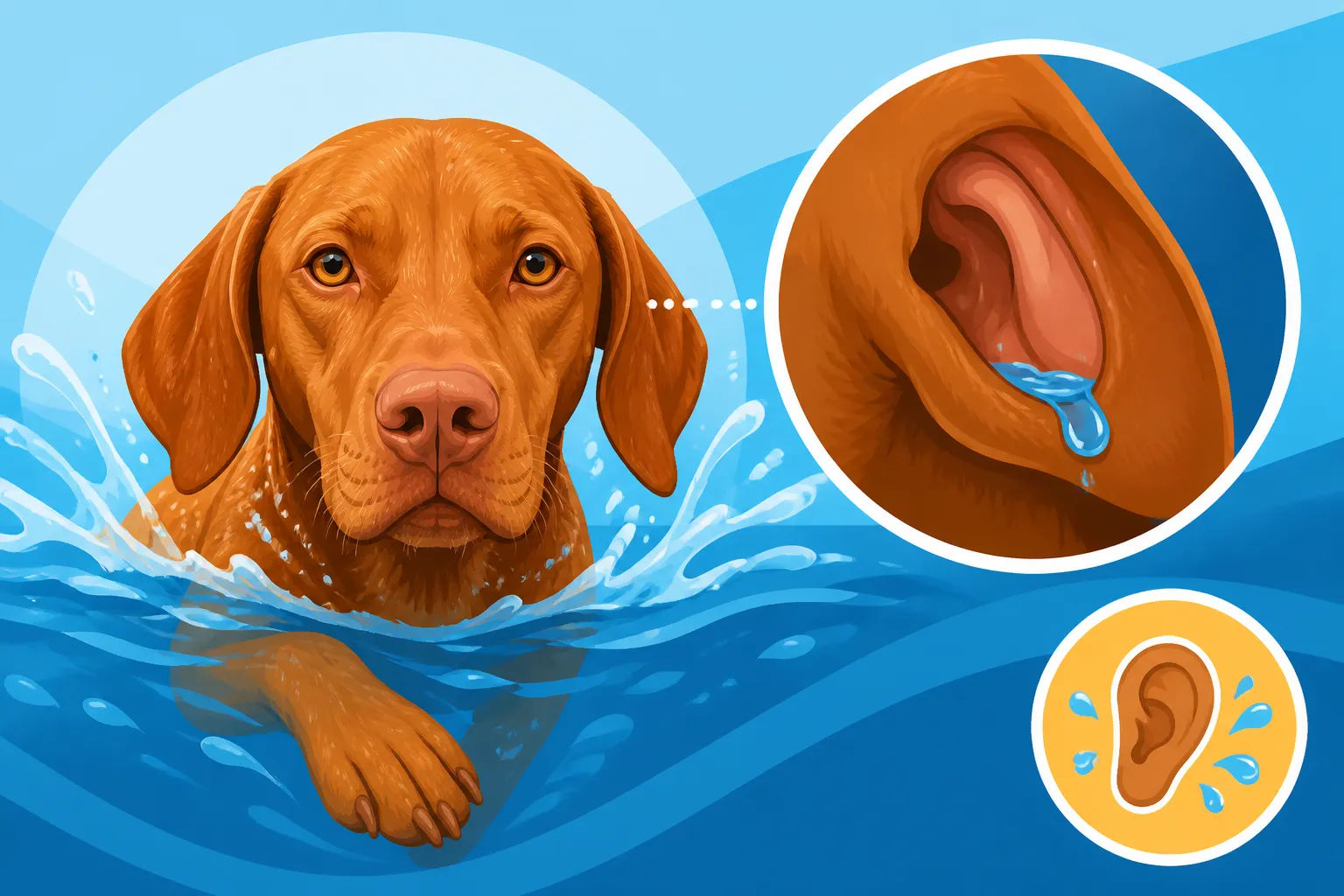
When your Vizsla goes for a swim, their ears get thoroughly wet, both inside and out. The water trickles down, getting trapped within the folds of the ear flap and deep into the external ear canal. Because the ear flap covers the entrance, air circulation is significantly reduced. Imagine wearing a hat that’s constantly wet; your head wouldn't dry easily, right? It's similar for a Vizsla's ear. This lack of airflow combined with the warmth of the dog's body creates that ideal damp, dark, and warm microclimate where moisture can linger for hours after a swim, setting the stage for potential problems. The Single Coat a Vizsla Has and Why It Changes Everything means that while their short coat dries relatively quickly, their ears are a different story.
How Water Gets Trapped
It's not just the surface of the ear that gets wet; water can penetrate deep into the L-shaped ear canal. The canine ear canal is much longer and has a more pronounced bend than a human ear canal. It first runs vertically, then takes a sharp turn horizontally towards the eardrum. This design is fantastic for protecting the delicate inner ear structures from external trauma, but it's also a perfect trap for water, debris, and earwax. When your Vizsla is shaking their head after a swim, they're trying to dislodge that trapped water, but often, it's not enough to get everything out, especially from that deep horizontal section.
Consider a scenario: your Vizsla, Copper, has just spent a glorious hour retrieving bumpers from the pond. He's shaking off, rolling in the grass, and generally having a grand time. You might pat his ears dry quickly, thinking you've done your part. However, without a more thorough approach, small pockets of water can remain stubbornly tucked away in the vertical and horizontal parts of the canal. This residual moisture isn't just a minor annoyance; it can soften the delicate skin lining the ear canal, making it more susceptible to irritation and infection. Over time, repeated exposure without proper drying can lead to chronic issues, transforming a fun swimming session into a source of ongoing discomfort for your otherwise vibrant companion.
Common Ear Problems Linked to Water Exposure
When moisture lingers in the ear canal, it creates a hospitable environment for opportunistic microorganisms that are normally present in small numbers. This dampness, combined with warmth and darkness, turns the ear into a prime breeding ground, leading to discomfort and potentially painful infections.
The Breeding Ground for Bacteria and Yeast
The natural flora within a dog's ear, including certain bacteria and yeasts, usually exist in a healthy balance. However, introduce excess moisture and poor ventilation, and that balance can quickly tip. Yeast, particularly Malassezia pachydermatis, thrives in warm, moist conditions. When it overgrows, it leads to a distinct, often yeasty smell and an itchy, inflamed ear. Bacteria, such as Staphylococcus or Pseudomonas, can also proliferate rapidly. These bacterial infections tend to be more painful, producing thick, often foul-smelling discharge.
Imagine your Vizsla, Penny, after a long summer afternoon of swimming in the lake. She comes home, shakes off, and curls up for a nap. If her ears aren't properly dried, those little pockets of moisture become a perfect incubation chamber. The normal skin in her ear canal, which acts as a protective barrier, becomes soggy and compromised. This allows yeast and bacteria to multiply unchecked, leading to otitis externa – inflammation of the external ear canal. This can be intensely itchy and painful for Penny, causing her to constantly scratch at her ears, shake her head, or rub them along the carpet or furniture, which only exacerbates the irritation. Repeated bouts of this can even lead to more serious, chronic conditions. It's a frustrating cycle for both dog and owner.
Signs of an Ear Infection After Swimming
Recognizing the signs of an ear infection early is crucial for prompt treatment and preventing further complications. Vizslas, like many active breeds, can be quite stoic, so subtle clues might be your first indicator. The most obvious signs include head shaking, excessive scratching at the ears, or rubbing their head against surfaces. You might also notice a change in the ear's appearance: redness, swelling, or warmth to the touch inside the ear flap.
One of the most telling signs, often picked up before visual cues, is the smell. A healthy Vizsla ear should have a very mild, almost neutral scent. If you detect a strong, unpleasant odor – often described as sweet, yeasty, or foul – it's a huge red flag. This can be accompanied by discharge, which might range from dark, waxy buildup (often yeast) to yellow or green pus (typically bacterial). Your Vizsla might also cry out or flinch when you touch their ears, indicating pain. They might hold their head tilted to one side or seem generally irritable. If your normally enthusiastic Vizsla suddenly becomes reluctant to go for a swim or seems bothered when you try to pet their head, pay close attention to their ears. These are all vital clues that their recent aquatic adventures might have led to an unwelcome visitor in their ear canal.
Preventive Measures for Water-Loving Vizslas
Preventing ear infections is far easier and less stressful than treating them. For a breed like the Vizsla, whose love for water is often boundless, a proactive approach to ear care is simply part of responsible ownership.
Thorough Drying Techniques
The single most effective preventative measure is thorough drying after every water exposure. Simply toweling the outside of the ear isn't enough. You need to get into the ear canal itself. After your Vizsla has had their swim, use a soft, absorbent towel to dry the outer ear flap and the visible folds. Then, gently use cotton balls or a soft cloth wrapped around your finger to wipe out the accessible parts of the ear canal. Never use cotton swabs (Q-tips) beyond the visible outer ear, as this can push debris and moisture deeper into the canal and even damage the eardrum.
For a deeper dry, specialized dog ear dryers or even a low-setting hairdryer (held at a safe distance and not pointed directly into the canal) can be used, but this requires extreme caution and your dog's cooperation. Many owners find absorbent powders specifically designed for dog ears helpful, as they can soak up residual moisture. The key is consistency. Make ear drying a routine part of your post-swim ritual. Have your Vizsla, say, Rusty, sit for ear drying immediately after he comes out of the water. Start young, making it a positive experience with treats and praise, so it becomes just another fun part of his day. This small investment of time can prevent weeks of discomfort and expensive vet visits.
Ear Cleaning Solutions and When to Use Them
Beyond drying, using a veterinarian-approved ear cleaning solution can be a game-changer for water-loving Vizslas. These solutions typically contain ingredients that help dry out the ear canal, acidify the environment (making it less hospitable for yeast and bacteria), and break down wax and debris. Some popular brands offer gentle, pH-balanced formulas that are safe for regular use. You can often find these solutions at your local pet store or online retailers like Chewy or Amazon.
The timing and frequency of use are important. For a Vizsla that swims frequently, using an ear cleaner immediately after swimming can be very beneficial. It helps flush out any lingering water, dirt, or debris and restores a healthy ear environment. To use, gently squirt the recommended amount of solution into the ear canal, massage the base of the ear for about 30 seconds to help the solution penetrate and loosen debris, and then let your Vizsla shake their head. Finally, wipe away any loosened gunk with a cotton ball or soft tissue. For a Vizsla who only swims occasionally, once a week or as needed might be sufficient. If your Vizsla, perhaps named Ruby, has particularly waxy ears or is prone to infections, your vet might recommend a specific cleaning solution or a different frequency. Always follow your vet's advice, especially if your dog has a history of ear issues, as certain ingredients can be irritating if the eardrum is compromised. Keeping a Vizsla's Ears Clear After Water Work is truly an ongoing commitment.
| Ear Care Tip | Description | Frequency | Importance |
|---|---|---|---|
| Thorough Drying | Gently wipe outer ear, then use cotton balls to absorb moisture deep in the canal. Avoid cotton swabs. | Immediately after every swim or bath. | Critical |
| Ear Cleaning Solution | Use a vet-approved solution to dry, acidify, and clean the canal. | After swimming, or as directed by your vet (e.g., weekly). | High |
| Regular Checks | Visually inspect ears and sniff for unusual odors. | Daily or every other day, especially after water. | High |
| Trim Hair | Trim hair around the ear canal entrance (if applicable) for better airflow. | As needed (check with a groomer or vet first). | Moderate |
| Vet Check-ups | Regular veterinary examinations to catch subtle issues early. | Annually, or more often if prone to issues. | High |
When to Seek Veterinary Care
Even with the best preventive care, sometimes ear problems can arise. Knowing when a sniff and a wipe aren't enough, and when professional help is needed, is essential for your Vizsla's comfort and long-term ear health.
Recognizing Serious Symptoms
While mild redness or a bit of head shaking might be managed at home with diligent cleaning and drying, some symptoms warrant immediate veterinary attention. If you notice persistent severe head shaking, an extreme tilt of the head, or constant pawing at the ear, these are signs of significant pain or discomfort. Any visible discharge that is thick, yellow, green, or bloody, especially if accompanied by a very foul odor, suggests a serious infection that requires medication.
Furthermore, if the ear canal appears severely swollen, hot, or painful to the touch, or if your Vizsla, say Gus, is yelping or snapping when you try to examine it, don't delay. Loss of balance, circling, or unusual eye movements could indicate that the infection has progressed to the middle or inner ear, which is a much more serious condition that could impact hearing or even lead to neurological problems. Don't try to self-diagnose or treat severe symptoms with over-the-counter remedies not specifically prescribed for your dog's condition, as this can often mask symptoms or worsen the problem. What Vizslas Are Most Often Treated For often includes ear infections, underscoring the need for vigilance.
The Importance of Early Intervention
Ignoring an ear infection, or delaying professional treatment, can lead to a cascade of problems for your Vizsla. What might start as a simple yeast or bacterial overgrowth can quickly become a chronic, deep-seated infection that is much harder and more expensive to resolve. Prolonged inflammation can lead to irreversible changes in the ear canal, such as thickening of the tissues, calcification, or even narrowing of the canal (stenosis), which makes future infections more likely and harder to treat. In severe, neglected cases, it can even require surgery to remove the affected ear canal.
Consider a scenario with your Vizsla, Daisy. She's been shaking her head a bit after swimming, and you've noticed a faint smell, but you've been busy and figured it would pass. A week later, she's constantly scratching, the ear is red, swollen, and weeping a thick discharge. Now, the infection has taken hold deeply. The vet visit will involve thorough cleaning, possibly cytology to identify the specific type of bacteria or yeast, and a course of prescription antibiotics or antifungals, sometimes coupled with anti-inflammatory medications. This will be more intensive and longer than if you had brought her in at the first subtle signs. Early intervention means a quicker recovery, less pain for your beloved companion, and helps prevent the development of resistant strains of bacteria or chronic ear disease, ensuring Daisy can get back to enjoying her swims without worry. Whether a Vizsla Gets Ear Infections is a common question, and timely action is key.
Best Practices for Vizslas Who Love the Water
Vizslas are natural athletes and many absolutely adore water. Denying them the joy of a good swim seems almost cruel, especially since it's such a fantastic way for them to burn off that incredible energy. The goal isn't to prevent them from swimming, but to ensure they do so safely and healthily.
Developing a Routine for Post-Swim Care
Consistency is key when it comes to preventing ear issues in water-loving Vizslas. Establish a firm routine that you follow every single time your dog gets wet. This isn't just for swims; it applies to baths, playing in sprinklers, or even romps in the rain. As soon as your Vizsla, perhaps named Blaze, comes out of the water, ensure they shake off thoroughly. Many dogs will do this naturally, but you can encourage it with a bit of praise and encouragement.
Next, have your designated "ear station" ready. This might be a spot in the mudroom or bathroom with your soft towels, cotton balls, and ear cleaning solution. Gently dry the outer ear with a towel. Then, use those cotton balls to blot and wipe the accessible parts of the ear canal. Follow this with a vet-approved ear cleaning solution if advised by your vet. Make this entire process positive by offering a small, high-value treat after each ear is done. Over time, Blaze will associate the post-swim ear routine with positive reinforcement, making him much more cooperative. This routine not only prevents problems but also helps you regularly inspect his ears, catching any issues before they escalate. The Two Hours a Vizsla Needs Before It Will Settle after their activities, so integrating ear care into this cool-down period can work well.
Choosing Safe Swimming Environments
Not all water sources are created equal when it comes to dog health. While a pristine lake or ocean can be wonderful, stagnant ponds, roadside ditches, or heavily chlorinated swimming pools can pose additional risks beyond just trapping water in the ears. Stagnant water is often a breeding ground for harmful bacteria, algae (including blue-green algae which can be toxic), and parasites. Heavily chlorinated pool water, while clean, can be very irritating to a dog's sensitive skin and ears, drying them out and stripping natural protective oils, making them more vulnerable to infection.
If your Vizsla, Sunny, loves to swim, try to steer them towards natural, flowing bodies of water or freshwater lakes known to be clean. Always check for signs of harmful algae blooms, especially in warmer weather. After swimming in a chlorinated pool, it's a good idea to rinse Sunny off with fresh water to remove chlorine residue, and then, of course, thoroughly dry and clean her ears. If you live in an area with a lot of potential hazards, like brackish water or areas with known parasite issues, discuss this with your veterinarian. They might recommend specific preventive treatments or additional cleaning protocols. Making informed choices about where your Vizsla swims is another layer of protection for their overall health, not just their ears. Whether a Vizsla Works Water is a testament to their love for it, so making it safe is paramount.
Long-Term Ear Health Strategies
Ensuring long-term ear health for your Vizsla isn't just about preventing infections, but about maintaining the overall integrity and resilience of their ear canals. This involves a holistic approach that goes beyond just cleaning after a swim.
Regular Ear Examinations and Monitoring
Beyond your post-swim routine, make it a habit to regularly examine your Vizsla's ears at least once a week, even if they haven't been swimming. This means gently lifting the ear flap, peering into the canal with good lighting, and taking a good sniff. What are you looking for? A healthy ear canal should be pale pink, clean, and free of excessive wax, redness, swelling, or odor. You should be able to identify your Vizsla's normal ear appearance and scent, so any deviation stands out immediately.
If you have a young Vizsla puppy, like Ember, start these examinations early and make them positive experiences. Touch and handle her ears gently, rewarding her with treats. This desensitization will make future cleanings and vet visits much less stressful. If Ember ever shows any signs of discomfort or changes, even subtle ones, note them down. Early detection is key to preventing minor irritations from escalating into full-blown, painful infections. Your regular vigilance is the first line of defense against potential problems and a crucial part of Caring for an Old Vizsla That Has Stopped Hunting or any age dog.
The Role of Diet and Supplements in Ear Health
You might not immediately connect what your Vizsla eats with their ear health, but diet plays a significant role in overall skin and coat health, which includes the delicate skin lining the ear canal. A high-quality diet provides the essential nutrients, fatty acids, and vitamins needed to maintain a healthy skin barrier and immune system. Inflammatory conditions, including those that manifest as chronic ear issues, can sometimes be exacerbated by food sensitivities or deficiencies.
If your Vizsla, say Finn, is prone to recurring ear infections, discuss their diet with your veterinarian. They might suggest trying a limited ingredient diet, or a diet specifically formulated for sensitive skin. Sometimes, supplementing with omega-3 fatty acids, like fish oil, can help reduce inflammation and improve skin barrier function, potentially making the ears less susceptible to infection. Brands like Ollie often offer high-quality food options, and supplements can be found easily on Amazon or Chewy. However, always consult your vet before making significant dietary changes or adding supplements, as imbalances can sometimes cause more harm than good. A healthy gut and strong immune system are your Vizsla's best internal defenses against opportunistic infections, whether in their ears or elsewhere. Whether a Vizsla Needs Fish Oil for Its Skin or other supplements is a question worth exploring with your vet for overall health.
Understanding Environmental Factors
Beyond direct water exposure and internal health, the environment your Vizsla lives and plays in also contributes significantly to their ear health. Being aware of these external factors can help you mitigate risks.
Humidity and Allergens
Just like humans, dogs can suffer from environmental allergies, and for Vizslas, these often manifest as skin issues, including ear inflammation. Pollen, dust mites, and mold can trigger an allergic response, leading to itchy, inflamed ears that are then more susceptible to secondary infections from yeast or bacteria. High humidity in the environment can also contribute to the problem, as it makes it harder for moisture to evaporate from the ear canal, creating that ever-present damp environment that microorganisms love.
If your Vizsla, Charlie, seems to get ear infections seasonally, or during periods of high humidity, environmental allergies might be a contributing factor. You might notice he's also licking his paws more, or has general itchiness. Managing these allergies, often with antihistamines, specialized diets, or even allergy shots prescribed by your vet, can significantly improve ear health. In humid climates, ensuring good ventilation in your home and where Charlie sleeps can also help. Keep an eye on local pollen counts, and if Charlie seems particularly bothered after outdoor adventures, a quick ear rinse with a gentle, vet-approved solution might help wash away allergens before they cause irritation. Managing a Vizsla's Skin for Life often involves addressing these broader environmental triggers.
The Impact of Ear Hair
While Vizslas have a sleek, short coat and typically don't have excessive hair inside their ear canals, some individuals may have more hair than others. This hair, while natural, can sometimes trap moisture, dirt, and wax, acting like a net that prevents proper air circulation and drainage. If your Vizsla, for example, named Scout, has noticeably hairy ear canals, this could be a contributing factor to recurring ear infections.
In such cases, your veterinarian or a professional groomer can carefully trim or pluck the excess hair. This is not something to attempt at home unless you are explicitly shown how by a professional, as it can be painful and lead to irritation or injury if done incorrectly. For most Vizslas, their ear hair is minimal and not a significant issue. However, if you're struggling with chronic ear problems despite diligent drying and cleaning, it's worth discussing the amount of hair in Scout's ears with your vet. They can assess if it's contributing to the problem and recommend the best course of action. The goal is always to create an environment in the ear canal that is as dry, clean, and well-ventilated as possible.
Disclaimer
This article is for general informational purposes only and does not constitute professional advice. Laws, prices and regulations vary by location and change over time. Consult a qualified professional for guidance on your specific situation.