Whether a Vizsla Picks Up Grass Seeds
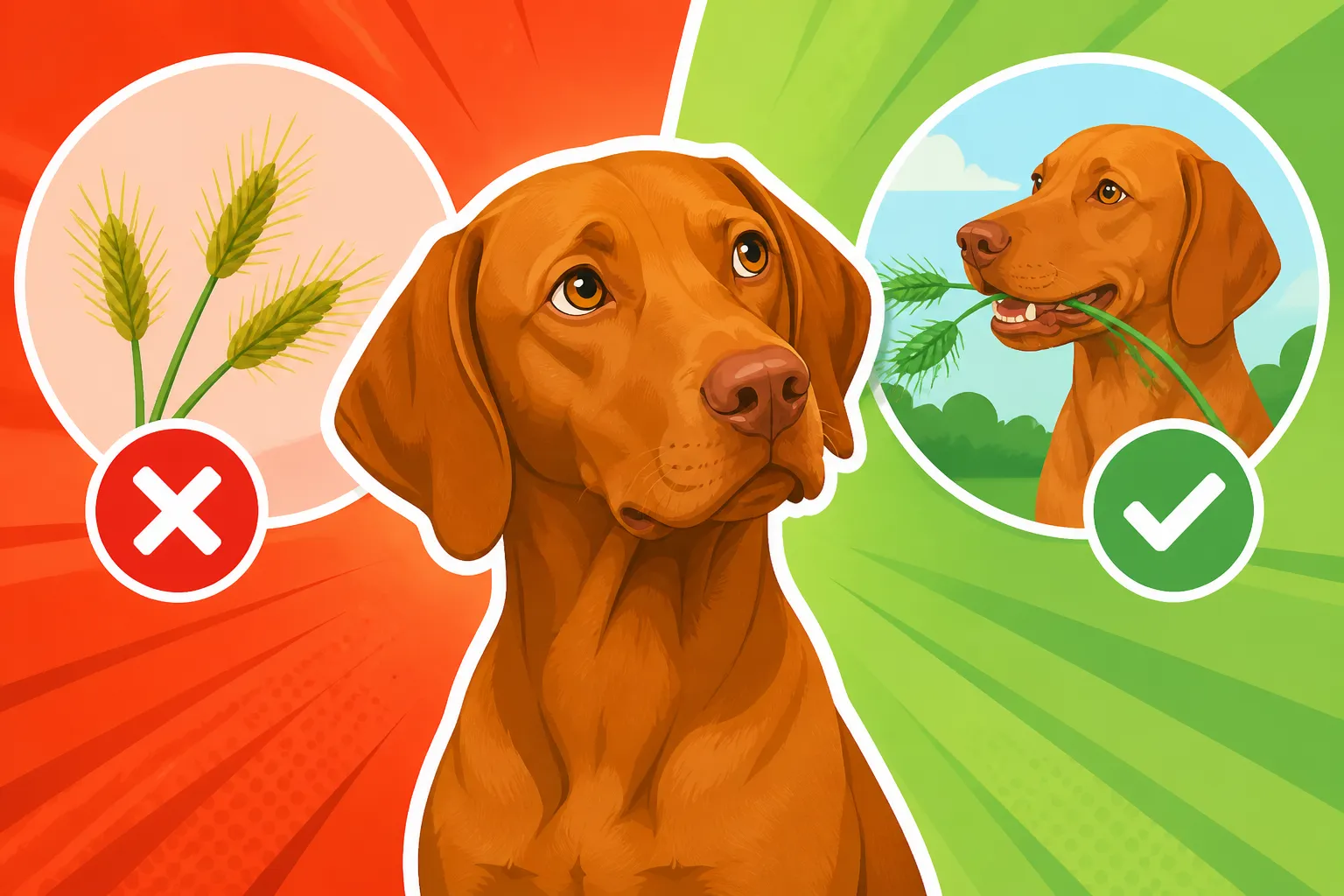
One of the most insidious threats lurking in fields and wild spaces for our beloved Vizslas isn't always obvious to the naked eye. Grass seeds, those tiny, seemingly innocuous plant awns, can cause an astonishing amount of pain, infection, and even serious medical complications for our active, thin-skinned companions. This guide will walk you through why these seeds are such a problem for Vizslas, where they typically embed, how to spot the signs, and crucially, what you can do to prevent and manage these frustrating incidents to keep your Hungarian marvel healthy and happy.
Why Vizslas are Uniquely Vulnerable to Grass Seeds
Our Vizslas are magnificent athletes, built for speed and endurance, and they absolutely live for exploring the world with their noses to the ground. Unfortunately, some of their most defining characteristics also make them prime targets for grass seed trouble. It’s a frustrating reality for many Vizsla owners who just want their dogs to run free and do what they love.
The Vizsla's Fine, Single Coat
Unlike some breeds with thick double coats that offer a layer of protection, our Vizslas have a wonderfully short, fine, and rather sparse single coat. While this means less shedding (mostly!) and that lovely "no doggy smell" trait we adore, it offers very little barrier against sharp, barbed grass seeds. These seeds, often with their ingenious backward-pointing barbs, can easily burrow through that sleek coat, past the skin, and into the soft tissue underneath.
Think about it: a dense-coated retriever might have seeds catch on the outer layer of their fur, making them easier to spot and brush out. For a Vizsla, those seeds can be deep into the skin before you even realize they're there, especially in areas where the skin is loose or thin, like the armpits or groin. They’re like tiny, unwelcome darts designed by nature to migrate. This is part of The Single Coat a Vizsla Has and Why It Changes Everything.
Their Energetic, Low-to-the-Ground Exploration Style
Vizslas are natural hunters, bred to quarter fields tirelessly, flushing and pointing game. This means they spend a lot of time with their heads down, sniffing through tall grasses, dense underbrush, and marshy areas where these seeds thrive. Their sheer enthusiasm for exploration means they don't pick and choose their path; they dive headfirst, quite literally, into whatever smells interesting. Every run through a summer field becomes a potential minefield of these tiny invaders.
This high-energy, immersive style of hunting and playing makes contact with seed-laden plants almost inevitable. They’re not just walking past; they’re rolling, running, and burrowing through the very places where grass seeds detach most readily.
Anatomical Features That Attract Trouble
Beyond their coat and activity, certain physical traits of a Vizsla sadly act as magnets for grass seeds. Their floppy ears, the spaces between their paw pads, and their ever-active noses are particularly susceptible. These are areas that are either naturally open, moist, or constantly exposed to the environment.
The pendulous nature of their ears means seeds can easily get trapped inside the ear canal, out of sight, and then work their way deeper with every head shake. The furry crevices between their toes are perfect hiding spots for seeds to latch on before they start digging into the delicate skin. And a Vizsla's sensitive nose, always sniffing, can inhale these seeds directly. It's a cruel irony that the very features that make them such superb hunters and delightful companions also put them at greater risk.
Where Grass Seeds Hide and Cause Trouble
Grass seeds are opportunistic little devils, and once they latch on, they seem determined to find their way into the most sensitive and problematic areas of your Vizsla's body. Knowing their favorite hiding spots is the first step in effective prevention and early detection.
Paws and Between the Toes
This is arguably the most common site for grass seed incursions. Your Vizsla’s paws are constantly on the ground, pushing through various terrains. The soft skin and fur between their paw pads, combined with the warmth and moisture, create an ideal environment for a seed to burrow. Once a seed gets lodged here, it's not content to stay on the surface. It will start to migrate inward, causing extreme discomfort and often leading to limping.
Owners often report their Vizsla suddenly becoming obsessed with licking a paw, sometimes to the point of redness or raw skin. This intense licking is usually the first tell-tale sign that something has embedded itself. If left untreated, these seeds can cause deep abscesses, swellings, and severe infections that can track up the leg, making a simple walk a painful ordeal. Regular checking of the paws, especially after a run through tall grass, is paramount. Whether a Vizsla Gets Grass Seeds in Its Feet highlights this specific concern.
Ears: A Hidden Pathway to Infection
The floppy, velvety ears of a Vizsla are another high-risk area. As they run through fields or shake their heads, grass seeds can easily fall into the ear canal. Once inside, the seed's barbs prevent it from simply falling back out. With every head tilt, shake, or scratch, the seed works its way deeper into the ear canal, irritating the sensitive lining.
You'll notice your Vizsla suddenly shaking their head vigorously, pawing at their ear, or tilting their head to one side. They might whine or seem unusually distressed. If you look inside the ear, you might not see anything, as the seed could already be deep. Left unchecked, a grass seed in the ear can lead to painful ear infections, damage to the eardrum, and even neurological issues if it migrates further. This is why Keeping a Vizsla's Ears Clear After Water Work is so important, as moisture can exacerbate these issues.
Nose, Eyes, and Delicate Skin Areas
While less common than paws or ears, grass seeds can also cause significant problems in other sensitive areas. A Vizsla’s powerful nose is constantly sniffing, and it's not unheard of for a seed to be inhaled directly into a nostril. This causes intense sneezing, snorting, and sometimes a bloody discharge as the dog tries desperately to dislodge it.
Similarly, seeds can occasionally get caught in the eye, causing irritation, excessive tearing, redness, and pawing at the face. The delicate skin around the eyelids or even underneath the third eyelid can become inflamed.
Beyond these entry points, seeds can also embed themselves anywhere on the body, especially in areas with thinner skin or where skin folds, such as the armpits, groin, belly, or even between the pads of their dewclaws. Whether a Vizsla Needs Its Dewclaws Watched for potential issues applies here. These skin penetrations often start as small, red bumps that can quickly develop into painful abscesses as the seed continues its journey inward, carrying bacteria with it. It’s a constant battle for The Thin Skin a Vizsla Takes Into the Field.
Recognizing the Signs of a Grass Seed Problem
Spotting a grass seed problem early can save your Vizsla a lot of pain and potentially prevent serious complications. Our Vizslas are stoic creatures, often trying to mask discomfort, but there are usually clear behavioral cues that something is amiss. It’s about being observant and knowing your dog’s normal habits.
Persistent Licking, Chewing, or Head Shaking
One of the most immediate and common indicators is a sudden change in your Vizsla's grooming habits or behavior. If your dog is incessantly licking or chewing at a particular paw, especially after a walk or run, it's a huge red flag. This isn't just a casual lick; it’s an obsessive, focused attempt to relieve irritation. You might notice redness, swelling, or even raw skin in the affected area.
Similarly, if your Vizsla starts shaking their head frequently, tilting it to one side, or pawing at an ear, a grass seed in the ear canal is a strong possibility. The ear might also appear red and inflamed, or you might detect a strange odor if an infection has started. They might even rub their head along furniture or the ground in an attempt to dislodge the foreign body.
Limping, Swelling, or Sensitivity
A grass seed embedded in a paw or elsewhere on the body can quickly lead to physical symptoms that impact your Vizsla’s mobility and comfort. If your dog is limping, favoring a particular paw, or refusing to put weight on it, always check thoroughly between the pads. The area might be swollen, warm to the touch, or overtly painful when gently squeezed. Sometimes, the swelling can be subtle at first, just a slight puffiness, but it will increase as the seed migrates deeper and causes more inflammation.
For seeds in other parts of the body, you might find a small, firm lump or an area of tenderness. Your Vizsla might flinch or react negatively when you touch that spot during your post-hunt Checking a Vizsla Over After a Hunt. If an abscess has formed, you might even see a small opening or a discharge of pus, indicating a serious infection.
Sneezing, Eye Discharge, or Visible Lesions
While less common, don't overlook symptoms related to the nose or eyes. Intense, repetitive sneezing, snorting, or reverse sneezing episodes, particularly if accompanied by pawing at the nose or a watery/bloody discharge from one nostril, strongly suggests a seed has been inhaled. This can be very distressing for your dog and requires prompt veterinary attention.
If a seed has entered an eye, you’ll likely see excessive tearing, redness of the conjunctiva, squinting, or your Vizsla constantly rubbing their face with a paw. The eye might appear cloudy or irritated. In some rare but severe cases, the seed can even damage the cornea.
Finally, for seeds that embed under the skin, you might initially just see a small red spot, almost like an insect bite. But unlike a bite, it won't resolve quickly. It might become a localized swelling, a "tracking wound" where the seed travels, or an angry, pus-filled lump. Any unexplained lump or skin irritation on your Vizsla should be investigated, especially after they've been in grassy areas.
Preventing Grass Seed Incidents
Prevention truly is the best medicine when it comes to grass seeds. While you can't eliminate all risk if your Vizsla is an active outdoor dog, you can significantly reduce their exposure and the likelihood of a serious problem. It takes a conscious effort, but it’s well worth it to avoid the pain and vet bills.
Regular Grooming and Post-Outing Checks
This is your first line of defense. After every outing, especially if you’ve been in tall grass, brush, or fields, give your Vizsla a thorough head-to-tail check. This isn't just a quick pat; it needs to be a systematic examination.
- Paws: Carefully spread each toe and inspect between the pads, feeling for any foreign objects or tender spots. Pay close attention to the webbing and around the nails.
- Ears: Gently lift the ear flap and look deep into the canal. Use a flashlight if needed. Feel along the base of the ear and around the opening.
- Coat: Run your hands thoroughly over their entire body, feeling for any tiny bumps, scabs, or signs of irritation. Brush them with a stiff bristle brush or a rubber curry comb to dislodge anything clinging to their short fur. You can find excellent grooming tools on Amazon or Chewy to make this routine easier.
- Other Areas: Don't forget their armpits, groin, belly, and tail. These tend to be areas where seeds can get caught and aren't always immediately obvious.
This routine not only helps catch seeds but also lets you find any cuts, scrapes, or ticks they might have picked up, which is crucial for Checking a Vizsla Over After a Hunt.
Strategic Avoidance and Management of High-Risk Areas
Knowing where grass seeds are prevalent can help you make smarter choices about where you exercise your Vizsla. During late spring, summer, and early autumn, when grass seeds are most mature and shedding, certain areas become particularly hazardous.
- Avoidance: Try to avoid walking or hunting in areas with very tall, dry grass, especially fields of wild oats, rye, or certain types of barley. These grasses are notorious for their particularly barbed seeds. If you must pass through such areas, keep your Vizsla on a leash and move quickly.
- Mowing: Keep your own yard mowed short. If you have access to private land, talk to the landowner about mowing high-risk areas before the seeds mature.
- Timing: Consider adjusting your outing times. Early morning walks when dew might still be on the grass can sometimes help weigh down seeds, making them less prone to sticking, though this is not a foolproof solution.
Being mindful of the environment is key. If you're out hunting, remember that Whether a Vizsla Cuts Itself Hunting is also a risk, and vigilance for all hazards is necessary.
Protective Gear for High-Risk Environments
For Vizslas that spend a lot of time in the field or in areas with known grass seed issues, protective gear can offer an extra layer of defense.
- Paw Protection: Dog boots are an excellent option for protecting paws from seeds, thorns, and rough terrain. While some Vizslas might take a bit of time to get used to them, they can save a lot of trouble. Make sure they fit well and don't rub. You can find a variety of styles on Amazon.
- Vests: A lightweight hunting vest can protect the chest and belly from seeds and brush, especially for a dog with The Thin Skin a Vizsla Takes Into the Field. These often come in blaze orange, adding a layer of visibility in the field. Whether a Vizsla Needs a Vest in the Field is often debated, but for grass seed protection, it can be beneficial.
- Ear Protection: While less common, some owners use snoods or ear coverings for dogs particularly prone to ear seeds, especially those with very long, floppy ears. This might be more practical for short periods in extremely dense, seed-laden cover.
Remember that any protective gear needs to be comfortable, breathable, and not cause overheating, especially for an active Vizsla.
First Aid and Veterinary Care for Grass Seed Issues
Even with the best preventative measures, sometimes a grass seed still finds its way in. Knowing what to do in the immediate aftermath, and when to seek professional help, is vital for your Vizsla's well-being.
At-Home Removal and Cleaning
If you find a grass seed on the surface of your Vizsla's coat or skin, or just barely embedded, you might be able to remove it yourself.
- Stop Further Migration: The moment you suspect a seed, stop your Vizsla from licking, chewing, or shaking.
- Examine Closely: Use good lighting, and ideally, a magnifying glass, to get a clear view. For paws, gently spread the toes. For ears, lift the flap.
- Attempt Removal: If the seed is visible and superficial, use a pair of fine-tipped tweezers to carefully grasp the seed at its base and pull it out in the direction it entered. Be extremely gentle to avoid breaking the seed or pushing it deeper.
- Clean the Area: Once removed, clean the area with an antiseptic wipe or a mild saline solution to prevent infection. Keep an eye on it for the next few days for any signs of swelling or redness.
It's critical to emphasize that if the seed is deep, if your Vizsla is in significant pain, or if you're unsure, do not attempt to dig it out yourself. You risk pushing it further, causing more damage, or leaving fragments behind.
When to Seek Immediate Veterinary Attention
There are clear scenarios where home care is not enough, and your Vizsla needs a vet now.
- Deeply Embedded Seeds: If you can't see the seed, or if it appears to be deep under the skin, in the ear canal, or near the eye, it’s time for the vet. They have specialized tools (like otoscopes for ears) and the expertise to remove it safely and completely.
- Signs of Infection: Any swelling, redness, warmth, pain, or discharge (pus or blood) around an suspected entry point indicates infection. This needs veterinary assessment and likely antibiotics.
- Severe Distress: If your Vizsla is showing extreme pain, persistent limping, continuous head shaking, uncontrollable sneezing, or is generally lethargic and unwell, don't delay.
- Ocular or Nasal Seeds: Seeds in the eye or nose are always a veterinary emergency. They can cause severe damage quickly and require precise removal.
Your vet will be able to locate the seed, often using sedation or local anesthetic, remove it, clean the wound, and prescribe any necessary medication, like antibiotics or anti-inflammatories. Remember that What a Vizsla's Emergency Field Injury Costs can be significant, but delaying treatment can lead to much more expensive and complex issues.
Managing Complications and Post-Removal Care
After a grass seed has been removed, proper follow-up care is essential to ensure full recovery and prevent secondary issues.
- Medication Adherence: If your vet prescribes antibiotics or pain medication, follow the instructions precisely. Finish the full course of antibiotics, even if your Vizsla seems better, to prevent antibiotic resistance and recurrence of infection.
- Wound Care: Keep the removal site clean and dry. Your vet might recommend warm compresses or specific topical treatments. Prevent your Vizsla from licking or chewing the area, perhaps with an Elizabethan collar (the "cone of shame") or a recovery suit, to allow the wound to heal undisturbed.
- Monitoring: Continue to monitor the area for any signs of persistent swelling, discharge, or discomfort. If symptoms worsen or don't improve within a few days, contact your vet again.
- Rest: Depending on the severity of the incident, your Vizsla might need a period of reduced activity or rest to allow for proper healing, especially if it was a deeply embedded seed or an abscess.
This table summarizes common grass seed problem areas, their signs, and initial actions:
| Problem Area | Common Signs | Initial Action (Home) | When to See a Vet Immediately |
|---|---|---|---|
| Paws/Toes | Intense licking, limping, swelling, redness | Examine carefully, remove superficial seed with tweezers, clean. | Seed deep/not visible, severe limping, pus/discharge, extreme pain. |
| Ears | Persistent head shaking, ear pawing, head tilting, redness inside ear. | Gentle visual inspection, if superficial, try to gently remove. | Seed deep/not visible, persistent head shaking, strong odor, signs of pain or infection. |
| Nose | Intense sneezing, snorting, pawing at nose, bloody discharge. | Do NOT attempt home removal. | ALL nasal grass seed suspicions. |
| Eyes | Excessive tearing, squinting, redness, pawing at eye. | Flush gently with sterile saline, do NOT rub. | ALL ocular grass seed suspicions. |
| Skin (Body) | Red bump, swelling, tenderness, small hole, discharge. | If superficial and visible, gently remove with tweezers, clean. | Seed deep/not visible, significant swelling, warmth, pain, pus. |
Seasonal Preparedness and Long-Term Management
Dealing with grass seeds isn't a one-and-done situation; it's an ongoing aspect of owning an active Vizsla. Developing a routine and staying prepared throughout the high-risk seasons will make a world of difference for your peace of mind and your dog's comfort.
Equipping Your Home First Aid Kit
Every Vizsla owner should have a well-stocked first aid kit specifically for canine emergencies, and grass seed issues should be a primary consideration. Make sure your kit is easily accessible and regularly checked for expired items.
Your kit should include:
- Fine-tipped tweezers: Essential for careful removal of superficial seeds.
- Antiseptic wipes or spray: To clean any entry points or minor wounds.
- Sterile saline solution: For flushing eyes or cleaning wounds.
- Magnifying glass: Helps with a clearer view of tiny seeds.
- Protective gloves: To maintain hygiene during examination.
- Elizabethan collar or recovery suit: To prevent licking/chewing after removal.
- Gauze pads and medical tape: For covering small wounds if needed.
- Dog boots: Keep a pair handy if you need to protect a sensitive paw after an incident, or for use in known high-risk areas.
- Vet's contact information: Always have your regular vet's number and the number for the nearest emergency veterinary clinic.
You can often find pre-made pet first aid kits or individual supplies on Chewy or Amazon. Remember, What a First Aid Kit for a Hunting Vizsla Holds should go beyond just grass seeds, encompassing a range of potential field injuries.
Cultivating Vigilance Through the Seasons
Grass seed season isn't just a brief window; it can span several months, generally from late spring through late summer and early autumn, depending on your local climate and vegetation. It starts when grasses dry out and the seeds mature and fall. Your vigilance needs to be highest during these times.
- Daily Checks: Make it a habit to perform a quick but thorough check of your Vizsla's paws, ears, and coat after every outing, regardless of how short or seemingly benign the walk was.
- Understanding Your Environment: Learn which grasses in your local area are the biggest culprits. Some common offenders include foxtails, wild oats, and certain types of brome grass.
- Weather Awareness: Dry, windy conditions can spread seeds far and wide, making them even more pervasive. Be extra cautious after a dry spell.
- Seasonal Grooming: During peak season, you might consider keeping the fur between your Vizsla's paw pads trimmed short to reduce the surface area for seeds to cling to. However, be extremely careful not to cut the sensitive skin.
Long-term management also involves understanding your Vizsla's overall health and knowing that seemingly minor issues can escalate. For instance, sometimes skin irritations can mimic early seed issues or become secondary infections, linking to topics like Managing a Vizsla's Skin for Life. Being proactive and informed will help ensure your Vizsla enjoys a long, healthy, and happy life, free from the unnecessary pain of grass seed intrusions.
Disclaimer
This article is for general informational purposes only and does not constitute professional advice. Laws, prices and regulations vary by location and change over time. Consult a qualified professional for guidance on your specific situation.