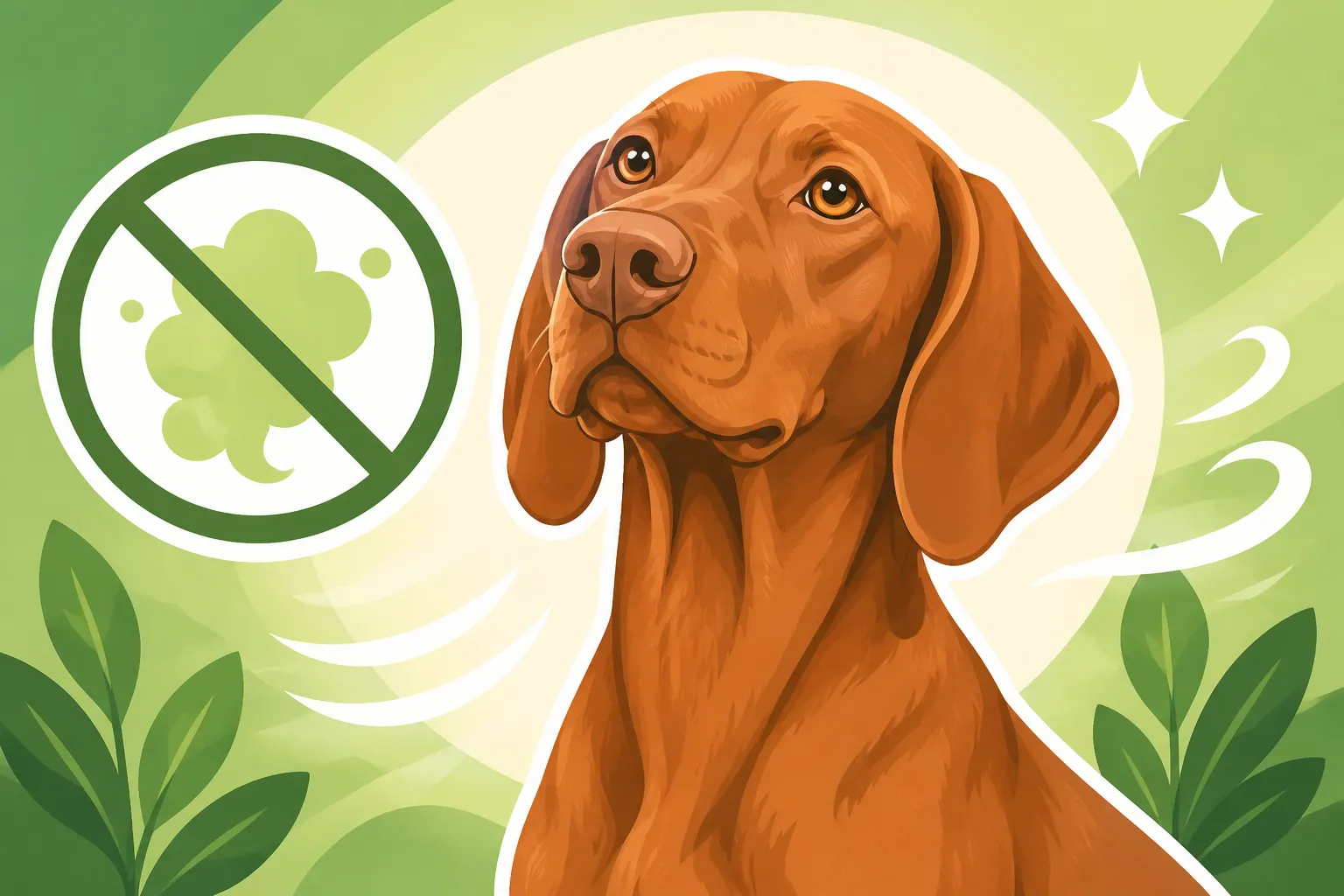
Why a Vizsla Has No Doggy Smell
It’s a common relief for many Vizsla owners when they realize that distinctive "doggy smell" often associated with owning a canine companion just isn't a dominant feature of life with a Vizsla. You know the one I mean – that damp, musky, sometimes slightly yeasty aroma that can permeate furniture and make you wonder if you’ll ever have a truly fresh-smelling home again. For a breed that spends so much time in close proximity to their people, often draped across laps or tucked under blankets, the lack of this strong scent is a huge bonus. This guide will dive deep into the fascinating reasons why Vizslas tend to be less odorous than many other breeds, exploring everything from their unique coat to their active lifestyle, and what you can do to maintain that fresh "Vizsla smell" – or lack thereof – for years to come.
The Truth About the "Doggy Smell" Phenomenon
Let's be honest, every dog has a smell, just like every person does. But there's a specific kind of odor that some dogs carry that can be quite overwhelming, and it's something many prospective dog owners dread. It's not just about a wet dog on a rainy day, which is a temporary thing; it's about a persistent, underlying scent that becomes part of their everyday presence. Understanding what causes this general "doggy smell" is the first step to appreciating why Vizslas often defy the stereotype.
What Causes the Common Doggy Odor
The pervasive "doggy smell" that many people associate with canines is a complex cocktail of factors, primarily stemming from the natural biology of a dog's skin and coat. Dogs have sebaceous glands located in their skin, which produce sebum – an oily, waxy substance that serves to moisturize the skin and coat, keeping it healthy and protected. While essential, this sebum can also be a breeding ground for bacteria and yeast, which naturally live on a dog’s skin. As these microorganisms break down the sebum, they release volatile organic compounds that our noses perceive as that characteristic doggy odor. Think of it like a micro-ecosystem thriving on your dog's skin, constantly producing and breaking down substances.
Beyond the natural secretions, external factors play a huge role. Dirt, dust, pollen, and environmental allergens get trapped in a dog's coat, especially if it’s thick or long. When a dog gets wet – whether from rain, a swim, or even just sweat – the water reactivates and intensifies these trapped scents, making them much more noticeable. Imagine a sponge soaking up all sorts of tiny particles, then being squeezed – that’s a bit like what happens with a wet, odorous dog. Furthermore, areas like the ears, paws, and mouth can harbor their own unique smells due to specific micro-environments or hygiene issues, adding to the overall canine bouquet.
Why Some Breeds Smell More Than Others
The variation in "doggy smell" across breeds is quite stark, and it largely comes down to genetics, coat type, and activity levels. Breeds with dense double coats, like many Huskies, Newfoundlands, or Golden Retrievers, tend to trap more dirt, dander, and moisture deep within their fur. This dense insulation creates a perfect environment for bacteria and yeast to flourish, leading to a stronger, more persistent smell. These undercoats can take a long time to dry, perpetuating the damp, musky odor even after the dog has been indoors for hours. Plus, some breeds are simply predisposed to oilier skin, producing more sebum that readily interacts with skin flora to create those distinct scents.
Consider also breeds with abundant skin folds, such as Bulldogs or Basset Hounds. These adorable wrinkles, while charming, can trap moisture and debris, becoming hotspots for bacterial or yeast infections if not meticulously cleaned. On the other end of the spectrum, breeds like Poodles, with their non-shedding coats, or some short-haired breeds with very little undercoat, often report less overall odor because their hair doesn’t trap as much debris, and their skin may produce less of the pungent oils. It's a spectrum, with the Vizsla falling firmly on the less-odorous side due to a combination of their physical characteristics and typical lifestyle.
The Vizsla's Unique Coat: A Natural Deodorizer
The Vizsla's coat is truly a marvel of natural design. It’s not just beautiful with its striking golden-rust color; it's also incredibly functional, playing a significant role in why these dogs generally don't carry that heavy "doggy smell." This isn't an accident; their coat evolved to suit their demanding role as a field dog, requiring a balance of protection and low-maintenance cleanliness.
The Single Coat Advantage
One of the primary reasons Vizslas are often praised for their lack of strong odor is their single coat. Unlike many breeds that boast a thick, insulating double coat with a soft underlayer and coarser guard hairs, a Vizsla possesses only a sleek, short, dense single coat. This means there's no dense, fluffy undercoat to trap dead skin cells, dirt, moisture, or environmental debris. The Single Coat a Vizsla Has and Why It Changes Everything dives deeper into the implications of this unique feature. Without that absorbent, insulating layer, moisture dries quickly, significantly reducing the opportunity for bacterial and yeast overgrowth that thrives in damp, warm environments.
Imagine spilling something on a carpet versus a hardwood floor. The carpet will soak it up and hold onto it, making it harder to clean thoroughly and more likely to develop lingering smells. The hardwood, however, allows for quick wipe-up and faster drying. A Vizsla's single coat is much like that hardwood floor – it sheds water and dirt more efficiently, preventing prolonged dampness and the accumulation of odor-causing grime. This inherent design is a massive advantage in keeping them naturally fresher, even after a romp in the woods or a splash in a pond.
How a Vizsla's Skin and Oil Production Differ
Beyond the visible coat, the Vizsla's underlying skin health and sebaceous gland activity contribute greatly to their low odor profile. While all dogs produce sebum, Vizslas tend to have a balanced oil production that doesn't lead to overly greasy or pungent skin. Their skin is fine and relatively delicate, but it's not prone to the excessive oiliness seen in some breeds that results in a heavy, greasy feel and a stronger scent. This balanced oil production means there’s less raw material for the skin bacteria and yeast to break down into smelly compounds.
Moreover, the quality of their skin itself, when healthy, forms a good barrier that resists the kind of microbial imbalances that lead to odor. Issues like excessive dryness or flakiness can sometimes indicate underlying problems, but generally, a healthy Vizsla's skin supports a neutral scent. Their genetic predisposition seems to favor a less reactive skin microbiome, one that coexists more harmoniously with their natural secretions without escalating into an offensive smell. It’s a delicate biological balance that, when maintained, keeps them smelling relatively clean and neutral.
Shedding and Self-Cleaning Properties
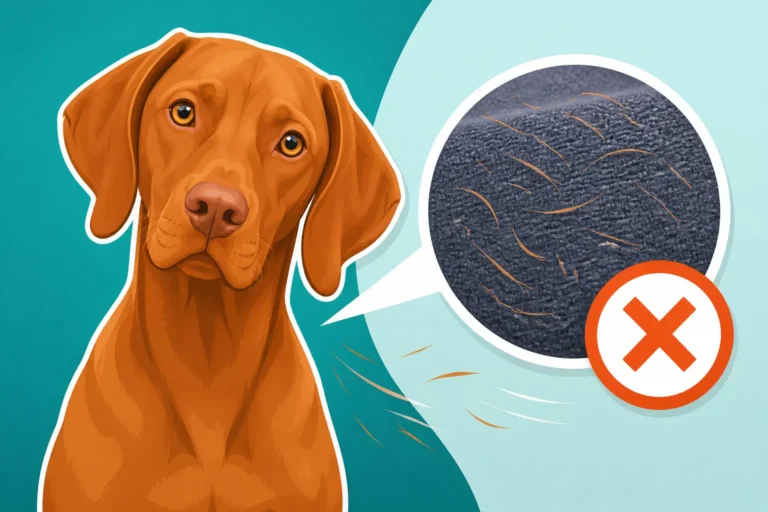
Yes, Vizslas shed, and anyone who lives with one can confirm it! However, their shedding pattern actually contributes to their low odor. Vizslas shed fine, short hairs consistently throughout the year, rather than undergoing massive seasonal "blow-outs" like many double-coated breeds. This constant, gentle turnover of hair means that dead hairs, along with any trapped dander or microscopic debris, are regularly removed from their coat. How Much a Vizsla Sheds explains this in more detail. This continuous renewal prevents the buildup of old, decaying organic matter that could contribute to a stale smell.
Furthermore, the short, sleek nature of their coat gives it a remarkable "self-cleaning" property. Dirt, mud, and dust tend to dry and flake off rather than getting deeply embedded in the fur. A good shake, a quick rub against a bush, or even a casual pet can dislodge much of the surface grime. After a muddy adventure, you might notice clumps of dried mud simply falling off your Vizsla as they move. This efficiency means less persistent dirt to harbor bacteria and less need for frequent, intense bathing. It’s part of what makes them such practical companions for active lifestyles, as they often seem to clean up themselves naturally.
Lifestyle Factors That Contribute to a Clean Vizsla
It's not just about what a Vizsla is born with; it's also about how they live. The typical Vizsla lifestyle, characterized by high activity and close companionship, plays a significant role in maintaining their fresh scent. These are dogs that are rarely sedentary and almost never left to languish in conditions that would foster unpleasant odors.
An Active Life Means Less Lingering Odor
Vizslas are bundles of energy, requiring significant daily exercise. This isn't just good for their physical and mental health; it also helps keep them smelling fresh. Constant movement, running, and exploring mean their coats are regularly exposed to air and natural elements, helping to aerate their fur and prevent the stagnant conditions that can lead to odor. Unlike a dog that might spend hours curled up on a damp dog bed, an active Vizsla is constantly circulating air through its coat.
Their metabolism is also revving high, which can contribute to overall health and vitality, which indirectly impacts skin and coat condition. Think of it this way: a healthy, active body tends to shed toxins more efficiently, and this can be reflected in skin health. When a Vizsla is out running through fields, the friction of tall grasses and their own vigorous shaking can actually help dislodge dirt and loose hairs, effectively "brushing" their coat as they exercise. This natural grooming, combined with quick drying due to their single coat, means that their active life is intrinsically linked to their low odor.
The Impact of Diet on Skin and Coat Health
What goes into your Vizsla's bowl has a profound impact on what comes out, and that includes their scent. A high-quality, balanced diet rich in essential fatty acids (like Omega-3s and Omega-6s) is crucial for healthy skin and a shiny, low-odor coat. These nutrients help maintain the skin's natural barrier function, reduce inflammation, and ensure balanced sebum production. When a dog's diet is lacking, their skin can become dry, flaky, or overly oily, leading to a compromised skin barrier and an increase in bacterial or yeast overgrowth, which in turn causes more smell.
Many owners opt for premium kibbles, fresh food diets (like those offered by Ollie), or even raw feeding to ensure their Vizsla is getting optimal nutrition. These diets often include ingredients that specifically target skin and coat health, such as fish oils, flaxseed, and high-quality protein sources. Conversely, diets with too many fillers, artificial ingredients, or common allergens can trigger skin sensitivities, leading to scratching, hot spots, and secondary infections, all of which will undeniably contribute to a stronger, less pleasant odor. Feeding a Vizsla That Burns Everything It Eats emphasizes the importance of nutrition for these energetic dogs, and how proper diet supports overall wellness, including a fresh-smelling coat.
Grooming Practices That Maintain Freshness
While Vizslas are generally low-odor, regular, sensible grooming is still key to maintaining their fresh scent. This doesn't mean daily baths, which can actually strip their skin of natural oils and cause irritation. Instead, it means a routine that supports their natural cleanliness. Brushing a Vizsla a few times a week with a rubber curry brush or a grooming mitt (easily found on Amazon or Chewy) helps to remove loose hair, dander, and surface dirt before it can accumulate. This also stimulates blood flow to the skin, promoting healthy oil distribution.
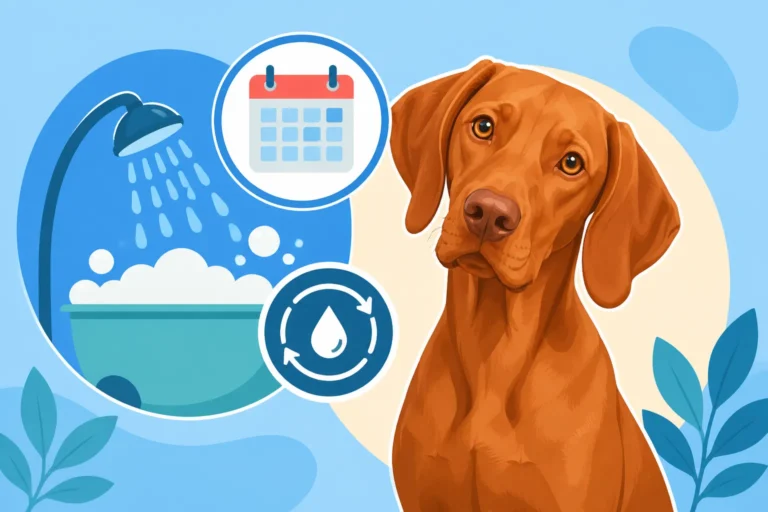
Bathing should be done as needed, typically every few weeks or months, or after particularly messy adventures. When you do bathe your Vizsla, use a mild, dog-specific shampoo that won't irritate their sensitive skin. How Often a Vizsla Should Be Bathed offers practical advice on this. Post-bath, ensure they are thoroughly dried, especially in cooler weather, to prevent any dampness from turning into a musty smell. Quick drying is one of their coat's superpowers, so take advantage of it! Beyond bathing, routine checks of their ears, paws, and teeth are essential. Clean ears prevent yeast infections, trimmed nails prevent paw issues, and good dental hygiene combats bad breath, all of which contribute to the overall impression of a clean dog. What a Vizsla Needs Every Day includes these daily care aspects.
Environmental Influences and the Vizsla's Scent
Even the freshest Vizsla can pick up odors from its environment. While their coat is excellent at shedding dirt, prolonged exposure to certain conditions or substances will inevitably leave its mark. Understanding these external influences helps owners keep their Vizslas truly odorless.
How Moisture and Muck Affect Odor
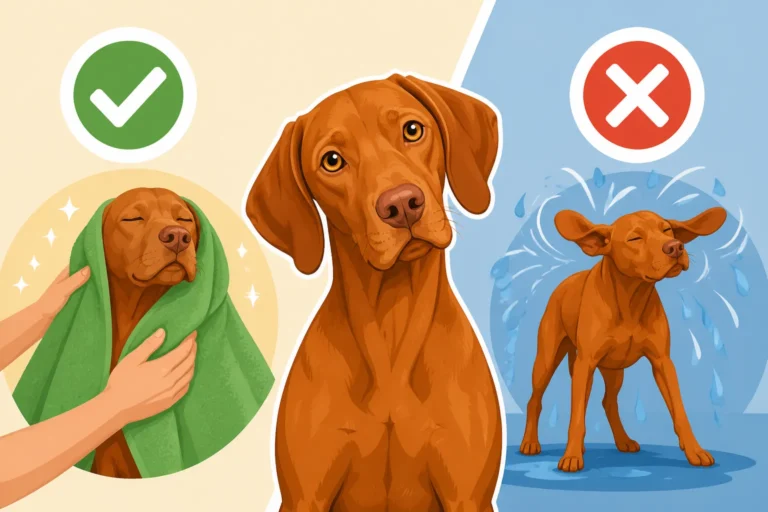
Let's face it, Vizslas love to explore, and that often means getting into puddles, streams, and muddy fields. While their single coat dries quickly, any prolonged dampness, especially if combined with dirt or organic matter, can lead to a temporary "wet dog" smell. This isn't the same as the inherent body odor of some breeds, but it's still a noticeable scent. The key here is "temporary." A Vizsla that gets wet and then dries completely, often with a good shake and perhaps a quick towel-off, will usually return to their neutral scent fairly quickly.
However, if a Vizsla is repeatedly getting wet and isn't allowed to dry thoroughly, or if they're sleeping on damp bedding, that temporary wet-dog smell can become more persistent. The moisture creates a prime environment for surface bacteria to multiply, leading to a slightly musty or yeasty scent. Similarly, rolling in particularly pungent muck – be it mud from a stagnant pond or something far less appealing – will, of course, make any dog smell. The good news is that for a Vizsla, these odors tend to be superficial and easily washed or brushed out, rather than deeply embedded in a thick undercoat. Whether a Vizsla Smells After Swimming delves into how quickly these dogs can shed water and dry out.
The Role of Living Conditions
A Vizsla's living environment also plays a big part in their overall scent. A clean home with fresh bedding, regularly vacuumed carpets, and good ventilation will naturally contribute to a fresher-smelling dog. Conversely, a dusty, damp, or cluttered living space can impart those environmental smells onto your Vizsla's coat, regardless of how clean the dog itself is. Vizslas are "Velcro dogs" who spend a lot of time on furniture and in their owners' beds, so the cleanliness of these shared spaces directly impacts their smell.
For instance, if your Vizsla sleeps on a dog bed that rarely gets washed, that bed will accumulate oils, dander, and environmental odors, which will then transfer back to your dog. The same applies to blankets, carpets, and even your own clothes. Ensuring that their sleeping areas and the places they frequent are kept clean is just as important as cleaning the dog itself. Because Vizslas crave comfort and warmth, they often burrow into soft furnishings, making it even more important that these items are regularly laundered.
Addressing External Contaminants
Beyond general muck, Vizslas, like any outdoor enthusiast, can encounter specific external contaminants that produce strong odors. Skunk spray is the classic example, and no dog is immune to its potent effects. Rolling in animal feces, stepping in something unpleasant, or encountering certain strong-smelling plants can all leave your Vizsla with an unwelcome scent. The advantage for a Vizsla here is their short coat makes these incidents generally easier to clean up than on a long-haired breed.
A quick rinse or targeted bath with a deodorizing shampoo (often available through retailers like Chewy or Amazon) is usually sufficient to address these external contaminants. The key is to act quickly before the odor-causing substances have a chance to deeply penetrate the skin or bond with the natural oils on the coat. Keeping a specific "de-skunking" solution or a good pet odor eliminator on hand is a smart move for any Vizsla owner, as their adventurous nature means they are likely to find themselves in such a predicament eventually.
When Your Vizsla Does Smell: Uncovering the Causes
While Vizslas are renowned for their lack of strong body odor, it's not impossible for them to develop an offensive smell. If your usually fresh-smelling Vizsla suddenly starts to emit an unpleasant scent, it's a clear signal that something isn't right. This change in odor is a red flag that warrants attention, as it often points to an underlying health issue or an environmental factor that needs to be addressed. Don't dismiss a sudden smell; it's your dog communicating a problem.
Common Medical Reasons for Odor
A sudden or persistent "bad dog smell" that isn't due to rolling in something foul often has a medical root. One of the most common culprits is skin infections, either bacterial or yeast-based. These can manifest as a greasy, yeasty, or even rotten smell, often accompanied by redness, itching, or flaky skin. Allergies (environmental or food-related) can lead to skin irritation, allowing these secondary infections to take hold. Managing a Vizsla's Skin for Life offers broader advice on skin care.
Ear infections are another very common source of unpleasant odors, often emitting a distinct yeasty or pungent smell from the affected ear. Vizslas, with their floppy ears, can be susceptible if moisture or debris gets trapped. Whether a Vizsla Gets Ear Infections provides further details. Dental disease, ranging from tartar buildup to gum infections, causes foul breath that can permeate the entire dog. Anal gland issues, where the glands become impacted or infected, also produce a strong, fishy odor. Any of these conditions require veterinary attention to diagnose and treat properly. If you notice a localized or pervasive new smell, a trip to the vet is always the first best step.
Dietary Issues and Their Scent Signals
We talked about how a good diet helps maintain a fresh Vizsla, but a poor diet can certainly make them smelly. When a Vizsla is fed an inappropriate diet, or one they are sensitive to, it can lead to a cascade of issues that result in odor. Food allergies or sensitivities can manifest as skin irritation, excessive itching, and secondary skin infections (bacterial or yeast), all of which contribute to an unpleasant smell. The gut-skin connection is strong, so what happens internally can be reflected externally.
Beyond skin issues, digestive problems themselves can cause odor. Chronic diarrhea, gas, or even just general gastrointestinal upset can lead to a pervasive, sour smell emanating from the dog. Poor digestion can also impact the quality of the coat, making it dull, dry, or greasy, which then becomes more susceptible to holding onto environmental odors or fostering microbial growth. If your Vizsla's smell is accompanied by digestive upset, changes in stool, or excessive gas, it’s a strong indicator that their diet needs to be re-evaluated, perhaps with the help of your veterinarian or a canine nutritionist. Whether a Vizsla Has a Sensitive Stomach highlights how important diet is for this breed.
Identifying Environmental Traps
Sometimes, the odor isn't coming from your Vizsla directly, but from their environment, or substances they've transferred. The dog bed is a prime suspect. If it hasn't been washed in a while, it can accumulate oils, dander, and trapped moisture, becoming a pungent source of "doggy smell" that then transfers back to your freshly bathed Vizsla. Soft furnishings, carpets, and even car seats can similarly become saturated with odors over time.
Think about where your Vizsla spends most of its time. Do they have a favorite blanket that's overdue for a wash? Do they often lie on a damp spot in the yard? Are they regularly exposed to smoke, strong cooking odors, or other pervasive smells in the home? These can all cling to their short coat. Identifying and addressing these environmental "odor traps" is crucial. Regular cleaning of bedding, vacuuming, and ensuring good air circulation in your home can go a long way in preventing these smells from attaching to your Vizsla. Sometimes the solution isn't another bath, but a thorough cleaning of their favorite resting spots.
Here's a quick comparison of why Vizslas tend to smell less versus breeds known for higher "doggy odor":
| Feature | Vizsla (Low Odor) | Typical High Odor Breed (e.g., Some Retrievers, Bulldogs) |
|---|---|---|
| Coat Type | Single, short, sleek, dense | Double coat (dense undercoat), long hair, or skin folds |
| Drying Time | Very fast; sheds water efficiently | Slow; undercoat holds moisture |
| Sebum Production | Balanced; not overly greasy | Can be higher; prone to oiliness |
| Shedding Pattern | Consistent, fine shedding; aids self-cleaning | Seasonal heavy shedding; undercoat mats can trap debris |
| Skin Folds | Minimal to none | Often present (e.g., face, body); traps moisture and bacteria |
| Activity Level | High; constant movement airs coat, promotes health | Varies; more sedentary dogs can accumulate odors if hygiene is poor |
| Grooming Needs | Minimal bathing; regular brushing to remove loose hair | Frequent bathing/grooming often required; specialized care for folds |
| Common Odor Source | Environmental pickup, specific infections (e.g., ears) | Inherent body odor, chronic skin issues, slow drying, environmental buildup |
Maintaining That Signature Vizsla Freshness
While Vizslas are naturally low-odor, that doesn't mean they're entirely maintenance-free. To keep your Vizsla smelling like sunshine and fresh air – or rather, not smelling like much at all – a proactive approach to their care is essential. It's about working with their natural attributes, not against them, to ensure they remain the delightful, close companions we all adore.
Regular Grooming for a Healthy Coat
Consistent, gentle grooming is the cornerstone of maintaining your Vizsla's clean scent. This isn't about elaborate salon treatments, but rather a simple, effective routine. Regular brushing, 2-3 times a week, is vital. A good rubber curry brush or a grooming glove (readily available on Amazon or Chewy) will effectively remove loose hairs, dead skin cells, and any surface dirt. This keeps the coat sleek, stimulates circulation, and distributes natural oils evenly, preventing buildup that can lead to odor. Think of it as a mini massage that also keeps their personal hygiene in check.
Bathing should be done on an "as-needed" basis, usually when they’ve gotten particularly muddy or have encountered something truly smelly. Over-bathing can strip essential oils, leading to dry, irritated skin that paradoxically can become more prone to issues and odor. When you do bathe, use a high-quality, pH-balanced dog shampoo. After bathing, ensure your Vizsla is thoroughly dried, paying special attention to areas like their armpits and groin. A quick towel rub followed by air drying is usually sufficient for their fast-drying coat. Regular checks of their paws, making sure there are no foreign objects between their toes, are also important, as embedded grass seeds or debris can lead to infection and odor. The Thin Skin a Vizsla Takes Into the Field means their skin needs gentle care, especially after outdoor adventures.
The Right Diet for Optimal Skin Health
As discussed, nutrition plays a monumental role in a Vizsla's skin and coat health, and by extension, their scent. Feeding a high-quality, balanced diet provides the essential nutrients, vitamins, and minerals needed to maintain a robust skin barrier and healthy sebum production. Look for dog foods that list real meat as the first ingredient and are rich in omega fatty acids, which are crucial for skin and coat health. Brands like Ollie, known for their fresh, human-grade ingredients, can be an excellent option for promoting overall wellness, including a healthy, low-odor coat.
If you suspect food sensitivities are contributing to skin issues or a change in odor, consult your vet about an elimination diet. This involves systematically removing potential allergens to identify what might be causing the problem. Supplementing their diet with high-quality fish oil can also be beneficial, as it boosts omega-3 intake, which is excellent for skin health and can reduce inflammatory responses that sometimes lead to odor. Remember, a healthy gut often equals healthy skin, so investing in good nutrition for your Vizsla is an investment in their long-term freshness and well-being.
Proactive Care and Veterinary Check-ups
Even with the best at-home care, some issues are beyond our scope. Regular veterinary check-ups are paramount for proactive odor management, as many of the underlying causes of a smelly Vizsla are medical. Your vet can perform routine checks of their ears, teeth, skin, and anal glands, catching potential problems before they escalate and become noticeably odorous. For instance, addressing Whether a Vizsla Needs Its Teeth Brushed as part of routine dental care can prevent foul breath that impacts their overall smell.
If you notice any persistent or new odors, don't wait. A vet can diagnose ear infections, skin conditions, or anal gland issues and prescribe appropriate treatments. Early intervention is key to preventing discomfort for your Vizsla and stopping the odor from becoming entrenched. Beyond specific issues, maintaining a healthy weight for your Vizsla and ensuring they get plenty of exercise contributes to their overall vitality, which is reflected in their healthy, low-odor skin and coat. Caring for an Old Vizsla That Has Stopped Hunting requires particular vigilance for health changes that could manifest as new odors. By combining their natural advantages with diligent, loving care, you can ensure your Vizsla remains a wonderfully fresh and clean companion throughout their life.
Disclaimer
This article is for general informational purposes only and does not constitute professional advice. Laws, prices and regulations vary by location and change over time. Consult a qualified professional for guidance on your specific situation.