Whether a Vizsla Chases Deer
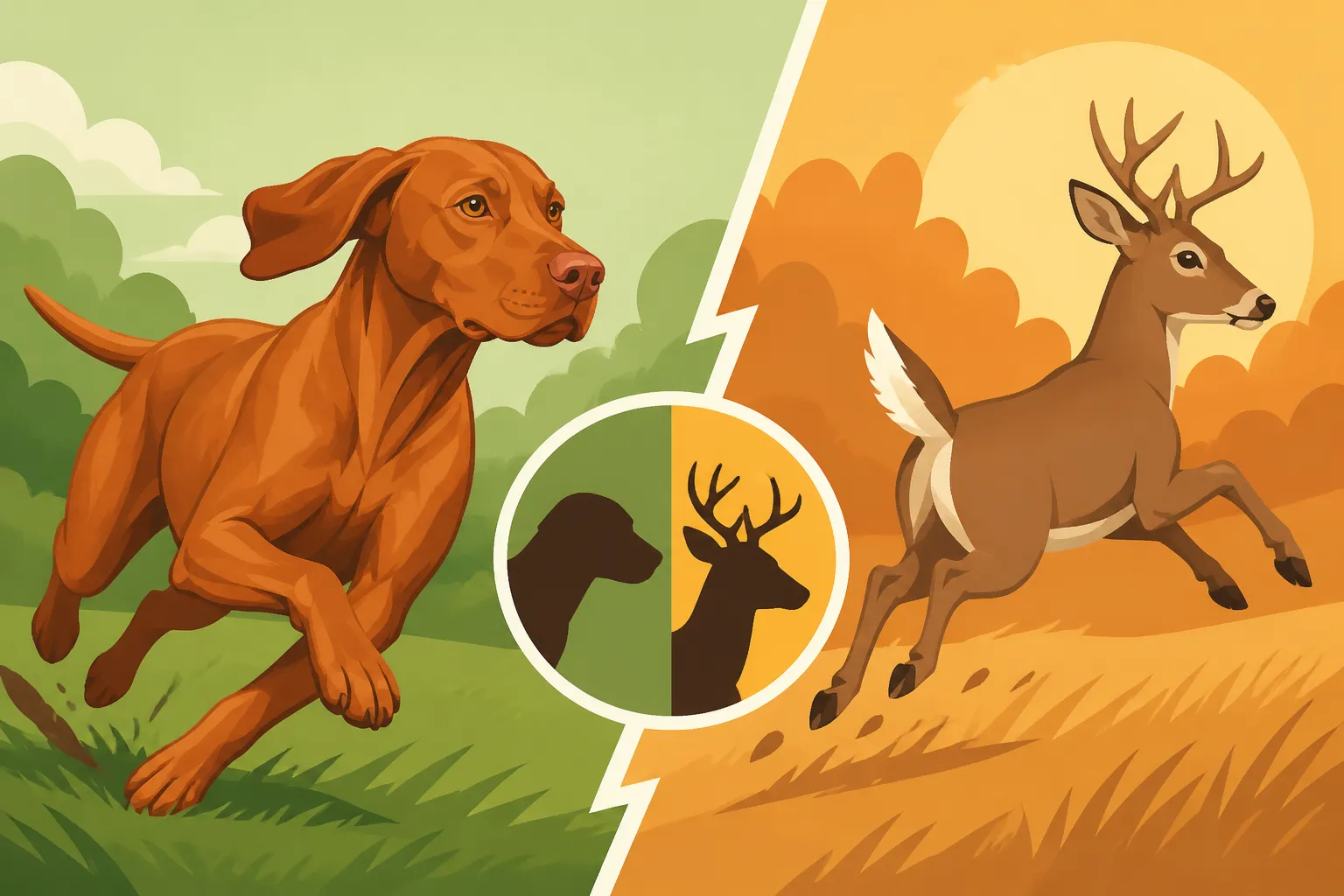
It's a scene many of us Vizsla owners have faced with a mix of dread and exasperation: that sudden stiffening, the nose twitching, the head lifting, and then the explosion of power as your beautiful, beloved copper dog disappears in a flash after a fleeing deer. It’s frustrating, terrifying, and often, frankly, an utterly natural response for our instinct-driven companions. This guide is all about understanding why your Vizsla chases deer and, more importantly, how you can manage this deeply ingrained instinct to keep both your dog and local wildlife safe.
Understanding the Vizsla's Instinct to Chase Deer
To truly tackle the deer chase, we first have to understand the heart of our Vizslas. These aren't just pretty faces; they are highly evolved hunting machines, bred for centuries to work with humans in the field.
The Vizsla's Deep-Rooted Prey Drive
Let's be honest: Vizslas were quite literally built for the chase. Their ancestors were companions to the Magyar tribes, assisting in hunting fowl and small game on the Hungarian plains. This heritage is deeply embedded in their DNA. When a Vizsla catches the scent of deer, their entire being lights up with purpose. It's not malice; it's pure, unadulterated instinct taking over. They are scent hounds with a visual component, meaning they pick up on subtle air currents carrying deer scent long before you ever see anything, and then once they spot the movement, it's game on.
This isn't your Vizsla being disobedient out of spite. It's them being exactly what they were bred to be – a hunter. The frustration for us comes from living in a modern world where these instincts can put them, and us, in tricky situations. A squirrel in the park might be one thing, but a full-blown deer chase can quickly escalate into a dangerous scenario. For a deeper dive into their innate hunting abilities, you might find Whether a Vizsla Is Really a Pointer or a Retriever interesting.
Why Deer are Different from Birds
You might think, "But my Vizsla is great with birds! They point and retrieve so well." And you'd be right! Many Vizslas excel at bird work, which involves specific behaviors like pointing, holding steady, and retrieving. This work is a partnership, with the dog focusing on specific tasks in relation to the hunter.
Deer, however, present a different kind of prey entirely. They are larger, faster, and represent a primal, raw chase. There's no delicate pointing required, no careful retrieve. It's about pure, unadulterated pursuit. The adrenaline rush of a full-speed dash through the woods after a deer is an incredibly self-reinforcing reward for a Vizsla. The visual stimulus of a bounding deer, combined with the potent scent, often overrides any previous training, especially if the recall isn't absolutely bulletproof. It's a different brain system that kicks in – less about cooperative hunting and more about sheer, uninhibited pursuit.
The Dangers of a Vizsla Chasing Deer
While it's easy to dismiss a deer chase as "just being a dog," the reality is that it carries significant risks, not just for your Vizsla but for the deer population and even your standing in the community.
Risk to the Vizsla Itself
Vizslas are fast, agile, and incredibly driven. When they lock onto a deer, their awareness of their surroundings drops dramatically. This single-minded focus can lead to a multitude of dangers:
- Road Hazards: A deer won't stop for a road, and neither will a Vizsla in full pursuit. Many heartbreaking stories begin with a dog chasing wildlife directly into traffic. Even if your Vizsla is usually good with road safety, the adrenaline of the chase can make them oblivious.
- Getting Lost: Vizslas can cover an astonishing amount of ground in a short time. They follow scent trails far beyond their familiar territory, becoming disoriented. A panicked deer can lead them on a circuitous route, making it incredibly difficult for them to find their way back or for you to find them. This is why having a robust recall like the one discussed in Building a Recall on a Vizsla That Ranges is so critical.
- Injuries: Running full tilt through dense woods, over uneven terrain, or across streams can lead to serious injuries. Cuts from branches, sprains, torn muscles, pad injuries, and even broken bones are all possibilities. A Vizsla's thin skin is also prone to tearing in thick cover, which is why checking them over after a hunt, as covered in Checking a Vizsla Over After a Hunt, is crucial.
- Exhaustion and Overheating: Vizslas have incredible stamina, but an uncontrolled, prolonged chase can push them beyond their limits, especially in warm weather. Overheating is a real danger, potentially leading to heatstroke.
- Wildlife Encounters: While deer are unlikely to fight back, other wildlife encountered during a chase, such as coyotes or even an angry wild boar in some regions, could pose a serious threat to your Vizsla.
Risk to Wildlife and Public Perception
It's not just about your dog's safety. Allowing a dog to chase deer also has a significant impact on the deer population and the way the public views dog owners.
- Harm to Deer: Chasing deer, particularly during vulnerable times like fawning season or deep winter when energy reserves are low, can be incredibly detrimental. A pregnant doe chased repeatedly can abort her fawns. Young fawns, left hidden by their mothers, can be stressed or even attacked by a dog. Even a non-contact chase causes immense stress and expends vital energy for the deer, making them more susceptible to disease or predation.
- Disruption of Habitat: Persistent dog activity can push deer out of preferred feeding and bedding areas, impacting their natural rhythms and potentially leading to overgrazing in other spots or increased road crossings.
- Legal Ramifications: In many areas, it is illegal for dogs to harass or chase wildlife, especially deer. You could face hefty fines, legal action, and even have your dog seized. This isn't just a casual warning; authorities take this very seriously to protect local ecosystems.
- Negative Public Perception: Every time an uncontrolled dog chases wildlife, it casts a shadow on all dog owners. It fuels the argument for stricter leash laws and restricted access to natural areas, ultimately limiting the freedom for responsible dog owners to enjoy the outdoors with their well-behaved companions. This is why ensuring your Vizsla is Whether a Vizsla Is Safe Off Leash is so important.
Strategies to Prevent Your Vizsla from Chasing Deer
Preventing deer chasing in a Vizsla requires a multi-faceted approach that combines rock-solid training with responsible management. It's not a one-and-done solution; it's an ongoing commitment.
Building an Ironclad Recall
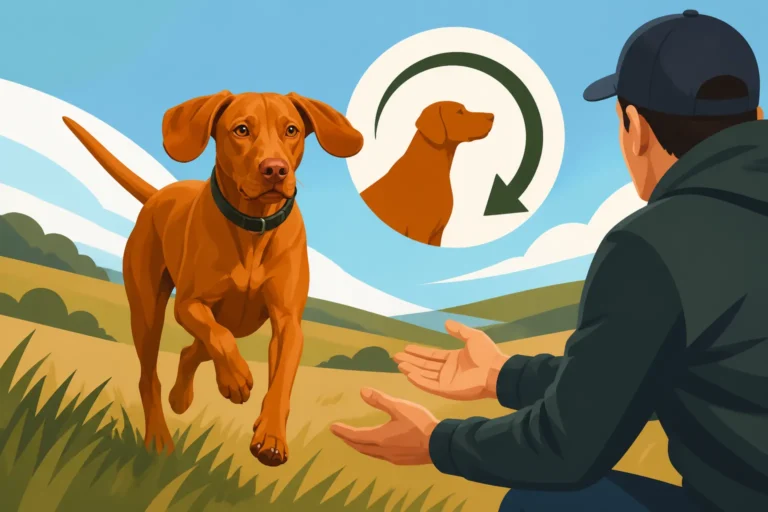
This is, without a doubt, the most crucial tool in your arsenal. A Vizsla with an unreliable recall is a Vizsla that shouldn't be off-leash in any area where deer might be present.
- Start in a Low-Distraction Environment: Begin recall training in your home or a securely fenced yard with no distractions. Use a unique, happy recall word or a whistle – something you only use for recall.
- High-Value Rewards: Vizslas are highly food-motivated! Use treats they absolutely adore – boiled chicken, cheese, hot dogs, anything that makes them think "jackpot!" Make coming back to you the most rewarding thing ever. Every single time they return, it's a party.
- Consistent Practice: Practice recall several times a day in short, fun sessions. As your Vizsla masters it in quiet spaces, gradually introduce more distractions. Take it to a quiet park, then a busier park, always ensuring success before increasing difficulty. Remember, How Long a Vizsla Holds Concentration can vary, so keep sessions short and positive.
- The Long Line is Your Friend: Before going off-leash in open areas, use a long line (20-50 feet). This allows you to give your Vizsla freedom to roam while still maintaining control. If they ignore your recall cue, you can gently guide them back with the line, ensuring they don't get the reward of the chase. This is particularly helpful when working around potential deer scent.
- Make Coming Back More Rewarding Than the Chase: This is the golden rule. If your Vizsla sees a deer, calls them, and they come back, they should get the absolute best reward. If they chase, they get nothing (and potentially get put back on a leash). The goal is to condition them to associate you with the ultimate reward, even when a deer is present. For sensitive Vizslas, remember that The Soft Vizsla That Shuts Down When You Raise Your Voice means a gentle, positive approach is always best.
Management and Environmental Control
Even with a great recall, management is key, especially in high-risk areas.
- Leash Up in Known Deer Habitats: If you know an area has deer, keep your Vizsla on a leash. Period. It's not worth the risk. A hands-free leash can still give you a good connection while keeping your dog secure.
- Secure Fencing at Home: If your yard is bordered by woods or open fields, ensure your fencing is truly secure. Vizslas are athletic and can jump or find weak spots if motivated by a deer.
- GPS Collars for Peace of Mind: While not a substitute for training, a GPS collar can be an invaluable tool if your Vizsla does manage to get away. Brands like Garmin offer excellent tracking capabilities that can help you locate a lost dog quickly. For more on this, check out What a GPS Collar Costs for a Vizsla.
- Train Away From Deer: Initially, avoid areas with known deer populations during training. Focus on building that strong recall and impulse control in neutral environments. Only introduce deer-prone areas once your training is exceptionally strong.
Counter-Conditioning and Desensitization
This advanced training helps your Vizsla learn to ignore deer, or at least check in with you, rather than giving chase.
- "Look at That" Game: When you spot a deer in the distance (before your Vizsla does, if possible), immediately click or mark the moment, reward your Vizsla, and redirect their attention to you. The goal is to make seeing a deer a cue for them to look at you for a treat, rather than running after the deer. This is about changing their emotional response.
- Reward Disengagement: If your Vizsla spots a deer but then chooses to disengage and look at you, that's a monumental win! Reward that heavily. This reinforces the idea that ignoring the deer and focusing on you brings the best outcome.
- Practice Proximity Control: If you can safely work with your Vizsla on a long line in an area where deer are present but at a distance, practice calmly walking, asking for short recalls, and rewarding attention on you. Gradually, very gradually, you can try to decrease the distance, always ensuring your dog remains under control and focused on you.
Tools and Training Aids to Support Deer Management
Beyond basic training techniques, certain tools and resources can greatly assist in managing your Vizsla's prey drive around deer.
Essential Gear for Safe Off-Leash Work
Responsible off-leash management, especially in areas with potential wildlife, relies heavily on having the right equipment.
- Long Lines: As mentioned, a sturdy long line is indispensable for teaching and practicing recall in environments with distractions. It gives your Vizsla the illusion of freedom while you retain crucial control. This allows them to explore and sniff, satisfying some of their natural curiosity, but prevents them from bolting if a deer appears. Always ensure the line is securely attached to a well-fitting harness, not just a collar, to prevent neck injuries.
- GPS Collars: These devices are a non-negotiable for many Vizsla owners who venture into wilderness areas. While they don't prevent a chase, they provide peace of mind by allowing you to track your dog's location in real-time if they do get lost. Some models even offer geofencing alerts, letting you know if your dog leaves a designated safe zone.
- High-Value Treats and Toys: Your reward system needs to outcompete the intrinsic reward of the chase. Small, potent, smelly treats like cooked meat, cheese, or even specialized training treats are often far more effective than dry kibble. A favorite squeaky toy or ball can also be a powerful motivator for coming back. Think of what your Vizsla considers the absolute pinnacle of rewards – that's what you need to bring to deer-prone training sessions. What a Vizsla Will Work For often varies by individual, so experiment!
Professional Help and Training Resources
Sometimes, managing a high-prey-drive Vizsla around deer requires more than just self-taught techniques.
- Professional Dog Trainers: If you're struggling to achieve a reliable recall or manage your Vizsla's intense prey drive, seeking help from a certified professional dog trainer is a wise investment. Look for trainers who have experience with sporting breeds and positive reinforcement methods. They can offer personalized strategies, help you read your dog's subtle cues, and provide structured training plans that address specific challenges like deer chasing. What a Professional Trainer Charges for a Vizsla can vary, but the investment in peace of mind and a safer dog is often priceless.
- Online Training Platforms: For those who prefer to learn at their own pace or need supplementary guidance, online resources can be incredibly helpful. Platforms like BAXTER & Bella offer comprehensive training programs that cover everything from basic obedience to advanced impulse control, which can be directly applied to managing prey drive. These programs often include video tutorials, written guides, and sometimes even personalized coaching, allowing you to work through the challenges of training a strong-willed Vizsla from the comfort of your home.
- Advanced Gun Dog Training: For Vizslas specifically bred for hunting, advanced gun dog training often incorporates nuanced methods to teach dogs to break off from unwanted game (like deer) while still focusing on desired game (like birds). This might involve very careful, expert-supervised use of tools like e-collars as a communication device, but this is a highly specialized field and not recommended for pet owners without direct professional guidance. It’s crucial to understand the difference between responsible gun dog training and simply trying to "shock" a dog out of chasing, which can have detrimental effects on a sensitive breed like the Vizsla. For sensitive dogs, Whether a Vizsla Is Too Soft for Pressure Training is a crucial consideration before employing any harsh methods.
Chasing deer is a powerful, ingrained instinct for a Vizsla, but it’s not an insurmountable challenge. With a deep understanding of their nature, consistent and positive training, careful management, and the right tools, you can enjoy the outdoors safely with your beloved companion. It takes patience and dedication, but the bond you build through this work is truly special.
Disclaimer
This article is for general informational purposes only and does not constitute professional advice. Laws, prices and regulations vary by location and change over time. Consult a qualified professional for guidance on your specific situation.