The Decade Vizslas Reached the United States
Imagine for a moment a world without the internet, without easy access to information or international travel for pets. Now, picture trying to re-establish a beloved dog breed that was on the brink of extinction in its homeland, bringing a few precious individuals across continents to a whole new country. That's precisely the challenge faced by dedicated Vizsla enthusiasts in the mid-20th century as they worked tirelessly to introduce this magnificent "russet gold" dog to the United States. This guide will take you back in time to explore the pivotal decade when Vizslas first made their mark in America, detailing the arduous journeys, the passionate individuals, and the foundational efforts that secured their future on this continent.
A Post-War Journey to New Shores
The period following World War II was a tumultuous one across Europe, and Hungary, the Vizsla's ancestral home, was no exception. Under Soviet influence, the nation underwent significant political and social upheaval. For Hungarian dog breeds, especially those associated with the landed gentry or hunting, their very existence was precarious. These were not easy times to own, let alone breed and preserve, a dog that symbolized a bygone era.
Escaping the Iron Curtain
The stories of Vizslas leaving Hungary in the immediate post-war era are often tales of daring and desperate measures. With the Iron Curtain descending, it became incredibly difficult to move anything, let alone live animals, across borders. Many Vizslas were lost during the war itself, either through starvation, displacement, or simply being caught in the crossfire. The few remaining individuals were precious, seen by some as living links to a fading national heritage. It's truly incredible to consider the lengths some people went to, risking their own safety and freedom, to ensure these dogs survived. For a deeper dive into the breed's struggle for survival, consider reading The Vizsla Came Back From Extinction Twice. These individuals understood the historical significance of the breed, a lineage that dated back centuries, as explored in The Magyar Hunting Dogs Behind the Vizsla. They knew that if these dogs were to continue, they had to get them out.
Imagine a loyal handler, perhaps a kennel master or a dedicated breeder, making the gut-wrenching decision to leave everything behind, with only a few precious Vizsla puppies or adults hidden away. They might have used false papers, disguised the dogs, or relied on clandestine networks to cross heavily guarded borders. These weren't commercial transactions; they were acts of preservation, driven by an almost spiritual connection to the breed. Every single Vizsla that made it out was a testament to immense courage and a deep love for these dogs. Without these desperate measures, the story of the Vizsla in America might never have begun.
Early Arrivals and Pioneering Efforts
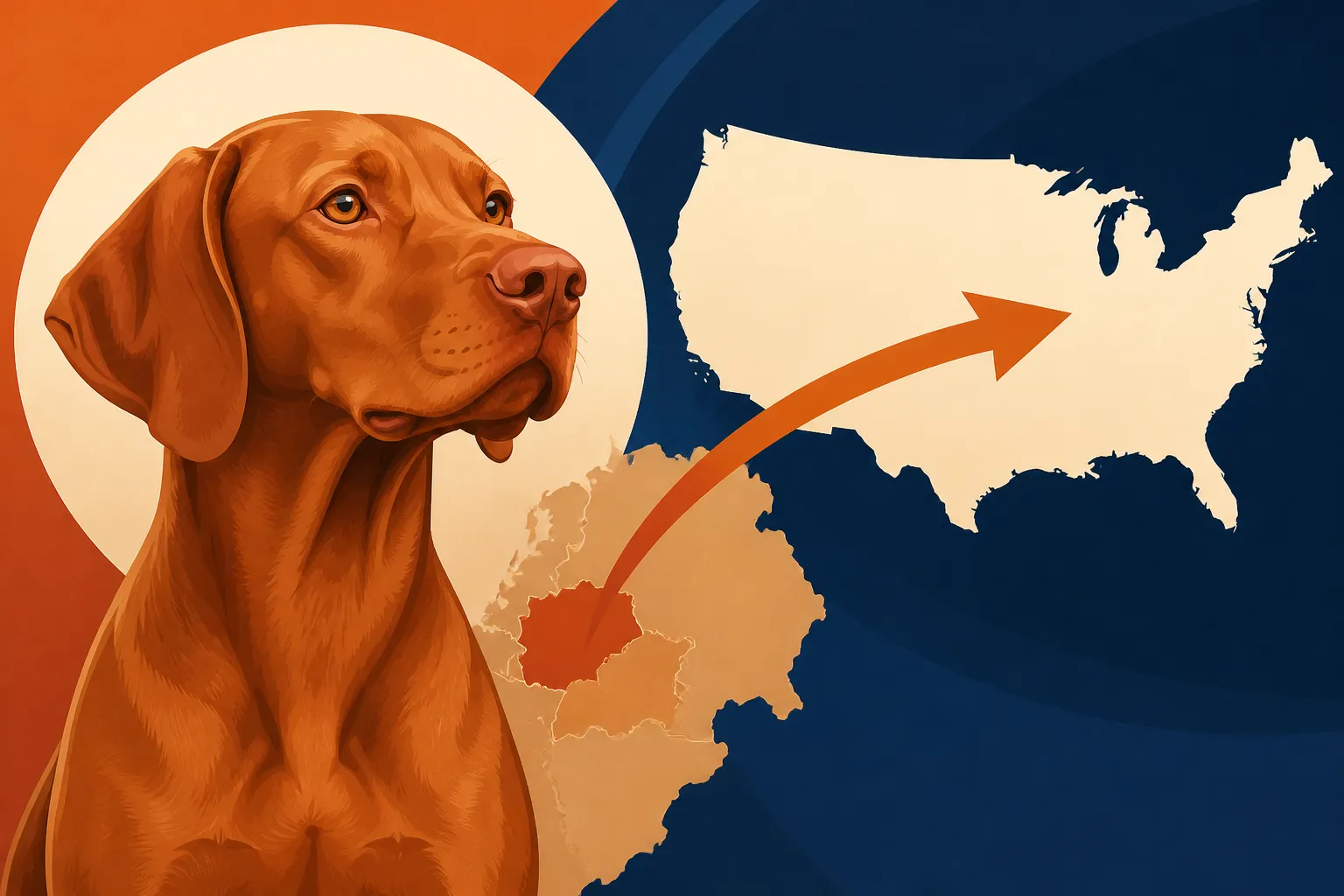
It was against this backdrop that the first trickle of Vizslas began to reach American shores, primarily in the 1950s. These were not mass imports but rather individual dogs, often brought over by returning servicemen or Hungarian refugees. One of the most famous and influential of these early imports was a female Vizsla named Panni XV. Her story is legendary, a testament to the risks taken to secure the breed's future. Who Panni XV Was delves into her incredible journey. She was smuggled out of Hungary, eventually making her way to America, where she became a foundational dam for many of the Vizslas we know today.
These early pioneers, like those who brought Panni XV and other critical foundation dogs, faced immense challenges. There were no established breeding programs, no widespread knowledge of the breed, and certainly no dedicated supply chains for specialized dog food or equipment like we have today, where a company like Chewy can deliver almost anything to your doorstep. They were starting from scratch, relying on their own resources, determination, and often, sheer luck. They had to learn about the breed's specific needs, from its famously sensitive The Thin Skin a Vizsla Takes Into the Field to its boundless energy, often through trial and error. Their passion laid the groundwork for everything that came after, forming the very root of the American Vizsla population.
The Formative Years in America
With these initial brave arrivals, the task shifted from desperate smuggling to careful, deliberate breeding and promotion. The few individuals who made it to the U.S. carried the hopes for the entire breed's future on their shoulders, demanding meticulous planning and an unwavering commitment to quality.
Establishing the Breed Foundation
The initial breeding efforts in America were, by necessity, incredibly careful and selective. With a very small gene pool – often only a handful of dogs – breeders had to make tough decisions to ensure genetic health and maintain the breed's integrity. This meant extensive research into the lineage of each dog, even if those pedigrees were incomplete due to the chaos of wartime Europe. They weren't just breeding dogs; they were rebuilding a legacy. This period highlights why understanding the breed's close call with extinction, as covered in How the Vizsla Nearly Died Out by 1900, is so crucial. Every mating was significant, every puppy a precious commodity.
Breeders during this foundational period prioritized temperament, health, and working ability. They understood that the Vizsla was a versatile hunting dog, known for its keen nose, elegant point, and gentle disposition. They aimed to produce dogs that embodied these traits, resisting the temptation to simply increase numbers without regard for quality. Imagine the weight of that responsibility! They were shaping what the American Vizsla would become for generations. These dogs weren't just pets; they were the living history of a noble breed, and their well-being, from ensuring proper nutrition to managing their unique energy levels, was paramount.
The Vizsla Club of America's Inception
Recognizing the need for a unified effort to protect and promote the breed, dedicated enthusiasts came together to form the Vizsla Club of America (VCA). This was a monumental step, marking the formal commitment to the Vizsla's future in the United States. The Year the Vizsla Club of America Formed pinpoints this crucial moment. The club's primary goals were to establish a breed standard, encourage ethical breeding practices, and educate the public about the Vizsla.
The VCA played an essential role in coordinating breeding efforts, sharing knowledge about the breed's care and training, and creating a community for Vizsla owners. It provided a platform for these scattered enthusiasts to connect, share experiences, and support each other in their shared passion. Without a central organization, the efforts would have remained fragmented and far less effective. They started organizing early field events, showcasing the Vizsla's natural hunting prowess and demonstrating their versatility. This laid the groundwork for the breed's reputation not just as a beautiful companion, but as a capable and intelligent working dog, a distinction often observed when comparing The Vizsla Against the Weimaraner and the Shorthair.
Gaining Recognition and Popularity
Once the foundation was laid and a national club was established, the next logical step for the Vizsla in America was to seek formal recognition from the American Kennel Club (AKC). This was a rigorous process, demanding years of consistent breeding, documented pedigrees, and a demonstrable population of healthy, stable dogs.
The Path to AKC Recognition
Achieving AKC recognition is no small feat. It requires a significant number of dogs over several generations to be registered, all adhering to a specific breed standard. The VCA meticulously worked to meet these requirements, submitting detailed documentation, demonstrating consistent type, and ensuring the health and temperament of the growing Vizsla population. This was a slow and painstaking process, but it was vital for the breed's long-term success and acceptance within the American dog world. Imagine the mountain of paperwork and the endless discussions involved in defining every nuance of the breed from What a Vizsla Actually Weighs to the exact shade of its coat!
Finally, in a landmark achievement for the breed, the Vizsla received full AKC recognition. The Year the AKC Recognized the Vizsla highlights the culmination of these efforts. This recognition opened doors, allowing Vizslas to compete in conformation shows, obedience trials, and field events alongside other established breeds. It provided a stamp of authenticity and legitimacy that was invaluable for a relatively new breed in America. This period saw a shift from the clandestine efforts of individuals to a more organized, public presence for the Vizsla. It meant that a new generation of owners could more easily find reputable breeders and access resources to help them care for their dogs, a stark contrast to the early days when even basic supplies were hard to come by.
Public Fascination with the "Russet Gold" Dog
With AKC recognition came increased visibility, and the Vizsla's unique charm quickly captured the American public's imagination. Its striking "russet gold" coat, often described as a self-colored nose, eyes, and coat, made it instantly recognizable. Beyond its beauty, people were drawn to its reputation as a "Velcro dog" – intensely loyal, affectionate, and always wanting to be close to its human companions. This deep bond with their people is something that Vizsla owners still cherish today, and it's a characteristic that became evident even in those early days of the breed in the U.S.
The breed's versatility was also a huge draw. Not only were they exceptional bird dogs, excelling in field work with their natural pointing and retrieving abilities, but they also proved to be wonderful family pets. Their boundless energy meant they were perfect for active households, becoming cherished members of families rather than just working animals. The decade saw the Vizsla transition from a rare, almost mythical European breed to a recognizable, admired fixture in American homes and hunting fields, setting the stage for its continued growth in popularity in the decades that followed.
| Milestone | Key Action/Event | Significance |
|---|---|---|
| Post-WWII Europe | Vizslas face extinction in Hungary | Prompted desperate efforts to smuggle dogs out of the country, preserving the breed. |
| Early 1950s | First Vizslas arrive in the United States | Established the initial genetic pool for American lines, often through risky individual efforts. |
| 1953 | Formation of the Vizsla Club of America (VCA) | Unified breeders, established a breed standard, and began organized promotion and preservation efforts. |
| Mid-1950s | Focused breeding programs initiated | Careful selection aimed to maintain health, temperament, and working ability with a limited number of foundation dogs. |
| 1960s | AKC Recognition achieved | Elevated the Vizsla's status, allowing participation in sanctioned events and increasing public awareness. |
The Lasting Impact of that Pivotal Decade
The initial decade of the Vizsla in the United States wasn't just a brief chapter in the breed's history; it was the entire foundation upon which the modern American Vizsla stands. The choices made, the risks taken, and the dedication shown during those formative years continue to shape the breed today.
Shaping the American Vizsla Lines
The small number of Vizslas that made it to America in that crucial decade formed the genetic bedrock of all subsequent American lines. Every Vizsla puppy born in the US today can trace its ancestry back to those foundational dogs. This means that characteristics, both desirable and those requiring careful management, were largely set during this period. Breeders in the past had to be acutely aware of genetic diversity, or the lack thereof, and those concerns still echo today. It underscores the importance of responsible breeding practices and health testing, ensuring that the legacy of those early dogs is one of health and vitality, not inherited weaknesses like Thyroid Failure in a Vizsla or issues with Hips and Elbows on a Vizsla That Runs All Day.
The commitment to the breed's working heritage also took root firmly during this time. The early breeders and owners understood that the Vizsla was, first and foremost, a gun dog. While their gentle nature made them excellent companions, their drive and intelligence truly shone in the field. This dual purpose—loyal family member and skilled hunting partner—was ingrained in the American Vizsla from the very beginning, setting it apart from some other breeds that might have seen a greater split between show and working lines. This thoughtful approach has ensured that the Vizsla remains a truly versatile sporting dog, just as it was intended to be.
A Legacy of Dedication
The legacy of the decade Vizslas reached the United States is one of profound dedication and enduring passion. The individuals who championed the breed during those challenging times left an indelible mark, inspiring generations of Vizsla owners and breeders. Their efforts ensured that this incredible breed not only survived but thrived in a new country. Today, the Vizsla Club of America continues their work, upholding the breed standard, promoting health initiatives, and fostering the community spirit that began with those first few enthusiasts.
We, as modern Vizsla owners, owe a tremendous debt of gratitude to these pioneers. Their foresight and unwavering commitment mean that we can enjoy these magnificent dogs in our homes and fields today. Whether you're ordering a new bed for your "Velcro Vizsla" from Chewy, training your dog for a field trial, or simply enjoying a quiet evening curled up on the sofa with your russet companion, remember the incredible journey that brought them here. It’s a story of resilience, love, and the unbreakable bond between humans and their dogs, a story that truly started with a brave few who saw beyond the difficulties of their time to secure a future for this golden breed.
Disclaimer
This article is for general informational purposes only and does not constitute professional advice. Laws, prices and regulations vary by location and change over time. Consult a qualified professional for guidance on your specific situation.