Whether a Vizsla Needs Its Dewclaws Watched
Vizsla dewclaws require regular monitoring because overgrowth, snagging, and lack of ground contact cause painful injuries during high energy activities.
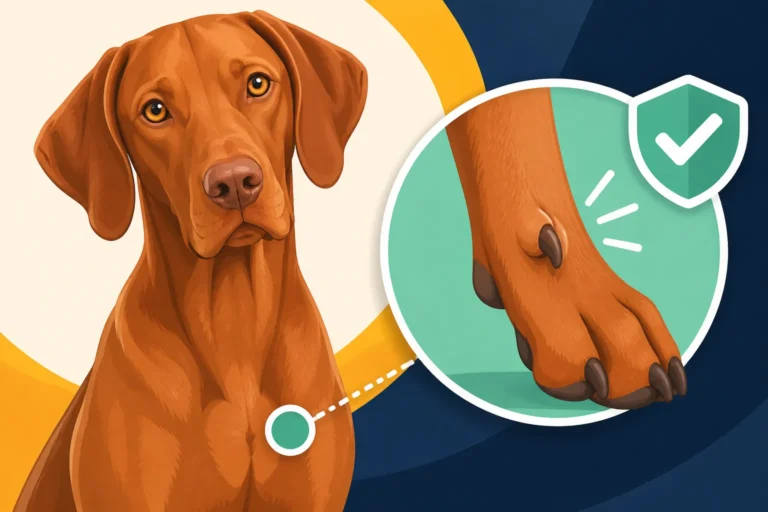
Vizsla dewclaws require regular monitoring because overgrowth, snagging, and lack of ground contact cause painful injuries during high energy activities.
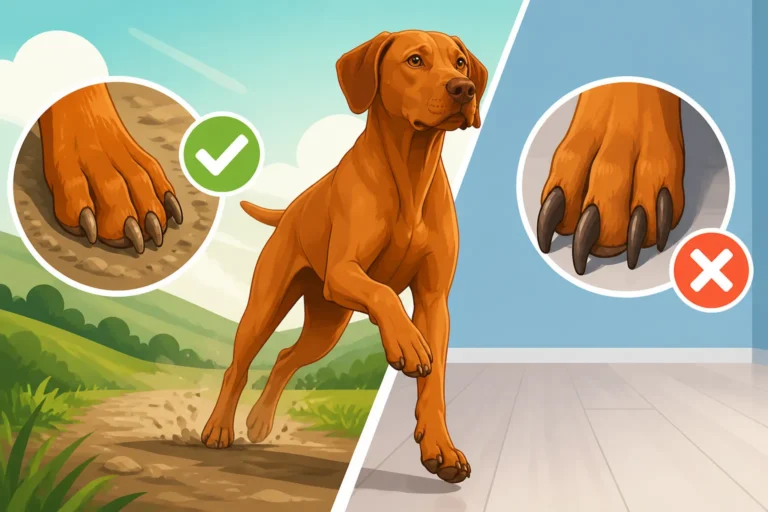
Vizsla nail health during field work explains why running in fields rarely eliminates the need for regular trimming.
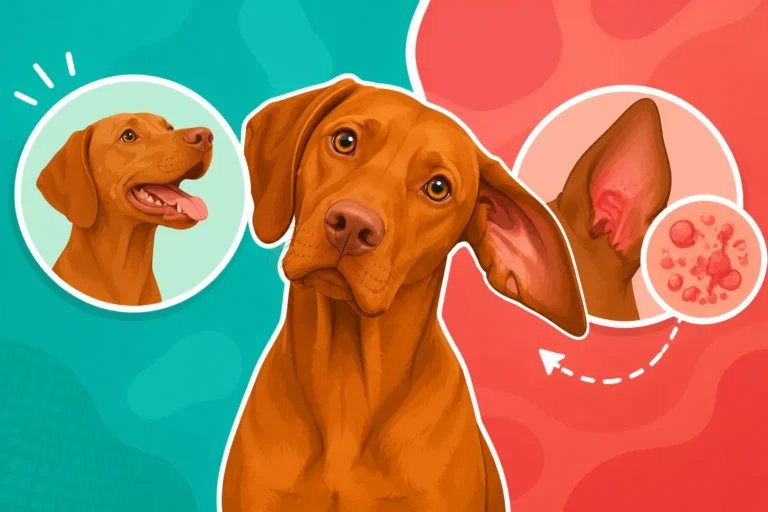
Vizsla ear yeast infections, caused by Malassezia pachydermatis, are explained along with floppy ear risks, allergies, and moisture factors.
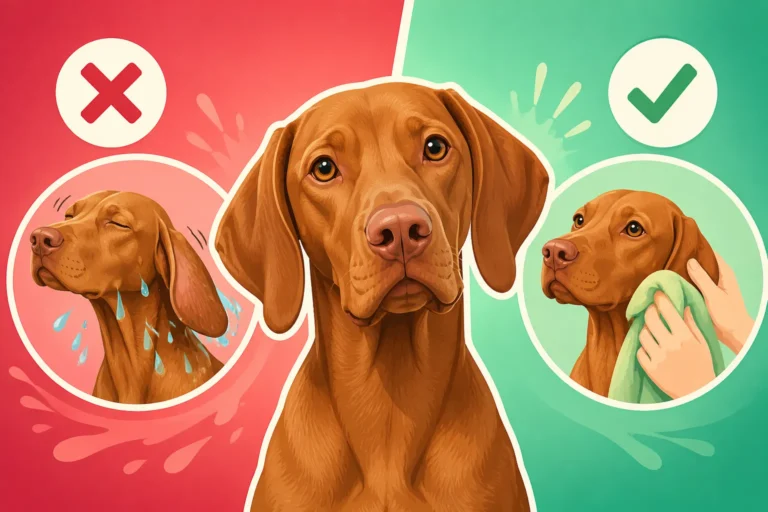
Drying a Vizsla’s floppy ears after swimming prevents trapped moisture and painful bacterial or yeast infections.
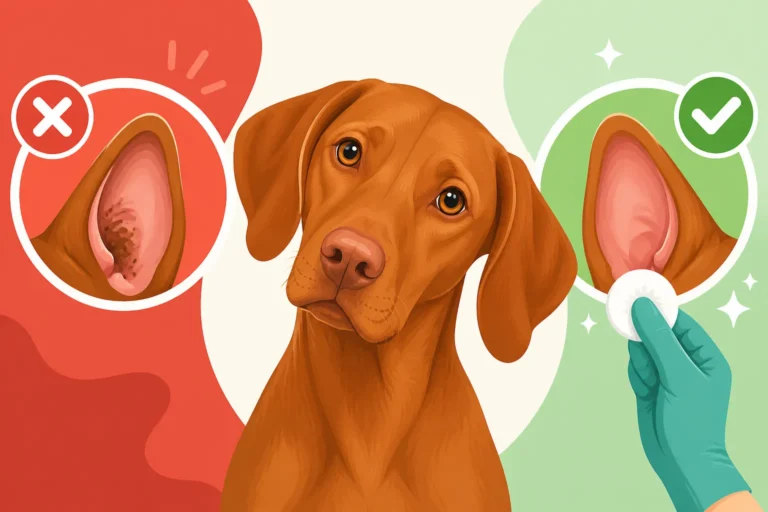
Vizsla ear care needs and weekly cleaning schedules for active dogs prone to moisture and environmental irritation.
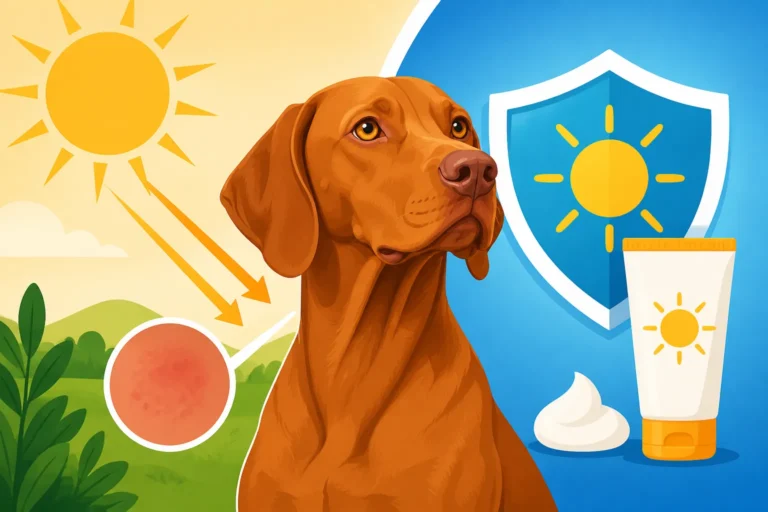
Vizsla sun protection prevents painful sunburns and skin damage because their single coat and thin skin offer minimal UV defense.
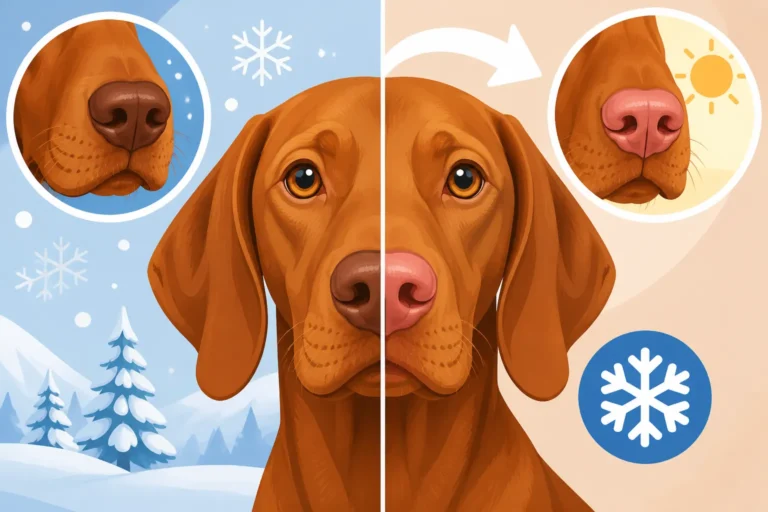
A Vizsla winter nose change involves temporary pigment loss caused by seasonal drops in tyrosinase enzyme activity.
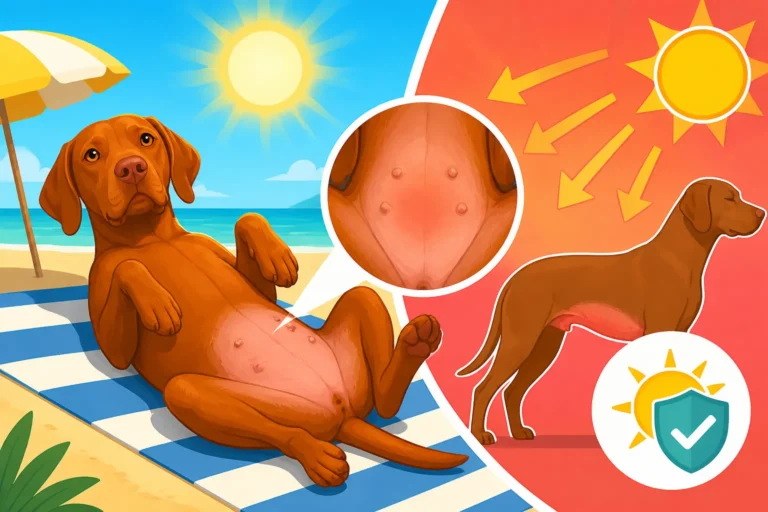
Vizsla sunburn risks and prevention methods explained for dogs with thin single coats and delicate pink bellies.
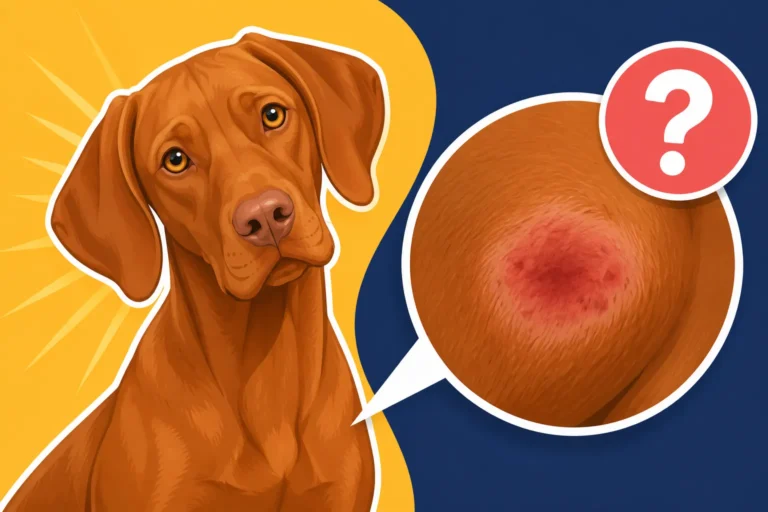
Acute moist dermatitis causes red, weeping skin lesions on Vizslas, leading to discomfort from bacterial infections.
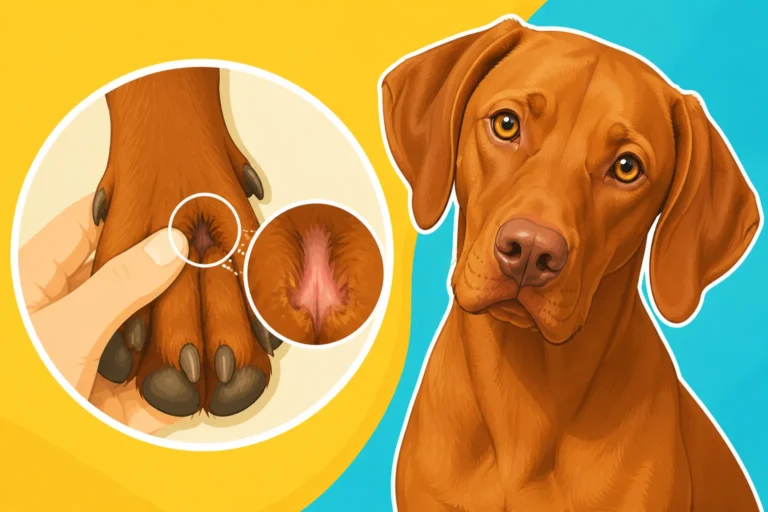
Checking a Vizsla for paw debris prevents painful infections and keeps active dogs healthy by finding embedded grass seeds and burrs.