Whether a Longhaired Vizsla Exists
Purebred longhaired Vizslas do not exist because the golden-rust hunting dog only has a short, smooth single coat.
Is this the right one for you?
Origins and temperament, size and coat, what living with one is actually like, and how it compares to the breeds people weigh against it.

Purebred longhaired Vizslas do not exist because the golden-rust hunting dog only has a short, smooth single coat.

The Wirehaired Vizsla and smooth Vizsla are two separate dog breeds with distinct histories, physical traits, and official registries.

Deliberate breeding efforts in Hungary created the Wirehaired Vizsla to withstand harsh terrain and cold climates.

Vizsla tail docking history, working dog standards, hunting injuries, and legal considerations explaining short and long tails.

Vizsla breed standards permit minimal white markings like a small chest blaze while requiring a solid golden rust coat.
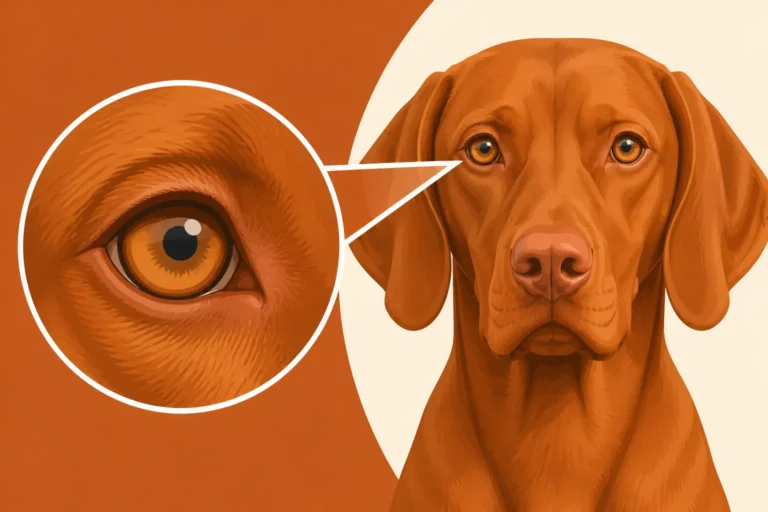
Vizsla eye color and golden-rust coats share genetic traits that explain the breed standard and hunting camouflage.
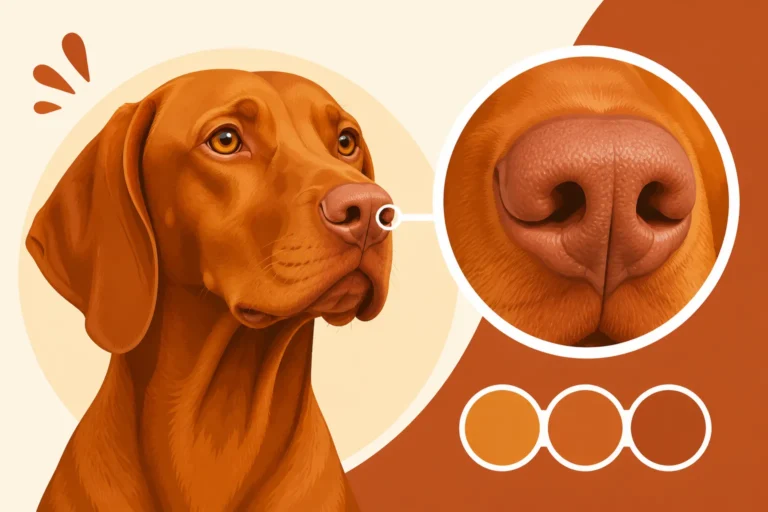
The B locus gene controls pigmentation, causing recessive alleles to produce matching liver noses and golden-rust coats in Vizslas.

Vizsla coat color standards explain the required golden rust shade and acceptable minor markings for the breed.

The Vizsla breed connection to Hungary explains its historical significance, cultural status, and unofficial national dog title.

Official recognition by the American Kennel Club saved the Hungarian Vizsla dog breed from extinction after two world wars.