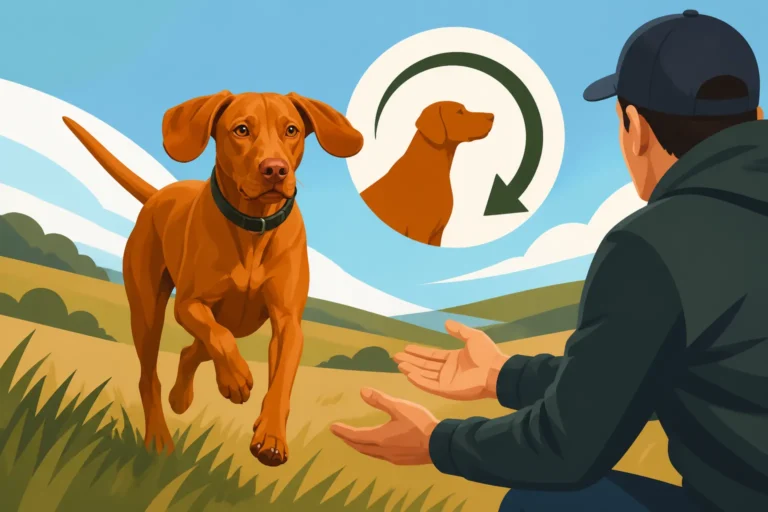
Whether a Vizsla Can Hike All Day
The thought of spending a glorious day exploring trails with your Vizsla by your side is incredibly appealing, but many owners wonder if their high-energy companion is truly built for an "all-day" adventure. It's a common concern: can that tireless redhead really keep going hour after hour, mile after mile, without burning out or getting into trouble? This comprehensive guide will delve deep into the Vizsla's remarkable capabilities and equally important limitations, helping you understand exactly what it takes to safely and enjoyably share long hikes with your beloved hunting dog.
The Vizsla's Natural Endurance and Physical Prowess
Vizslas are renowned for their seemingly boundless energy and incredible athletic ability. They were bred for endurance, designed to range over vast terrains for hours on end, pointing and retrieving game. This inherent drive makes them fantastic companions for active lifestyles, but it also comes with responsibilities for us as their owners to manage that energy wisely.
The Engine of a Vizsla
Let's be honest, your Vizsla probably makes you feel exhausted just watching them sometimes. Their bodies are finely tuned machines, built for speed, agility, and above all, stamina. Unlike some breeds that tire quickly, a Vizsla's metabolism and muscle structure are optimized for sustained effort. They are often described as having an "off switch" that rarely seems to engage, and this isn't far from the truth when they're stimulated. Their desire to work and explore is deeply ingrained, a legacy from their Hungarian hunting dog ancestors.
This incredible drive means that a simple walk around the block just won't cut it for a Vizsla. They need more, much more, to truly feel satisfied. For many owners, the challenge isn't getting their Vizsla to go hiking, but rather knowing when and how to encourage them to slow down or rest. They live to move, and exploring new scents and sights on a trail is like hitting the jackpot for their eager minds and bodies. You'll find that their enthusiasm is often contagious, pushing you to go further than you might have planned yourself.
Understanding Their Stamina on the Trail
"All day" can mean different things to different people. For a Vizsla, it could genuinely mean five, six, or even eight hours on the trail, covering significant distances, given the right conditions and proper preparation. These dogs are truly built for marathons, not just sprints. However, their ability to sustain this level of activity is heavily dependent on several factors that we, as their human companions, need to carefully consider. It's not just about their willingness, but their physical capacity and safety.
Consider a seasoned Vizsla, one that's been regularly conditioned with long runs or previous hikes. They might comfortably cover 15-20 miles in a day over varied terrain, assuming breaks and adequate hydration. For a less conditioned dog, or one still growing, "all day" might be a much shorter, slower affair. It's important to differentiate between their desire to go and their ability to go without undue stress or risk of injury. They love to keep moving, but their joints, muscles, and pads still need careful management, especially when considering Whether a Working Vizsla Wears Its Joints Out.
Factors Influencing Their Hiking Performance
Several key factors will dictate how well your Vizsla performs on a long hike. Ignoring these can turn a wonderful adventure into a veterinary emergency.
- Age and Fitness Level: A young Vizsla puppy should not be asked to hike all day. Their growth plates are still open, and excessive impact can cause irreversible damage. Adult Vizslas, typically over 18-24 months, are generally physically mature enough for longer excursions. Even then, their current fitness level is paramount. If your Vizsla spends most of the week lounging, a sudden 15-mile hike is a recipe for disaster. Gradual conditioning is essential, just as it is for a human athlete.
- Weather Conditions: This is perhaps the most critical factor. Vizslas have a single, short coat, which makes them surprisingly vulnerable to both extreme heat and bitter cold. In hot weather, they can overheat very quickly, especially when exercising strenuously. Their lean bodies and lack of an insulating undercoat mean they don't have much protection against the elements. Conversely, in freezing temperatures, they can get cold fast, particularly if they are wet or resting. Be mindful of The Cold a Vizsla Genuinely Cannot Handle and plan accordingly.
- Terrain and Elevation: Hiking on flat, soft forest trails is very different from scrambling over rocky, steep mountain paths. Uneven terrain puts more strain on joints and paw pads. High elevations can also affect their breathing and energy levels, especially if they're not acclimated. Always consider the type of ground your Vizsla will be covering and adjust the distance and pace accordingly.
- Hydration and Nutrition: Just like us, dogs need fuel and water. A long hike demands increased caloric intake and constant access to fresh water. Dehydration can quickly become a serious issue, particularly on warm days. We'll delve deeper into this below, but it's crucial to understand that simply offering water when you stop isn't enough; they need frequent sips.
- Individual Dog Temperament: While Vizslas as a breed share many traits, each dog is an individual. Some might be more resilient, others more prone to fatigue or anxiety on new trails. Always pay attention to your dog's cues and preferences.
Preparing Your Vizsla for a Long Hike
Hiking with your Vizsla should be an enjoyable, safe experience for both of you. This means careful preparation, from physical conditioning to packing the right gear and understanding their nutritional needs. Think of it as preparing for a mini-expedition; the more thought you put in beforehand, the smoother your adventure will be.
Conditioning and Training for the Trail
You wouldn't run a marathon without training, and neither should your Vizsla embark on an "all-day" hike without proper conditioning. Start small and build up gradually. Begin with shorter, easier trails and progressively increase the distance, duration, and difficulty over several weeks or months. This allows their muscles, joints, and paw pads to adapt and strengthen. Pay attention to how they recover after each outing; are they stiff? Are they unusually tired? These are clues to their current fitness level.
Beyond physical conditioning, foundational obedience training is non-negotiable for safe trail hiking. A reliable recall is paramount, especially if you plan to let your Vizsla off-leash in appropriate areas. Building a Recall on a Vizsla That Ranges can be a lifesaver, preventing them from chasing wildlife or getting lost. Leash manners are also crucial, as you'll encounter other hikers, dogs, and potentially wildlife where a tight leash is necessary. Services like BAXTER & Bella offer excellent online resources and training programs that can help solidify these essential skills before you hit the more challenging trails. A well-trained dog is a joy to hike with, reducing stress for both of you.
Essential Gear for the Trail
Having the right gear can make all the difference in comfort and safety for both you and your Vizsla. Don't skimp on these essentials.
- Proper Harness and Leash: A well-fitting, comfortable harness (rather than just a collar) distributes pressure evenly across their chest, preventing strain on their neck during long hikes. A sturdy leash, ideally 6-8 feet for more freedom but still control, is also a must.
- Collapsible Water Bowl and Water Supply: You'll need more water than you think. Bring ample fresh water for both of you, plus a lightweight, collapsible bowl that your Vizsla can drink from frequently. Don't rely on finding natural water sources, as they may be contaminated or non-existent.
- GPS Collar: Vizslas love to explore and can cover ground incredibly fast. A GPS collar is an invaluable safety tool, especially if you're in unfamiliar territory or plan to let them range. While the initial investment might seem high, knowing you can locate your dog quickly provides immense peace of mind. For options, searching on Amazon for "GPS dog tracker" will give you a range of choices with different features and subscription plans. This piece of technology can be the difference between a lost dog and a safe return. What a GPS Collar Costs for a Vizsla is a worthwhile consideration for serious hikers.
- First Aid Kit: A compact pet-specific first aid kit should always be in your pack. This should include paw balm, antiseptic wipes, bandages, medical tape, tweezers for splinters or ticks, and any necessary medications your Vizsla might need. Small cuts, scrapes, or thorn punctures are common occurrences on trails, and being prepared means you can address minor issues quickly.
- Dog Boots: Depending on the terrain and weather, dog boots can protect delicate paw pads from sharp rocks, hot pavement, ice, or abrasive surfaces. If you anticipate rough trails or extreme temperatures, these are a wise investment. Make sure to acclimate your Vizsla to wearing them at home before hitting the trail, as some dogs take time to get used to them. Whether a Vizsla Needs Boots in Winter also applies to protecting paws from rough summer terrain.
- High-Visibility Vest (Optional but Recommended): If you're hiking during hunting season or in areas where hunters might be present, a blaze orange vest for your Vizsla is crucial for their safety. Even outside of hunting season, it makes them more visible to other trail users.
Nutrition and Hydration on the Go
Fueling your Vizsla correctly before, during, and after a long hike is vital for their performance and recovery.
- Pre-Hike Meal: Offer a normal meal at least 2-3 hours before starting your hike. This gives them time to digest and avoid stomach upset or more serious issues like bloat, especially if they are a deep-chested breed. Avoid feeding a massive meal right before intense exercise. How Much an Adult Vizsla Eats Daily is a good baseline, but adjust for increased activity.
- During-Hike Snacks: For hikes lasting more than a couple of hours, bring high-energy, easily digestible snacks. Small pieces of dried meat, specialized energy bars for dogs, or even a handful of their regular kibble can provide a quick boost. Offer these during rest breaks, not while they're actively running, to aid digestion.
- Constant Hydration: This cannot be stressed enough. Vizslas are susceptible to overheating, and constant access to water is paramount. Offer water every 15-20 minutes, or whenever you take a break. Watch for signs of dehydration: sticky gums, sunken eyes, lethargy. Don't let them drink from stagnant puddles or unknown water sources, as these can carry parasites or bacteria.
| Hike Duration | Hydration Strategy | Nutrition Strategy | Gear Considerations |
|---|---|---|---|
| Short (1-2 hrs) | Water before/after; small portable bottle & bowl | Normal meal before | Sturdy leash, comfortable harness |
| Medium (2-4 hrs) | Frequent water breaks (every 20-30 min); carry 1-2L water | Small, high-energy snack at halfway point | Leash, harness, water, bowl, small first aid |
| Long (4+ hrs) | Very frequent water breaks (every 15-20 min); carry 2-3L+ water, consider filtration | Multiple high-energy snacks; potentially electrolyte supplement | All above, plus GPS collar, paw protection, more extensive first aid, maybe a cooling vest |
Recognizing Limits and Ensuring Safety on the Trail
Even the most energetic Vizsla has limits. It's our job to be their advocate and ensure their safety, especially since they're often too driven to quit on their own. Learning to read their body language and understanding environmental risks are critical skills for any hiking owner.
Signs of Fatigue or Overheating
Your Vizsla might look like they can go forever, but their silent communication can tell a different story. Be vigilant for these signs that they're reaching their limit or overheating:
- Excessive Panting: While normal after exercise, panting that is rapid, shallow, and doesn't subside quickly with rest is a red flag.
- Dark Red Gums or Tongue: This is a clear indicator of overheating and requires immediate action. Normal gums should be pink.
- Stumbling or Lack of Coordination: They might start to trip more, drag their paws, or appear generally wobbly.
- Lagging Behind: A Vizsla usually leads the pack. If they start falling behind or needing encouragement to move, they're tired.
- Seeking Shade or Water Repeatedly: This is a direct plea for relief.
- Vomiting or Diarrhea: These can be signs of heatstroke or severe overexertion.
- Glazed Eyes: A sign of distress or heatstroke.
If you observe any of these symptoms, stop immediately. Find shade, offer water, and apply cool (not icy) water to their belly, armpits, and paw pads. If symptoms are severe or don't improve quickly, it's an emergency, and you need to get them to a vet. This is why a charged phone and knowledge of the nearest emergency vet is crucial when hiking. Understanding Whether a Vizsla Overheats Working in Heat is vital for their safety.
Paw Care and Injury Prevention
A Vizsla's paw pads are tough, but they're not invincible. Long hikes, especially on abrasive or rocky terrain, can cause significant wear and tear, leading to cuts, abrasions, or painful cracks.
- Regular Pad Checks: Before, during, and after every hike, thoroughly inspect your Vizsla's paw pads. Look for redness, swelling, cuts, thorns, foxtails, or embedded debris. Be particularly diligent in checking between their toes.
- Paw Balm: Applying a protective paw balm before a hike can help create a barrier against harsh surfaces and keep pads moisturized, preventing cracking.
- Dog Boots: As mentioned earlier, dog boots offer excellent protection, especially on varied terrain or in extreme weather. They take some getting used to, so practice at home first.
- Gradual Conditioning: Toughening up their paws naturally through regular, increasing activity on varied surfaces is the best long-term strategy. Don't take a couch potato Vizsla straight to a rocky mountain trail.
- Awareness of Surroundings: Be mindful of broken glass, sharp rocks, or poisonous plants on the trail. Your Vizsla's curiosity can sometimes lead them into dangerous situations, so keep an eye out for anything that could cause injury. After any outdoor adventure, a thorough once-over, akin to Checking a Vizsla Over After a Hunt, is essential.
Adjusting to Environmental Factors
Vizslas are adaptable, but certain environmental conditions pose unique challenges.
- Heat: Avoid hiking during the hottest parts of the day. Early mornings or late evenings are best in warm climates. Stick to shaded trails and ensure constant access to water. Consider a cooling vest from Amazon for extra protection. These vests work by evaporating water, drawing heat away from their body, and can be a game-changer on a hot day.
- Cold: While they're energetic, Vizslas don't have a thick insulating coat. In cold weather, especially if it's windy or wet, they can get chilled quickly. Keep them moving to generate body heat. Consider a fleece or insulated coat for breaks or if temperatures drop significantly. Make sure they have a warm, dry place to rest during breaks and after the hike.
- Rain and Mud: While many Vizslas don't mind a little rain, prolonged wet conditions can lead to skin irritation or make them uncomfortably cold. If the trail is very muddy, consider paw protection to prevent buildup between their toes, which can cause discomfort or irritation.
- Wildlife Encounters: Trails are home to all sorts of creatures. A Vizsla's prey drive is strong. Keep them leashed or under very reliable voice control in areas known for wildlife to prevent them from chasing animals and getting lost, injured, or disturbing the local ecosystem. Whether a Vizsla Chases Deer is a real consideration here.
The Many Benefits of Hiking for Your Vizsla
Beyond just burning off that seemingly endless energy, hiking offers a wealth of benefits that contribute to your Vizsla's overall well-being and strengthen the unique bond you share. It's more than just exercise; it's an enriching life experience.
Physical and Mental Stimulation
Vizslas aren't just physically active; they're intelligent and curious dogs that crave mental engagement. Hiking provides a fantastic outlet for both. The ever-changing sights, sounds, and smells of the trail offer a rich sensory experience that a simple walk around the neighborhood can't replicate. Every new turn in the path, every rustle in the leaves, every fresh scent on the breeze is a puzzle for their keen minds. This constant engagement helps satisfy their innate hunting instincts and keeps their brains sharp.
When a Vizsla is adequately stimulated both physically and mentally, they are generally happier, calmer, and better-behaved at home. An under-exercised or under-stimulated Vizsla can quickly become destructive, anxious, or develop undesirable behaviors. Hiking taps into their natural instincts to explore, scent, and move, fulfilling a deep-seated need. It’s a powerful antidote to boredom and helps to provide the mental workout just as much as the physical one. This combination is essential, as Whether a Vizsla Needs Mental Work Too is a crucial part of their daily needs.
Strengthening Your Bond with Your "Velcro" Companion
Vizslas are famously known as "Velcro dogs" for a reason – they thrive on companionship and want to be involved in everything you do. Hiking together deepens this already strong bond. Spending hours side-by-side, navigating challenges, and sharing new experiences reinforces their connection to you. They learn to trust your leadership on the trail, and you learn to read their subtle cues, creating a silent language between you.
There's something incredibly special about sharing the tranquility and excitement of nature with your Vizsla. It's a team effort; you rely on them for their enthusiasm and keen senses, and they rely on you for guidance, safety, and encouragement. This shared adventure fosters a sense of partnership that strengthens the unique bond that makes Vizslas such cherished family members. It validates Why They Call It a Velcro Vizsla in the first place, as they truly want to be with you every step of the way.
Socialization and Exposure to New Experiences
While not always the primary goal, hiking often provides excellent opportunities for controlled socialization. Meeting other hikers, dogs, and experiencing different environments (from quiet forest paths to more bustling scenic viewpoints) can help your Vizsla become more well-adjusted and confident. For a Vizsla puppy, once they are fully vaccinated and old enough, controlled exposure to new, positive experiences on short, easy trails can be invaluable for their development.
However, always prioritize your dog's comfort and safety. Not every trail encounter will be positive, and it's important to be able to politely manage interactions. If your Vizsla tends to be reactive or overly exuberant, keep them leashed and use these encounters as training opportunities. For those looking for structured guidance on socialization and training, organizations like BAXTER & Bella provide resources that can help navigate these situations, ensuring your Vizsla is confident and calm in diverse environments. The goal is positive exposure, not overwhelming them.
In conclusion, yes, a Vizsla absolutely can hike all day – and often, they'll thrive on it. But it's not a given; it's a privilege earned through responsible ownership, careful preparation, and a deep understanding of your individual dog's needs and limits. With the right approach, you and your Vizsla can enjoy countless miles of happy trails together, forging an even stronger connection along the way.
Disclaimer
This article is for general informational purposes only and does not constitute professional advice. Laws, prices and regulations vary by location and change over time. Consult a qualified professional for guidance on your specific situation.