Whether a Camera Shows What a Vizsla Does Alone
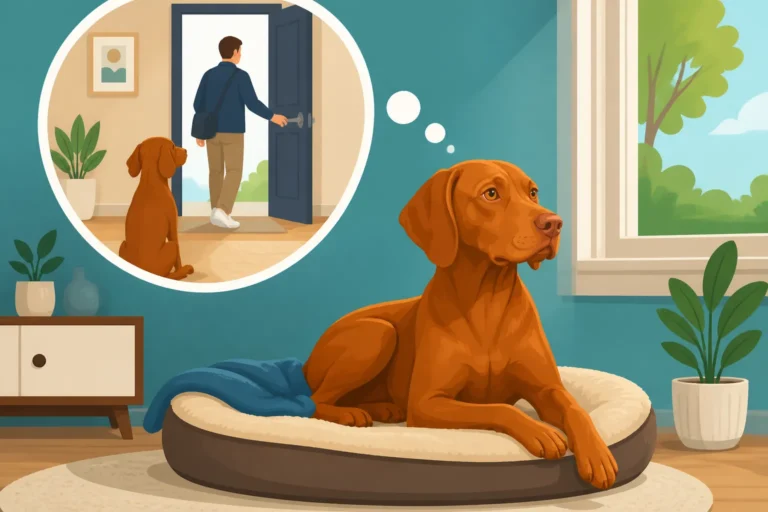
It's a question that plagues almost every Vizsla owner when they walk out the door: what exactly does my beloved, energetic, clingy companion do the moment I'm gone? That knot in your stomach is a familiar feeling, wondering if they’re sleeping peacefully, tearing up the sofa, or whimpering by the door. This comprehensive guide will walk you through how using a camera can not only satisfy your curiosity but also provide invaluable insight into your Vizsla's behavior when left alone, helping you address any issues proactively and lovingly.
The Gnawing Question: What Does Your Vizsla Do When You're Gone?
We all know the Vizsla is nicknamed the "Velcro Vizsla" for a reason. Their intense desire to be near their people is one of their most endearing, and sometimes most challenging, traits. This constant companionship can make leaving them alone feel like a betrayal, and the imagination can run wild with scenarios, from the mundane to the destructive.
The Anxiety of Leaving Your Velcro Dog
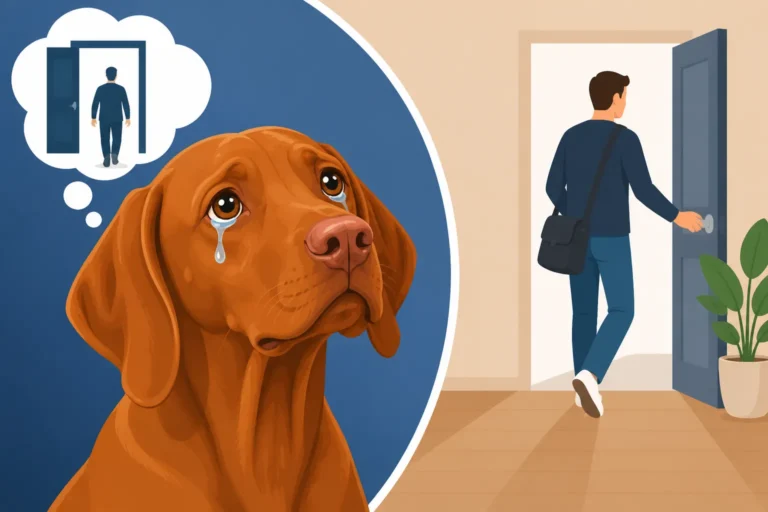
Let's be honest, the guilt of leaving a Vizsla is real. You shut the door, hear that faint whine, and your mind immediately starts playing worst-case scenarios. Is your Vizsla pacing? Are they barking incessantly, bothering the neighbors? Are they just curled up sleeping, truly indifferent to your absence? It’s hard to know for sure without being a fly on the wall, and that uncertainty can weigh heavily on your heart. Many Vizslas genuinely struggle with being separated from their humans, even for short periods. They are creatures of habit and deeply bond with their families, often expressing distress when that bond is temporarily broken. You might have seen The Vizsla That Sits On You Rather Than Beside You, so you know just how close they like to be!
The reality is, their strong attachment is part of what makes them such wonderful companions, but it also means they are often predisposed to separation-related behaviors. Owners often worry about How Many Hours a Vizsla Can Be Left Alone, and the answer often depends heavily on how well they've been trained and if they feel secure. Without a clear picture, it’s impossible to tell if your dog is merely bored, or if they are experiencing genuine distress. This isn't just about property damage; it's about your dog's emotional well-being.
Common Behaviors You Might Suspect (or Dread)
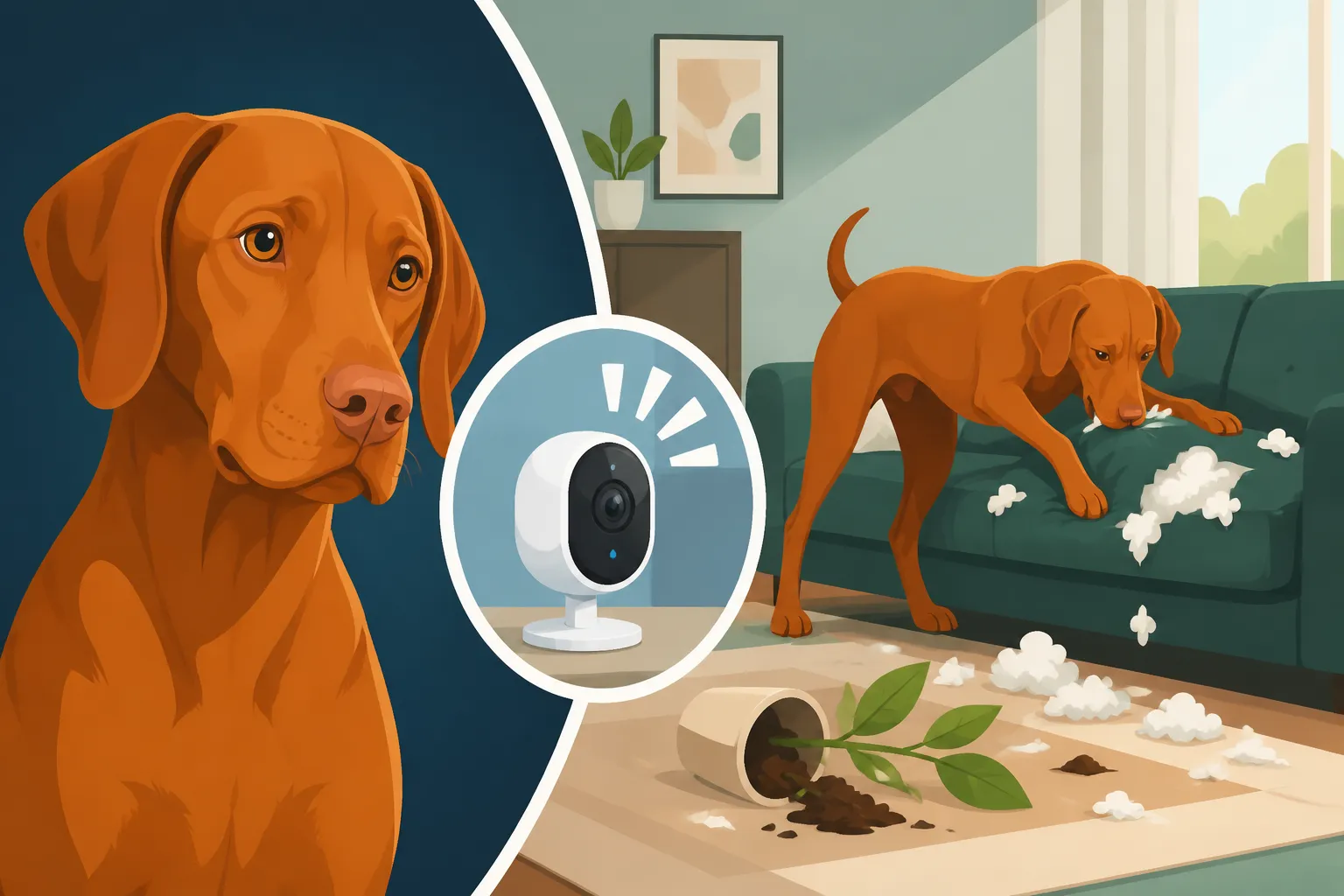
Before setting up a camera, you probably have some suspicions about what your Vizsla is up to. Maybe you come home to a pillow exploded all over the living room, or a suspiciously wet spot on the rug. Perhaps a neighbor mentions hearing barking during the day. These are often clues, but a camera can confirm or deny your hypotheses.
Common behaviors that Vizsla owners dread include destructive chewing, especially on doorframes or furniture, howling or barking, house soiling, and self-injurious behaviors like excessive licking. You might notice What an Anxious Vizsla Destroys can range from soft items to structural elements of your home. It’s not uncommon for a Vizsla experiencing genuine separation anxiety to exhibit signs like pacing restlessly, scratching at doors, or even trying to escape their confinement. A less obvious sign, but equally distressing, is persistent whining or drooling. Without video evidence, it's a guessing game, and that guessing game can prevent you from finding the right solution.
Choosing the Right Camera for Your Vizsla
The market is flooded with pet cameras, and picking the right one can feel overwhelming. It's not about finding the most expensive gadget, but the one that provides the features you need to understand your Vizsla's unique personality and potential issues when you're not around.
Features to Look For in a Pet Camera
When considering a camera for your Vizsla, think about what kind of information would be most helpful. Do you need to see what they're doing in a large room, or just a specific area? Do you want to interact with them remotely?
Here are some key features to consider:
- Wide-angle lens and pan/tilt capabilities: Vizslas are active, even when alone. A camera that can cover a large area or be remotely adjusted to follow their movement is incredibly helpful. This ensures you don't miss crucial behaviors happening just outside the frame.
- Night vision: Many destructive behaviors or anxious episodes happen when natural light fades. Good night vision is essential for round-the-clock monitoring.
- Two-way audio: This feature allows you to not only hear your Vizsla but also speak to them. For some Vizslas, hearing your voice can be reassuring; for others, it might intensify their anxiety if they hear you but can't reach you. Use this feature with caution and observe your dog's reaction.
- Motion and sound alerts: Imagine getting a notification on your phone the moment your Vizsla starts barking or moving frantically. These alerts can help you catch behaviors as they happen, giving you real-time insight.
- Recording and playback: This is crucial. Live-streaming is great, but being able to review footage later, especially entire periods you were gone, helps you spot patterns. You might notice your Vizsla starts pacing exactly 10 minutes after you leave, or only barks when a specific noise occurs outside.
- Treat dispenser: Some cameras include a remote treat dispenser. This can be a fun way to engage with your dog and provide positive reinforcement from afar. Again, use with care – for an anxious dog, a sudden treat dispenser might be startling.
- Easy setup and app: You want a camera that's simple to install and has a user-friendly app that provides reliable access to the feed. Many popular brands offer robust apps that integrate well with your smartphone. You can find a wide range of options readily available on platforms like Amazon, offering everything from basic monitoring to advanced features.
Different Types of Monitoring Systems
Beyond specific features, cameras generally fall into a few categories:
- Basic Security Cameras: These are often designed for general home security but can be repurposed for pet monitoring. They usually offer motion detection, night vision, and often two-way audio. They might not have pet-specific features like treat dispensers but are reliable for surveillance.
- Dedicated Pet Cameras: Brands like Furbo or Petcube specifically cater to pet owners. These often include features tailored for pets, such as treat tossing, laser pointers for play, and specialized sound detection (e.g., barking alerts). They tend to be more interactive.
- Webcams/Old Phones: For a budget-friendly option, an old smartphone or a standard webcam paired with monitoring software can also work. While less sophisticated, they can still provide valuable visual information, especially if you just need to see if your Vizsla is resting or tearing up the couch.
| Feature | Basic Security Camera | Dedicated Pet Camera | Webcam/Old Phone (DIY) |
|---|---|---|---|
| Video Quality | Good to Excellent | Excellent | Variable (Fair to Good) |
| Night Vision | Common | Common | Rare |
| Two-Way Audio | Common | Common | Possible (software dep.) |
| Motion/Sound Alerts | Common | Common | Possible (software dep.) |
| Remote Pan/Tilt | Some models | Common | Rare |
| Treat Dispenser | Rare | Common | No |
| Laser Play | No | Some models | No |
| Ease of Setup | Easy | Easy | Moderate (software req.) |
| Cost | Mid-range | Mid to High-range | Low (if hardware owned) |
Interpreting What You See on Camera
Having the footage is one thing; understanding what it means is another entirely. It’s easy to project human emotions onto our dogs, but with Vizslas, you have to remember their innate drive and sensitivity. You need to look for patterns and specific body language.
Differentiating Boredom from Anxiety
This is perhaps the most crucial part of using a pet camera. A bored Vizsla might nap, chew on appropriate toys, look out the window, or wander around. An anxious Vizsla will often exhibit a different set of behaviors, driven by stress.
- Boredom: Your Vizsla might sleep a lot, but perk up when hearing outdoor noises. They might pick up a toy, chew on it for a bit, then drop it. They might go from room to room, looking for something to do, but without frantic energy. A bored Vizsla might vocalize with a "woo-woo" sound or a single bark, but it's not sustained or frantic.
- Separation Anxiety: This often manifests as frantic behavior, frequently occurring shortly after you leave or when your dog realizes you're gone for good. Look for persistent pacing, panting without being hot, drooling excessively, repeated attempts to open or scratch at doors/windows, whining, howling, or continuous barking. You might see your Vizsla chewing destructively, not on a toy, but on furniture or doorframes. They might also attempt to escape their crate or confinement. Another sign is house-soiling, even if they were just let out, which is not about defiance but an inability to control bodily functions due to stress. These are all Signs a Vizsla Is Suffering Alone. Pay close attention to subtle behaviors too, like lip licking, yawning (not related to sleep), or a tense body posture. Many Vizslas struggle when they are first Teaching a Vizsla to Be Alone, and these cameras can really pinpoint where the breakdown in coping is happening.
Actionable Steps Based on Camera Footage
Once you understand what your Vizsla is doing, you can start to formulate a plan. The camera gives you the data you need to be strategic, rather than guessing.
- If it's boredom: Increase exercise before you leave. A good, long run or a solid training session with mental stimulation can make a world of difference. Provide more interactive toys, puzzle feeders, or long-lasting chews. Consider dog daycare a few times a week, or a dog walker to break up their day. Even simple things like rotating toys can keep their interest.
- If it's mild anxiety: Start with gradual desensitization. Practice leaving for very short periods (seconds, then minutes), gradually increasing the time, and always returning before your Vizsla shows signs of distress. Make your departures and arrivals low-key. Provide a special, high-value chew toy that they only get when you leave. Whether Crate Training Helps a Vizsla is a common question, and for some, a secure, comfortable crate can be a safe den, while for others, it can exacerbate anxiety if they feel trapped. Watch how your Vizsla behaves in their crate on camera.
- If it's severe anxiety: This requires a more intensive approach. You'll likely need to consult with a professional, such as a certified professional dog trainer specializing in separation anxiety or a veterinary behaviorist. They can help you develop a detailed behavior modification plan, and sometimes, medication might be considered in conjunction with training to help your Vizsla cope while the training takes effect. This is particularly important if you see signs like Whether a Vizsla Licks Itself Raw From Stress or frantic escape attempts.
Beyond Just Watching: Using the Information to Help Your Vizsla
The camera isn't just a voyeuristic tool; it's a diagnostic one. The data you gather can empower you to make informed decisions that improve your Vizsla's quality of life and your peace of mind.
When to Seek Professional Help
Recognizing when you've reached the limits of DIY solutions is a sign of a responsible owner. If your camera footage shows consistent, severe signs of distress, immediate action is warranted.
Consider professional help if you see:
- Prolonged, intense vocalization: Hours of barking, howling, or whining.
- Destructive behavior leading to injury: Your Vizsla Whether a Vizsla Chews the Door Frame so aggressively they break teeth, or injure paws trying to escape a crate.
- Consistent house-soiling: Despite being house-trained and given ample opportunity to relieve themselves before you leave.
- Self-harming behaviors: Such as excessive licking that leads to hot spots or raw skin.
- Inability to settle: Your Vizsla never seems to calm down, even after a long period alone.
A certified professional dog trainer or a veterinary behaviorist can observe the camera footage with you, offer expert analysis, and guide you through a structured plan. They can differentiate between attention-seeking, boredom, and true separation anxiety, which require different approaches. Sometimes, Whether Medication Helps an An Anxious Vizsla is a topic that comes up, and a vet behaviorist is the best person to discuss this with, as pharmacological support can sometimes be a crucial component in helping a severely anxious dog learn to cope. Online resources, like those offered by BAXTER & Bella, can also provide structured guidance and support for owners working through training challenges.
Small Changes That Can Make a Big Difference
Even before professional intervention, or in conjunction with it, there are several small adjustments you can make based on your camera observations.
- Change your departure routine: Make departures boring and arrivals calm. Don't make a big fuss when you leave or come home. Your Vizsla should understand that your coming and going is a normal, non-eventful part of life.
- Provide appropriate enrichment: Puzzle toys, KONGs stuffed with frozen treats, or long-lasting chews can keep your Vizsla occupied and mentally stimulated for periods. This can turn their focus from your absence to a positive activity.
- Consider a 'safe space': Some Vizslas do better in a smaller, secure space like a crate (if they are crate-trained positively) or a specific dog-proof room, while others might prefer having more freedom. The camera can show you which environment your Vizsla copes best in.
- Increase physical and mental exercise: Vizslas are high-energy dogs. Ensuring they are thoroughly tired, both physically and mentally, before you leave can significantly improve their ability to settle. A quick walk around the block before you go isn't enough for a Vizsla; they need real exertion.
- Music or TV: Sometimes, background noise can help. A radio tuned to classical music or a TV show with human voices can mask outside noises and provide a comforting auditory presence.
- Consider another dog: While not a guaranteed solution, Whether a Second Dog Fixes a a Vizsla's Anxiety is often debated. For some Vizslas, having a canine companion can provide comfort and reduce loneliness. For others, it might not address the root cause of separation anxiety and could even lead to two anxious dogs. Use your camera to observe interactions if you introduce a second dog.
Remember, patience is key. Changing a Vizsla's emotional response to being left alone takes time, consistency, and understanding. By using a camera as your eyes when you're not there, you're taking a significant step towards truly understanding and supporting your incredible canine partner. Addressing these issues not only makes your life easier but can literally save a dog's life, as unmanaged separation anxiety is a major reason Why Vizslas Reach Rescue in Their Second Year.
Disclaimer
This article is for general informational purposes only and does not constitute professional advice. Laws, prices and regulations vary by location and change over time. Consult a qualified professional for guidance on your specific situation.