Whether a Vizsla Should Live Outside
It’s a common dilemma many Vizsla owners or potential owners face: you have this incredibly active, seemingly robust dog, and you might find yourself wondering if it would just be happier, or perhaps better managed, living primarily outside. Maybe you have a large yard, or you envision them as a true "outdoor dog" akin to some working breeds. However, the truth is, a Vizsla living outside, especially as their primary residence, goes against everything that makes this breed thrive. This guide is here to explain exactly why that is, delving into their unique physical and emotional needs, and offering better solutions to meet their vigorous requirements.
Why a Vizsla Is Not Suited for Outdoor Living
Let's be blunt: a Vizsla is simply not built for life outdoors. While they are phenomenal athletes and incredible hunting companions, their physiology and psychology are profoundly tied to close human companionship and a temperate environment. This isn't just a preference; it's a fundamental aspect of their well-being.
Their Distinctive Single Coat Offers Minimal Protection
One of the first things you notice about a Vizsla is their stunning, short, golden-rust coat. It's sleek, beautiful, and practically sheds dirt. But what it doesn't do is provide insulation. Unlike many other sporting breeds, Vizslas have The Single Coat a Vizsla Has and Why It Changes Everything. They lack an undercoat, which is the dense, fluffy layer that protects dogs like Labradors or German Shepherds from extreme temperatures.
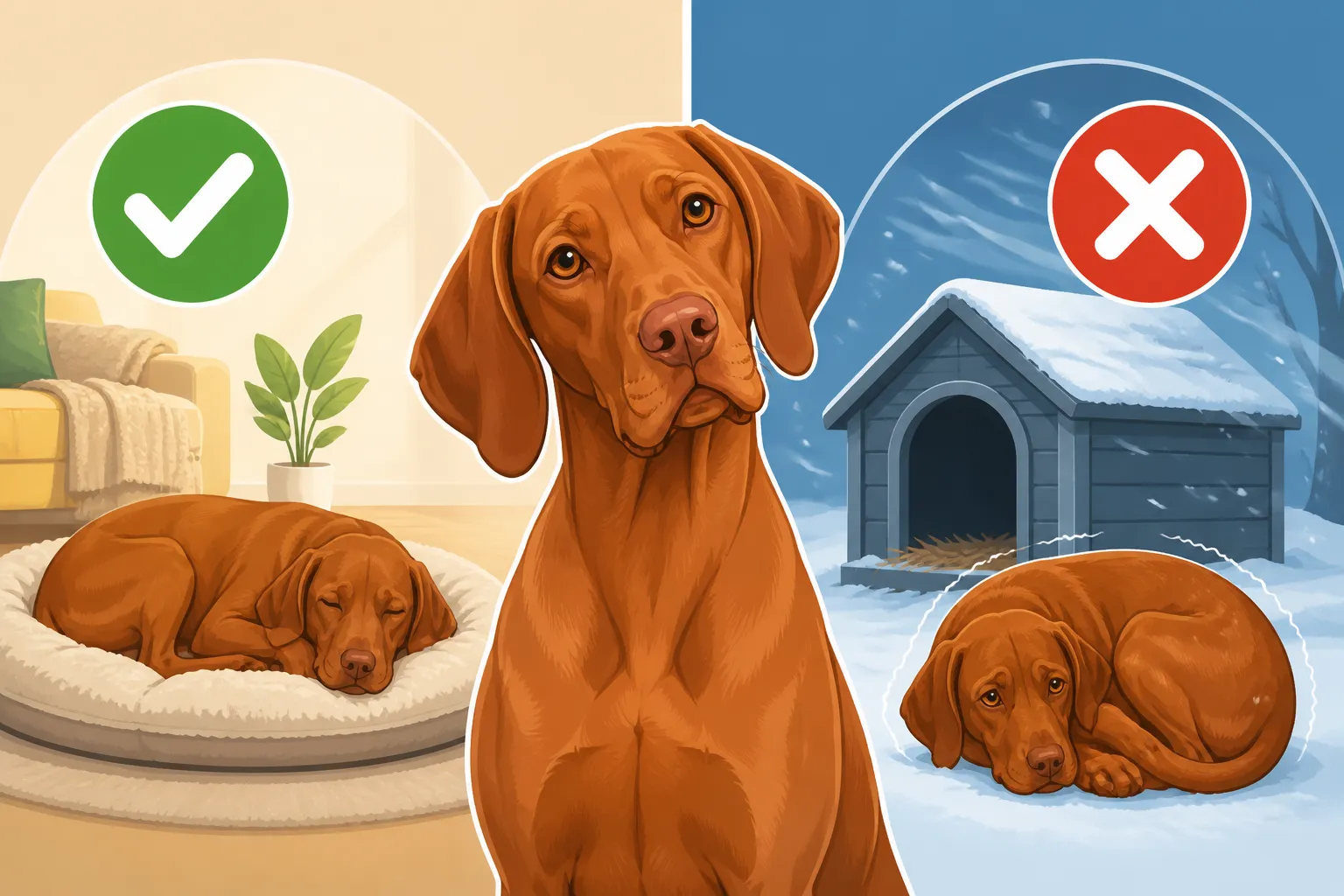
This thin coat means they are highly susceptible to both cold and heat. In winter, even moderate temperatures can leave them shivering uncontrollably. Picture yourself in a thin t-shirt in chilly weather – that's often how a Vizsla feels. Conversely, in hot weather, their short coat doesn't offer much protection from the sun, and they can easily overheat, especially if active. Their skin is also quite delicate; The Thin Skin a Vizsla Takes Into the Field means they are prone to scrapes and tears if left in rough outdoor environments without supervision, let alone prolonged exposure to the elements.
The "Velcro Vizsla" Needs You
Beyond the physical, there's the deep-seated emotional need. Vizslas are famously known as "Velcro Vizslas" for a reason. They crave, and genuinely need, constant human interaction and affection. They thrive on being part of the family, sharing your space, and often, your sofa. Why They Call It a Velcro Vizsla isn't just a cute nickname; it's a descriptor of their fundamental temperament.
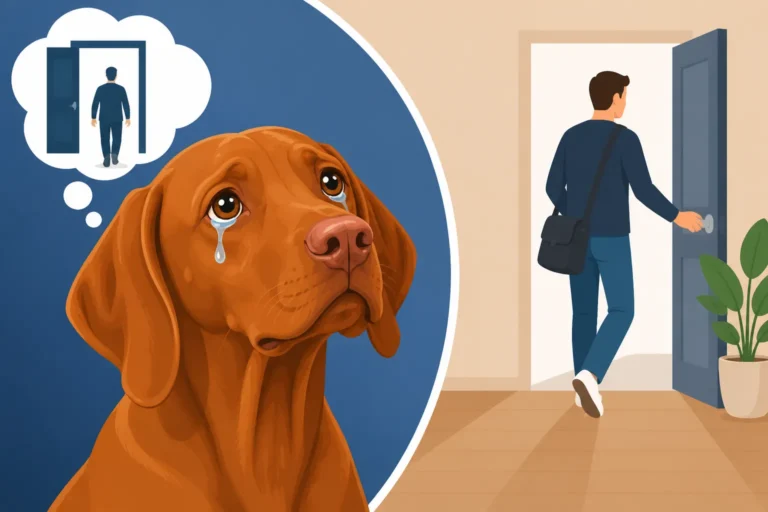
To leave a Vizsla outside by themselves for extended periods is to deny them this crucial aspect of their breed identity. It's not just about loneliness; it's about a deep emotional bond that, when unmet, can lead to severe behavioral issues. They aren't dogs that are content to patrol a yard alone; they want to be with you, participating in whatever you're doing. This intense need for companionship makes the idea of a Vizsla as a permanent outdoor dog not just impractical, but fundamentally unkind to the breed's nature. Why a Vizsla Cannot Be a Kennel Dog stems directly from this profound need for connection.
The Serious Risks of Outdoor Living for a Vizsla
Thinking about keeping a Vizsla outside often comes from a good place – you want them to have space, fresh air, and an outlet for their energy. However, for this particular breed, the risks far outweigh any perceived benefits. These risks range from immediate health dangers to long-term behavioral and safety concerns.
Health Hazards in Extreme Temperatures
As we touched on, a Vizsla's single coat is their Achilles' heel when it comes to temperature regulation. The Cold a Vizsla Genuinely Cannot Handle is a real and present danger. In freezing temperatures, a Vizsla can develop hypothermia quickly. Their core body temperature drops, leading to shivering, lethargy, and in severe cases, collapse and death. Even a well-insulated dog house might not be enough if temperatures plunge, as these dogs need internal heat from metabolism and external warmth from a protected, heated environment. Whether a Vizsla Gets Hypothermia is a question that emphasizes the severe risk.
On the flip side, hot weather poses its own significant threat. Vizslas are high-energy dogs that can push themselves past safe limits. If left outside in the sun, even with shade and water, they are prone to overheating and heatstroke. Their dedication to activity, combined with their lack of dense fur for protection, means they can quickly reach dangerous body temperatures. Whether a Vizsla Overheats Working in Heat is a concern even for supervised outdoor activity, let alone unsupervised living. Moreover, their delicate skin, especially on their nose and belly, is susceptible to Whether a Vizsla Sunburns, leading to pain and potential skin cancer over time.
Security Concerns and Escape Risks
A Vizsla is a highly intelligent, curious, and often determined dog. If they are bored, lonely, or under-exercised, they will find ways to entertain themselves, and that often means exploring beyond your fence line. They are known for their athleticism, capable of jumping surprisingly high or digging tunnels with impressive speed. What an Anxious Vizsla Destroys often includes fences, gates, and anything else standing between them and their perceived escape route or quest for human connection.
Leaving them outside increases the risk of escape, which can lead to them getting lost, hit by a car, or stolen. Unfortunately, Vizslas are a valuable and desirable breed, making them targets for theft if left unattended in a yard. This is a heartbreaking reality that many owners don't consider until it's too late. The emotional and financial cost of a lost or stolen dog is immense, and for a Vizsla, who forms such strong bonds, being separated from their family is a deeply traumatic experience.
Behavioral Problems Stemming from Neglect
A Vizsla that is perpetually left outside will quickly become a problem dog, not because of its inherent nature, but because its fundamental needs are unmet. Loneliness and boredom are powerful drivers of destructive behavior. This might manifest as incessant barking, disturbing neighbors and leading to complaints. It could also mean digging up your yard, chewing through landscaping, or destroying outdoor furniture.
Without the mental stimulation and social interaction they crave, they can develop severe separation anxiety or become hyperactive and unruly when they finally do get human attention, making them challenging to live with. This cycle of unmet needs leading to bad behavior often results in Vizslas being surrendered to shelters or rescue organizations, which is a tragic outcome for a dog that simply needs to be understood and integrated into family life.
Creating the Ideal Living Environment for Your Vizsla
Understanding why outdoor living is a poor choice for a Vizsla is just the first step. The next is to actively create an environment where they can truly thrive, addressing both their physical and emotional requirements within a home setting.
Warmth, Comfort, and a Sense of Belonging
At its core, a Vizsla needs a warm, comfortable, and safe indoor space to call its own. This isn't just about providing shelter; it's about providing a home. Why a Vizsla Needs Somewhere Warm to Sleep is paramount. They will gravitate towards soft blankets, cozy beds, and often, directly beside or on top of you. Many Vizslas love to burrow, so a bed with a cave-like design or plenty of blankets for them to tunnel under can be a huge hit. Consider where you place their sleeping area – ideally, it should be in a draft-free spot, away from cold windows or doors, especially in colder climates.
Beyond physical comfort, a Vizsla needs to feel like an integral part of the family unit. This means sharing your living spaces, being involved in daily activities, and receiving consistent attention and affection. They will follow you from room to room, often leaning against you or resting a head on your lap. This constant presence is not an annoyance; it's their way of connecting and feeling secure. This deep connection is what prevents the development of anxiety and behavioral issues that often plague dogs left isolated.
Managing Energy and Mental Stimulation Indoors
The most common reason people consider outdoor living for a Vizsla is their boundless energy. It's true, these dogs are athletes through and through, but their exercise needs can be met without banishing them to the yard. The Two Hours a Vizsla Needs Before It Will Settle is a good guideline for daily activity, and often, that needs to be vigorous, not just a casual stroll. This can include running, hiking, swimming, or vigorous games of fetch in a secure area.
For mental stimulation, which is just as vital as physical exercise, incorporate training sessions, puzzle toys, and scent work into their daily routine. Brands like Amazon offer a wide array of interactive puzzle feeders and durable chew toys that can keep a smart Vizsla engaged indoors, especially during times when you can't be actively playing with them. Teaching new tricks, practicing obedience, or engaging in "hide and seek" games with treats can tire out their minds, leading to a calmer, more contented dog inside the house. Remember, a tired Vizsla is usually a good Vizsla!
Better Solutions for High-Energy Vizslas
Instead of contemplating outdoor living, which, as we've established, is detrimental to a Vizsla's well-being, let's focus on practical, breed-appropriate solutions that embrace their nature and integrate them successfully into your home life.
Structured Exercise and Training Regimes
The key to a well-adjusted Vizsla is consistent and appropriate exercise. This doesn't mean letting them run wild in the yard unsupervised, but rather engaging them in structured activities. Think beyond just walks. Daily runs, bicycle rides (if your Vizsla is conditioned and trained for it), or swimming are excellent ways to burn off their immense energy. Many Vizslas excel at dog sports like agility, flyball, or canicross, which combine physical exertion with mental engagement. The Exercise a Vizsla Needs Every Day isn't a suggestion; it's a requirement for their health and happiness.
Beyond physical activity, consistent training is paramount. Vizslas are intelligent and eager to please, making them highly trainable. Investing in a good training program, whether through local classes or online resources like BAXTER & Bella, can help you channel their energy and intelligence into positive behaviors. A well-trained Vizsla is a joy to live with, and clear communication through training helps them feel secure and understand their place in the family. This includes everything from basic obedience to advanced field work, all of which can be practiced and refined in a home environment.
Managing Alone Time and Preventing Anxiety
Vizslas are prone to separation anxiety if not properly conditioned to be alone. This is often the root cause behind destructive behaviors that make owners consider outdoor alternatives. The goal isn't to leave them outside, but to teach them to be comfortable and secure when you're not physically present. Teaching a Vizsla to Be Alone is a crucial skill.
Crate training is an invaluable tool for Vizslas. A comfortable crate, introduced positively, provides a safe den where they can relax when you're away. It's not a punishment; it's their personal space. Gradually increasing the time they spend alone, starting with short intervals, can help them build confidence. Leaving them with engaging chew toys, like KONGs stuffed with frozen treats, can also make alone time a positive experience. For Vizslas with more severe anxiety, professional guidance from a certified behaviorist can provide tailored strategies and support. Remember, a Vizsla that understands boundaries and routines is far happier than one left to fend for itself outdoors.
| Feature | Vizsla Living Indoors | Vizsla Living Outdoors |
|---|---|---|
| Physical Comfort | Warm, dry, safe from elements, soft bedding | Vulnerable to heatstroke, hypothermia, sunburn, injuries |
| Emotional Health | Constant companionship, secure bond, low anxiety | Loneliness, boredom, high anxiety, behavioral issues |
| Behavior | Well-adjusted, well-mannered, quiet, responsive | Destructive, excessive barking, escape artist, unruly |
| Health Risks | Reduced exposure to parasites, less injury risk | Increased risk of parasites, illness, injury, theft |
| Training Ease | Easier to train and integrate into family life | Difficult to train, can become distrustful or aggressive |
| Coat Care | Easier to keep clean, minimal bathing needed | Prone to dirt, matting (if any), skin infections |
| Lifespan | Potentially longer, healthier life with proper care | Shorter lifespan due to increased risks and stress |
| Bonding | Strong, reciprocal bond with family | Strained or nonexistent bond due to isolation |
Conclusion: A Vizsla Belongs Inside, With You
The idea of a Vizsla living primarily outside simply doesn't align with the fundamental characteristics of this magnificent breed. They are not rugged outdoor dogs in the traditional sense. Their thin coats, intense need for companionship, and high intelligence mean they thrive when they are an integrated part of your home and family. They need your warmth, your attention, and your guidance to be the best versions of themselves.
When you bring a Vizsla into your life, you're not just getting a dog; you're getting a shadow, a companion, a loyal friend who wants nothing more than to be by your side. Providing them with a loving indoor home, coupled with ample exercise and mental stimulation, is the most responsible and rewarding way to ensure a happy, healthy, and well-adjusted Vizsla.
Disclaimer
This article is for general informational purposes only and does not constitute professional advice. Laws, prices and regulations vary by location and change over time. Consult a qualified professional for guidance on your specific situation.