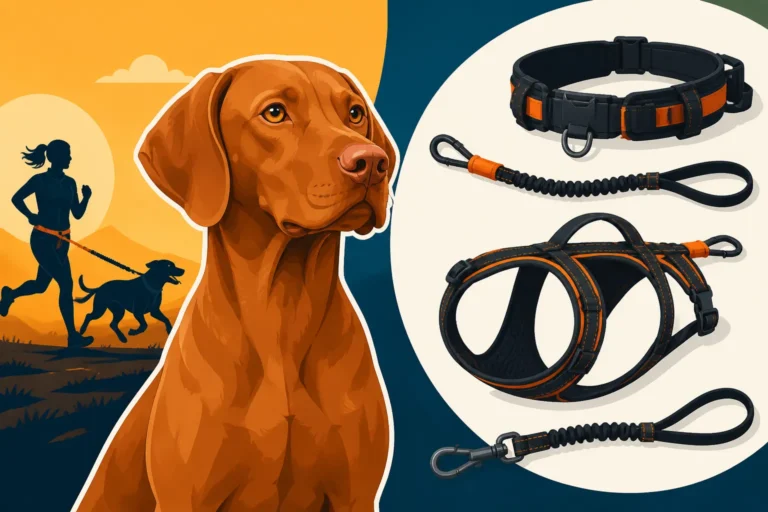
What a Coat for a Vizsla Costs
As Vizsla owners, we often picture our dogs as hardy, energetic athletes, gracefully enduring the elements. But the reality for many of us, especially when winter winds start to bite or a steady rain sets in, is a shivering, miserable dog who looks at us with pleading eyes, wondering why we're making them go outside. The truth is, despite their athletic build and boundless energy, Vizslas are quite sensitive to the cold and need proper protection. This guide will walk you through the various costs associated with keeping your beloved Vizsla warm and safe with appropriate outerwear.
Understanding Why Your Vizsla Needs a Coat in the First Place
It's a common misconception that because Vizslas are hunting dogs, they must be naturally impervious to cold or harsh weather. While they are incredibly driven and will push through discomfort in pursuit of game, their physical makeup actually leaves them quite vulnerable to the elements. This vulnerability means that a coat isn't just a fashion statement; it's often a necessity for their comfort and health.
The Vizsla's Unique Single Layer Coat
One of the defining characteristics of a Vizsla is their beautiful, sleek "golden rust" coat. It’s short, dense, and feels wonderfully soft to the touch. What many first-time Vizsla owners don't realize, however, is that this coat is a single layer, completely lacking the insulating undercoat that breeds like Labradors or German Shorthaired Pointers possess. This lack of an undercoat is a huge factor in their ability to regulate body temperature.
Think of it like wearing a single thin shirt on a cold day compared to someone wearing a thick wool sweater. Your Vizsla’s coat offers very little in the way of trapped air for insulation. Their skin is also quite thin, offering minimal barrier against environmental factors. This means that when the temperature drops, or the wind picks up, that thin coat is simply not enough to keep them warm. You might notice your Vizsla tucking their tail, hunching their back, or literally shivering within minutes of stepping outside, even on days that feel only mildly chilly to you. It's a clear sign their body is working overtime to maintain warmth. If you want to dive deeper into this unique aspect, we have an article on The Single Coat a Vizsla Has and Why It Changes Everything.
Protection from Cold and Inclement Weather
For us humans, a brisk autumn walk can be invigorating. For a Vizsla, that same walk might turn into a test of endurance against the cold. Without an undercoat, Vizslas lose body heat rapidly. This is especially true when it's wet, windy, or below freezing. Rain soaks through their single layer instantly, and wind chill can make even a mild day feel frigid. Snow, particularly wet snow, can clump on their fur and quickly lead to hypothermia, despite their desire to play.
Consider a scenario where you're out for an evening stroll, and the temperature drops unexpectedly, or a sudden drizzle starts. While you might pull up your collar or zip your jacket, your Vizsla has no natural way to add layers. They’ll start to shiver, become stiff, and may even refuse to go further. This isn't them being stubborn; it's a genuine physiological response to being too cold. Ignoring these signs can lead to discomfort, a shortened walk, or even health issues if prolonged exposure occurs. This is why understanding The Cold a Vizsla Genuinely Cannot Handle is so important for their overall well-being.
Guarding Against Field Hazards
Beyond just warmth, a well-chosen coat can offer crucial physical protection, particularly for those Vizslas who live up to their hunting heritage. Whether they're tracking game through dense brush, navigating thorny thickets, or running through fields full of abrasive stubble, their thin skin is susceptible to scrapes, cuts, and punctures. These injuries can range from minor irritations to more serious wounds requiring veterinary attention.
Imagine your Vizsla joyfully plunging into a patch of blackberry bushes, following a scent. Without a protective layer, their delicate skin on their chest and belly can be easily snagged and torn. Grass seeds and burrs can also become embedded in their short fur, leading to skin irritations or even infections if not promptly removed. A durable vest or coat acts as a barrier, shielding them from these common field hazards. It means fewer worries for you during and after a hunt, and a more comfortable, safer experience for your dog. Our insights into The Thin Skin a Vizsla Takes Into the Field further highlight this vulnerability.
Different Types of Vizsla Coats and Their Cost Implications
The world of dog coats is vast, offering a range of options from simple fleece vests to high-tech performance gear. The cost of a coat for your Vizsla will vary significantly depending on its intended purpose, materials, and features. It's not about buying the most expensive option, but the right one for your dog's specific needs and your lifestyle.
Everyday Wear and Basic Protection
For the average pet Vizsla who enjoys daily walks, trips to the dog park, or simply needs a bit of extra warmth indoors during colder months, basic coats and vests are usually sufficient. These typically include fleece jackets, lightweight quilted vests, or simple waterproof shells without heavy insulation. They're designed for comfort, ease of movement, and light protection.
These everyday coats are generally the most affordable options. You'll find them made from materials like polyester fleece, softshell fabrics, or thin nylon. They’re great for keeping your Vizsla cozy on a chilly morning walk, preventing rain from soaking them to the skin, or just adding a layer of warmth when they're curled up at home, especially if your house tends to be cool. Stores like Chewy offer a wide selection of these types of coats, making it easy to find something suitable without breaking the bank. The cost for these can range quite a bit, but you can usually find good quality options that will last for several seasons with proper care. These aren't typically designed for extreme weather but excel in providing that necessary baseline comfort that a Vizsla's single coat can't.
Specialized Winter and Wet Weather Gear
When temperatures really plunge, or you're dealing with prolonged exposure to rain or snow, your Vizsla needs more robust protection. This is where specialized winter and wet weather gear comes into play. These coats are engineered to provide superior insulation and water resistance, ensuring your Vizsla stays warm and dry even in challenging conditions.
Look for features like waterproof or water-resistant outer shells, often made from materials like treated nylon or polyurethane-coated fabrics, combined with internal insulation like fleece lining or synthetic fill. Many of these coats also include extended belly coverage to protect the vital organs, and sometimes even reflective strips for visibility in low light conditions – a huge bonus during short winter days. Some owners opt for a more substantial insulated parka if they live in areas with harsh winters or plan to spend significant time outdoors. These specialized coats will naturally cost more than basic options due to their advanced materials and construction. They are an investment in your Vizsla's health and comfort, particularly if you find your Vizsla is one who truly struggles with the cold. Understanding Whether a Vizsla Needs a Winter Jacket is key to making an informed choice here.
Performance and Hunting-Specific Coats
For Vizslas who are actively engaged in hunting, field trials, or other strenuous outdoor activities, performance and hunting-specific coats are a critical part of their gear. These aren't just about warmth; they're about safety, visibility, and protection against the harsh realities of the field. These specialized items are often the most expensive due to their technical design, durable materials, and specific features.
The most common item in this category is the blaze orange vest, which is vital for visibility during hunting season, making your dog easily identifiable to hunters. Beyond visibility, many hunting vests incorporate protective elements like ripstop fabrics, reinforced chest plates, or even cut-resistant panels to shield against thorns, briars, and sharp stubble. Some designs focus on buoyancy for water work, while others prioritize flexibility and minimal bulk for unrestricted movement over long distances. These vests are built to withstand abuse and often feature adjustable straps for a secure, comfortable fit that won't impede your dog's natural gait. Investing in this type of gear is part of the overall cost of outfitting a hunting dog, as highlighted in articles like The Bird Dog Kit a Vizsla Owner Ends Up Buying and What a Field Vest Costs for a Vizsla. The peace of mind knowing your Vizsla is protected from injury and highly visible makes the higher price tag worthwhile for active dogs and their owners.
Factors Influencing the Price of a Vizsla Coat
When you start looking at coats for your Vizsla, you'll quickly notice a wide range of prices. It's not just about the type of coat; several underlying factors contribute to how much you'll end up spending. Understanding these can help you make a more informed decision and choose a coat that offers the best value for your specific needs.
Material Quality and Construction
Just like with human clothing, the quality of materials and the standard of construction play a huge role in the price of a dog coat. A basic, inexpensive fleece vest might be made from a thin, loosely woven polyester, with simple stitching that might not stand up to rough play or repeated washing. On the other hand, a premium winter coat might feature advanced technical fabrics like waterproof, breathable shells (similar to those found in high-performance human outdoor gear), durable ripstop nylon, and high-quality synthetic insulation that retains warmth even when wet.
The hardware also matters. Cheap plastic buckles can snap easily, while robust metal or heavy-duty plastic clasps will last longer. Strong, reinforced stitching, especially at stress points like leg openings and around the neck, indicates better craftsmanship and durability. These higher-quality materials and construction techniques not only provide better performance in terms of warmth and weather protection but also ensure the coat will last for many seasons, ultimately saving you money in replacements. A well-made coat is an investment that stands up to the rigors of a Vizsla's active lifestyle.
Brand Recognition and Features
Another significant factor in pricing is brand recognition and the array of features included. Established brands that specialize in outdoor dog gear or performance apparel often command higher prices. This isn't always just for the name; these brands typically invest more in research, development, and rigorous testing to ensure their products meet specific performance standards for durability, fit, and weather protection. They often incorporate patented technologies or proprietary materials that justify a higher cost.
Beyond the brand, specific features can add to the price. For example, a coat with integrated reflective elements for low-light visibility, multiple points of adjustment for a customized fit, a built-in harness attachment, or specialized pockets for treats or waste bags will likely cost more than a minimalist design. While some features might seem like luxuries, others, like high-visibility panels or superior adjustability, can be crucial for safety and comfort, especially for working or highly active Vizslas. Carefully consider which features are truly essential for your Vizsla's activities and environment versus those that are simply "nice to have." You can find a good range of options, from budget-friendly to high-end, even at general pet supply retailers, allowing you to weigh these features against your budget.
Size and Fit Considerations
Vizslas have a distinctive build: lean, athletic, deep-chested, with a tucked-up waist. This unique physique means that a "one size fits all" or even standard dog coat sizing often doesn't fit them well. A coat that is too tight across the chest will restrict movement, while one that is too loose will shift, chafe, or fail to provide adequate warmth and protection. A poor fit can make your Vizsla uncomfortable or even unwilling to wear the coat. This is a common frustration for owners who find that many standard coats are either too boxy, too short in the back, or don't accommodate their deep chest. Whether a Vizsla Is Leggier Than a Shorthair hints at their unique body shape challenges for off-the-rack clothing.
The need for a good fit can influence cost in a couple of ways. You might find yourself investing in brands known for their athletic cuts or adjustable designs, which tend to be pricier. Alternatively, if off-the-rack options consistently fail, you might even consider custom-made coats, which, while offering a perfect fit, come at a significant premium. Taking careful measurements of your Vizsla's back length, chest girth, and neck circumference before shopping is crucial to avoid costly returns and ensure you find a coat that will be both comfortable and effective.
Maximizing Your Investment and Alternatives
Buying a coat for your Vizsla doesn't have to be a one-time, expensive purchase. With smart choices and proper care, you can ensure your investment lasts. There are also ways to be more budget-conscious while still providing your Vizsla with the protection they need.
Durability and Longevity
The most expensive coat isn't always the best value if it falls apart after a single season. Investing in a durable coat from the outset can save you money in the long run by reducing the need for frequent replacements. Look for coats made with robust materials and strong stitching, especially if your Vizsla is hard on their gear—running through brush, playing with other dogs, or generally being their enthusiastic, energetic self.
Proper care is also paramount to extending the life of any coat. Always follow the manufacturer's washing instructions. Many technical fabrics require specific cleaning agents or gentle cycles to maintain their waterproof properties and insulation. Air drying whenever possible can also prevent damage to specialized materials and hardware. Regularly inspect the coat for minor tears, loose stitching, or worn spots and repair them promptly. A small patch or a few stitches now can prevent a tiny issue from becoming a ruined coat. While a Vizsla's own skin might be thin and prone to tears, as discussed in Whether a Vizsla's Thin Skin Tears Easily, the coat itself should be much more resilient with good care.
Layering and Versatility
Instead of buying multiple specialized coats for every conceivable weather condition, consider a layering system. This approach offers incredible versatility and can be more cost-effective than a closet full of single-purpose outerwear. For example, a breathable fleece vest can serve as a fantastic insulating base layer on its own for chilly days or indoors.
When the weather turns wet or very cold, you can layer a waterproof and windproof shell over the fleece. This combination provides warmth, protection from rain and wind, and allows you to adjust your Vizsla's attire based on the specific conditions. A good shell might have minimal insulation but becomes very effective when paired with a warm underlayer. This versatility means you might only need two key pieces – a quality fleece and a waterproof shell – rather than separate raincoats, insulated winter coats, and everyday vests. This approach means you don't have to purchase a new outfit every time the weather shifts slightly, and it also considers conditions where Whether a Vizsla Needs Two Coats for Wet Cold becomes a very real consideration.
DIY Solutions and Budget-Friendly Options
While off-the-shelf coats offer convenience and specialized design, sometimes a budget doesn't allow for a significant purchase, or you need a temporary solution. In such cases, DIY options or very budget-friendly alternatives can provide some level of protection. For instance, an old child’s fleece jacket, appropriately sized and with sleeves cut off, can make a surprisingly effective warm vest for a smaller Vizsla or as an emergency layer. Old blankets or towels can be wrapped and secured for temporary warmth after a swim or on a cold car ride.
You can also look for patterns online to sew simple fleece or denim vests if you have basic sewing skills. While these homemade options won't offer the technical performance, waterproofing, or durability of commercial coats, they can certainly provide a basic barrier against cold and minor abrasions. They're a testament to the ingenuity of Vizsla owners who prioritize their dog's comfort even on a tight budget. Remember, even a simple layer can make a difference in keeping your Vizsla comfortable, especially if they are prone to shivering indoors or Whether a Vizsla Burrows Under Blankets for Warmth to find extra heat.
Coat Comparison for Vizslas
Choosing the right coat involves balancing protection, durability, and cost. Here's a brief comparison to help you navigate the options:
| Coat Type | Primary Purpose | Key Features | General Cost Range | Durability & Longevity |
|---|---|---|---|---|
| Fleece Vest/Light Jacket | Everyday warmth, light chill | Soft fabric, easy on/off, good mobility | Low to Moderate | Moderate |
| Raincoat/Shell | Wet weather protection | Waterproof/water-resistant outer, lightweight | Moderate | Moderate to High |
| Insulated Winter Coat | Cold weather, snow, prolonged exposure | Waterproof/resistant, insulated lining, belly coverage | Moderate to High | High |
| Hunting/Safety Vest | Field protection, visibility | Blaze orange, ripstop fabric, reinforced chest | High | Very High |
Disclaimer
This article is for general informational purposes only and does not constitute professional advice. Laws, prices and regulations vary by location and change over time. Consult a qualified professional for guidance on your specific situation.