Whether Hunting Injuries Are Covered on a Vizsla
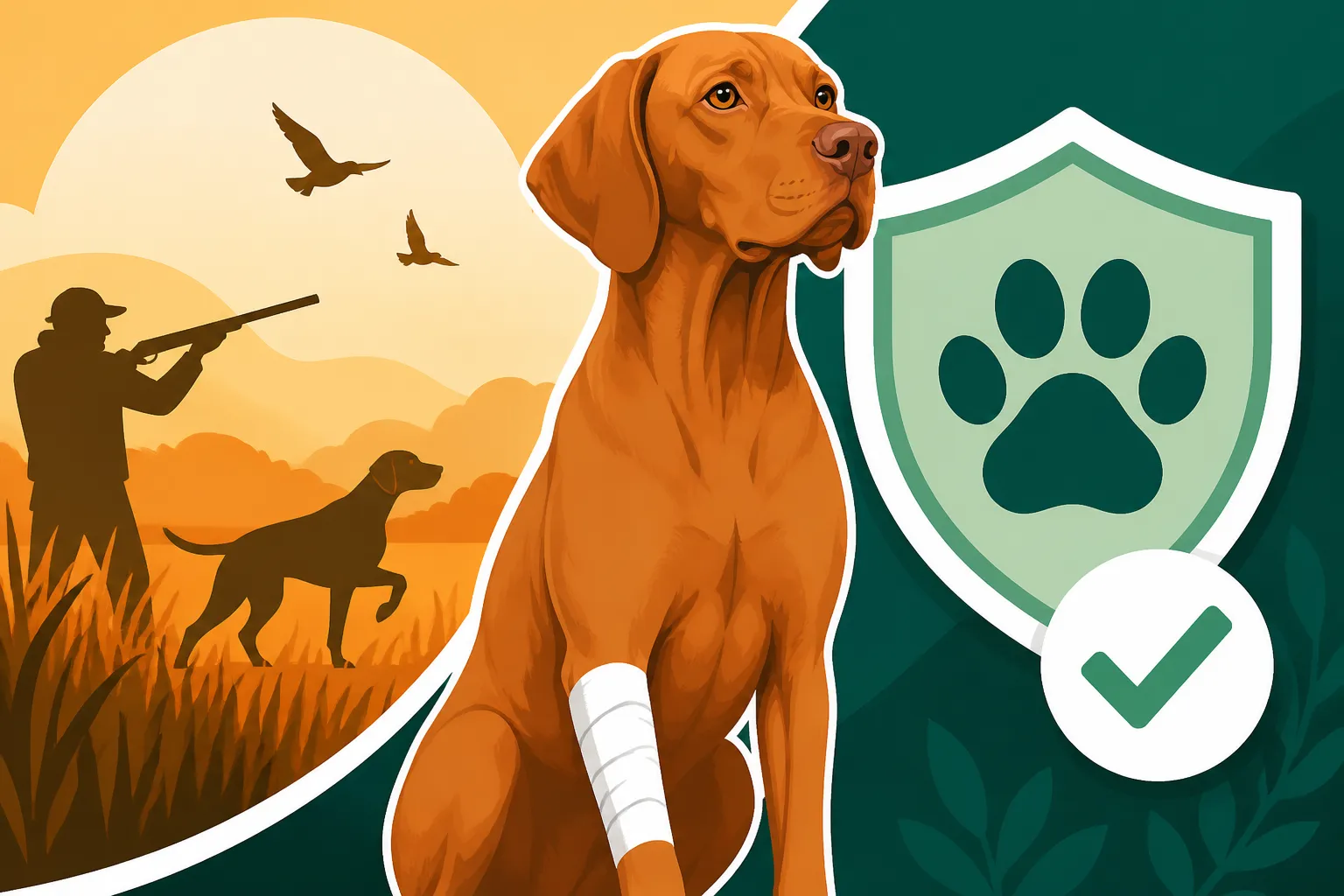
It’s a heart-stopping moment many of us Vizsla owners dread: your beloved dog is out in the field, doing what they love, and suddenly, they let out a yelp or you notice a distinct limp. Hunting is inherent to the Vizsla's spirit, but it also exposes them to a myriad of potential injuries, leaving us worried not only for their well-being but also for the often-astronomical veterinary bills that follow. This guide will delve deep into the complex world of pet insurance and explore whether those inevitable hunting injuries are truly covered, helping you navigate policies and prepare for the unexpected.
The Harsh Realities of Hunting with a Vizsla
Let’s be honest, our Vizslas are built for the field. They have that relentless drive, that boundless energy, and an absolute joy for hunting. But with that comes exposure to all sorts of hazards that the average pampered house pet might never encounter. We love seeing them work, but we also live with a constant knot of worry about what could happen out there.
Common Injuries Faced by Field Dogs
When your Vizsla is tearing through dense cover, flushing birds, or retrieving in thorny thickets, the risk of injury is incredibly high. It’s not a matter of if but when something might happen. We’ve all heard the stories, or perhaps even lived through them ourselves. Common culprits include cuts and lacerations from barbed wire, sharp rocks, or briars, especially with The Thin Skin a Vizsla Takes Into the Field. Puncture wounds from sticks or even another dog’s tooth are not uncommon. Sprains, strains, and even broken bones can occur from missteps on uneven terrain, jumping over obstacles, or hard landings. Then there are the subtler issues like exhaustion, heatstroke, or accidental ingestion of something harmful. And let's not forget the ever-present danger of embedded grass seeds between their toes or up their noses, which can lead to painful infections if not caught early. These aren't just minor scrapes; many require immediate veterinary attention, turning a fun day into a stressful dash to the emergency clinic.
Why Vizslas Are Particularly Vulnerable in the Field
While all hunting dogs face risks, our Vizslas have some particular vulnerabilities. Their short, single coat offers less protection than a thick, dense double coat from thorns, burrs, and the biting cold. Their incredible speed and agility, while a hallmark of the breed, also mean they can cover ground rapidly and get into trouble before you can react. They can be so focused on the scent or the bird that they might not notice a hazard in their path. Their eagerness to please and their high pain tolerance can also be a double-edged sword; they might push through an injury for a surprisingly long time before showing obvious signs of distress, making early detection difficult. You might only notice Whether a Vizsla Hides Its Pain much later. This combination of thin skin, relentless drive, and a tendency to mask discomfort can make them particularly susceptible to field injuries that go unnoticed until they become more severe, compounding the treatment challenge.
The Hidden Costs Beyond the Vet Bill
The immediate cost of an emergency vet visit for a field injury can be staggering, often reaching into the thousands of dollars, as you might know from asking What a Vizsla's Emergency Field Injury Costs. But the financial impact doesn't stop there. Beyond the initial surgery or treatment, there are follow-up appointments, medications, specialized diets for recovery (perhaps even looking into fresh food options like Ollie if your dog needs something gentle or highly palatable), physical therapy, and potentially rehabilitation equipment. If your Vizsla is a working dog, there's also the loss of their hunting season, which can be a significant emotional and practical blow if hunting is a core part of your life together. For serious injuries, there might be long-term management costs for arthritis or other chronic conditions that develop as a result. And then there's the emotional toll and time commitment, which, while not monetary, are invaluable. It’s a full spectrum of costs that many owners simply aren't prepared for.
Understanding Pet Insurance and Hunting Exclusions
This is where the waters can get murky. You bought pet insurance for peace of mind, right? But the devil is often in the details, and when it comes to activities like hunting, many standard policies have specific clauses that could leave you high and dry. It’s vital to understand what you’re actually paying for.
How Standard Policies View "Accidents" vs. "Hunting Incidents"
Most standard pet insurance policies are designed to cover accidents and illnesses. A cut from a broken bottle in the park? Likely covered as an accident. A sudden bout of pancreatitis? Covered as an illness. But what about a cruciate tear sustained while sprinting through heavy cover in pursuit of a pheasant? This is where definitions become crucial. Some policies might consider any injury sustained during an organized hunting activity or even just off-leash work in the field as an "exclusion" or something that falls outside their standard definition of an accident. They might argue that certain activities inherently carry a higher risk that they aren't structured to cover. This distinction can be incredibly frustrating for Vizsla owners, who see hunting as a natural, essential part of their dog's life. It's not just a hobby; it's what they were bred to do.
The Fine Print: What to Look For in Your Policy
Before assuming you're covered, it's absolutely essential to dig into the fine print of your existing or prospective pet insurance policy. Don't just skim the highlights; get comfortable with the exclusions section. Look for specific language regarding "hunting," "field trials," "working dog activities," "racing," or "occupational use." Some policies will explicitly exclude injuries sustained during these activities. Others might cover them but have specific limitations, such as a higher deductible, lower reimbursement rates, or caps on payouts for such incidents. You'll also want to check for waiting periods for accident coverage, which can vary. If you’re considering a provider, don't hesitate to call their customer service and ask direct questions about how they handle injuries from hunting. It's much better to clarify this upfront than to find out the hard way when your Vizsla is in pain and you're facing a large vet bill.
Different Policy Tiers and Their Coverage Limitations
Pet insurance isn't a one-size-fits-all product. You'll typically find several tiers of coverage, each with its own set of benefits and limitations.
- Accident-Only Plans: These are usually the most affordable and cover injuries from accidents. However, the definition of "accident" is key here, and hunting-related incidents might still be excluded depending on the provider.
- Accident and Illness Plans (A&I): This is the most common type, covering both unexpected injuries and illnesses. Again, specific exclusions for hunting are the main concern. These plans vary widely in terms of deductibles, reimbursement percentages (often 70-90%), and annual limits.
- Comprehensive/Wellness Plans: Some providers offer add-ons or more comprehensive plans that include routine wellness care like annual exams and vaccinations. While these are great for overall health, they usually don't alter the core accident and illness coverage or remove hunting exclusions unless specifically stated.
It's really a balancing act between cost and coverage. While a cheaper, accident-only plan might seem appealing, it could fall short when your working Vizsla needs it most. When looking at providers like Healthy Paws, for example, their comprehensive accident and illness plans are often praised for broad coverage, but you still need to inquire specifically about their stance on hunting-related injuries. Every policy is different, and what's covered for one type of incident might not be for another, especially in the context of specific activities.
Navigating Specialized Insurance for Working Dogs
Given the unique risks associated with working dogs like our Vizslas, it’s not surprising that a niche market has emerged for more specialized insurance options. These policies are designed to bridge the gap left by standard pet insurance exclusions.
Companies Offering Hunting Dog Coverage
While major pet insurance providers like Healthy Paws generally offer robust accident and illness coverage, they might not explicitly cater to the unique needs of hunting dogs in all their standard plans. For truly specialized coverage, you might need to look at providers that focus on working dogs or offer specific riders. Some companies, for instance, might have add-ons for "performance animals" or "working animals" that specifically address injuries sustained during field activities. These are less common than general pet insurance policies, but they do exist. It's worth researching smaller, specialized insurers or even asking for recommendations from fellow hunters or Vizsla club members who understand the particular demands of the sport. They can often point you towards specific policies or brokers that understand hunting dog needs and can offer a tailored solution that acknowledges, rather than excludes, your Vizsla's working life.
What to Expect from a Hunting Dog Rider or Policy
A hunting dog rider or a specialized policy will typically offer more explicit coverage for injuries sustained during hunting, field trials, or other performance events. You can expect them to cover things like:
- Traumatic injuries: Cuts, punctures, fractures, sprains, and ligament tears (like a cruciate tear).
- Accidental ingestions: Though you should always have a good What a First Aid Kit for a Hunting Vizsla Holds on hand, this covers situations where your dog eats something toxic in the field.
- Environmental hazards: Frostbite or heatstroke, which are real concerns for a Vizsla in extreme conditions.
- Certain illnesses: Some policies might cover specific illnesses common in working dogs that could be exacerbated by field conditions.
However, these specialized policies often come with higher premiums, and they might still have their own set of exclusions, such as pre-existing conditions, preventative care, or elective procedures. It's crucial to compare the coverage details, deductibles, reimbursement rates, and annual limits carefully. Don't be shy about getting multiple quotes and scrutinizing what is actually included for hunting-related incidents, as opposed to general accidents. Understanding the specifics will help you make an informed decision for your What a Vizsla Costs a Year to Keep and its activities.
Comparing Costs and Benefits of Specialized Plans
When you start looking at specialized policies or riders, it's easy to get overwhelmed by the options and the numbers. Here’s a simple table to help illustrate the typical differences you might encounter:
| Feature | Standard Pet Insurance (A&I) | Specialized Hunting Dog Rider/Policy |
|---|---|---|
| Coverage Scope | Broad accidents & illnesses | Accidents & illnesses, specifically in hunting/field contexts |
| Hunting Injury Inclusion | Often excluded or ambiguously covered | Explicitly included, with defined terms |
| Premiums (Monthly) | Moderate to high | Generally higher |
| Deductible Options | Variable (e.g., $250, $500, $1000) | Variable, possibly higher |
| Reimbursement Rate | 70-90% common | Similar, but check specifics |
| Annual Limits | $5,000 – unlimited | Can be tailored for higher risk events |
| Waiting Periods | Typically 14 days for illness, shorter for accidents | Varies, check carefully |
| Pre-existing Conditions | Always excluded | Always excluded |
| Wellness Add-ons | Often available | Less common, focus on acute care |
The main benefit of a specialized plan is the peace of mind knowing that your Vizsla is covered for the very activities that define its breed and purpose. While the cost may be higher, the potential savings on a major injury could easily outweigh years of increased premiums. Considering What Insuring a Vizsla Runs Monthly for a standard policy, a specialized option might only be a modest increase for significantly better protection in the field. This can be especially important given Whether an Insurer Rates a Vizsla as High Risk due to their activity level and breed-specific health concerns.
Proactive Measures to Protect Your Vizsla and Your Wallet
Even with the best insurance, prevention is always better than cure. Taking proactive steps can significantly reduce the risk of injury and, consequently, the need for costly vet visits.
Field Safety Gear and Practices
Before heading out, outfit your Vizsla with appropriate safety gear. A blaze orange vest, for example, is non-negotiable for visibility, helping prevent accidental shootings and making it easier to spot your dog in dense cover. You might wonder Whether a Vizsla Needs a Vest in the Field, and the answer is an emphatic yes. Dog boots can protect their sensitive paws from thorns, sharp rocks, and harsh terrain, especially if your Vizsla’s pads are prone to cracking or tearing. A GPS collar is also a smart investment, offering peace of mind if your dog ranges wide and you need to locate them quickly, which is a common concern if you've ever wondered whether a Vizsla needs a GPS collar.
Beyond gear, practicing good field habits is key. Always do a thorough Checking a Vizsla Over After a Hunt for cuts, punctures, ticks, and grass seeds. Carry a well-stocked first aid kit, and know how to use it for common injuries like Whether a Vizsla Cuts Itself Hunting. Hydration is paramount; make sure your Vizsla has access to fresh water throughout the day, particularly during strenuous hunts. Be mindful of extreme weather conditions, as Vizslas are not built for prolonged exposure to intense cold or heat. Knowing their limits and yours can prevent exhaustion and heatstroke.
Regular Vet Checks and Preventative Care
Preventative care is not just about avoiding illness; it's also about building a resilient body that can withstand the rigors of hunting. Regular veterinary check-ups are crucial for catching potential issues early. Your vet can assess your Vizsla's overall fitness, joint health, and recommend appropriate supplements if needed. Discuss a tailored vaccination schedule and parasite control plan, as exposure to certain diseases and parasites is higher in the field.
A well-balanced diet is another cornerstone of preventative care. A working Vizsla needs high-quality nutrition to fuel its energy and support muscle and joint health. This means carefully selecting their food, potentially looking into performance formulas from reputable brands available through retailers like Chewy. Some owners even explore fresh food options like Ollie, believing it provides optimal nutrition for active dogs. Keeping your Vizsla at a healthy, lean weight is also vital for joint health and overall stamina. Remember, a healthy dog is often more resilient to minor injuries and recovers faster if an accident does occur.
Building an Emergency Fund for Unexpected Costs
Even with insurance, there will likely be out-of-pocket costs—deductibles, co-pays, or expenses not covered by your policy. This is why having an emergency fund specifically for your Vizsla’s health is an incredibly smart move. Think of it as your personal safety net. Start setting aside a small amount regularly, perhaps the equivalent of a monthly pet insurance premium, into a dedicated savings account. Over time, this fund can grow into a substantial buffer for those unexpected moments.
This fund can cover smaller, uninsured expenses, or it can supplement your insurance for a major incident. For example, if your policy has a $500 deductible and a 90% reimbursement rate, you'll still be responsible for that initial $500 plus 10% of the remaining bill. An emergency fund makes that financial hit far less stressful. It gives you the freedom to make treatment decisions based on what’s best for your Vizsla, rather than being solely dictated by financial constraints. After all, the joy and companionship your Vizsla brings are priceless, and investing in their care is an investment in your shared adventures.
What to Do When an Injury Occurs
Even with all the preparation in the world, accidents can happen. When your Vizsla gets hurt in the field, knowing what to do immediately and how to navigate the aftermath can make a significant difference in their recovery and your insurance claim.
Immediate First Aid in the Field
The first few minutes after an injury are critical. Stay calm, even though your heart might be racing. Assess the situation as quickly and safely as possible. If your Vizsla is bleeding, apply direct pressure with a clean cloth or gauze from your What a First Aid Kit for a Hunting Vizsla Holds. For suspected fractures or severe lameness, try to immobilize the limb as best you can without causing more pain. If your dog seems disoriented or has difficulty breathing, prioritize getting them to a vet immediately.
Always have a plan for how to get your injured Vizsla to veterinary care swiftly. This means knowing the location of the nearest emergency vet clinic, especially if you're hunting in an unfamiliar area. A sturdy What a Dog Box in a Truck Bed Costs or a specially designed dog stretcher can be invaluable for transporting an injured dog comfortably and safely. Don't underestimate the importance of carrying water and electrolyte solutions, especially in warmer weather, to prevent dehydration or treat mild heat exhaustion. Administering basic first aid can stabilize your Vizsla and prevent a minor issue from becoming a major crisis while you make your way to professional help.
Communicating with Your Veterinarian and Insurer
Once your Vizsla is at the vet, clear communication is paramount. Explain exactly what happened, when, and where the injury occurred. Provide all relevant details, as this information will be crucial for both the veterinarian's diagnosis and your insurance claim. Don't forget to mention that the injury occurred during a hunting activity.
As soon as your Vizsla is stable, or even from the vet's office, contact your pet insurance provider. Have your policy number ready and clearly state that your Vizsla sustained an injury while hunting. Be prepared to provide the same details you gave the vet. They will guide you through the claims process, explaining what documentation they require, such as vet records, invoices, and possibly a claim form. Timeliness is often important, as many policies have a window within which a claim must be submitted. This is where understanding your policy's stance on hunting injuries, as discussed earlier, becomes critical.
Dealing with Claim Denials and Appeals
It’s an awful feeling to receive a claim denial, especially when your Vizsla is recovering from an injury. If your claim for a hunting injury is denied, don't despair immediately. First, review the reason for the denial provided by your insurer. Does it cite a specific exclusion in your policy? Does it claim insufficient documentation?
If you believe the denial is incorrect or based on a misunderstanding, you have the right to appeal. Gather all relevant documentation: your complete policy, vet records, detailed invoices, and any communication you’ve had with the insurance company. Write a formal letter of appeal, clearly stating why you believe the claim should be covered, referencing specific clauses in your policy that support your case. If your policy has a vague exclusion or if the insurer is interpreting it broadly, sometimes a conversation with a supervisor or an appeal with more detailed documentation can overturn the initial decision. Always remain polite but firm, and keep meticulous records of all your interactions, including dates, times, and the names of the representatives you spoke with.
Disclaimer
This article is for general informational purposes only and does not constitute professional advice. Laws, prices and regulations vary by location and change over time. Consult a qualified professional for guidance on your specific situation.