Whether a Vizsla Breeder Screens for Thyroid
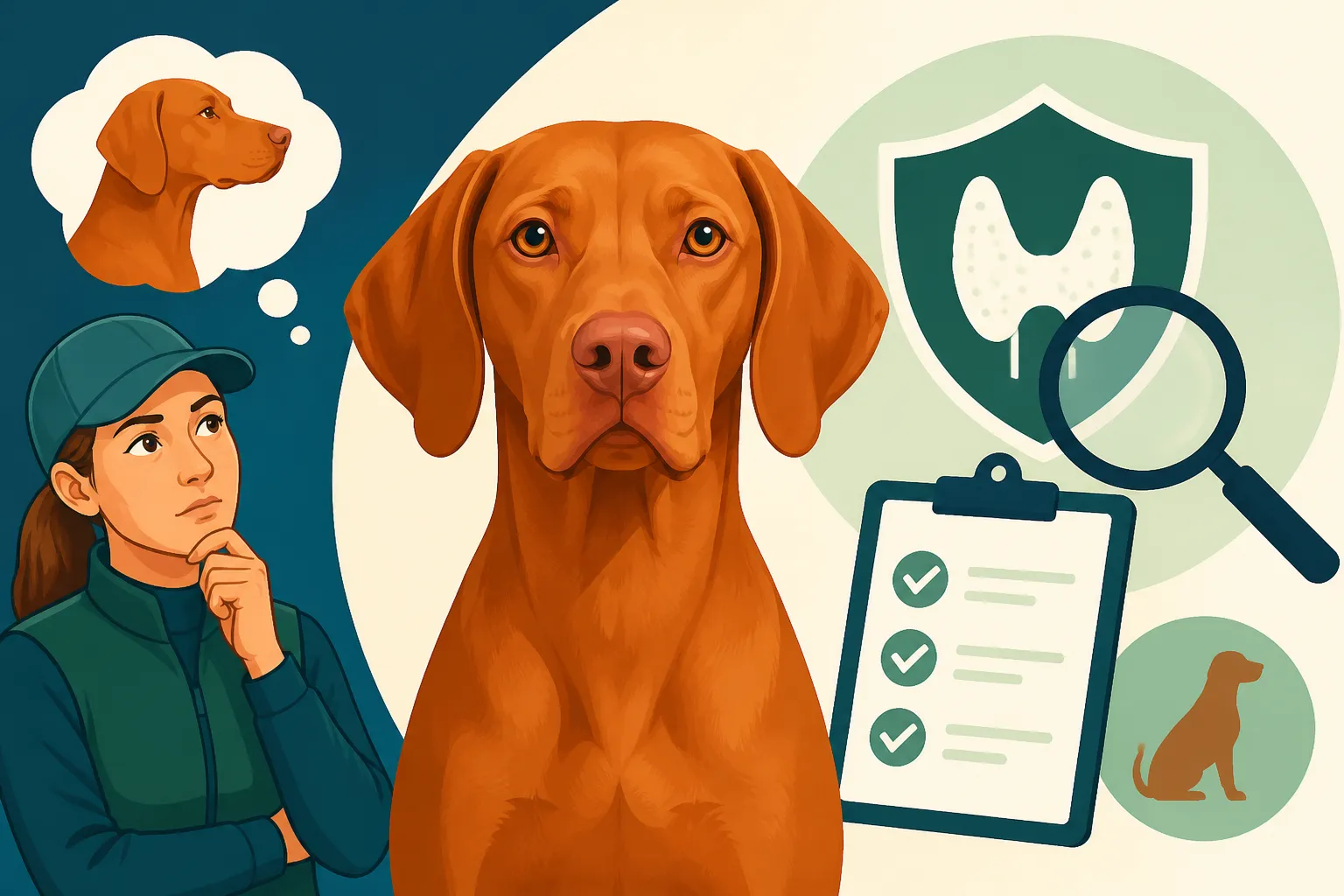
It's incredibly disheartening to realize that the vibrant, athletic Vizsla you're dreaming of could be predisposed to certain health conditions, even with the best breeding practices. One common concern for many prospective Vizsla owners revolves around thyroid health, and rightfully so. Navigating the world of responsible breeders and understanding what health screenings they undertake for their breeding stock can feel like a minefield. This guide will meticulously unpack whether a Vizsla breeder screens for thyroid issues, why it's so critical, and what you, as a hopeful owner, should be looking for and asking.
Understanding Thyroid Health in Vizslas
When you commit to a Vizsla, you're not just bringing home a dog; you're welcoming a family member known for its boundless energy, affectionate nature, and striking good looks. However, like all breeds, Vizslas come with their own genetic predispositions, and thyroid disease is one that warrants serious attention.
Why Thyroid Issues Are a Concern for Vizslas
The thyroid gland, a small but mighty organ located in the neck, produces hormones essential for regulating metabolism. When it doesn't function correctly, it can throw an entire system out of whack. Hypothyroidism, where the thyroid produces insufficient hormones, is a common endocrine disorder in dogs, and unfortunately, Vizslas are one of the breeds with a higher prevalence. This isn't just about weight gain or a dull coat; it's often an immune-mediated condition where the dog's own immune system attacks the thyroid gland. This susceptibility to immune-mediated diseases is a known characteristic of the breed, a topic explored further in discussions around Why Vizslas Carry So Much Immune Disease. Because of this genetic vulnerability, responsible breeders take thyroid health seriously, understanding that undetected or unmanaged thyroid disease can significantly impact a Vizsla's quality of life and even its lifespan. It's a silent threat that can manifest in various, often subtle, ways.
Signs of Thyroid Failure in a Vizsla
Catching thyroid issues early is crucial, but the signs can be insidious and easily mistaken for other conditions or simply "getting older." Owners might notice a gradual change in their dog's energy levels, becoming more lethargic or less enthusiastic about their usual activities. Weight gain, despite no change in diet or exercise, is another classic indicator. Perhaps one of the most visible signs is a decline in coat quality. You might observe a dry, brittle coat, excessive shedding, or even areas of hair loss, particularly along the flanks or tail. This connection between the thyroid and a dog's outward appearance is so strong that it's often the first thing people notice, prompting further investigation into Thyroid Failure and the Vizsla's Coat. Other symptoms can include increased susceptibility to skin infections, a dull expression, intolerance to cold, or even behavioral changes like increased anxiety or aggression. It's truly a cascade of effects that can drastically alter your dog's well-being. If you want a deeper dive into the specifics, check out Signs a Vizsla's Thyroid Has Failed.
The Role of Responsible Breeders in Thyroid Screening
A truly responsible Vizsla breeder isn't just focused on puppies; they're invested in the long-term health and vitality of the entire breed. This commitment extends deeply into health screening for their breeding stock, with thyroid screening being a non-negotiable part of that process.
Standard Thyroid Health Protocols for Vizsla Breeders
For a reputable Vizsla breeder, pre-breeding health screenings are as fundamental as a puppy's first vaccine. They understand that preventing hereditary diseases means being proactive, not reactive. This isn't just about good intentions; it's about adhering to established health testing guidelines. The Orthopedic Foundation for Animals (OFA) offers a comprehensive Canine Health Information Center (CHIC) program, which establishes health testing protocols for various breeds. For Vizslas, thyroid evaluation is one of the recommended tests. Good breeders will regularly screen their breeding dogs, often annually, to ensure their thyroid function is within healthy limits before breeding. They will gladly share these results with prospective puppy buyers. This dedication to health screening is a cornerstone of ethical breeding, ensuring that parents are as healthy as possible to produce healthy offspring. A breeder who proudly displays a CHIC number for their dogs is demonstrating a clear commitment to breed health, which is a major green flag for any buyer. You can learn more about this by reading Whether a Vizsla Breeder Should Show a CHIC Number and exploring the broader topic of The Health Tests Both Vizsla Parents Should Have.
What Thyroid Screening Entails
It's not enough for a breeder to simply say, "My dogs are healthy." You need to understand what constitutes proper thyroid screening. A comprehensive thyroid panel is far more than a basic T4 test. It should include a full battery of tests: Total T4 (Thyroxine), Free T4 (unbound Thyroxine), TSH (Thyroid-Stimulating Hormone), and TgAA (Thyroglobulin Autoantibody). The TgAA test is particularly crucial for Vizslas and other breeds prone to autoimmune thyroiditis because it detects antibodies that indicate the immune system is attacking the thyroid, even if the dog is not yet clinically hypothyroid. This allows breeders to identify dogs that might be carriers or in the early stages of the disease and make informed decisions about breeding. Testing should be done at a reputable veterinary diagnostic laboratory, often specialized ones, to ensure accuracy. A single low T4 result isn't always definitive; it requires a full panel and often repeat testing to get a complete picture. Responsible breeders will partner with their veterinarians and these labs to ensure thorough and accurate testing for all their breeding animals.
Evaluating a Vizsla Breeder's Thyroid Screening Practices
As a prospective Vizsla owner, you hold significant power in choosing a breeder who prioritizes health. Your diligence in asking the right questions and understanding the answers can make all the difference in the health journey of your future companion.
Questions to Ask Potential Breeders
When you connect with a potential Vizsla breeder, don't hesitate to become an inquisitive detective. You're making a decade-plus commitment, and you deserve to be fully informed. Start by directly asking about their thyroid screening protocols.
- "Do you screen your breeding dogs for thyroid disease, and if so, how often?"
- "Can I see the OFA (Orthopedic Foundation for Animals) thyroid certifications for both parents of the litter?"
- "What specific tests are included in your thyroid screening panel?" (Listen for T4, Free T4, TSH, and especially TgAA).
- "Have any of the dogs in the pedigree, particularly close relatives, ever been diagnosed with hypothyroidism or autoimmune thyroiditis?"
- "What is your policy or guarantee if a puppy from your litter develops thyroid disease later in life?"
A reputable breeder will not only have these answers readily available but will welcome your thoroughness. They should be transparent and proud of their health testing efforts. If a breeder is vague, dismissive, or claims they "don't believe in" such testing, consider that a major red flag. It’s also wise to consider the broader implications of skipping these checks; for more insights, check out Whether an Untested Vizsla Litter Is Worth Buying.
Interpreting Health Certifications and Pedigrees
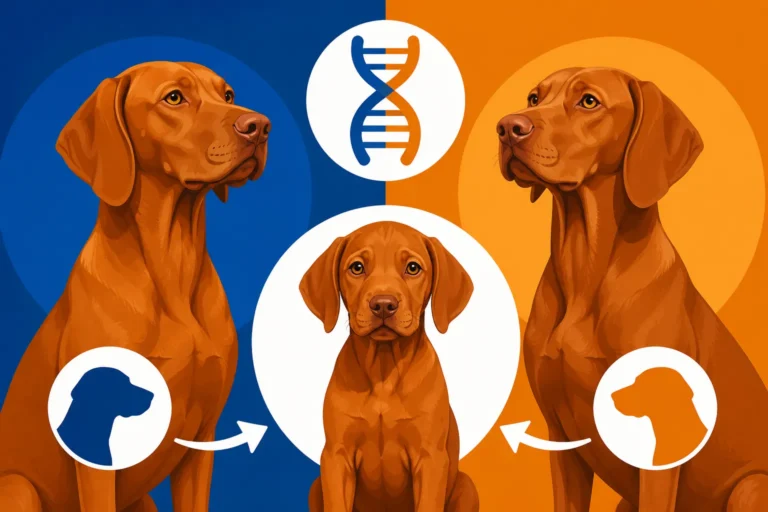
Understanding health certifications can feel like learning a new language, but it's vital. When a breeder provides OFA thyroid certifications, look for "Normal" results. For autoimmune thyroiditis, a "Negative" result is ideal. Dogs that are "Equivocal" or "Positive" for thyroid autoantibodies should not be bred, as they can pass on the predisposition to their offspring.
Beyond individual certifications, ask to see the pedigree of the sire and dam. While a pedigree doesn't directly show health results, a breeder who tracks health issues in their lines can tell you about the prevalence of thyroid disease in the broader family tree. A well-informed breeder will know the health status of siblings, aunts, uncles, and even grandparents. They might even participate in breed health registries beyond OFA, or contribute to research efforts. This holistic view of health history, combined with individual testing, paints the most complete picture of a puppy's genetic likelihood of remaining healthy.
The Importance of a Lifetime Commitment and Health Guarantees
A responsible breeder's relationship with their puppies and their new families doesn't end when the puppy leaves their home. They stand behind their breeding decisions and offer ongoing support. This often includes a health guarantee, which might cover hereditary conditions like thyroid disease for a certain period. While no breeder can guarantee a dog will never develop a health issue, a strong health guarantee shows confidence in their breeding program and a commitment to their puppies. It also highlights the financial reality of pet ownership. Conditions like hypothyroidism require lifelong medication, and costs can add up. This is where forward-thinking owners might consider pet insurance, such as through providers like Healthy Paws. A breeder who discusses potential health challenges and encourages owners to be prepared for the financial aspects of responsible pet care, perhaps even mentioning insurance options, demonstrates a true commitment to the well-being of their puppies throughout their lives. This comprehensive approach helps ensure that you're supported long after you bring your new Vizsla home.
Living with a Vizsla and Ongoing Thyroid Monitoring
Bringing home a Vizsla means embracing their energy and affection, but also taking on the responsibility of their long-term health. Even with the most diligent breeder, ongoing monitoring is a crucial part of responsible ownership.
When to Test Your Vizsla's Thyroid
Once you bring your Vizsla home, regular veterinary check-ups are essential. While annual thyroid screening might not be necessary for every dog, discussing it with your veterinarian is wise, especially as your Vizsla ages. The general recommendation from many breed clubs and veterinarians is to test regularly, perhaps annually, particularly for breeds known to be susceptible. This is a point of ongoing discussion, as highlighted in questions like Whether a Vizsla's Thyroid Should Be Tested Yearly. If your Vizsla exhibits any of the symptoms we discussed earlier—lethargy, unexplained weight gain, changes in coat quality, or behavioral shifts—don't hesitate to bring it up with your vet. Early detection can lead to much more effective management and a better quality of life for your dog. Remember, you know your Vizsla best, and noticing subtle changes is your superpower as an owner.
Managing a Hypothyroid Vizsla
If your Vizsla is diagnosed with hypothyroidism, it's not the end of the world, but it does require commitment. The good news is that it's generally a very manageable condition with appropriate medical intervention. Treatment typically involves daily oral supplementation with synthetic thyroid hormone, such as levothyroxine. Your vet will determine the correct dosage, and follow-up blood tests will be necessary to ensure the medication is working effectively and the dosage is optimized. Many Vizslas on medication live full, happy, and active lives with no discernible difference from their healthy counterparts. Owners often report seeing a dramatic improvement in energy levels, coat quality, and overall demeanor once treatment begins. You can read more about the efficacy of treatment in Whether Thyroid Medication Works on a Vizsla, and it's also worth understanding the connection between weight and thyroid health, explored in Whether a Hypothyroid Vizsla Gains Weight.
Financial Considerations for Thyroid Treatment
Managing a chronic condition like hypothyroidism does come with financial implications. The cost of daily medication is ongoing, and you'll need regular veterinary check-ups and blood work to monitor thyroid hormone levels and adjust dosages. While these costs are usually manageable on a monthly basis, they do add up over your Vizsla's lifetime. Planning for these potential expenses is a smart move for any pet owner. Some owners set aside a dedicated savings fund, while others opt for pet insurance. Companies like Healthy Paws offer comprehensive coverage that can help offset the costs of chronic conditions, making it easier to afford the best possible care for your Vizsla without financial strain. It's a proactive step that can provide peace of mind, knowing that if a health issue arises, you're prepared. Considering the potential costs of unexpected health issues is an important part of understanding What a Vizsla Costs a Year to Keep.
Here’s a quick overview of what to look for:
| Aspect | Responsible Breeder Practices | Less Responsible Breeder Practices |
|---|---|---|
| Thyroid Screening | Routinely screens breeding stock (T4, Free T4, TSH, TgAA). | May do minimal or no screening, or only basic T4. |
| Transparency | Provides OFA certifications readily, discusses results openly. | Vague about health tests, or unwilling to share results. |
| Knowledge of Lines | Understands health history of parent lines, including thyroid. | Limited knowledge of health issues in their dog's lineage. |
| Health Guarantees | Offers a written health guarantee, supports owners. | Minimal or no health guarantee. |
| Buyer Education | Educates buyers on potential breed health issues, recommends ongoing care. | Focuses solely on puppy cuteness, avoids health discussions. |
| Ongoing Support | Available for questions and support throughout the dog's life. | Disappears after sale. |
Disclaimer
This article is for general informational purposes only and does not constitute professional advice. Laws, prices and regulations vary by location and change over time. Consult a qualified professional for guidance on your specific situation.