The Signs a Vizsla Is Getting Old
It’s a bittersweet moment when you first notice those subtle shifts in your Vizsla, the ones that whisper of passing years. Our beloved "Velcro Vizslas," with their boundless energy and unwavering zest for life, can make it incredibly hard to admit that time is catching up. This guide is here to help you understand and gently embrace these changes, recognizing the early signs that your Vizsla is stepping into its golden years, so you can offer the best care and comfort possible.
The Subtle Physical Shifts in an Aging Vizsla
Vizslas are renowned for their athleticism and lean, muscular build. Because they’re so active, it can feel like they'll stay forever young, bounding through fields with that characteristic tireless grace. But even for these energetic dogs, age brings with it inevitable physical changes, sometimes so subtle that they creep up on us. Recognizing these cues early is crucial for maintaining their quality of life.
Changes in Mobility and Stamina
One of the most noticeable, yet often dismissed, signs of aging in a Vizsla is a gradual decrease in their once-unending stamina and a change in their mobility. It’s not always a sudden halt, but rather a slow ebb.
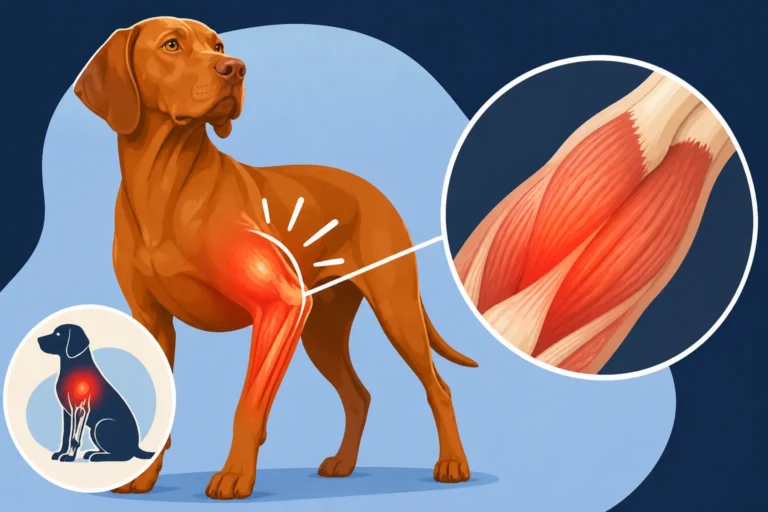
Your Vizsla might still be eager to join you on a walk, but instead of leading the charge, they might hang back a bit. That enthusiastic sprint across the park might shorten, or they might tire more quickly than before, perhaps needing an extra nap after even a moderate outing. You might notice they take a bit longer to get up from a lying position, or there's a slight stiffness in their gait after a long rest. Stairs, once tackled with gusto, might now be approached with more caution, or they might even start avoiding them altogether. This isn't just "slowing down"; it can often be a sign of underlying joint discomfort, perhaps the early stages of Arthritis in a Vizsla at Ten. While many Vizslas retain a youthful exuberance well into their senior years, observing these subtle declines in physical prowess is important. If you’re seeing these changes, it's worth discussing with your vet how to support their joints, potentially with supplements or anti-inflammatory measures.
Coat, Skin, and Sensory Alterations
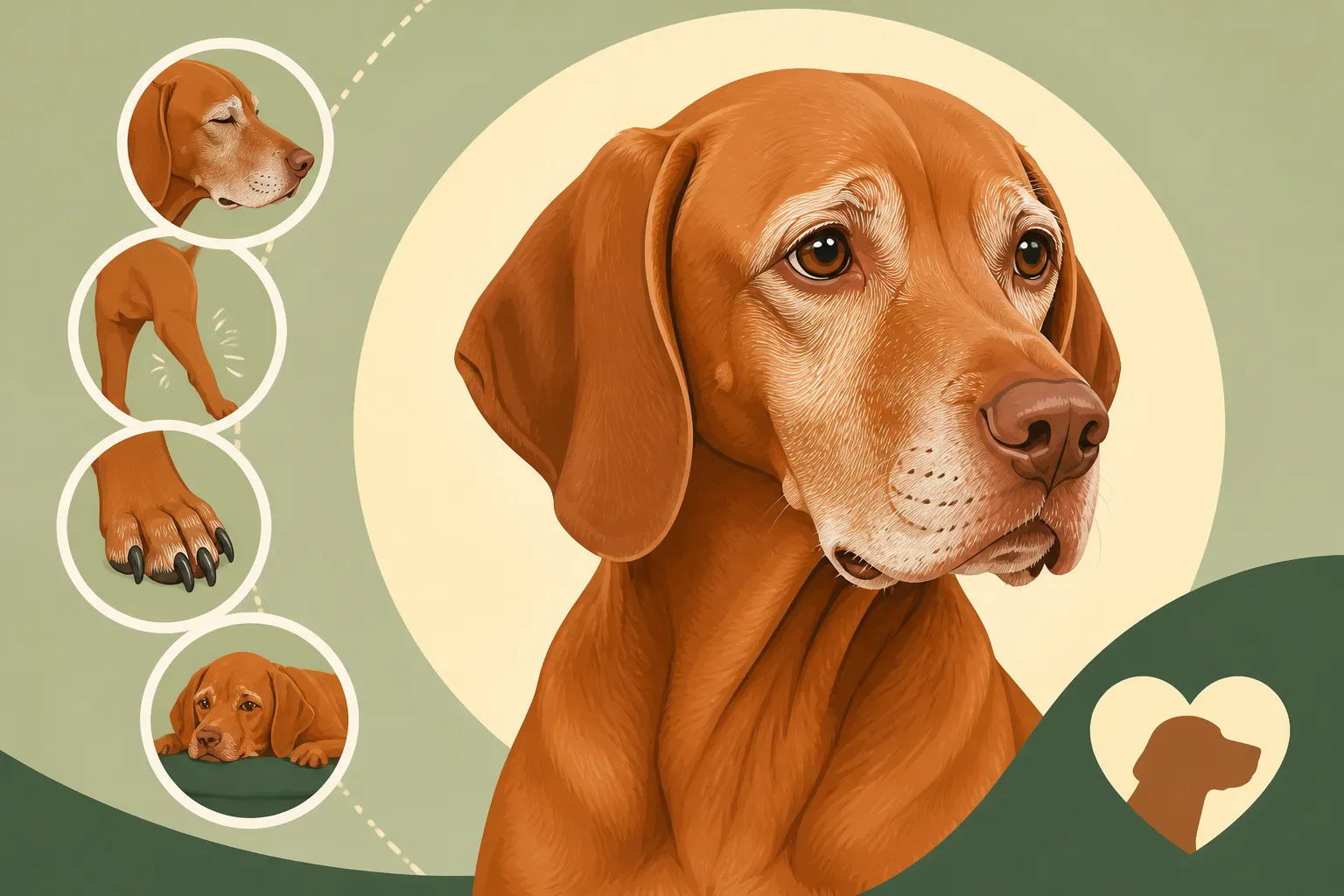
A Vizsla's beautiful golden-rust coat is one of its most defining features, but as they age, even this can show signs of time. You might notice a slight dulling of their once vibrant coat, or it might feel a little coarser to the touch. The most common and endearing sign is the appearance of silver hairs around their muzzle, eyes, and sometimes across their eyebrows. This "graying" can start surprisingly early for some, but it certainly deepens as they enter their true senior years.
Beyond the coat, their skin might become a bit less elastic, or you might start to notice more small lumps and bumps under their skin. While many are benign fatty tumors (lipomas), it's always wise to have any new growths checked by your vet, especially considering the breed's predisposition to certain conditions like Whether a Vizsla Gets Mast Cell Tumors.
Their senses, too, can undergo changes. Their hearing might not be quite as sharp – they might not respond to your call as quickly, or perhaps sleep through noises that would have once perked their ears. Vision can also decline, leading to them bumping into furniture in dim light or seeming startled if you approach from their blind spot. These sensory changes aren't always debilitating, but they do require you to be more mindful and adjust how you interact with them, ensuring their environment is safe and predictable. A good pet insurance plan, like one from Healthy Paws, can be incredibly helpful for covering the diagnostic costs associated with checking out these new lumps or sensory changes.
Weight Fluctuation and Muscle Loss
Vizslas are typically lean dogs, burning through calories with their high metabolism. However, as they age, their metabolism can slow down, and their activity levels naturally decrease. This combination can sometimes lead to unintended weight gain, even if their diet hasn't changed. Just like in humans, extra weight puts added strain on aging joints, exacerbating any mobility issues.
Conversely, some senior Vizslas might start to lose weight, particularly muscle mass, even if they are eating well. This muscle atrophy, especially over the hindquarters, is a common sign of aging and decreased activity. It can make them look bonier and less robust. Keeping an Old Vizsla's Muscle On becomes a significant concern. It's a delicate balance to strike – ensuring they get enough nutrition without overfeeding, and providing appropriate exercise to maintain muscle tone without overtaxing their joints. Your vet can help you determine the ideal weight and discuss dietary adjustments, such as specific senior dog formulas or supplements tailored to their needs.
Behavioral and Mental Transformations
While physical changes are often the most obvious indicators of aging, the subtle shifts in a Vizsla's behavior and mental faculties can be just as telling, and sometimes more challenging for owners to process. Our intelligent, sensitive Vizslas can sometimes surprise us with how their inner world changes with age.
Altered Energy Levels and Sleep Patterns
The Vizsla is famous for its "off switch" that rarely seems to engage, but with age, that switch starts to flicker more frequently. You’ll notice their once constant buzz of energy mellowing. They might still have bursts of excitement, especially when you grab the leash, but these are often shorter-lived. They might be content with shorter walks or fewer intense play sessions. Instead of constantly demanding attention, they might seek out a quiet corner for a snooze, or settle down beside you more readily than before.
Along with decreased activity during the day, their sleep patterns can also shift. Some older Vizslas might sleep more overall, taking longer naps throughout the day. Others might experience disrupted sleep at night, pacing or seeming restless, which can be frustrating for both them and you. It's important to rule out any discomfort or pain contributing to this restlessness, as well as considering cognitive decline, which can manifest as altered sleep-wake cycles. Creating a comfortable, warm sleeping spot is key for Caring for an Old Vizsla That Has Stopped Hunting.
Changes in Social Interaction and Affection
Vizslas are known for being incredibly affectionate and deeply bonded to their families, often to the point of being called "Velcro dogs." As they age, their social interactions can sometimes change. Some Vizslas might become even more clingy, seeking comfort and reassurance more frequently, perhaps a symptom of Whether an Old Vizsla Feels the Cold More or increased anxiety. They might become less tolerant of boisterous children or other pets, preferring peace and quiet. This isn't necessarily a sign of aggression, but rather a decreased patience threshold or heightened sensitivity to noise and commotion.
Conversely, some older Vizslas might become a little more withdrawn, perhaps less enthusiastic about greeting visitors or engaging in long play sessions. They might prefer to observe from a distance rather than being in the thick of things. It's crucial to respect these boundaries and provide them with a safe, calm space where they can retreat if they feel overwhelmed. Gentle affection is usually still appreciated, but they might no longer tolerate roughhousing.
Cognitive Decline and Confusion
One of the more heartbreaking aspects of aging in any dog, including Vizslas, can be the onset of cognitive dysfunction syndrome (CDS), sometimes referred to as "doggy dementia." This isn't just simple forgetfulness; it’s a decline in cognitive abilities that can significantly impact their daily life.
Signs of CDS can include disorientation – getting "stuck" in corners, staring blankly at walls, or appearing confused in familiar environments. They might forget routines they've known their whole lives, like where to go outside for potty breaks, or even forget people they know. Interactions can change, too; they might seem less responsive, or even anxious or irritable for no apparent reason. Altered sleep-wake cycles (being awake and restless at night, sleeping more during the day) are a classic symptom. They might also show a decrease in activity or an increase in anxiety. If you notice these patterns, it's vital to talk to your vet. There are now medications and dietary supplements that can help manage the symptoms of CDS and improve quality of life.
Health and Wellness Indicators
Beyond the outward signs of aging, there are internal health indicators that demand close attention as your Vizsla matures. Early detection of potential health issues is paramount for effective management and can significantly extend their comfortable years. Regular vet check-ups become even more critical during this stage of their life.
Appetite and Digestion Changes
A Vizsla's appetite, like their energy, often seems boundless. However, as they age, you might notice changes in their eating habits. Some older Vizslas might lose interest in food, eating less or being pickier than usual. This could be due to dental pain, a slowing metabolism, or an underlying illness. It’s important to investigate any persistent loss of appetite with your vet, as it can be a sign of many different health issues.
On the other hand, some Vizslas might develop a ravenous appetite without gaining weight, which could indicate conditions like diabetes or Cushing's disease, or simply a less efficient digestive system. You might also observe changes in their digestion, such as increased gas, softer stools, or more frequent bowel movements. Their once iron stomach might become more sensitive, requiring dietary adjustments to easily digestible foods. Feeding an Old Vizsla needs careful consideration to ensure they’re getting the right nutrients without upsetting their system. Monitoring these changes and adjusting their diet under veterinary guidance can make a significant difference.
Alterations in Elimination Habits
Potty training a Vizsla puppy is usually a quick process, but as they age, even the most meticulously house-trained Vizsla might start having accidents indoors. This can be one of the most frustrating signs for owners, who often feel a mix of annoyance and guilt. Accidents can stem from a variety of causes: reduced bladder control, increased frequency of urination due to kidney disease or diabetes, decreased mobility making it harder to get outside in time, or even cognitive dysfunction where they forget their training or where the door is.
Increased thirst and urination (polydipsia and polyuria) are red flags that warrant immediate veterinary attention, as they are common symptoms of kidney disease, diabetes, or other serious metabolic conditions. Similarly, straining to urinate or defecate, or changes in stool consistency, should not be ignored. Don't punish your senior Vizsla for accidents; instead, understand that it's likely a medical issue and seek veterinary advice. A flexible pet insurance plan like those offered by Healthy Paws can help cover the diagnostics for these changes, which can sometimes be extensive.
Common Senior Health Concerns
Unfortunately, aging brings an increased risk of several health conditions that Vizsla owners should be aware of. While we can hope for a healthy life, being prepared can ease the burden.
- Arthritis and Joint Pain: As mentioned, stiffness and reluctance to move are strong indicators of osteoarthritis. This is very common in active breeds like Vizslas, especially impacting hips and elbows. Treatments range from joint supplements and anti-inflammatory medications to physical therapy and weight management.
- Dental Disease: Older dogs are more prone to dental problems, including gum disease, tooth decay, and infections. Painful teeth can lead to reduced appetite and discomfort. Regular dental check-ups and cleanings are vital.
- Thyroid Dysfunction: Hypothyroidism, where the thyroid gland doesn't produce enough hormones, is not uncommon in Vizslas. Symptoms can include lethargy, weight gain, and changes in coat quality. Thyroid Failure and the Vizsla's Coat is a topic many Vizsla owners unfortunately become familiar with.
- Kidney Disease: The kidneys can become less efficient with age. Early signs include increased thirst and urination. Regular blood and urine tests can detect kidney issues early.
- Cancer: Vizslas, like many breeds, are susceptible to various cancers as they age. Lumps, unexplained weight loss, lethargy, or changes in appetite should always prompt a vet visit. Understanding The Cancers That Take a Vizsla Early is a somber but important part of responsible ownership.
- Heart Conditions: Heart murmurs or other cardiac issues can develop. Symptoms might include coughing, reduced stamina, or fainting spells.
Regular veterinary examinations, often twice a year for seniors, are essential for catching these conditions early when they are most treatable. Your vet can perform routine blood work, urinalysis, and physical exams to screen for these common senior ailments.
Embracing and Adapting to the Golden Years
Watching your once-unflappable Vizsla begin to show signs of age can be a difficult emotional journey. It's easy to fall into denial or to push them harder than they should go because you remember their younger days. However, the greatest gift you can give your aging companion is understanding, patience, and adapting their care to meet their evolving needs.
Regular Veterinary Care and Screenings
As your Vizsla enters its senior years, around age seven or eight for most, routine veterinary check-ups become even more critical. Many vets recommend twice-yearly visits for senior dogs, not just annually. These frequent visits allow your veterinarian to establish a baseline for your dog's health and catch any emerging issues early. This can include thorough physical examinations, blood work to check organ function (kidneys, liver, thyroid), urinalysis, and potentially blood pressure checks or X-rays to assess joint health.
Don't wait until something is obviously wrong. Vizslas are stoic and often brilliant at hiding pain or discomfort, which is why Whether a Vizsla Hides Its Pain is a vital topic for owners to understand. Proactive care can make a huge difference in managing chronic conditions and ensuring your Vizsla's comfort. Having a robust pet insurance policy, such as one from Healthy Paws, can be incredibly beneficial during this period, helping to ease the financial burden of increased diagnostics and treatments that often accompany old age.
Modifying Exercise and Environment
While an old Vizsla might not be able to keep up with their younger self, they still need exercise and mental stimulation. The key is modification and moderation. Instead of one long, intense run, consider several shorter, gentler walks throughout the day. Swimming can be an excellent low-impact exercise for aching joints. Continue with gentle play, scent games, or short training sessions to keep their minds sharp without overtaxing their bodies. The Old Vizsla That Still Wants to Hunt reminds us of their enduring spirit, but it's our job to ensure their activities are appropriate for their current physical state.
Their home environment also needs a careful look. Non-slip rugs on slick floors can help prevent falls. Ramps or pet stairs can aid them in getting onto furniture or into vehicles if jumping becomes difficult. Provide a warm, comfortable orthopedic bed to support their joints – after all, Why a Vizsla Needs Somewhere Warm to Sleep is even more true for seniors. If their vision or hearing is declining, keep furniture in consistent locations and use clear, gentle cues for communication.
Diet and Nutritional Adjustments
Proper nutrition plays a pivotal role in supporting your senior Vizsla's health. Many commercial dog food brands offer senior formulas specifically designed to meet the changing metabolic and nutritional needs of older dogs. These often contain fewer calories to prevent weight gain, higher quality protein to maintain muscle mass, and added joint-supporting supplements like glucosamine and chondroitin.
It's also worth discussing with your vet whether specific supplements, such as fish oil for joint health and coat quality, or antioxidants for cognitive support, would benefit your individual dog. For those with dental issues or a diminished appetite, wet food or adding water to kibble might make eating easier. Ensure fresh water is always available, especially if they have increased thirst. Regular weight checks are crucial to ensure they are maintaining a healthy body condition; remember, Whether a Lean Vizsla Lives Longer is often discussed, but being too lean or losing muscle unhealthily is not beneficial for seniors.
Table: Key Differences in a Young vs. Senior Vizsla
To help visualize these changes, here's a comparison of common traits you might observe in a youthful Vizsla versus one entering its golden years.
| Trait | Young Vizsla (1-6 years) | Senior Vizsla (7+ years) |
|---|---|---|
| Energy Level | Unending, requires 2+ hours vigorous exercise daily | Mellowed, shorter bursts, tires more easily, more naps |
| Mobility | Agile, jumps easily, runs at full speed, bounds up stairs | Stiffer, takes longer to rise, cautious on stairs, slower gait |
| Coat Appearance | Vibrant, sleek, golden-rust color, minimal gray | Slightly duller, often graying around muzzle/eyes, coarser feel |
| Appetite | Voracious, rarely turns down food | Can be pickier, might eat less, or have a consistently high thirst |
| Sleep Patterns | Deep sleep at night, occasional naps | More frequent naps, restless at night, disrupted sleep-wake cycles |
| Social Interaction | Constantly seeking attention, loves rough play | May prefer calm, less tolerant of commotion, can be more clingy or withdrawn |
| Cognitive Function | Sharp, learns quickly, remembers routines | Can show signs of confusion, disorientation, forgetfulness, anxiety |
| Health Check-ups | Annually, generally for vaccines & routine care | Bi-annually recommended, with extensive screenings for age-related conditions |
Disclaimer
This article is intended for informational purposes only and does not constitute professional veterinary advice. Always consult with a qualified veterinarian for any health concerns or before making any decisions about your Vizsla's care, diet, or treatment. Every dog is an individual, and aging processes can vary greatly.