Whether a Vizsla Eats Things in the Field
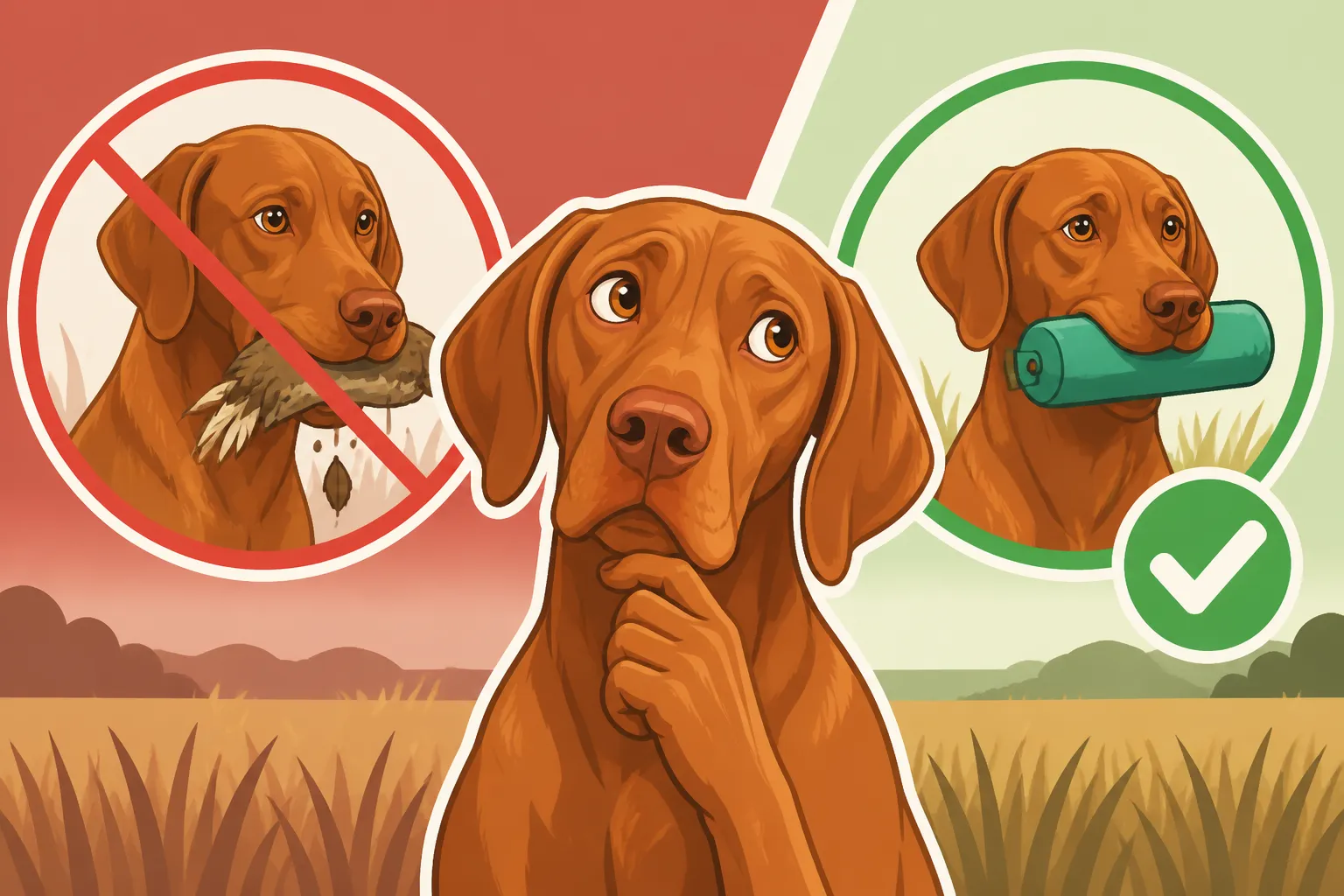
It's a familiar scenario for so many Vizsla owners: you're out in the field, enjoying the boundless energy and focused drive of your beloved dog, when suddenly, their head dips, their nose is glued to the ground, and before you can even utter "Leave It!", they've snatched up something unspeakable. Whether it's a long-forgotten piece of half-eaten sandwich, a mysterious pile of scat, or a rather unidentifiable organic lump, the dread that washes over you is very real. This guide is all about understanding why your Vizsla might be inclined to eat things in the field, the genuine risks involved, and most importantly, how to manage this challenging behavior to keep them safe and healthy.
The Allure of Field "Snacks" for a Vizsla
Vizslas are magnificent hunting dogs, bred for centuries to work closely with their human partners, using their incredible noses to locate game. But this very instinct, combined with their naturally curious and often "mouthy" nature, can lead them down a perilous path when unsupervised in the great outdoors. It's not just about being naughty; it's deeply ingrained in their breed.
Why Vizslas Are Prone to Ingesting Field Finds
Let's be honest, Vizslas are driven by their noses. Their sense of smell is truly phenomenal, allowing them to pick up on scents that are completely imperceptible to us. When they're out in the field, whether it's a vast open prairie, a dense patch of woods, or even a local park, their world is a vibrant tapestry of smells. Every whiff tells a story, and often, that story involves something potentially edible – or at least sniff-able and chew-able.
Their hunting heritage means they're programmed to explore, locate, and often retrieve. This translates into a strong desire to put things in their mouths, whether it's a downed bird or a curious piece of detritus. Puppies, in particular, explore the world primarily with their mouths, and while they usually grow out of the intense "everything goes in" phase, the instinct to investigate via taste can linger. Add to this the fact that many Vizslas are incredibly food-motivated, and anything remotely resembling a treat becomes a prime target. They learn quickly that tasty morsels can be found almost anywhere. This behavior isn't a defiance of your wishes; it's often an overpowering instinct.
Common and Concerning Field Discoveries
The list of things a Vizsla might ingest in the field is as varied as the landscapes they explore. Some are relatively harmless, others are mildly annoying, and many pose significant health risks.
On the less concerning end, they might pick up interesting sticks, leaves, or even small rocks – still not ideal, as these can cause dental damage or gastrointestinal upset. More frustrating for owners is the common habit of eating animal scat. Deer droppings, rabbit pellets, and even coyote or fox poop are often irresistible. While typically not immediately life-threatening, ingesting feces can transmit parasites like roundworms, hookworms, and whipworms, or bacterial infections such as Giardia and Salmonella. For more on how to manage your dog's skin and overall health, you might find information on Managing a Vizsla's Skin for Life helpful, as gut health can sometimes reflect in skin condition.
Then there are the truly alarming finds:
- Dead Animals: A dead bird, rabbit, or rodent can carry a host of bacteria, viruses, and parasites. Botulism, for instance, can be a risk from decaying carcasses.
- Wild Plants and Mushrooms: Many wild plants are toxic to dogs, ranging from mildly irritating to deadly. Common examples include wild mushrooms (some of which are highly poisonous), hemlock, foxglove, and even certain common garden plants that might have spread into wild areas. Identifying safe versus unsafe flora is a monumental task, making prevention key.
- Discarded Human Items: This is a huge category. Old food waste (chicken bones, corn cobs, spoiled meat), cigarette butts, plastic wrappers, aluminum foil, even discarded medication bottles or syringes can be found. These can cause choking, internal obstructions, lacerations, or severe poisoning.
- Pesticides and Rodenticides: In agricultural areas or even overgrown urban lots, your Vizsla might encounter poisoned bait intended for pests. These are often designed to be palatable and can be lethal if ingested.
- Antifreeze: Sweet-tasting and incredibly toxic, even a small lick of antifreeze from a leaky vehicle in a parking lot or rural track can cause acute kidney failure.
It's clear that while the field is a playground for a Vizsla, it's also a minefield of potential dangers.
Risks and Dangers of Field Foraging
When your Vizsla makes an unscheduled snack out of something found in the field, the consequences can range from a minor upset stomach to a life-threatening emergency. Understanding these risks helps underscore the importance of vigilant management and training.
Health Hazards from Ingested Items
The health hazards associated with field foraging are numerous and often severe.
- Parasites and Bacteria: As mentioned, eating feces or dead animals can introduce a range of internal parasites. These can lead to chronic diarrhea, weight loss, vomiting, and in severe cases, anemia or other systemic issues. Bacterial infections like Salmonella or E. coli can cause severe gastroenteritis. Leptospirosis, a serious bacterial disease, can be contracted from contaminated water or soil where wildlife has urinated.
- Toxins and Poisons: This is perhaps the most frightening category. Ingesting toxic plants, poisonous mushrooms, pesticides, or rodenticides can lead to rapid organ damage, neurological problems, or even death. Symptoms can vary wildly depending on the toxin but might include vomiting, diarrhea, lethargy, seizures, tremors, excessive drooling, or collapse. If you suspect your Vizsla has ingested a toxin, time is of the essence. Having a robust pet insurance plan like those offered by Healthy Paws can provide immense peace of mind, covering the potentially astronomical costs of emergency care and detoxification treatments. For information on specific health concerns, you might read about The Cancers That Take a Vizsla Early or Thyroid Failure in a Vizsla, as some symptoms can mimic other illnesses.
- Foreign Body Obstructions and Choking: Objects like bones (especially cooked ones that can splinter), corn cobs, plastic pieces, or even large clumps of hair or material can get lodged in the esophagus, stomach, or intestines. This can cause choking, internal blockages, or perforations, all of which require immediate veterinary intervention, often surgery. The thin skin a Vizsla has also means they are prone to external injuries, but internal foreign bodies are a different, often more dangerous, beast.
- Gastrointestinal Upset: Even non-toxic, non-obstructive items can simply upset a Vizsla's sensitive stomach. Vomiting, diarrhea, and abdominal pain are common reactions to eating unusual, spoiled, or indigestible items. While often resolves on its own, it's uncomfortable for your dog and can dehydrate them.
Behavioral and Training Implications
Beyond the immediate health risks, constant scavenging can wreak havoc on your training efforts and your relationship with your Vizsla.
- Undermining "Leave It" and Recall: If your Vizsla is constantly reinforced by finding "treasures" in the field, it makes it incredibly difficult to teach and maintain a reliable "Leave It" command. They learn that ignoring you can lead to a reward. Similarly, a strong scent can override even the best recall, as the allure of the unknown "snack" becomes more powerful than your voice. Building a reliable recall is essential for a breed like the Vizsla, which tends to range widely, as discussed in Building a Recall on a Vizsla That Ranges.
- Resource Guarding: If your Vizsla frequently finds and consumes high-value items, they might start to guard these items from you or other dogs. This can lead to aggression, making retrieving items from their mouth a dangerous endeavor.
- Increased Risk of Off-Leash Work: For many Vizsla owners, the dream is a dog that can run freely and safely off-leash. However, a dog that consistently scavenges makes this dream a dangerous reality. Every off-leash excursion becomes a game of Russian roulette, where a single wrong bite could lead to disaster. This can be especially frustrating when you're trying to give your highly energetic Vizsla the exercise they desperately need, as detailed in The Two Hours a Vizsla Needs Before It Will Settle.
- Stress for the Owner: Let's be honest, constantly worrying about what your dog is putting in their mouth takes a toll on you. It diminishes the enjoyment of walks and can make you hesitant to take your Vizsla to new and interesting places, limiting their mental and physical enrichment.
Strategies to Prevent Field Ingestion
Preventing your Vizsla from eating undesirable things in the field requires a multi-faceted approach involving consistent training, careful management, and a good dose of environmental awareness.
Proactive Training and Management
Training is your first line of defense, but it must be paired with smart management to set your Vizsla up for success.
- Mastering "Leave It" and "Drop It": These are non-negotiable commands for a field-loving Vizsla.
- "Leave It": Start practicing "Leave It" in low-distraction environments with low-value items, gradually increasing the difficulty. Use high-value rewards (like a piece of cooked chicken or cheese) when they successfully ignore the target item. Progress to practicing outdoors with increasingly tempting items (e.g., a dropped treat on the sidewalk, then a piece of kibble, then a discarded food item). The goal is for them to understand that ignoring the ground find leads to a better reward from you.
- "Drop It": This command is for when they already have something in their mouth. Teach it by trading an undesirable item for a very high-value treat. Repeat this many times so they learn that "Drop It" means something even better is coming. Never just snatch something out of their mouth without a trade, as this can lead to guarding.
- Rock-Solid Recall: A reliable recall allows you to call your Vizsla away from a potential snack before they even get to it. Practice recall frequently, in different environments, and always reward generously. Remember, a Vizsla's nose can be a powerful distraction, so your recall needs to be even more powerful. Consider the advice in Building a Recall on a Vizsla That Ranges for comprehensive tips.
- Muzzle Training: While often misunderstood, a well-fitted basket muzzle can be a life-saver for a persistent scavenger. It allows your Vizsla to pant, drink, and even take treats from your hand, but prevents them from picking up undesirable items off the ground. Muzzle training should be a positive experience, introducing the muzzle slowly with treats, so your dog associates it with good things. It's a management tool, not a punishment, and can allow your Vizsla to safely enjoy off-leash time in otherwise risky areas.
- Leash or Long Line Management: In areas where you know scavenging is a high risk, or when training is still underway, keep your Vizsla on a leash or a long line. A long line (15-30 feet) offers more freedom to roam and explore safely while still allowing you to intervene quickly.
Environmental Awareness and Risk Mitigation
Beyond training, being a proactive owner means being aware of your surroundings and taking steps to minimize risk.
- Scout Areas Beforehand: If possible, walk a new area yourself first to identify obvious hazards like broken glass, discarded food, or suspicious piles of debris. This is especially important for areas where you plan to allow your Vizsla off-leash.
- Avoid Known Hotspots: If a particular park path or wooded area consistently yields dangerous finds, simply avoid it or keep your Vizsla on a leash there. It’s better to choose a safer, less stimulating environment than constantly battling their instincts.
- Understand Seasonal Risks: Certain times of year present higher risks. Spring and fall are prime mushroom seasons, for example. After heavy rain, washed-up debris can be more prevalent. In agricultural areas, be mindful of when spraying or baiting might occur.
- Stay Vigilant: Even with the best training, the Vizsla's drive to hunt and explore means you can never fully let your guard down. Keep an eye on your dog, especially when their nose goes to the ground. Early intervention is key. If you are ever concerned about a field injury, it's good to know that services like Healthy Paws can help with the unexpected costs of stitches or wound care, as mentioned in What a Vizsla's Emergency Field Injury Costs.
What to Do If Your Vizsla Eats Something Undesirable
Despite your best efforts, there will inevitably be times when your Vizsla manages to ingest something they shouldn't. Knowing how to react quickly and appropriately can make a critical difference.
Immediate Actions and First Aid
The first few minutes after your Vizsla eats something questionable are crucial.
- Identify the Item: If you can, try to determine exactly what your Vizsla ate. This information is vital for your veterinarian. Take a photo if possible, or collect a sample if it's safe to do so. Was it a known toxic plant? A discarded bone? A suspicious mushroom?
- Stay Calm (As Much As Possible): Panicking will only stress your dog and make it harder for you to think clearly.
- Assess for Immediate Danger: Is your dog choking? If so, perform the Heimlich maneuver for dogs if you are trained to do so. Is the item sharp or corrosive?
- Call Your Veterinarian Immediately: This is the most important step. Don't wait for symptoms to appear, especially if you suspect a toxin. Have your vet's number, or the number for an emergency veterinary clinic, readily available in your phone. They can advise you on whether to induce vomiting, and if so, how to do it safely (e.g., with hydrogen peroxide, under their direct guidance). Never induce vomiting without explicit veterinary instruction, as some substances (like corrosives or sharp objects) can cause more damage coming back up.
- Observe for Symptoms: Even if your vet advises a "wait and see" approach for a mild ingestion, monitor your Vizsla closely for any changes in behavior or physical symptoms. Watch for vomiting, diarrhea, lethargy, loss of appetite, excessive drooling, tremors, seizures, or any signs of pain or discomfort.
When to Seek Veterinary Care
While every questionable ingestion warrants a call to your vet, certain situations demand immediate, in-person veterinary care.
- Known or Suspected Toxins: If you know or strongly suspect your Vizsla has ingested something highly toxic (e.g., rat poison, antifreeze, certain mushrooms, medications), head to the nearest emergency vet immediately. Do not wait for symptoms. Early intervention can be life-saving.
- Foreign Body Concerns: If you believe your Vizsla has eaten something that could cause an obstruction or internal damage (e.g., large bones, toys, plastics, fabric), a vet visit is essential for imaging (X-rays, ultrasound) to determine its location and whether it needs to be removed. Waiting can lead to severe complications.
- Severe or Worsening Symptoms: If your Vizsla is experiencing severe vomiting, persistent diarrhea, blood in their stool or vomit, extreme lethargy, collapse, seizures, or signs of intense pain, these are all red flags that require emergency veterinary attention.
- Any Concern That Doesn't Feel Right: You know your Vizsla best. If something feels off, and you're worried, it's always best to err on the side of caution and get them checked out. Veterinary insurance can be a huge relief in these unexpected situations. Providers like Healthy Paws offer coverage that can help manage the financial burden of emergency vet visits, diagnostics, and treatments, allowing you to focus on your dog's recovery without added stress.
Remember, prompt action and open communication with your veterinarian are your best tools in managing these scary situations. For advice on routine health checks, you may want to review Whether a Vizsla Needs a Yearly Blood Panel.
| Common Field Hazard | Potential Risks | Immediate Actions |
|---|---|---|
| Animal Scat (feces) | Parasites (worms, Giardia), bacteria | Call vet for advice on deworming/monitoring. |
| Wild Mushrooms | Extreme toxicity, organ failure, death | EMERGENCY VET IMMEDATELY. Collect sample if safe. |
| Dead Animals/Carcasses | Bacteria (Salmonella, Botulism), parasites | Call vet for advice. Monitor for symptoms. |
| Discarded Food (bones) | Choking, internal obstruction, splintering | Call vet. Do NOT induce vomiting if sharp. |
| Toxic Plants | Organ damage, vomiting, neurological issues | EMERGENCY VET IMMEDIATELY. Identify plant if possible. |
| Litter (plastic, foil) | Choking, obstruction, cuts, poisoning | Call vet. Monitor for symptoms. |
| Pesticides/Rodenticides | Severe poisoning, internal bleeding, neurological | EMERGENCY VET IMMEDIATELY. Identify product if possible. |
| Antifreeze | Acute kidney failure, death | EMERGENCY VET IMMEDIATELY. Time is critical. |
Disclaimer
The information provided in this article is for educational and informational purposes only and does not constitute veterinary advice. Always consult with a qualified veterinarian for any health concerns or before making any decisions about your Vizsla's health or treatment.