Lumps Worth Checking on a Vizsla
Finding a new lump or bump on your beloved Vizsla can send a shiver of dread down any owner's spine. These energetic, sensitive dogs are like family, and any change to their sleek, golden-rust coat immediately makes us worry about their health and future. This guide is here to walk you through the various types of lumps you might encounter on your Vizsla, helping you understand which ones are usually harmless and which ones definitely warrant an urgent vet visit, and what steps to take when you discover something new.
Understanding Common Vizsla Lumps and Bumps
It's a fact of life that as dogs age, and sometimes even when they're quite young, they can develop all sorts of skin growths. With their fine, short coats and lean build, Vizslas often make these lumps and bumps quite noticeable. While it's always best to have any new growth checked by a vet, knowing about the most common types can help you approach the situation with a little less panic.
Fatty Lumps (Lipomas)
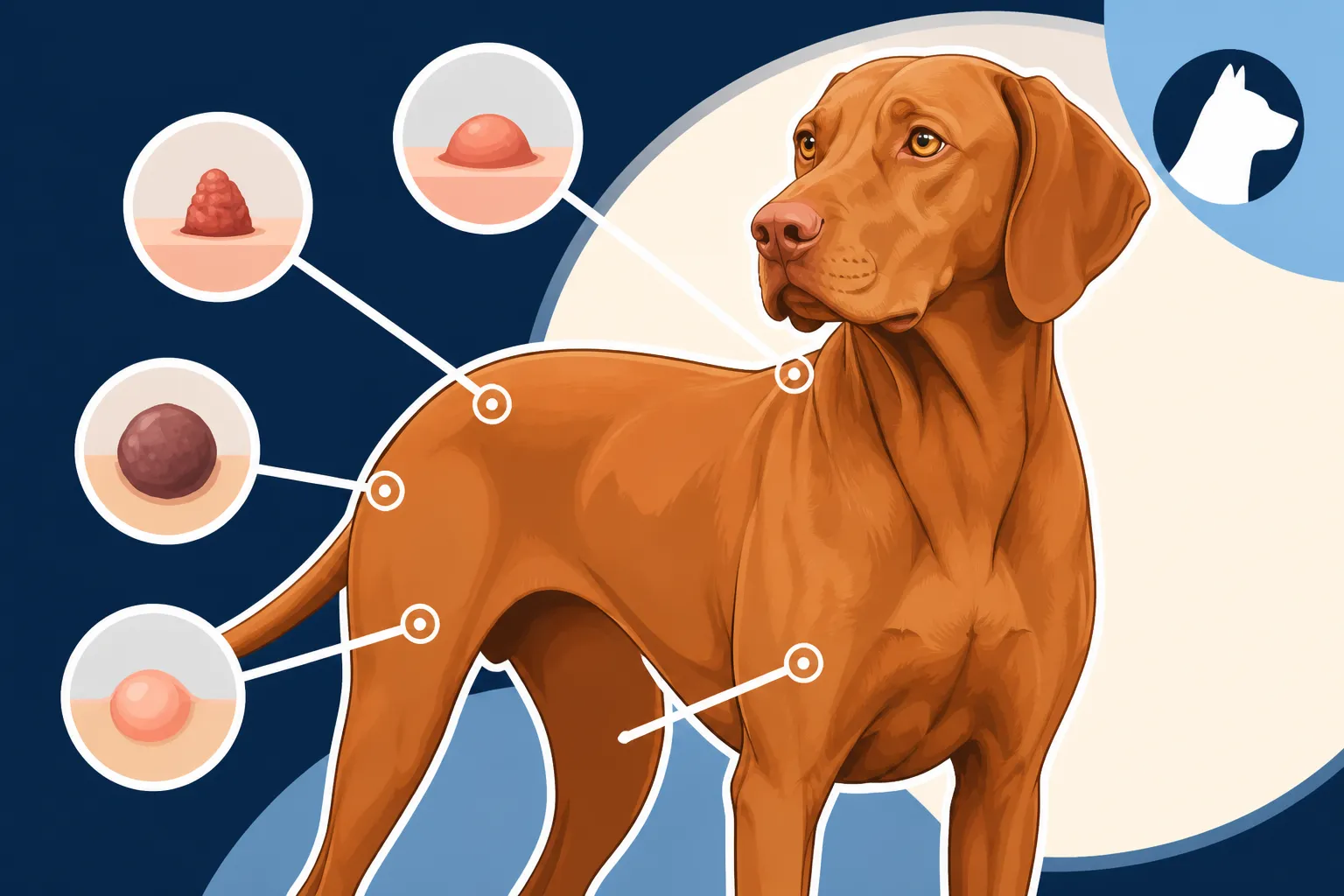
Lipomas are probably one of the most frequently diagnosed types of lumps in older dogs, and Vizslas are no exception. These are benign (non-cancerous) collections of fat cells that accumulate under the skin. They usually feel soft or slightly rubbery to the touch and are often freely movable. You might find them almost anywhere on the body, but they're particularly common on the chest, abdomen, and flanks.
The key characteristics of a lipoma are its soft, somewhat squishy texture, much like a small, soft rubber ball or a piece of soft clay under the skin. They can vary greatly in size, from a tiny pea to something as large as a grapefruit in some cases. While generally harmless, they can sometimes grow to a size that interferes with movement or comfort, especially if they develop in an armpit or groin area. In such situations, surgical removal might be considered, not because they are cancerous, but for the dog's quality of life. Regular monitoring of their size and consistency is a good idea. Sometimes, a vet might perform a fine needle aspirate (FNA) to confirm it's a lipoma, just to be absolutely sure.
Cysts and Abscesses
Another common category of skin anomalies involves cysts and abscesses. These are very different from fatty lumps, but can sometimes be mistaken for them.
Sebaceous cysts are essentially blocked oil glands in the skin. They look like a small, firm, round bump, often right under the skin, and sometimes you can even see a tiny pore or blackhead-like opening on top. They typically feel firm but can rupture, releasing a thick, cheesy, often foul-smsmelling substance. While not usually painful unless infected, they can become irritated or infected if your Vizsla scratches or licks at them. These are especially common in breeds with fine coats where skin issues can be more visible.
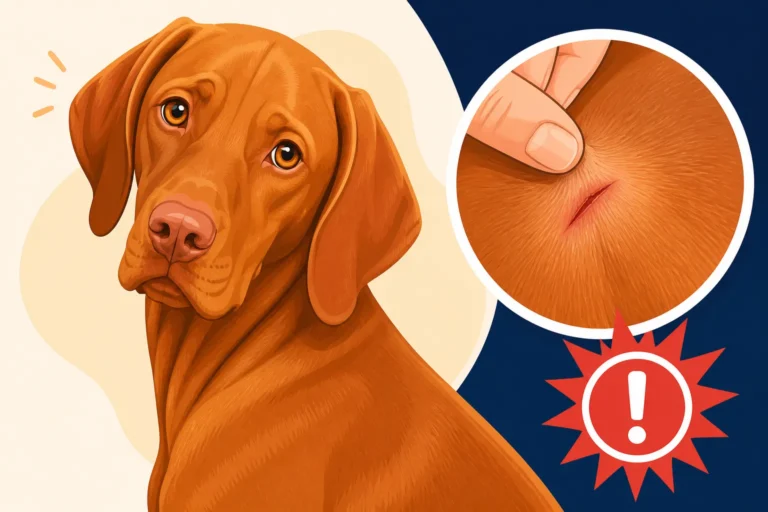
Abscesses, on the other hand, are collections of pus, usually due to a bacterial infection. They tend to come on quickly, feel warm and painful to the touch, and can make your Vizsla feel generally unwell. Abscesses often result from a bite wound, a puncture, or even a foreign body like a grass awn that has become embedded under the skin. They grow rapidly and often rupture, draining pus. If you find a warm, painful, rapidly growing lump, especially after your Vizsla has been playing rough with another dog or exploring dense brush, an abscess should be high on your list of concerns. These always require veterinary attention, often involving antibiotics and sometimes drainage.
Benign Skin Growths (Warts, Histiocytomas)
Not all growths are deep under the skin; some are right on the surface. These are generally less alarming, though still worth noting.
Viral warts, or papillomas, are caused by a virus and are more common in younger dogs or those with compromised immune systems. They often look like small, cauliflower-like growths, typically appearing around the mouth, eyelids, or paws. In most cases, they resolve on their own as the dog's immune system matures and fights off the virus. However, if they are numerous, bleeding, or interfering with eating or vision, removal may be necessary.
Histiocytomas are another common benign skin tumor, particularly in young dogs (under two years old), and they often appear on the head, ears, or limbs. They are typically rapidly growing, dome-shaped, hairless, and sometimes ulcerated bumps that can look quite angry and red. Despite their alarming appearance and rapid growth, they are almost always benign and usually regress and disappear on their own within a few weeks to a few months. Vets often adopt a "watch and wait" approach, but it's crucial to get a definitive diagnosis to rule out anything more sinister.
Identifying Potentially Concerning Lumps
While many lumps are benign, it's vital to recognize that some can be serious. Vizslas, unfortunately, are not immune to cancers, and certain types of lumps demand immediate veterinary attention. This is where your vigilance as an owner becomes absolutely critical.
Mast Cell Tumors
This is perhaps one of the most significant concerns when a lump appears on a Vizsla. Mast cell tumors (MCTs) are a type of cancer that can range from relatively benign to highly aggressive. They are sometimes called "the great imitators" because they can look and feel like almost anything – a wart, an insect bite, a fatty lump, or even a simple skin tag. This variability is why any new lump, regardless of how innocent it appears, should be checked.
MCTs can appear anywhere on the body, on or under the skin, and sometimes even internally. Whether a Vizsla's Skin Lump Is a Mast Cell Tumor is a question that requires a vet's expertise to answer. They can be soft, firm, movable, or fixed. What makes them particularly tricky is that they can change in size, sometimes swelling and becoming red or itchy, and then shrinking again due to the release of histamine (a chemical stored in mast cells). This fluctuating nature can fool owners into thinking it's just an allergic reaction or a minor irritation. For Vizslas, early detection and treatment of MCTs are incredibly important for the best prognosis. If left unchecked, these tumors can spread aggressively. Whether a Vizsla Gets Mast Cell Tumors is a sad reality for many owners, making proactive monitoring crucial.
Lymphoma and Other Malignancies
Beyond mast cell tumors, other forms of cancer can manifest as lumps. Lymphoma is a cancer of the lymphatic system, and while it most commonly affects lymph nodes (which are typically located in the neck, armpits, groin, and behind the knees), it can occasionally appear as a skin lesion or mass. If you feel firm, enlarged, non-painful lumps in these areas, it's a serious red flag. Whether a Vizsla Gets Lymphoma is a question with a unfortunately positive answer for many Vizsla families, highlighting the importance of regular physical exams by both you and your veterinarian.
Other aggressive cancers like hemangiosarcoma can also present as masses, though these are more often internal (e.g., on the spleen or heart) and only become palpable if they grow very large or if they develop on the skin. Whether a Vizsla Gets Hemangiosarcoma is another concern for the breed, although skin manifestations are less common than internal ones. These are incredibly serious and often have a poor prognosis due to their aggressive nature and tendency to spread rapidly.
It's a heavy topic, but understanding The Cancers That Take a Vizsla Early is part of being a responsible Vizsla owner. Early intervention truly makes a difference in treatment outcomes and quality of life.
Bone Cancers (Osteosarcoma)
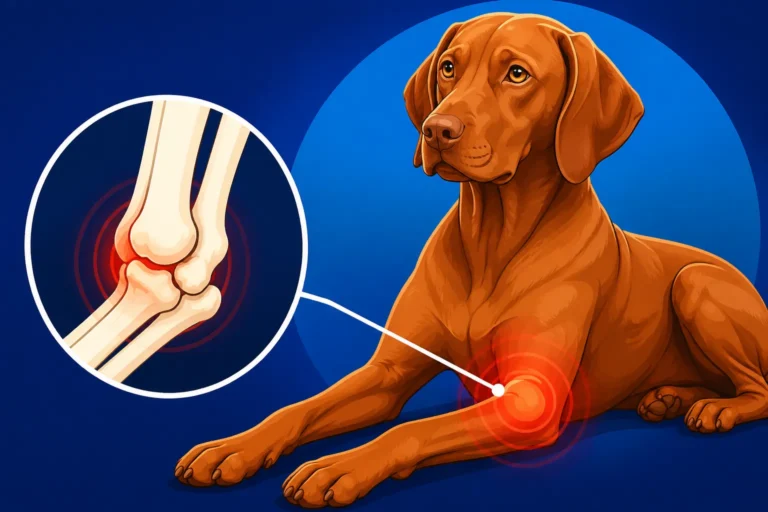
While less likely to be a "lump" on the skin in the traditional sense, bone cancer, specifically osteosarcoma, can sometimes present as a firm, painful swelling, often near a joint or on a limb bone. This is a very aggressive cancer that typically affects larger breeds, and while Vizslas are medium-sized, they are not entirely immune. Whether a Vizsla Gets Bone Cancer is a valid question, and while less common than some other cancers, it's a devastating diagnosis when it occurs. If you notice a persistent lameness accompanied by a hard, fixed swelling on a limb, particularly on the wrist, shoulder, or knee area, it needs immediate veterinary investigation. This kind of swelling will be very different from a soft, movable skin lump.
What to Do When You Find a Lump on Your Vizsla
Finding a new lump can be alarming, but remaining calm and systematic in your approach is key. Don't panic, but don't delay either. Your prompt action can make a world of difference.
Initial Assessment at Home
When you first discover a lump, take a moment to observe it carefully. Jot down some notes or even take a picture, as this can be helpful for your vet and for tracking any changes.
Here’s what to pay attention to:
- Size: How big is it? (e.g., pea-sized, marble-sized, golf ball-sized)
- Location: Where exactly is it? On the back, leg, chest, near a joint?
- Texture: Is it soft and squishy, firm and rubbery, or hard and bony?
- Mobility: Can you move it freely under the skin, or is it fixed to underlying tissue?
- Temperature: Does it feel warm to the touch compared to the surrounding skin?
- Pain: Does your Vizsla react (whimper, pull away) when you touch it?
- Appearance of the skin over the lump: Is the skin red, inflamed, ulcerated, or normal?
- Changes over time: Has it grown quickly or stayed the same size? Has its appearance changed?
A small, soft, movable, non-painful lump that has been there for ages might be less urgent than a rapidly growing, painful, warm lump. However, remember the "great imitator" nature of mast cell tumors – sometimes even seemingly benign lumps can be serious.
The Importance of Veterinary Examination
After your initial home assessment, the next and most critical step is to schedule an appointment with your veterinarian. Please, don't try to self-diagnose based on internet research alone. Your vet has the tools and expertise to properly evaluate the lump.
During the visit, your vet will perform a thorough physical examination, including palpating the lump and assessing its characteristics. They will likely recommend diagnostic tests. The most common first step is a Fine Needle Aspirate (FNA). This involves using a small needle to collect cells from the lump, which are then examined under a microscope. An FNA is minimally invasive and can often provide an immediate preliminary diagnosis or guide further testing.
If the FNA is inconclusive or suggests something concerning (like a mast cell tumor or other malignancy), your vet might recommend a biopsy. A biopsy involves surgically removing a small piece of the lump (or the entire lump, if it's small enough) for histopathological examination by a veterinary pathologist. This is the gold standard for definitively diagnosing cancer and determining its type and grade.
Yes, veterinary care for diagnostics and potential treatment can be a concern. What Cancer Treatment Costs a Vizsla Owner can be significant, which is why many owners consider pet insurance.
Monitoring and Management
Once a lump has been diagnosed, the management approach will depend entirely on its nature.
For benign lumps like lipomas or harmless cysts, the vet might recommend a "watch and wait" approach, especially if they are small and not bothering your Vizsla. This means you'll need to monitor the lump regularly for any changes in size, shape, or texture. Keeping a journal or taking monthly photos can be incredibly helpful for tracking.
If the lump is cancerous, or if a benign lump is causing discomfort or has the potential to become problematic, surgical removal is often recommended. Depending on the type of cancer, further treatments like chemotherapy or radiation might be necessary.
It's also worth thinking about how you protect yourself financially from unexpected veterinary bills. Pet insurance can be a real lifesaver when dealing with something like a cancer diagnosis. Providers like Healthy Paws offer coverage that can help offset the costs of diagnostics, surgeries, and treatments, allowing you to focus on your Vizsla's health rather than the financial strain. Many owners find that investing in a good pet insurance policy, like those offered by Healthy Paws, gives them peace of mind, knowing they can afford the best care for their beloved companion without hesitation. This can significantly reduce the burden of What a Vizsla Costs a Year to Keep when major medical issues arise.
| Lump Type | Common Characteristics | Typical Feel | Urgency for Vet Visit |
|---|---|---|---|
| Lipoma (Fatty Lump) | Soft, movable, non-painful, under the skin | Soft, squishy, rubbery | Low (Monitor changes) |
| Sebaceous Cyst | Small, firm, round, sometimes has a pore, can rupture | Firm, often smooth | Medium (If inflamed/infected) |
| Abscess | Rapidly growing, warm, painful, often from injury | Soft (pus-filled) to firm | High (Urgent) |
| Histiocytoma | Rapidly growing, dome-shaped, hairless, often red | Firm | Medium (Often regresses, but needs diagnosis) |
| Mast Cell Tumor | Highly variable, can swell/shrink, can be itchy/red | Soft, firm, or rubbery; variable | High (Urgent for diagnosis) |
| Enlarged Lymph Node | Firm, non-painful, in specific gland locations | Firm | High (Urgent for diagnosis) |
| Osteosarcoma | Hard, fixed swelling on bone, often painful/lameness | Hard, bony | High (Urgent) |
Proactive Health and Prevention
While you can't prevent every lump and bump, there are certainly steps you can take to be proactive in your Vizsla's health, making early detection much more likely.
Regular At-Home Checks
This is perhaps the simplest, yet most effective, form of prevention. Make it a routine to give your Vizsla a thorough "once-over" at least once a week, if not more often. This isn't just about looking for lumps; it's a fantastic bonding experience for both of you.
Run your hands over every part of their body: head, ears, neck, chest, belly, legs, paws (don't forget between the toes!), and tail. Pay close attention to areas where skin folds occur or where skin is thinner, like the armpits and groin. Vizslas have The Single Coat a Vizsla Has and Why It Changes Everything, meaning any changes are often more easily spotted beneath their short, fine hair. Learn what your dog's normal body feels like so you can quickly identify anything new or out of place. This habit will not only help you catch potential issues early but also strengthens your connection with your dog, making them more comfortable with handling for vet visits.
Diet and Lifestyle Considerations
A healthy diet and an active lifestyle are fundamental to your Vizsla's overall well-being, which in turn supports a strong immune system and can potentially help reduce the risk of certain health issues. While diet alone can't prevent cancer, providing a high-quality, balanced diet rich in antioxidants and essential nutrients can contribute to cellular health.
Ensure your Vizsla gets plenty of appropriate exercise – something these dogs rarely lack! A fit, lean Vizsla is generally healthier. Regular activity helps maintain a healthy weight, which is important as obesity can exacerbate some health problems. Also, consider the environment where your Vizsla spends time. Given Whether a Vizsla's Thin Skin Tears Easily, minimizing exposure to sharp objects or rough terrain can help prevent punctures and subsequent abscesses.
Understanding Breed-Specific Risks
Vizslas are a wonderful breed, but like all breeds, they come with certain predispositions to specific health concerns. Knowing about these can help you be more vigilant. For instance, Vizslas are known to be prone to certain cancers and immune-mediated diseases. Why a Vizsla's Immune System Is the Breed's Weak Point is a topic that many Vizsla owners unfortunately become all too familiar with. This heightened awareness means that when you find a lump, your veterinary team might approach diagnostics with a slightly different set of considerations, knowing the breed's genetic tendencies.
Discussing health history with your breeder and being aware of any common issues in your dog's specific bloodline can also be very helpful. Regular check-ups with your vet, including Whether a Vizsla Needs a Yearly Blood Panel, can also help monitor overall health and catch systemic issues early. When looking for a puppy, always inquire about The Health Tests Both Vizsla Parents Should Have to ensure you're starting with the best possible genetic foundation.
Ultimately, being a Vizsla owner means being incredibly attentive to their health, and that includes being diligent about checking for and addressing any new lumps or bumps. Don't hesitate to consult your veterinarian for any new concern, no matter how small it seems. They are your best resource for keeping your beloved Vizsla healthy and happy for as long as possible. Many Vizsla owners also choose to invest in comprehensive pet insurance from providers like Healthy Paws to ensure that cost never stands in the way of necessary diagnostics or treatments for their furry family members.
Disclaimer
Please remember that this article is intended for informational purposes only and should not be used as a substitute for professional veterinary advice. Always consult with a qualified veterinarian for any health concerns or before making any decisions about your pet's health or treatment.