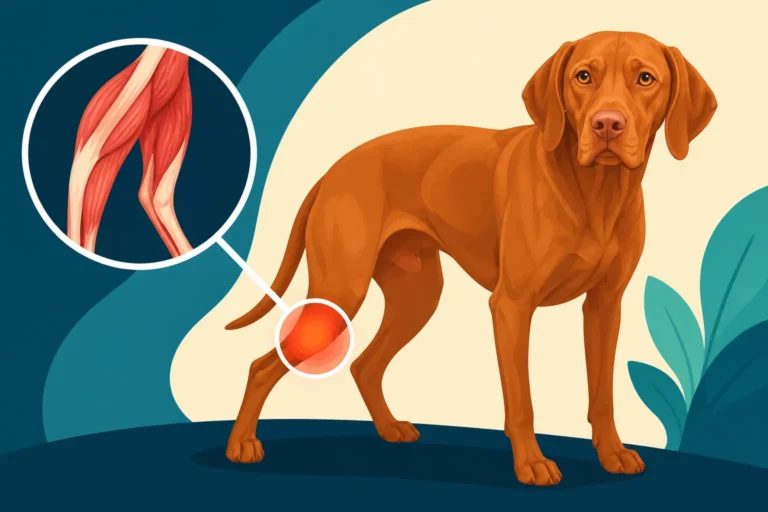
Whether a Vizsla Survives Chemotherapy
Receiving a cancer diagnosis for your beloved Vizsla can feel like a punch to the gut, leaving you overwhelmed with fear and uncertainty about their future. It's a natural reaction to wonder, "Can my Vizsla truly survive chemotherapy?" This guide aims to shed light on the realities of chemotherapy for Vizslas, exploring success rates, potential side effects, and how you can support your loyal companion through such a challenging time.
Understanding Cancer in Vizslas
Vizslas, like many purebred dogs, have certain predispositions, and sadly, cancer is one of the more common and heartbreaking health challenges they can face. When you hear the word "cancer," it’s often associated with a grim outlook, but advances in veterinary medicine, including chemotherapy, have opened doors to extending and improving the quality of life for many dogs.
Common Cancer Types in the Breed
Vizslas are known to be susceptible to certain types of cancer, often at a younger age than some other breeds, which is a particularly cruel twist for these energetic dogs. One of the most frequently diagnosed is lymphoma, a cancer of the lymphatic system. It can manifest in various ways, from swollen lymph nodes to affecting internal organs, and sadly, it's one of the cancers that take a Vizsla early. You might also encounter mast cell tumors, which are skin tumors that can range from benign to highly aggressive. Another serious concern is hemangiosarcoma, an aggressive cancer of the blood vessel lining, often affecting the spleen, liver, or heart, which can be particularly insidious because it often shows no signs until it's advanced or causes sudden collapse. Knowing that a Vizsla gets lymphoma, hemangiosarcoma, or mast cell tumors can help owners and vets be vigilant. Early detection, while not always possible, certainly improves the chances of successful management.
The Emotional Toll of a Cancer Diagnosis
When your vet delivers the news, it’s not just a medical diagnosis; it's an emotional earthquake. Your Vizsla is a cherished member of your family, your shadow, your running partner, and the thought of them being unwell, let alone facing chemotherapy, is terrifying. You might feel a whirlwind of emotions: sadness, anger, confusion, and guilt. It's perfectly normal to second-guess every decision, wonder if you missed any signs, or feel overwhelmed by the financial implications. The bond with a Vizsla is incredibly deep, often described as a "Velcro Vizsla" for their constant companionship, and the idea of them suffering is almost unbearable. Many owners grapple with the weight of wanting to do everything possible for their dog while also fearing potential side effects and whether the treatment will genuinely improve their Vizsla's life. This emotional journey is a significant part of the cancer fight for both you and your dog.
The Role of Chemotherapy in Vizsla Cancer Treatment
Chemotherapy, often simply called "chemo," is a medical treatment that uses powerful chemicals to kill fast-growing cells in the body. While it's most often associated with human cancer treatment, veterinary oncology has made tremendous strides, adapting these therapies for our canine companions. It's not a one-size-fits-all solution, and the specific protocol will depend heavily on the type of cancer, its stage, and your Vizsla's overall health.
What Chemotherapy Entails for Your Dog
Unlike human chemotherapy, which is often designed to achieve a complete cure, the primary goals of chemotherapy for dogs are typically different. For many canine cancers, especially those in Vizslas, the aim is to achieve remission, extend life, and significantly improve or maintain a good quality of life. This means making your dog feel well, happy, and able to enjoy their daily activities for as long as possible, rather than undergoing aggressive treatments that might leave them feeling miserable.
Chemotherapy for Vizslas can involve various methods, including oral medications given at home, or intravenous (IV) injections administered at a veterinary oncology clinic. The schedule can vary greatly, from weekly sessions to bi-weekly or even monthly treatments. For instance, a common protocol for lymphoma might involve a multi-drug regimen given over several months. Your Vizsla will typically visit the vet for these treatments, which usually take less than an hour, sometimes followed by a few hours of observation. Vets will closely monitor their bloodwork before each treatment to ensure their body can handle the medication and that their immune system isn't too suppressed. This is crucial because a Vizsla's immune system is the breed's weak point, and careful monitoring is key to preventing complications.
Goals and Expectations of Treatment
It’s vital to have an open and honest conversation with your veterinary oncologist about the specific goals of chemotherapy for your Vizsla. Are you aiming for a complete cure, which is rare for many canine cancers but possible for some? More often, the goal is remission—a period where the cancer is undetectable or significantly reduced—or simply palliative care to alleviate symptoms and improve comfort.
For a Vizsla diagnosed with lymphoma, for example, a successful chemotherapy protocol might lead to a remission period of several months to a year or more, significantly extending their life with good quality. For other cancers, it might be about shrinking a tumor to improve comfort or reduce pain. The oncologist will discuss expected outcomes, potential timelines, and the likelihood of side effects. It’s also important to understand that every dog responds differently. Some Vizslas tolerate chemotherapy remarkably well, with minimal side effects, while others may experience more pronounced reactions. Setting realistic expectations from the outset can help you navigate the treatment journey with a clearer perspective and less emotional turmoil. Remember, the journey is not just about extending days, but about making those days as good as they can be.
Survival Rates and Quality of Life During Chemo
The question "Whether a Vizsla survives chemotherapy" is complex, as survival isn't just about being alive; it's about the quality of that life during and after treatment. While statistics can offer a general idea, your individual Vizsla's prognosis depends on a multitude of factors.
Factors Influencing Outcomes
Several critical factors play a role in how well a Vizsla responds to chemotherapy and their overall survival.
- Type and Stage of Cancer: As mentioned, lymphoma, hemangiosarcoma, and mast cell tumors are common in Vizslas. Each has a different typical response rate to chemotherapy. For instance, some types of lymphoma respond very well to standard protocols, leading to good remission rates, while high-grade lymphomas can be more challenging. The stage of the cancer (how far it has spread) at diagnosis is also hugely important. Early detection often leads to better outcomes.
- Overall Health of Your Vizsla: A younger, otherwise healthy Vizsla with a robust immune system typically handles chemotherapy better than an older dog with pre-existing conditions. Your vet will conduct a thorough physical exam and bloodwork, including a yearly blood panel, to assess kidney and liver function before starting treatment. These organs process the chemotherapy drugs, so their health is paramount.
- Treatment Protocol: The specific drugs used, their dosage, and the schedule are tailored to the cancer type and the individual dog. Some protocols are more aggressive, while others are designed for minimal side effects.
- Individual Response: Dogs, like humans, are individuals. One Vizsla might sail through treatment with barely a sniffle, while another might experience more significant side effects. Genetics and even temperament can play a role in their tolerance. This variability makes it hard to give a definitive "yes" or "no" to survival. It's more about probabilities and individual resilience.
Managing Side Effects and Supporting Your Vizsla
The good news is that veterinary chemotherapy is generally much better tolerated by dogs than human chemotherapy. The doses are often lower, aiming for quality of life, which means side effects are typically milder and less frequent. However, they can still occur.
Common side effects include:
- Gastrointestinal upset: Nausea, vomiting, diarrhea, or decreased appetite. Your vet can prescribe anti-nausea medications or recommend dietary changes to help.
- Bone marrow suppression: This can lead to a drop in white blood cells (increasing infection risk), red blood cells (anemia), or platelets (bleeding risk). Regular blood tests are crucial to monitor this.
- Hair loss: While not as dramatic as in humans, some Vizslas might experience thinning of their fine coat or loss of whiskers.
- Lethargy: Your Vizsla might be more tired than usual on treatment days or for a day or two afterward.
To support your Vizsla through chemo:
- Follow vet instructions diligently: Give all prescribed medications, especially anti-nausea drugs, exactly as directed.
- Maintain hydration and nutrition: Offer palatable foods and ensure constant access to fresh water. If appetite is poor, discuss options like prescription diets or appetite stimulants with your vet. Keeping weight on a Vizsla that burns everything is already a challenge, and chemo can exacerbate it.
- Observe closely: Be vigilant for any changes in your Vizsla's behavior, appetite, energy levels, or stool. Report anything concerning to your vet immediately.
- Provide comfort: Create a warm, quiet, comfortable space for them to rest. Your Vizsla needs somewhere warm to sleep, especially when their immune system might be compromised.
- Limit exposure to illness: Avoid dog parks or areas with many other dogs, especially when their immune system is suppressed, to reduce the risk of infection.
- Consider pet insurance: The costs associated with cancer treatment, including chemotherapy, can be substantial. Understanding what a Vizsla's emergency field injury costs is one thing, but knowing what cancer treatment costs a Vizsla owner can be eye-opening. Comprehensive pet insurance plans, such as those offered by Healthy Paws, can help alleviate the financial burden. Many policies specifically address whether cancer is covered on a Vizsla policy, so it's worth investigating.
Making the Difficult Decision
Sometimes, despite your best efforts, chemotherapy may not be the right path for your Vizsla. This is an incredibly difficult decision, often weighing the potential for extended life against the impact on their current quality of life. If your Vizsla is experiencing severe, unmanageable side effects, or if the cancer is not responding to treatment, you might have to consider stopping chemotherapy.
The most important thing is to prioritize your Vizsla's well-being. Have ongoing, candid discussions with your vet about their quality of life. They can help you assess their comfort, appetite, energy, and overall happiness. There is no shame in choosing palliative care or making the compassionate decision to say goodbye when their suffering outweighs any potential benefits of further treatment. Knowing when an old Vizsla has had enough applies to any Vizsla facing terminal illness, regardless of age.
| Cancer Type | Common Vizsla Response to Chemo | Typical Remission/Survival Time (with treatment) | Key Considerations |
|---|---|---|---|
| Lymphoma | Generally good response | 6-12+ months (remission) | Multi-drug protocols, regular monitoring |
| Hemangiosarcoma | Variable, often limited | 2-6 months (median) | Highly aggressive, early detection critical |
| Mast Cell Tumors | Good for certain grades/stages | Varies widely (months to years) | Surgical removal often primary, chemo for high-grade/metastasis |
| Osteosarcoma (Bone) | Primarily pain management | 6-12 months (with amputation + chemo) | Amputation often necessary, chemo for metastasis |
Note: These are general figures and individual results will vary widely.
Life After Chemotherapy for Your Vizsla
The end of a chemotherapy protocol is a significant milestone, a moment of hopeful relief, but it’s rarely the absolute end of the journey. Life after chemo often shifts into a new phase focused on monitoring, supportive care, and cherishing every moment with your resilient Vizsla.
Monitoring and Long-term Care
Even after your Vizsla completes a chemotherapy regimen, ongoing vigilance is essential. The cancer might be in remission, but there's often a risk of recurrence. Your veterinary oncologist will recommend a follow-up schedule, which might include regular physical exams, blood tests (to check for overall health and potential recurrence), and sometimes imaging like X-rays or ultrasounds. These appointments are crucial for catching any signs of the cancer returning as early as possible. If your Vizsla tolerates anesthesia well, further diagnostic tests are easier.
Long-term care also involves focusing on their general health. A high-quality diet, appropriate exercise tailored to their energy levels, and managing any other age-related conditions become even more important. Some Vizslas might need continued supportive medications for issues like sensitive stomachs, or supplements to bolster their immune system. Regular discussions with your primary veterinarian and oncologist will help tailor this long-term plan to keep your Vizsla feeling their best. Remember, the goal is to maximize their quality of life for the duration of The Twelve to Fourteen Years a Vizsla Lives, or however long they have left.
Celebrating Every Moment
Living with a Vizsla who has battled cancer truly teaches you to appreciate the present. Every wag of their tail, every excited greeting, every cuddle on the couch becomes a little more precious. While the statistics and medical discussions are necessary, it’s the everyday joy that matters most.
Encourage your Vizsla to engage in activities they love, within reason and as advised by your vet. If they love to hunt, and their health permits, perhaps some lighter field work or scent games can still be part of their life. If they thrive on being a "Velcro Vizsla" attached to your hip, then lean into that companionship. The mental stimulation of training sessions, even short ones, can also be beneficial. Whether your Vizsla can still hunt after cancer depends entirely on their recovery and your vet's assessment.
This period is about giving them the richest, most fulfilling life possible. This doesn't mean spoiling them with endless treats, which could lead to other health issues; it means showering them with love, maintaining their routine, and ensuring their comfort and happiness are paramount. For example, if you rely on a pet insurance plan like Healthy Paws, knowing that the ongoing supportive care, medications, or even future treatments are covered can give you peace of mind, allowing you to focus more on your Vizsla and less on the financial strain. Ultimately, the measure of success isn't just about how long they live, but how well they live, surrounded by the love and care of their family.
Disclaimer
This article is for general informational purposes only and does not constitute professional advice. Laws, prices and regulations vary by location and change over time. Consult a qualified professional for guidance on your specific situation.