Whether a Vizsla’s Thyroid Should Be Checked Before Breeding
For anyone deeply invested in the health and future of the Vizsla breed, the question of pre-breeding health screenings can feel like navigating a maze. One particular concern that often surfaces, bringing with it a mix of confusion and apprehension, is whether a Vizsla's thyroid needs to be meticulously checked before it's considered for breeding. This comprehensive guide aims to cut through the noise, providing a detailed look at why thyroid screening is not just a good idea, but a vital step in responsible Vizsla breeding, clarifying the testing process, and helping you understand the implications of the results for your beloved companion.
The Indispensable Role of Thyroid Health in Vizslas
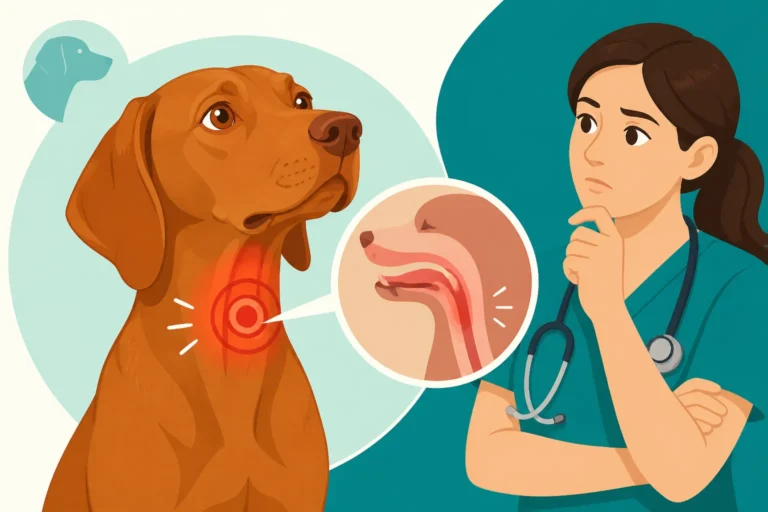
The thyroid gland, a small but mighty organ located in your Vizsla's neck, acts as the master regulator of metabolism. When it's not functioning correctly, the ripple effect throughout the dog's body can be profound, impacting everything from energy levels to the quality of its beautiful golden-rust coat. For a breed like the Vizsla, known for its boundless energy and sleek appearance, any disruption to this delicate balance can quickly become apparent and problematic.
Understanding Hypothyroidism in the Breed
Hypothyroidism, a condition where the thyroid gland doesn't produce enough hormones, is unfortunately not uncommon in many dog breeds, and Vizslas are certainly not immune. This isn't just about a dog feeling a bit sluggish; it's a systemic issue. The clinical signs can be frustratingly vague at first, making diagnosis tricky for the untrained eye. You might notice your otherwise vibrant Vizsla starting to slow down, becoming less enthusiastic about walks or playtime, a stark contrast to their usual zest for life. Perhaps their weight begins to creep up despite no changes in diet or exercise, or their stunning coat, which usually sheds minimally and maintains a healthy sheen, starts to become dry, brittle, and sparse. In some cases, owners report their dog seeking warmth more often, being less tolerant of cold temperatures than typical for a Vizsla, or even experiencing recurrent skin infections due to a compromised immune system. If you're observing these kinds of changes, it’s worth investigating, as these can be among the Signs a Vizsla's Thyroid Has Failed.
Beyond the more obvious physical changes, hypothyroidism can subtly affect a Vizsla's demeanor, leading to lethargy, mental dullness, or even changes in temperament like increased anxiety or aggression, which are totally out of character for this generally sweet and sensitive breed. The lack of sufficient thyroid hormone slows down many bodily functions, affecting everything from heart rate to digestive processes. This means a hypothyroid Vizsla might also exhibit chronic digestive upset, such as recurring bouts of diarrhea or constipation, further adding to their discomfort and your concern. It's a condition that can gradually erode a dog's quality of life if left unaddressed, turning a lively, engaging companion into a shadow of their former self.
Why Thyroid Function Matters for Reproduction
When we talk about breeding, the stakes for thyroid health become even higher. A healthy thyroid is absolutely essential for successful reproduction in both male and female Vizslas. For female Vizslas, insufficient thyroid hormones can lead to a host of reproductive problems, from irregular heat cycles that make breeding difficult or impossible, to failed conceptions or resorptions, where the body reabsorbs the developing fetuses. Even if a pregnancy progresses, there's an increased risk of small litter sizes, stillbirths, or puppies born with congenital defects. A dam with untreated hypothyroidism might also struggle with milk production, impacting the survival and early development of her puppies. It’s a heartbreaking scenario for any dedicated breeder, underscoring the need to ensure the dam is in optimal health before breeding.
For male Vizslas, thyroid dysfunction can similarly impair fertility. Low thyroid levels can affect sperm quality, reducing motility and count, and thus decreasing the chances of successful fertilization. While male reproductive issues might not be as overtly dramatic as a female's failed pregnancy, they are equally impactful on breeding success and the ability to contribute healthy genetics to the next generation. The general vitality and immune system of both parents are crucial for producing robust, healthy offspring, and thyroid hormones play a direct role in maintaining that vitality. Responsible breeders understand that every effort must be made to ensure both sire and dam are in peak condition, and thyroid health is a non-negotiable part of that equation. Neglecting this vital screening can perpetuate health issues, not only in the immediate offspring but potentially throughout future generations of Vizslas.
The Vizsla's Susceptibility to Thyroid Issues
Unfortunately, the Vizsla breed, like several other purebred dogs, does exhibit a predisposition to certain autoimmune conditions, and autoimmune thyroiditis is among them. This means that a Vizsla's own immune system mistakenly attacks its thyroid gland, gradually destroying its ability to produce hormones. This genetic susceptibility makes pre-breeding screening all the more critical for Vizslas compared to some other breeds. It's not just about addressing an individual dog's health, but about safeguarding the health of the entire breed lineage.
The genetic component of autoimmune thyroiditis is well-documented in many breeds. Breeders who are truly committed to the future health of Vizslas recognize that ignoring a dog's thyroid status before breeding is akin to playing Russian roulette with genetics. If a Vizsla carries the genes for autoimmune thyroiditis and is bred, there's a significant chance of passing that predisposition onto their puppies. This creates a cycle of health challenges for future generations, leading to more dogs suffering from hypothyroidism and more owners facing the emotional and financial burden of managing a chronic condition. This is why organizations like the Orthopedic Foundation for Animals (OFA) include thyroid screening as part of their Canine Health Information Center (CHIC) program, recognizing its importance for long-term breed health. The prevalence of Thyroid Failure in a Vizsla is a topic that conscientious breeders discuss and actively work to mitigate through careful screening and breeding practices.
Navigating Pre-Breeding Thyroid Testing Protocols
Understanding why thyroid testing is important is one thing, but knowing how to approach it for breeding purposes can be another hurdle entirely. It’s not simply about getting "a" thyroid test; it's about getting the right thyroid test, at the right time, and interpreting the results with a critical eye, ideally with the help of a veterinarian experienced in canine reproduction and breed-specific health issues.
Standard Thyroid Panels for Breeding Dogs
When preparing a Vizsla for breeding, a standard thyroid panel goes far beyond a simple T4 test. A comprehensive panel is absolutely essential to get a full picture of the thyroid's function and to detect any autoimmune processes at play. This typically includes a total T4 (TT4), free T4 (FT4, usually by equilibrium dialysis or "ED"), total T3 (TT3), free T3 (FT3), thyroid-stimulating hormone (TSH), and, crucially for identifying autoimmune thyroiditis, Thyroglobulin Autoantibodies (TgAA). Each component provides a piece of the puzzle:
- TT4 and FT4: These measure the levels of circulating thyroid hormone. Free T4 is often considered more accurate as it's not affected by protein binding.
- TT3 and FT3: These are less commonly used for initial screening but can provide additional insight, especially if T4 levels are borderline.
- TSH: Thyroid-stimulating hormone is produced by the pituitary gland. In primary hypothyroidism, the thyroid isn't responding, so the pituitary ramps up TSH production, leading to high TSH levels.
- TgAA (Thyroglobulin Autoantibodies): This is perhaps the most critical part of the panel for breeding dogs. Positive TgAA indicates that the dog's immune system is attacking its own thyroid gland, even if the thyroid hormone levels (T4, T3) are still within the normal range. This is the earliest indicator of autoimmune thyroiditis and a clear signal that the dog should not be bred, as it is likely to develop clinical hypothyroidism later and pass on the genetic predisposition.
Without a full panel, particularly the TgAA, you could easily miss a developing autoimmune condition, leading to potentially devastating consequences for future litters and the breed as a whole. Relying on just a T4 test is like looking at a single puzzle piece and claiming you understand the entire picture; it simply doesn't provide the depth of information required for responsible breeding decisions.
When and Where to Get Your Vizsla Tested
Timing is key for thyroid testing. While a puppy's thyroid can be screened, official pre-breeding thyroid certifications, like those from OFA, generally require the dog to be at least two years of age. This is because autoimmune thyroiditis often develops as dogs mature, and testing too early might give a false sense of security. Ideally, your Vizsla should be tested between two and four years of age, and then potentially re-tested every one to two years if they are actively part of a breeding program, especially as they get older. Regular monitoring is part of responsible ownership, akin to regularly checking Whether a Vizsla's Thyroid Should Be Tested Yearly.
Choosing the right laboratory is also paramount. Not all labs are created equal, and for accurate, reliable results, you need a facility that specializes in canine endocrine testing. Two widely respected options are the Animal Health Diagnostic Center at Cornell University and the Diagnostic Center for Population and Animal Health at Michigan State University. These labs have extensive experience and utilize the most accurate testing methods, such as equilibrium dialysis for free T4, which minimizes external influences that can skew results. Your veterinarian can send samples to these specialized labs. When discussing The Health Tests Both Vizsla Parents Should Have, thyroid screening with a reputable lab should always be at the top of the list. Don't be afraid to ask your vet which lab they use for thyroid panels, and specifically request a full OFA-compliant panel.
Interpreting the Results for Breeding Decisions
Interpreting a thyroid panel, especially for breeding purposes, is not always straightforward. A veterinarian well-versed in Vizsla health and breeding protocols is your best resource. "Normal" reference ranges can sometimes be broad, and what's considered healthy for a sedentary senior dog might not be optimal for a vibrant, active breeding Vizsla. Here’s a general guide:
| Test Parameter | Healthy Breeding Vizsla (Ideal) | Borderline Result (Caution for Breeding) | Problematic Result (Do Not Breed) |
|---|---|---|---|
| Total T4 (TT4) | Mid to upper end of normal range | Low normal or slightly below range | Significantly below normal range |
| Free T4 (FT4, ED) | Mid to upper end of normal range | Low normal or slightly below range | Significantly below normal range |
| TSH | Within normal limits (low normal is ideal) | High normal or slightly elevated | Significantly elevated |
| TgAA (Thyroglobulin Autoantibodies) | Negative | Positive, but low titer | Strongly positive titer |
The presence of TgAA is the biggest red flag. Even if TT4 and FT4 are still within the normal range, a positive TgAA indicates that the immune system is actively attacking the thyroid. This dog is genetically predisposed to hypothyroidism and will almost certainly develop clinical signs later in life. Breeding such a dog knowingly passes this genetic susceptibility onto offspring, a practice that responsible breeders conscientiously avoid.
Borderline results, where T4 levels are low-normal or TSH is high-normal, warrant careful consideration. These dogs might not be clinically hypothyroid yet but could be heading in that direction. Re-testing in 3-6 months is often recommended, along with discussions about the dog's overall health and family history. Factors like recent illness, certain medications (like steroids), or even stress can temporarily affect thyroid hormone levels, so your vet will take a holistic view. However, if a dog consistently shows borderline or abnormal results, especially with any clinical signs, they should generally be removed from a breeding program. This commitment ensures that only the healthiest individuals contribute to the future of the Vizsla.
Making Informed Breeding Decisions Based on Thyroid Results
The ultimate purpose of pre-breeding thyroid testing is to arm breeders with the information needed to make ethical and responsible decisions for the health of the breed. This isn't always easy, especially when a beloved dog, otherwise exemplary, receives a concerning thyroid report.
When to Hold Off on Breeding
The decision to not breed a dog can be incredibly difficult, particularly if that dog has many other desirable traits or comes from a valued lineage. However, when a Vizsla receives a confirmed diagnosis of hypothyroidism or shows a positive TgAA, the ethical choice is clear: that dog should not be bred. A positive TgAA, as discussed, indicates autoimmune thyroiditis, an inherited condition. Even if the dog isn't yet showing clinical signs of hypothyroidism, it is actively developing the disease and will pass that genetic predisposition to its offspring. This decision isn't just about preventing puppies from inheriting the disease; it's also about preventing the spread of the genetic markers within the breed's gene pool.
Consider a beautiful Vizsla female, a champion in the show ring, with a fantastic temperament. She might be a prime candidate for breeding in every other respect. But if her pre-breeding thyroid panel reveals positive TgAA, it's a hard truth to accept that she carries a genetic burden that she will likely pass on. While she herself can be treated for hypothyroidism with daily medication, bringing healthy puppies into the world is paramount. Breeding her would be a disservice to the puppies, their future owners, and the Vizsla breed. Responsible breeders must prioritize the long-term health and vitality of the breed over any individual dog's accolades or potential contributions. This kind of ethical stance is what truly defines a conscientious breeder, as reflected in practices like Whether a Vizsla Breeder Screens for Thyroid.
Managing Borderline Cases
Borderline thyroid results present a more nuanced challenge. Unlike a clear-cut diagnosis, these dogs often show T4 levels at the low end of normal, TSH at the high end, or a very low positive TgAA titer. They might not have any outward symptoms, making the decision even harder. In these situations, the first step is usually to re-test. It’s important to consider if there were any factors that could have temporarily influenced the initial results, such as stress from travel, recent illness, or certain medications. A repeat full thyroid panel after a few months, perhaps at a different time of day or under different circumstances, can help clarify the situation.
If repeat tests continue to show borderline results, particularly if combined with a family history of thyroid issues, it's wise to consult with an endocrinologist or a veterinarian specializing in canine reproduction. They can help evaluate the complete picture, including pedigree analysis and other clinical findings. Sometimes, waiting a bit longer and re-evaluating after another 6-12 months might be advised. However, the general consensus among responsible breeders and veterinary geneticists is that if a dog consistently produces borderline results, especially with any indication of autoimmune activity (even a low TgAA), it's a significant risk to include them in a breeding program. The goal is to produce robust, healthy puppies, and introducing potential genetic predispositions, even "borderline" ones, goes against that principle. It's a tough call, but one that safeguards the breed.
The Ethical Breeder's Responsibility
Ultimately, the ethical breeder carries the heavy responsibility of protecting the future of the Vizsla. This means making difficult decisions that prioritize the health and well-being of the breed above all else. A truly ethical breeder doesn't just check the boxes on required health tests; they delve into the implications of those results, striving for transparency and continuous improvement in their lines. They understand that a single breeding decision can have repercussions that echo for generations.
This responsibility extends to being completely open and honest with prospective puppy buyers about the health testing performed on both parents, including thyroid results. Providing access to OFA certifications and discussing any health concerns in the lineage builds trust and helps buyers make informed decisions. A good breeder also ensures that their breeding dogs are in optimal physical and mental health, not just for the sake of the puppies, but for the quality of life of the breeding animals themselves. They are proactive in seeking out the latest scientific information and working collaboratively with veterinarians and geneticists to interpret complex health data. This dedication to health and transparency helps ensure that new Vizsla owners are welcoming a healthy, well-adjusted puppy into their homes, and that the breed continues to thrive for years to come.
Long-Term Thyroid Management and Genetic Considerations
Thyroid health isn't a "one and done" conversation; it’s an ongoing journey, especially for a breed like the Vizsla. Even if your breeding dogs pass their initial pre-breeding thyroid screenings with flying colors, continued vigilance and an understanding of the genetic landscape are crucial for long-term breed health.
Life-Long Monitoring for Breeding Animals
Even after successfully passing pre-breeding thyroid tests, dogs in a breeding program, particularly females who undergo the stresses of pregnancy and lactation, should ideally continue to have their thyroid function monitored periodically. Just because a Vizsla tests clear at two years old doesn't mean they can't develop autoimmune thyroiditis later in life. As mentioned previously, many veterinarians and breed clubs advocate for Whether a Vizsla's Thyroid Should Be Tested Yearly, especially for actively breeding animals. This helps catch any onset of the disease early, allowing for timely treatment and, if necessary, removal from the breeding pool to prevent further transmission of a newly manifest condition.
Regular monitoring allows breeders to make informed decisions about future breedings and retirement plans for their dogs. If a Vizsla develops autoimmune thyroiditis after having been bred, breeders have the ethical responsibility to re-evaluate their breeding lines and, potentially, to inform owners of previous offspring about the late-onset diagnosis, so those owners can monitor their own dogs more closely. This commitment to continuous health surveillance demonstrates a profound respect for the breed and for the families who ultimately welcome these puppies into their lives. It's about maintaining a dynamic understanding of health, rather than a static one, throughout a dog's breeding career.
Genetic Impact and Pedigree Analysis
Beyond individual testing, a responsible breeder engages in thorough pedigree analysis, looking for patterns of thyroid disease within family lines. This involves studying the health history of a dog's parents, grandparents, and even great-grandparents, including siblings and close relatives. If there's a history of autoimmune thyroiditis or hypothyroidism appearing in several dogs within a particular pedigree, even if an individual dog tests clear, it flags that line as potentially carrying a higher genetic risk. This knowledge can influence breeding decisions, prompting a breeder to choose a mate from a line with a strong, clear thyroid history to mitigate the risk.
While a specific genetic test for canine autoimmune thyroiditis isn't yet universally available to precisely identify carriers, pedigree analysis combined with comprehensive individual testing is the best tool we currently have. It allows breeders to make educated guesses about potential genetic loads and to breed away from lines that appear to be problematic. This is a critical aspect of managing complex polygenic diseases like thyroiditis, where multiple genes may contribute to the expression of the condition. It goes hand-in-hand with understanding broader genetic predispositions to conditions like Whether VIP Is Inherited in the Vizsla or other immune-mediated diseases, recognizing that Vizslas, unfortunately, often carry a higher burden of such issues. This deep dive into genetic history helps to prevent future generations from inheriting health challenges and protects the overall vitality of the Vizsla gene pool.
Financial Preparedness for Thyroid Disease
Let's be realistic: managing a chronic health condition like hypothyroidism can be a financial commitment. Once a Vizsla is diagnosed, treatment typically involves lifelong daily thyroid hormone replacement medication, such as levothyroxine. The cost of this medication can vary, but it's an ongoing expense that adds up over a dog's lifetime. Beyond the medication, regular veterinary check-ups and blood tests are needed to monitor hormone levels and adjust dosages, ensuring the treatment is effective. These follow-up appointments and lab work contribute to the overall cost of care. For owners already facing the normal expenses of a dog, this additional burden can be significant, potentially costing hundreds, if not thousands, of dollars over the dog's life. Information on What Thyroid Medication Costs a Vizsla Owner Monthly can give a clearer picture.
This is where having robust pet insurance can be a real game-changer. Companies like Healthy Paws offer comprehensive coverage that can help offset the costs of managing chronic conditions like hypothyroidism, provided the condition isn't pre-existing when the policy is initiated. Having pet insurance means you can make decisions about your Vizsla's health based on what's best for them, rather than being solely dictated by financial constraints. For breeders, informing prospective puppy owners about common Vizsla health issues and the benefits of pet insurance, perhaps even with a recommendation for a company like Healthy Paws, is another facet of responsible ownership guidance. It's about preparing families for the realities of canine health and ensuring their Vizsla receives the best possible care throughout their life. It's wise to consider comprehensive coverage, much like that offered by Healthy Paws, when looking at Insuring a Vizsla Against Immune Disease in general.
Disclaimer
Please remember that the information provided in this article is intended for general informational purposes only and does not constitute veterinary advice. Always consult with a qualified veterinarian for any health concerns or before making any decisions related to your Vizsla's care, treatment, or breeding. Health and medical information can change rapidly, and your veterinarian is the best source for personalized advice.