Whether a Vizsla Gets Addison’s Disease
It’s a heartbreaking moment when you realize your vibrant, energetic Vizsla isn't quite themselves. Maybe they're lethargic, or skipping meals, and a creeping worry starts to set in. Many Vizsla owners know the breed is prone to certain health challenges, particularly those related to the immune system. This guide will explore whether Vizslas are susceptible to Addison's Disease, an often-misunderstood condition, helping you understand its signs, diagnosis, and what managing it truly entails.
Understanding Addison's Disease in Vizslas
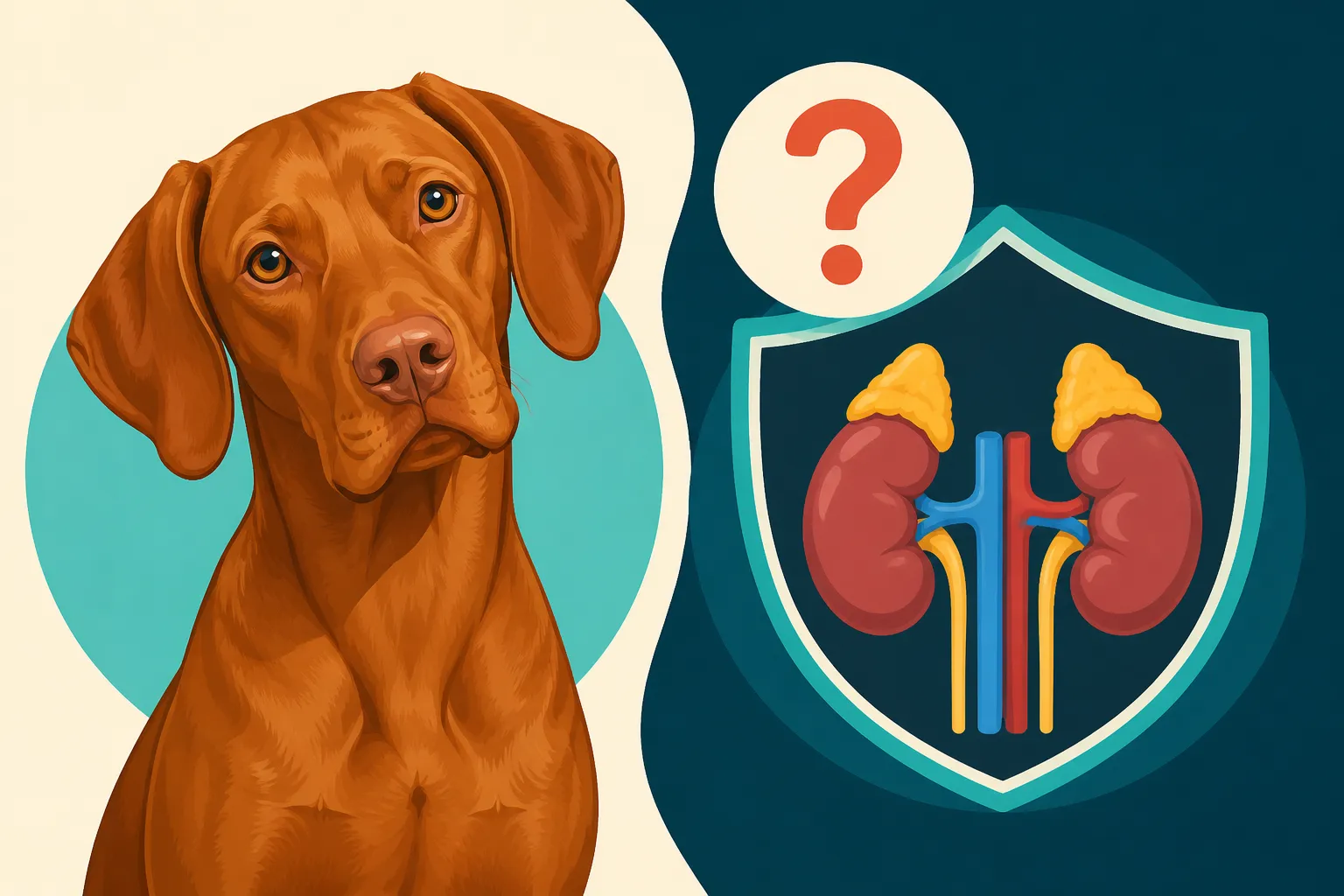
Addison's Disease, also known as hypoadrenocorticism, is an endocrine disorder that can sneak up on you and your beloved Vizsla. Essentially, it happens when your dog's adrenal glands, two tiny but mighty organs located near the kidneys, don't produce enough of certain crucial hormones. The primary hormones affected are glucocorticoids (like cortisol) and mineralocorticoids (like aldosterone). These hormones are vital for regulating stress response, metabolism, blood pressure, and electrolyte balance. When they're deficient, the body's entire system can go haywire.
Vizslas, unfortunately, appear to be one of the breeds with a higher predisposition to Addison's Disease, much like they are prone to other immune-mediated conditions. This means that if you own a Vizsla, it's particularly important to be aware of this disease. While it’s not as commonly discussed as, say, hip dysplasia, its impact can be just as profound, if not more so, because its symptoms can be so vague and easily mistaken for other ailments. Knowing that your breed is genetically more likely to develop such an illness isn't meant to cause alarm, but rather to empower you with knowledge so you can act quickly if needed.
Why Vizslas Might Be More Prone
The increased prevalence of Addison's Disease in Vizslas, alongside other autoimmune disorders, often points back to the breed's genetic make-up and its history. Vizslas faced near extinction twice, particularly around the turn of the 20th century, and were rebuilt from a very small gene pool. This genetic bottleneck, while preserving the breed, also concentrated certain genes, including those that might predispose them to immune-mediated diseases. This is why you'll often hear discussions about Why Vizslas Carry So Much Immune Disease. Conditions like Whether a Vizsla Gets Lupus or Whether a Vizsla Gets Immune Mediated Anemia are part of this broader picture, where the immune system, for reasons not yet fully understood, sometimes turns on the body itself.
It's not that Vizslas have a "weak" immune system in the traditional sense; rather, it's one that might be prone to misfiring. The adrenal glands in an Addisonian dog become damaged, often by the dog's own immune system, which attacks and destroys the hormone-producing cells. This is termed "primary Addison's Disease" and is the most common form. The genetic components are complex, but responsible breeders are increasingly aware of these risks and work to select breeding pairs that minimize the chances of passing on these predispositions.
Recognizing the Subtle Signs of Addison's
The tricky part about Addison's Disease is that its initial symptoms are incredibly vague. They can wax and wane, making you think your Vizsla is just having an off day, or perhaps has a transient stomach bug. This makes early diagnosis challenging, and many owners describe a long, frustrating journey to get answers. Your Vizsla might seem fine one week, then a bit lethargic and disinterested in food the next, only to perk up again before dipping low once more. This fluctuating nature is a hallmark of the disease and can be maddeningly difficult to pin down.
These general signs are often what lands your Vizsla at the vet for What Vizslas Are Most Often Treated For initially, only for those treatments to not quite hit the mark because the underlying cause isn't addressed. It's easy to dismiss a subtle lack of enthusiasm or a slightly reduced appetite, especially in a breed as typically energetic as a Vizsla. But when these signs persist or recur, even if they seem minor, it's a red flag that something deeper might be going on.
Common, Non-Specific Symptoms
When your Vizsla isn't making enough cortisol, you might observe a range of non-specific symptoms. Imagine a dog that usually has boundless energy for a run, now only wants a short stroll before heading home. They might be unusually quiet, sleep more than usual, and show a general lack of zest for life. Digestive upset is also common, manifesting as intermittent vomiting or diarrhea. Your dog might lose their appetite, leading to weight loss over time. They could also seem weaker, perhaps struggling to jump onto the sofa or into the car when they used to do it with ease.
One of the most concerning, yet still subtle, signs is increased thirst and urination. While not always present, if your Vizsla is drinking more water than usual and needing to go out more frequently, it's another symptom that should raise a flag, especially when combined with other signs. It's often when these symptoms intensify or become more frequent that owners realize it's more than just a passing bug. The slow, insidious onset means many owners regret not noticing sooner, but in reality, it's very hard to catch in its early, fluctuating stages.
The Addisonian Crisis: When Symptoms Become Urgent
While many signs are subtle, Addison's Disease can progress to a severe, life-threatening emergency known as an Addisonian crisis. This happens when the adrenal glands fail almost completely, leading to a sudden, dramatic collapse of the body's systems. During a crisis, your Vizsla will likely be profoundly weak, unable to stand, and might be shivering uncontrollably. They could experience severe vomiting and diarrhea, leading to rapid dehydration. Their heart rate might be slow, and their gums could be pale.
This is a true medical emergency that requires immediate veterinary attention. Without prompt treatment, an Addisonian crisis can be fatal. If you ever find your Vizsla in such a state, don't hesitate – get them to an emergency vet clinic right away. The financial stress of such an emergency can be daunting, and it's scenarios like this where considering What a Vizsla's Emergency Field Injury Costs or having pet insurance from providers like Healthy Paws can be a real lifesaver, both for your dog and your wallet.
Diagnosis and Treatment for Addison's Disease
Diagnosing Addison's Disease requires a keen eye from your veterinarian and specific diagnostic tests. Because the symptoms are so varied and mimic other conditions, your vet might initially run tests to rule out common culprits like gastrointestinal infections, kidney disease, or liver problems. The good news is that once Addison's is suspected, there's a definitive test to confirm it.
Don't be discouraged if the first few vet visits don't yield a clear answer. Many Vizsla owners go through several rounds of testing before Addison's is finally on the table. It's a testament to the disease's deceptive nature. Open communication with your vet, detailing every subtle change in your Vizsla's behavior or health, no matter how minor, will be crucial in piecing together the puzzle.
Diagnostic Tests for Confirmation
The definitive diagnostic test for Addison's Disease is the ACTH stimulation test. This involves two blood samples. First, a baseline cortisol level is taken. Then, your Vizsla receives an injection of synthetic ACTH (adrenocorticotropic hormone), which normally stimulates the adrenal glands to produce cortisol. A second blood sample is taken an hour or two later. If the adrenal glands are healthy, the second cortisol level will be significantly higher than the first. However, in a dog with Addison's, the cortisol levels will remain low, indicating that the adrenal glands are not responding as they should.
Before the ACTH stim test, your vet might perform routine blood work, including a complete blood count (CBC) and a chemistry panel. These tests might show abnormalities like elevated potassium and decreased sodium levels (an electrolyte imbalance characteristic of Addison's), or mild anemia. They might also suggest Whether a Vizsla Needs a Yearly Blood Panel for ongoing monitoring. An What an Ultrasound Costs on a Vizsla might also be performed to assess the size and appearance of the adrenal glands, though this is less common for initial diagnosis.
Managing Addison's Disease with Medication
Once diagnosed, Addison's Disease is managed with lifelong medication. The goal is to replace the hormones that your Vizsla's adrenal glands are no longer producing. This typically involves two types of medication:
- Mineralocorticoid Replacement: Most commonly, this is managed with an injection called Percorten-V (desoxycorticosterone pivalate, or DOCP), given every 25-30 days. This hormone helps regulate electrolytes. Another option is oral fludrocortisone, which has both mineralocorticoid and glucocorticoid effects.
- Glucocorticoid Replacement: Often, a low daily dose of an oral corticosteroid like prednisone is also prescribed, especially to help manage stress. During times of increased stress (travel, vet visits, intense activity), this dose might need to be temporarily increased.
The precise dosage and combination of medications will be tailored to your individual Vizsla's needs and adjusted based on their response and regular blood tests. It's a commitment, but with proper medication and management, most Vizslas with Addison's Disease can lead full, happy, and active lives. Regular check-ups and adherence to the medication schedule are paramount. The monthly or bi-monthly injections, coupled with daily oral meds, become a part of your routine.
Living with a Vizsla with Addison's
Receiving an Addison's diagnosis can feel overwhelming, but it's important to remember that it's a manageable condition. With consistent care, most Vizslas with Addison's can maintain an excellent quality of life. They can still enjoy their walks, their training, and their beloved time with you – perhaps even a lighter version of hunting if they were a working dog, though intense stress needs careful management. The key is understanding the ongoing commitment and working closely with your veterinary team.
It's a testament to modern veterinary medicine that a condition that used to be a death sentence is now something dogs can thrive with. This often brings up questions like The Twelve to Fourteen Years a Vizsla Lives, and thankfully, with Addison's, your dog can still live a long life. It requires vigilance, certainly, but it doesn't mean the end of their characteristic Vizsla joy.
| Aspect | Typical Presentation in Addison's Vizsla | Management Strategy |
|---|---|---|
| Energy Levels | Fluctuating, often lethargic, weak, reluctant to play/exercise. | Consistent medication, monitor for "off days," stress dose prednisone. |
| Appetite & Digestion | Intermittent vomiting/diarrhea, loss of appetite, weight loss. | Regular feeding, bland diet during flare-ups, careful medication timing. |
| Thirst & Urination | Increased thirst and frequent urination (polyuria/polydipsia). | Monitor water intake, ensure constant access to fresh water. |
| Electrolyte Balance | High potassium, low sodium, which can affect heart function. | DOCP injections or fludrocortisone tablets, regular blood panels. |
| Stress Response | Poor ability to cope with physical/emotional stress due to low cortisol. | Proactive prednisone dose adjustments during stressful events. |
| Coat/Skin | Can sometimes appear dull, though less common than other symptoms. | Maintain overall health, good nutrition. |
| Crisis Risk | Always a risk if medication is missed or dosage is insufficient. | Strict adherence to medication, knowing crisis signs for immediate vet care. |
Long-term Care and Quality of Life
The long-term care for a Vizsla with Addison's disease revolves around consistent medication administration and regular veterinary check-ups. You'll become very familiar with their medication schedule and likely develop a keen eye for subtle changes in their well-being. Regular blood tests will be necessary, especially in the initial months after diagnosis and during any dosage adjustments. These tests help your vet ensure that the electrolyte levels are balanced and that the medication is working effectively. This ongoing monitoring can make you wonder Whether a Vizsla Is Worth Insuring at All, and for chronic conditions like Addison's, many owners find peace of mind with pet insurance.
With appropriate treatment, your Vizsla's energy levels should return to normal, their appetite will improve, and the gastrointestinal issues will resolve. You should see them return to their happy, enthusiastic selves. Many dogs on lifelong Addison's medication are indistinguishable from healthy dogs. It's truly a marvel of modern veterinary science. The key is recognizing that while the disease is managed, it's never cured, so continuous vigilance is necessary.
Financial and Emotional Considerations
Living with a chronic condition like Addison's Disease does come with financial implications. The cost of lifelong medication, especially the injectable DOCP, and the frequent veterinary visits and blood tests, can add up. This is where pet insurance, such as a policy from Healthy Paws, can be incredibly beneficial. Many policies will cover a significant portion of the costs associated with chronic conditions, though it's crucial to understand policy specifics and pre-existing condition clauses when you first insure your dog. Thinking about Setting Money Aside for a Vizsla's Vet Bills is always a good idea, but insurance provides an important safety net.
Beyond the financial aspect, there's the emotional toll. Watching your beloved Vizsla suffer before diagnosis, the stress of an Addisonian crisis, and the ongoing responsibility of medication can be heavy. It’s important to acknowledge these feelings and to seek support from your vet, fellow Vizsla owners, or online communities. Knowing that you're not alone in this journey can make a world of difference. The bond with your Vizsla will likely deepen as you navigate this challenge together, and their resilience will surely inspire you.
Disclaimer
The information provided in this article is for general knowledge and informational purposes only, and does not constitute veterinary advice. Always consult with a qualified veterinarian for any health concerns or before making any decisions about your pet's health or treatment.