Whether VIP Is Inherited in the Vizsla
One of the most heart-wrenching concerns for Vizsla owners is the potential for debilitating health conditions, and Vizsla Inflammatory Polymyopathy (VIP) sits high on that list. Watching your energetic, loving companion struggle with basic functions like eating and drinking due to muscle weakness is incredibly difficult. This comprehensive guide will delve into whether this devastating disease is inherited, exploring the complexities of its genetic links, what current understanding suggests, and how responsible breeding practices can play a crucial role in mitigating its impact.
Understanding Vizsla Inflammatory Polymyopathy
Vizsla Inflammatory Polymyopathy, often simply called VIP, is a severe, immune-mediated inflammatory disease that primarily affects the muscles, particularly those of the head, neck, and sometimes the limbs. It’s not just a general muscle weakness; it's a specific condition with a distinct set of symptoms and a challenging prognosis. Owners often first notice subtle changes, which can quickly escalate into serious issues that impact their dog's quality of life. Understanding what this disease entails is the first step in appreciating the concerns around its potential inheritance.
What VIP Does to a Vizsla
When a Vizsla develops VIP, its own immune system mistakenly attacks its muscle tissue. This immune response leads to inflammation, degeneration, and eventually atrophy (wasting away) of the affected muscles. The initial signs can be incredibly sneaky, making it hard for owners to pinpoint what's going wrong. You might observe your dog having difficulty chewing kibble, dropping food from their mouth, or showing reluctance to lift their head high. These subtle changes can soon progress to profound muscle loss, especially noticeable around the temples and jawline, making the dog's head appear much bonier than usual.
As the disease progresses, the impact on a Vizsla's daily life becomes undeniable. They might struggle to swallow, leading to coughing or gagging, and even aspiration pneumonia if food or water enters their lungs. The strong, elegant lines of a healthy Vizsla's head and neck can rapidly diminish as muscle mass wastes away. This profound muscle loss isn't just cosmetic; it directly impairs their ability to eat, drink, bark, and even breathe comfortably in severe cases. It’s a truly frightening experience for any Vizsla parent to witness, and knowing that "What Vizsla Inflammatory Polymyopathy Does" can help you recognize the early indicators.
Why VIP Attacks the Head and Neck
The predilection of VIP for the head and neck muscles is one of its most defining and challenging characteristics. These muscles, known as masticatory muscles (for chewing) and pharyngeal muscles (for swallowing), are essential for a dog's very survival. The reason for this specific targeting isn't fully understood, but it's believed to be related to specific antigenic targets within these muscle groups that trigger the autoimmune response unique to Vizslas. This specificity is what differentiates VIP from other generalized polymyopathies.
The consequence of this targeted attack is particularly devastating. When the muscles responsible for chewing weaken, even the softest food becomes a struggle. Imagine your spirited Vizsla, usually eager for mealtime, now approaching their bowl with hesitation, trying to lap up softened food or even refusing to eat because it's too painful or difficult. The inability to swallow properly, often one of the most dangerous symptoms, can lead to food aspiration. This means food or liquid goes down the windpipe instead of the esophagus, causing severe lung infections. This is precisely "Why VIP Attacks a Vizsla's Head and Neck" so aggressively, making it a critical aspect of the disease to understand.
The Genetic Link: Is VIP Inherited?
This is the million-dollar question for many Vizsla owners and breeders, and unfortunately, the answer isn't as straightforward as a simple "yes" or "no" with a clear genetic test. While VIP is an immune-mediated disease, there is strong, accumulating evidence suggesting a significant genetic predisposition within the Vizsla breed. It’s not considered a purely environmental condition, nor is it a simple recessive or dominant gene disease that can be easily screened for.
Evidence for Genetic Predisposition
Over the years, veterinary neurologists and researchers have observed that VIP appears with a disproportionately high frequency in Vizslas compared to other breeds. This breed-specific prevalence is a major red flag for genetic involvement. If it were purely random, we would expect to see it spread more evenly across the canine population. Instead, it’s a concern that Vizsla owners often face, leading to anxiety about "Whether Every Vizsla Is at Risk of Polymyopathy."
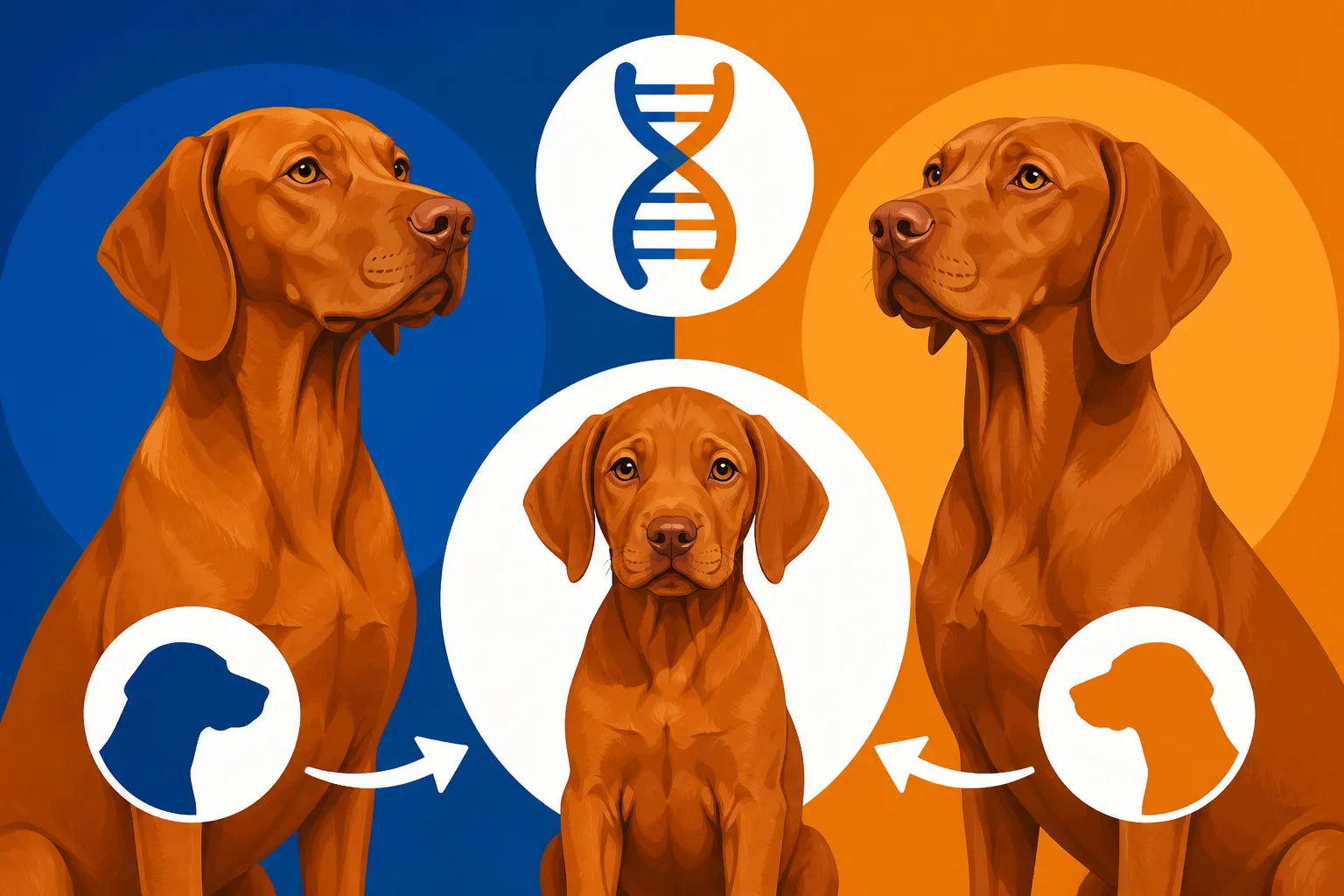
Furthermore, case studies and pedigree analyses often reveal clusters of affected dogs within certain family lines. While not always a direct parent-to-offspring inheritance in every generation, specific bloodlines seem to carry a higher risk. This pattern strongly suggests that certain genetic factors, or combinations of factors, make an individual Vizsla more susceptible to developing the disease. It points towards a complex mode of inheritance, likely polygenic, meaning multiple genes interact to increase the risk, rather than a single gene being solely responsible. This makes developing a simple DNA test incredibly challenging, adding to the frustration for those hoping for a definitive answer.
Challenges in Identifying a Specific Gene
The quest to find a specific "VIP gene" has been ongoing, but it's proven to be a particularly tough nut to crack. Unlike diseases caused by a mutation in a single gene (like some forms of progressive retinal atrophy), immune-mediated conditions often involve many genes working in concert, alongside environmental triggers. The immune system itself is incredibly complex, regulated by a vast array of genes, including the Major Histocompatibility Complex (MHC), which plays a crucial role in self-recognition and immune response.
Researchers have explored links to certain canine MHC (DLA) haplotypes, which are specific sets of genes involved in immune system regulation. While some studies have suggested associations, a clear, definitive genetic marker for VIP that can be used for widespread screening has yet to be identified. This means that, currently, there is "Whether Any Test Predicts VIP in a Vizsla" beyond a clinical diagnosis based on symptoms and muscle biopsies. This lack of a predictive genetic test is a major hurdle for breeders trying to eliminate the disease from their lines, as they are left relying on health registries and anecdotal evidence of family history.
Breeding Practices and Mitigating Risk
Given the strong suspicion of genetic predisposition and the lack of a definitive test, responsible breeding practices become paramount in the fight against VIP. Breeders committed to the health of the Vizsla breed must make difficult decisions, prioritizing health and longevity over other traits. It’s a complex ethical landscape where the desire to produce sound, healthy puppies clashes with the reality of genetic unknowns.
Responsible Breeding Considerations
For conscientious Vizsla breeders, the spectre of VIP means carefully scrutinizing pedigrees for any incidence of the disease. While a dog might appear healthy, a history of VIP in close relatives—parents, siblings, aunts, uncles—should give any breeder pause. Reputable breeders often go beyond the minimum health testing recommendations and track the health outcomes of their puppies over their lifetime, fostering relationships with puppy buyers to gather this vital information. This helps them identify patterns that might indicate a higher risk within certain lines.
A key aspect of responsible breeding is transparency. Breeders should be open about any known health issues in their lines, including VIP, even if it's not a direct parent-to-offspring transmission. They should discuss their rationale for breeding decisions and what steps they take to minimize the risk of passing on genetic predispositions. This due diligence extends to understanding "The Health Tests Both Vizsla Parents Should Have" for other conditions, but specifically noting any known history of VIP in the extended family. Buyers should feel empowered to ask direct questions about VIP history and expect honest answers.
The Role of Pedigree and Health Registries
Since a direct genetic test for VIP is unavailable, pedigree research and utilizing health registries like the Orthopedic Foundation for Animals (OFA) are crucial, even if VIP isn't directly tested. While OFA doesn't screen for VIP specifically, it does track other conditions, and breeders often submit general health information. More importantly, breed-specific health databases or privately maintained records by ethical breeders can be invaluable. These records help track instances of VIP in an effort to identify potential carrier lines or lines that seem to have a higher incidence.
Breeders should also engage with veterinary specialists and researchers to stay updated on any new findings regarding VIP. By contributing data and collaborating, the community as a whole can work towards a better understanding of the disease's inheritance. When a breeder carefully reviews a potential breeding pair's full pedigree, considering not just the immediate parents but also grandparents and great-grandparents, they are making a more informed decision. The hope is to identify lines that appear to be clear of the disease, thus reducing the likelihood of future generations developing VIP. This proactive approach, while imperfect without a definitive test, is the best tool available to mitigate risk.
Comparison of Inheritance Scenarios
| Inheritance Type | Description | Relevance to VIP | Impact on Breeding |
|---|---|---|---|
| Simple Dominant | One copy of the faulty gene causes the disease. | Unlikely, as VIP occurrence isn't always so direct or predictable. | Easy to eliminate: affected dogs should not be bred. |
| Simple Recessive | Two copies of the faulty gene (one from each parent) are needed for disease. | Unlikely, due to variable age of onset and incomplete penetrance. | Breeders could test for carriers and avoid mating two carriers. (No such test for VIP currently) |
| Polygenic | Multiple genes contribute to the risk, often with environmental factors. | Most likely scenario for VIP. | Very difficult to eliminate; relies on careful pedigree research, avoiding lines with high incidence, and potentially outcrossing. |
| Immune-Mediated | Immune system attacks body's own tissues, often with genetic predisposition. | VIP is classified as immune-mediated. | Focus on general immune health, stress reduction, and avoiding known high-risk lines. |
Supporting a Vizsla with VIP and Future Considerations
Discovering that your beloved Vizsla has VIP is a truly heartbreaking moment. While the genetic component is a major concern for future breeding, the immediate priority shifts to managing the disease and providing the best possible quality of life for your affected dog. It’s a journey that requires immense dedication, emotional resilience, and financial planning.
Treatment and Management Options
The treatment for VIP primarily focuses on suppressing the immune system to halt the attack on the muscles. This often involves high doses of corticosteroids, such as prednisone, which are powerful anti-inflammatory and immunosuppressive drugs. These medications can significantly improve symptoms, especially if initiated early in the disease progression. Many owners want to know "Whether Steroids Control a Vizsla's Polymyopathy," and the answer is often yes, at least initially. However, long-term steroid use comes with its own set of side effects, including increased thirst and urination, ravenous appetite, and muscle weakness, which can ironically mimic some VIP symptoms.
In some cases, if steroids alone are not sufficient or if their side effects become unmanageable, other immunosuppressive drugs like azathioprine or cyclosporine might be added or used in conjunction with steroids. Supportive care is also critical, especially for dogs struggling to eat. This might include feeding softened food, elevated feeding bowls to aid swallowing, or in severe cases, even a temporary feeding tube. Physical therapy and gentle massage can help maintain muscle condition and comfort as much as possible. It's a challenging and often ongoing battle, requiring close collaboration with your veterinarian and potentially a veterinary neurologist. Many owners wonder "Whether a Vizsla Recovers From VIP," and while some dogs can achieve remission, it's often a chronic condition requiring lifelong management.
Financial and Emotional Impact
Living with a Vizsla suffering from VIP carries a significant financial and emotional burden. The cost of diagnosis alone, which can involve extensive blood work, muscle biopsies, and specialist consultations, can run into thousands of dollars. Ongoing medication, particularly if specialized immunosuppressants are needed, can be hundreds of dollars per month. If your dog experiences complications like aspiration pneumonia, emergency vet visits and hospitalization can quickly accumulate to substantial amounts. This is where pet insurance can be an absolute lifesaver. Companies like Healthy Paws, for example, often cover chronic conditions as long as they aren't pre-existing, and having a policy could dramatically alleviate the financial strain of managing VIP. It's crucial to consider "Insuring a Vizsla Against Immune Disease" from a young age.
Emotionally, it's a rollercoaster. The distress of seeing your once vibrant Vizsla struggling, coupled with the constant worry about their next meal, potential setbacks, and the long-term prognosis, can be exhausting. Owners often find themselves adjusting their entire lives to accommodate their dog's needs, from preparing special meals to meticulously administering medication. Support groups and open communication with your vet are essential to navigate this challenging journey. While the love for our Vizslas is boundless, the reality of managing such a severe, often progressive illness is tough on the entire family.
Considerations for Future Breeding
For breeders who have had VIP appear in their lines, the decision about "Whether a Vizsla With VIP Should Be Bred" or if its siblings or parents should be bred, is ethically complex. Most reputable breeders would strongly advise against breeding any dog that has developed VIP, even if symptoms appear to be managed, given the strong genetic component. The focus shifts to removing any known affected individuals and their immediate relatives from the breeding pool to reduce the overall risk.
While there's no perfect solution without a genetic marker, the goal is to breed away from the disease, focusing on lines with a consistently clear health history regarding VIP. This might involve outcrossing to unrelated lines or simply choosing mates from pedigrees with no known incidence of the disease. This commitment to health, even when it means making difficult choices about beloved dogs or popular lines, is the hallmark of a responsible breeder dedicated to the long-term well-being of the Vizsla breed. The hope is that through careful selection and ongoing research, the incidence of VIP can be significantly reduced over time.
Disclaimer
This article is intended for informational purposes only and does not constitute medical advice. If your Vizsla is showing signs of illness, please consult with a qualified veterinary professional immediately. Only a veterinarian can accurately diagnose and recommend appropriate treatment for your pet.