Whether a Vizsla Can Have a Black Nose
It’s a common moment of confusion for new Vizsla owners, or even those just admiring the breed from afar: you see a beautiful, golden-rust dog, but then you notice its nose. Is it always supposed to match its coat, or can a Vizsla have a black nose? This question often stems from a lack of clarity around breed standards and what’s considered typical for our beloved Hungarian pointers. Let's dive deep into the world of Vizsla nose colors, dispelling myths and providing clarity on what is expected and why.
The Golden Rule of Vizsla Pigmentation: Why Nose Color Matters
When you’re looking at a Vizsla, every detail, from its lean, athletic build to its expressive eyes, contributes to that unmistakable "Vizsla look." And yes, that includes the color of their nose. For the Vizsla, nose color isn't just a random genetic throw of the dice; it's a carefully considered part of their breed standard, rooted in their history and function.
The Official Breed Standard for Nose Color
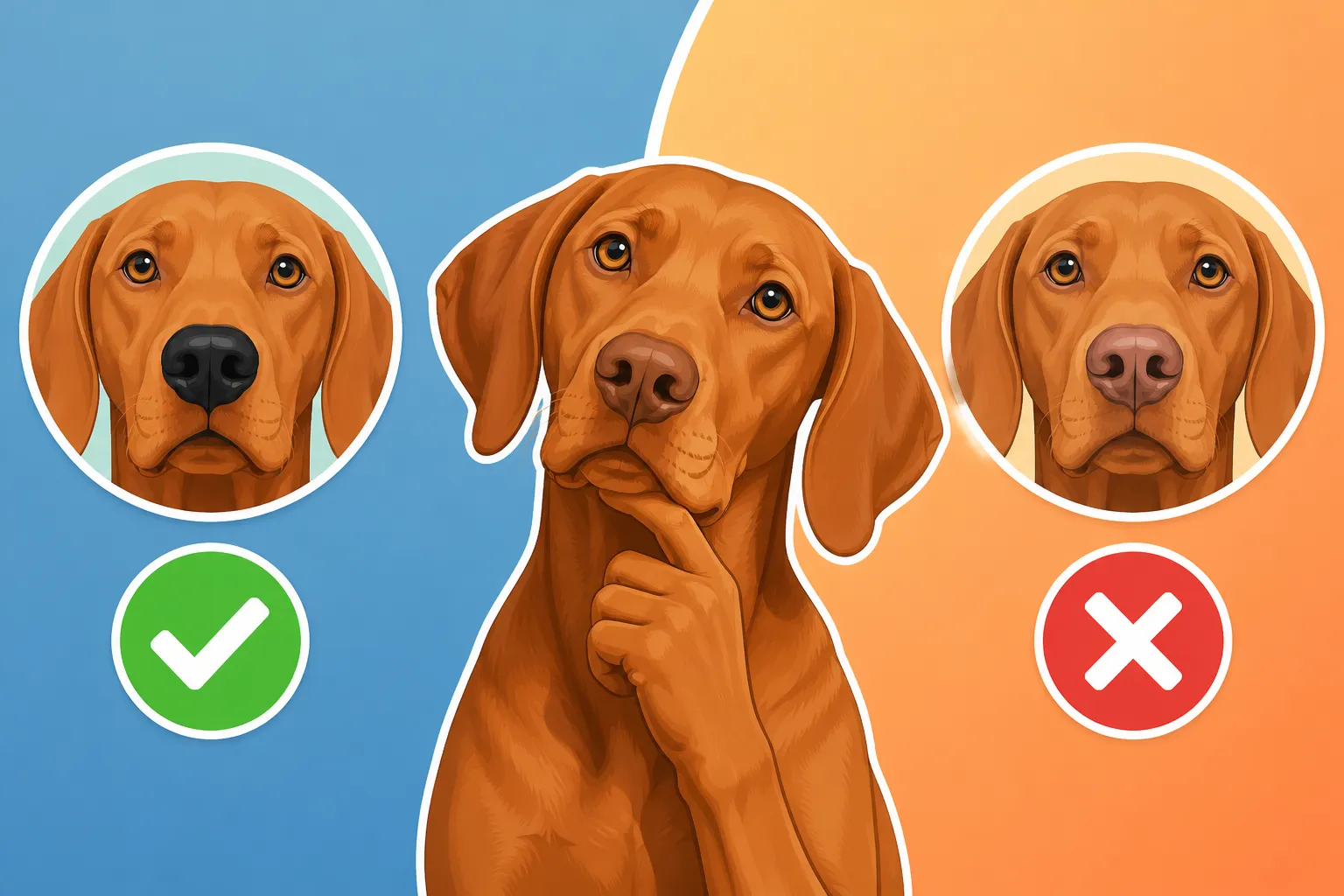
The breed standard for the Vizsla is quite specific, and it emphasizes a nose color that blends harmoniously with the dog's coat. This is often described as "self-colored," "rose," or "brownish," but the key is that it should be in tone with the golden-rust of their fur. You’ll never find the word "black" in the description of an ideal Vizsla nose. This isn't just about aesthetics; it dates back to their origins as hunting dogs in Hungary. A lighter nose, eyes, and even toenails (which also match their coat) were believed to provide better camouflage in the fields and forests, making them less conspicuous to game. It’s part of what makes The Golden Rust Color Only a Vizsla Wears so unique and characteristic of the breed.
Think about it from a practical hunting perspective: a dog with a jet-black nose, stark against its lighter coat, might stand out more, especially in specific light conditions or against certain backdrops. This cohesive pigmentation also extends to their eye rims and lips, creating that seamless, elegant look that Vizsla enthusiasts adore. It's a hallmark of the breed's distinct appearance and a point of pride for breeders striving to maintain the original standard.
What a "Self-Colored" Nose Actually Means
So, when we talk about a "self-colored" nose, what does that actually look like on a Vizsla? It means the pigment of the nose leather (the damp, textured part) is a shade of brown, rust, or rose that complements the dog's golden-rust coat, rather than contrasting sharply with it. It might be a deep liver brown on a darker-coated Vizsla, or a lighter, rosy brown on a paler individual. The exact shade can vary a bit from dog to dog, just as their coats can have slight variations in their golden-rust hue.
It’s about harmony. Imagine a beautiful painting where all the colors flow together perfectly; that's the aim for Vizsla pigmentation. The nose should appear almost like an extension of the coat color, perhaps a slightly darker, richer version. This contributes to the overall impression of elegance and athleticism that is so characteristic of the breed. It’s a testament to the meticulous selection that went into developing and maintaining the Vizsla breed over centuries, ensuring that every physical trait serves both function and form. This distinctive trait is part of what makes Why a Vizsla's Nose Matches Its Coat such an interesting aspect of the breed's identity.
Understanding Non-Standard Vizsla Nose Colors
While the ideal is clear, not every Vizsla will perfectly fit the breed standard, especially when it comes to subtle variations in pigmentation. It’s important to understand what constitutes a "fault" or a "disqualification" in the show ring versus what might just be a cosmetic difference for a beloved pet.
The "Black Nose" Phenomenon and Why It's a Fault
The core query of whether a Vizsla can have a black nose can lead to some confusion. Strictly speaking, a truly black nose is considered a serious fault, and in many breed standards, it’s a disqualification for show purposes. This means a Vizsla with a definitively black nose would not be able to compete successfully in conformation events, regardless of how otherwise perfect it might be.
Why is it a fault? Because it deviates significantly from the established breed type. The Vizsla was developed to have specific uniform pigmentation. A black nose suggests an outcross to another breed or a genetic deviation that is not desired for maintaining the purity of the Vizsla line. However, it's crucial to differentiate between a truly black nose and a very dark brown nose that might appear black in certain lighting or against a very dark golden-rust coat. Some Vizslas have such deep, rich pigment that their noses can look almost black in dim light, but under closer inspection or in bright sunlight, the brownish hue is usually evident. If you're ever in doubt, looking at the nose leather in direct, natural light will usually reveal its true color. Whether a Black Nose Disqualifies a Vizsla is a very real consideration for anyone involved in showing or breeding.
Other Pigmentation Issues: Dudley Noses and "Snow Noses"
Beyond the "black nose" debate, there are other pigmentation quirks that can appear in Vizslas. One notable one is the "Dudley nose," which refers to a pink or flesh-colored nose that completely lacks pigment. This is also considered a serious fault in the breed standard and can be a sign of deeper genetic issues affecting pigmentation. A Dudley nose will never develop the proper self-colored pigment.
Then there's the more common and generally harmless phenomenon known as "snow nose" or "winter nose." This is where the nose leather, which is normally self-colored, temporarily lightens in color, often to a pinkish or pale brown hue, particularly during colder months. It’s believed to be a response to reduced sunlight exposure or other environmental factors. Most dogs with a snow nose will see their pigmentation return to normal as the seasons change and they get more sun. This isn't usually considered a fault unless the lightening is extreme and permanent, and it’s certainly not indicative of health problems. It's a natural, seasonal variation. Many Vizsla owners notice Whether a Vizsla's Nose Turns Pink in Winter, and it's almost always nothing to worry about.
The Impact of Nose Color on a Vizsla's Life (and Yours)
While nose color might seem like a minor detail, for those deeply involved in the Vizsla world, it carries certain implications. However, for most Vizsla owners, it's about understanding what's normal and what might require a second look.
Showing and Breeding Implications
For anyone aiming to show their Vizsla in conformation events, a black nose (or a Dudley nose) would be a significant hurdle, often leading to disqualification. Judges are looking for adherence to the breed standard in every detail, and correct pigmentation is a fundamental aspect. Similarly, for breeders, maintaining correct nose color in their lines is paramount. Responsible breeders carefully select breeding pairs to ensure that desirable traits, including proper pigmentation, are passed down. This is why thorough health testing and understanding of pedigrees, like The Health Tests Both Vizsla Parents Should Have, are so critical. Breeders are often concerned with the entire package, from health clearances to temperament to correct physical attributes. They want to avoid propagating faults that could detract from the breed's integrity or predispose future generations to issues.
However, for a Vizsla that is purely a companion or a hunting partner, a non-standard nose color, like a dark brown that leans towards black or a temporary snow nose, has absolutely no bearing on their ability to be an incredible, loving, and capable dog. These dogs are just as intelligent, affectionate, and driven as their perfectly pigmented counterparts. The breed standard is a guide for preservation, not a judgment on a dog's worth as a companion.
Health Considerations and Sun Protection
While nose color itself doesn't typically indicate a health issue, extremely pale or pink noses (like a Dudley nose) can sometimes be more sensitive to the sun. Just like fair-skinned people can sunburn more easily, dogs with very light or unpigmented noses might be more prone to sun damage. This is particularly relevant for Vizslas, who love being outdoors and often spend hours in direct sunlight, whether hunting, hiking, or just lounging in the yard.
If your Vizsla has a very pale nose, it's wise to consider sun protection, especially during peak sun hours or extended outdoor activities. This might involve applying a dog-safe sunscreen to their nose, seeking shade more frequently, or even using specialized gear like visors or caps if your dog tolerates them. This proactive approach can prevent painful sunburns and reduce the long-term risk of skin cancer. Understanding Sunburn and the Pale Vizsla Nose is an important part of responsible Vizsla ownership, regardless of their nose color, but even more so for those with less pigment.
What to Look For When Choosing a Vizsla Puppy
If you're considering bringing a Vizsla into your life, understanding nose color, among other traits, can help you make an informed choice, especially if you have aspirations for showing or breeding.
Checking Puppy Pigmentation and Breeder Practices
When you visit a litter of Vizsla puppies, take a moment to observe their noses. Even young puppies should display the correct self-colored pigmentation. It might be a lighter shade of brown or rose initially, but it should be clearly not black. Responsible breeders will be transparent about their puppies' pigmentation and how it aligns with the breed standard. They should be knowledgeable about their lines and confident in the genetic health and appearance of their puppies. Don't be afraid to ask questions about the parents' pigmentation and any history of non-standard nose colors in their pedigree.
A good breeder prioritizes health, temperament, and adherence to the breed standard, not just one isolated trait. They should be able to show you the parents and discuss their health clearances. Choosing a puppy from a breeder who performs all recommended health screenings, and who openly discusses these factors, is always a wise decision. Whether an Untested Vizsla Litter Is Worth Buying is a crucial question, and the answer almost always points to choosing a breeder who is diligent in all aspects of health and breed conformity.
Beyond the Nose: Holistic Health and Temperament
Ultimately, while nose color is an interesting aspect of the Vizsla breed standard, it's just one small piece of the puzzle. When choosing a Vizsla, whether for sport, show, or companionship, the overall health, temperament, and energy level of the puppy and its parents should be your primary concerns. A Vizsla's intense desire to be with its people, its boundless energy, and its sensitive nature are far more defining characteristics than the exact shade of its nose.
You're bringing home a living, breathing companion who will become a central part of your family. Their personality, their health, and how well they fit into The Household a Vizsla Was Built For are what truly matter. A Vizsla with a slightly darker nose that doesn't meet the show standard but has a fantastic temperament and excellent health is infinitely more valuable than a "perfect" dog with behavioral issues or chronic health problems. Focus on finding a well-socialized puppy from health-tested parents that is ready to become a cherished member of your family. The first year with a Vizsla puppy is a whirlwind of discovery and bonding, and focusing on a well-adjusted, healthy dog will make all the difference. The First Year With a Vizsla Puppy is a huge commitment, and you want to ensure you're starting off on the right paw.
Disclaimer
This article is for general informational purposes only and does not constitute professional advice. Laws, prices and regulations vary by location and change over time. Consult a qualified professional for guidance on your specific situation.