Whether the Magyars Hunted With Vizsla Ancestors
Many of us who love Vizslas can't help but wonder about their deep history, especially the stories connecting them to the ancient Magyar tribes who settled Hungary. It's a question that sparks imagination: did these noble, energetic dogs, or their clear ancestors, truly hunt alongside these legendary horsemen? This guide dives deep into the historical evidence and traditions to explore the Vizsla's connection to its ancient Magyar heritage, unraveling the facts from the romanticized tales.
The Magyar's Arrival and Their Canine Companions
Before we can answer whether the Magyars hunted with Vizsla ancestors, we need to understand who the Magyars were and the type of dogs they relied upon. Their lifestyle demanded robust, intelligent companions, and the dogs that traveled with them were undoubtedly crucial for survival and sustenance.
Who Were the Magyars?
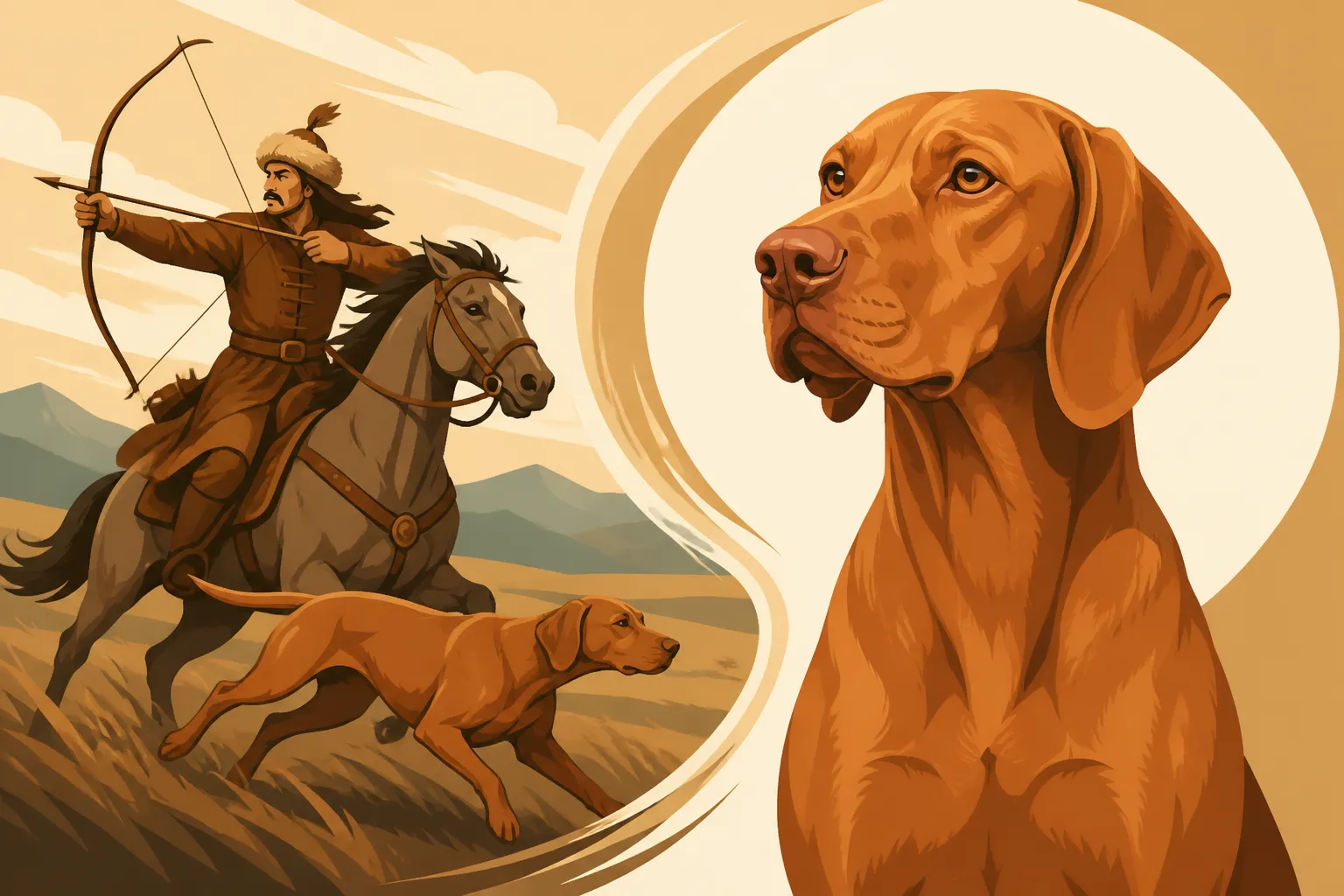
The Magyars were a semi-nomadic, equestrian people who migrated from the Eurasian steppes, eventually settling in the Carpathian Basin around the 9th century AD, which would later become Hungary. Their early existence was defined by hunting, herding, and raiding. They were skilled horsemen and archers, and their survival depended heavily on their ability to procure food and defend their territory. Imagine a vast, open landscape, dotted with temporary settlements, where a close bond between human and animal was not just a luxury but a necessity for everyday life. Their dogs weren't just pets; they were integral members of the tribe, working alongside them in various capacities. The very land they settled in became intertwined with their identity and, eventually, with the development of specific dog breeds.
Their nomadic lifestyle meant that their possessions, including their animals, had to be practical and resilient. They didn't have the luxury of supporting animals that couldn't contribute meaningfully. Every dog had to earn its keep, whether by guarding livestock, tracking game, or alerting to danger. This selective pressure over generations naturally favored dogs with specific traits: keen senses, endurance, and a strong prey drive. These were the hallmarks of a good hunting companion, capable of keeping up with mounted hunters and adapting to diverse terrain and prey.
The Dogs of the Nomadic Tribes
The Magyars certainly brought dogs with them during their migrations. These weren't "Vizslas" as we recognize them today, but rather various types of hunting and herding dogs that had evolved alongside their nomadic owners. These dogs would have been descendants of ancient Eurasian hunting dogs, already adapted to a life on the move and capable of working in concert with humans. They were likely multi-purpose dogs, able to flush game, retrieve fallen birds or small mammals, and offer protection against predators or rival tribes. The emphasis would have been on utility and hardiness, rather than specific aesthetic traits.
The concept of a purebred dog, with a defined appearance and predictable temperament, is a relatively modern invention. In ancient times, dogs were bred for function. The "dogs of the Magyars" would have been a diverse group, but those that excelled at hunting, tracking, and pointing would have been highly valued. It's within this pool of functional hunting dogs that we find the deep roots of the Vizsla. These ancient dogs laid the genetic and behavioral groundwork upon which the more refined Vizsla breed would eventually be built. This foundational stock was essential, much like how a modern working dog owner might consider specific nutritional needs, stocking up on high-energy kibble from a place like Chewy, to ensure their dog has the fuel for demanding work.
Tracing Early Vizsla-like Dogs Through History
While the specific "Vizsla" breed as registered today didn't exist a millennium ago, there's compelling evidence of dogs with very similar characteristics coexisting with the Magyar people. These historical clues help us understand the lineage and the continuous development that led to our modern companions.
Visual Evidence and Historical Accounts
Archaeological finds and early artistic depictions offer tantalizing glimpses into the past. Stone carvings and early illustrations found in the Carpathian Basin show dogs that bear a striking resemblance to the Vizsla type – lean, muscular, with upright ears (though ear cropping practices varied throughout history). These images suggest that a distinct type of hunting dog, well-suited to the region's game and the Magyar hunting style, was present and highly valued. While these aren't photographs of "Vizslas," they depict dogs that share the fundamental build and stance we associate with the breed's ancestors. This visual history helps us trace The Stone Carvings That Show Early Vizslas.
Beyond visual art, some historical texts, albeit sparse and often open to interpretation, mention hunting dogs owned by Hungarian nobility and commoners. These descriptions often highlight their keen scenting abilities, speed, and their distinctive coloration, which was often described as yellow, reddish, or "golden." While a specific "Vizsla" name might not appear until much later, the consistent mention of such dogs points to a continuous lineage of a particular hunting type within the region. The evolution of these descriptions over centuries provides a narrative thread connecting the ancient past to the recognizable breed of today.
Traits Desired in a Hunter's Dog
The Magyars' hunting style, often involving horse and falconry, required a dog with a specific set of attributes. They needed a dog that could work in partnership, covering ground efficiently, locating game, and holding a point. This pointing instinct, where a dog freezes and indicates the location of game, was incredibly valuable before the advent of firearms, allowing hunters to net birds or approach with bows. The ancestors of the Vizsla would have possessed these innate abilities. Their short coats would have been an advantage in the dense scrub and tall grasses, reducing entanglement and making them less susceptible to burrs, a constant issue for working dogs even today, often requiring a good grooming brush that could be found on Chewy.
Consider the prey: pheasants, partridges, and other upland birds were abundant. A dog that could methodically quarter a field, use its nose to find birds, and then "stand" them (point) was an invaluable asset. Speed and stamina were also crucial for keeping up with the mounted hunters and for retrieving game over long distances. These traits, honed over centuries of natural and selective breeding for function, are precisely what define the modern Vizsla. This historical demand for versatile hunting skills helps explain The Magyar Hunting Dogs Behind the Vizsla and why these dogs became so deeply integrated into Hungarian hunting culture.
The Long Evolution from Ancient Ancestor to Modern Vizsla
The journey from a general "Magyar hunting dog" to the specific breed we know and cherish as the Vizsla was a long and complex one, shaped by centuries of cultural shifts, breeding practices, and even geopolitical events.
The Long Road of Selective Breeding
The dogs of the Magyars were undoubtedly the foundational stock for the Vizsla. Over generations, hunters and noblemen in Hungary would have selectively bred the best of these dogs – those with the keenest noses, the strongest pointing instincts, the most biddable temperaments, and the distinctive golden-rust coloration. This wasn't a formal process with breed standards initially, but rather a practical, functional selection. The goal was to produce superior hunting partners. As feudal systems developed and specific hunting estates emerged, breeding efforts likely became more focused within certain noble houses, further refining the characteristics. This kind of dedicated breeding is how specific traits become fixed and define a breed.
This ongoing selection for specific hunting abilities, coupled with a preference for a particular appearance, gradually sculpted the Vizsla into something distinct. The breed's unique "golden rust" coat, often considered a hallmark, might have developed as a form of camouflage in the sun-drenched fields of Hungary, or simply as a favored aesthetic. This process of refinement continued through the centuries, even as the breed faced periods of near extinction. It’s a testament to their utility and beauty that efforts were always made to preserve them. The very fact that The Vizsla Came Back From Extinction Twice speaks volumes about the enduring value placed on these dogs.
Distinguishing Ancient "Ancestors" from the Breed Standard
It's important to differentiate between "Vizsla ancestors" and the modern "Vizsla" breed. The dogs hunting with the Magyars in the 9th century were the genetic predecessors, possessing many of the raw traits. However, they wouldn't have met the strict breed standard we have today, which was formalized much later, in the late 19th and early 20th centuries. The modern Vizsla has a precisely defined look, temperament, and set of expected abilities, all enshrined in a breed standard that guides breeders today. Things like The Golden Rust Color Only a Vizsla Wears are now non-negotiable for a show-quality Vizsla.
Think of it this way: your great-great-grandparents are your ancestors, but they aren't you. They passed on their genes, their resilience, and perhaps some of their characteristics, but you are a distinct individual shaped by subsequent generations and modern influences. Similarly, the ancient Magyar hunting dogs were the raw clay, and centuries of purposeful breeding, adaptation, and formalization molded that clay into the recognizable and beloved Vizsla breed we know. The bond between human and hunting dog, however, remained a constant thread through this long evolutionary journey.
| Characteristic | Ancient Magyar Hunting Dogs (approx. 9th Century) | Modern Vizsla (20th Century onwards) |
|---|---|---|
| Breeding Focus | Function, survival, adaptability | Function, specific breed standard, aesthetics, temperament |
| Appearance | Diverse, generally lean, fast, keen-sensed | Uniform golden-rust, lean, muscular, specific head shape |
| Temperament | Loyal, intelligent, biddable, high prey drive | Highly affectionate, sensitive, intelligent, high drive |
| Role | Multi-purpose hunter, guard, companion | Pointing gun dog, family companion, performance dog |
| Genetic Purity | Mixed, locally adapted populations | Closed studbook, pedigreed lines |
| Recognition | Tribal/regional utility | International breed club recognition |
Unraveling the Historical Narrative
Understanding the Vizsla's connection to the Magyars involves piecing together fragments of history, from oral traditions to more formal records, and even utilizing modern scientific tools.
The Oral Traditions and Written Records
Many of the stories about the Vizsla's origins, like those suggesting they were solely Whether the Vizsla Was a Nobleman's Dog, come from a blend of oral tradition, folklore, and romanticized historical accounts. These tales often emphasize the dog's loyalty, bravery, and unique qualities, elevating them beyond mere animals to almost mythical status. While these narratives might not be historically accurate in every detail, they capture the deep cultural significance of these dogs to the Hungarian people. The Vizsla was, and remains, a symbol of Hungarian heritage.
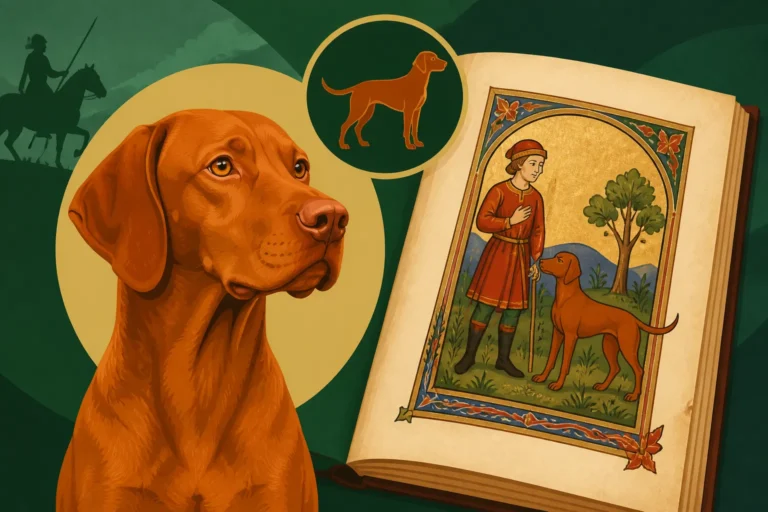
As written records became more common, especially during the Middle Ages, references to hunting dogs in Hungary provided a more concrete timeline. These records, though still not explicitly naming the "Vizsla," describe dogs that were clearly the direct ancestors of the breed, valued for their pointing ability and their close working relationship with hunters. It's during this period that we can infer a continuous line of descent, rather than a sudden creation of the breed. Examining these historical records helps us determine Which Century the Vizsla First Appears In as a recognizable type. We can also look for details like Whether Vizslas Appear in Medieval Hungarian Texts to support these connections.
Modern Genetics and Lineage Tracing
In recent decades, advancements in canine genetics have provided new tools for understanding breed origins. While direct DNA evidence from 9th-century dogs is scarce, genetic studies on modern Vizslas and other ancient European hunting breeds can reveal common ancestry and genetic bottlenecks. These studies confirm that the Vizsla possesses a unique genetic signature, reflecting its long history within the Carpathian Basin and its relative isolation until more modern times. They also help differentiate the Vizsla's lineage from other pointing breeds that developed elsewhere in Europe.
While genetics can tell us about shared ancestry and divergence, they don't always paint a complete picture of the how and why specific traits were selected by ancient people. However, combined with historical and archaeological evidence, modern science reinforces the idea that the Vizsla's lineage is indeed deeply intertwined with the Magyar people and their hunting culture. From the early nomadic encampments where survival depended on keen-sensed dogs, to the noble estates where selective breeding refined their skills, the Vizsla's journey is a rich tapestry of history, utility, and companionship. It's truly fascinating how a dog's history can stretch back so far, influencing even how we approach their care today, ensuring they have the best nutrition and exercise, with easy access to quality food from retailers like Chewy.
The answer, then, is a resounding yes, the Magyars absolutely hunted with the ancestors of the Vizsla. These were not the formally recognized Vizslas of today, but their direct predecessors – dogs that shared the same spirit, intelligence, and hunting prowess that we see in the breed today. They were hardy, adaptable, and essential companions, laying the groundwork for the magnificent breed that carries their legacy forward into the modern world. Every time you see a Vizsla gracefully moving through a field or cuddling close on the sofa, you're looking at a living piece of Hungarian history, a direct descendant of those ancient hunting partners. Caring for such a historically rich breed is a commitment, requiring attention to details from their exercise needs to ensuring they have a comfortable, warm bed, perhaps one of the many options available on Chewy, especially since their single coat offers less protection.
Disclaimer
This article is for general informational purposes only and does not constitute professional advice. Laws, prices and regulations vary by location and change over time. Consult a qualified professional for guidance on your specific situation.