Whether a Black Nose Disqualifies a Vizsla
It can be incredibly confusing and even a little disheartening when you’re learning all about a specific dog breed, like our beloved Vizslas, and you come across strict rules about their appearance. You might see a beautiful Vizsla with a nose that looks perfectly fine to you, only to read somewhere that a black nose is a "disqualification." This guide is here to untangle that particular mystery, explaining what breed standards mean for nose color, why it matters in certain circles, and what it truly means for the wonderful Vizsla you might share your life with.
The Distinctive Vizsla Look and Standard Pigmentation
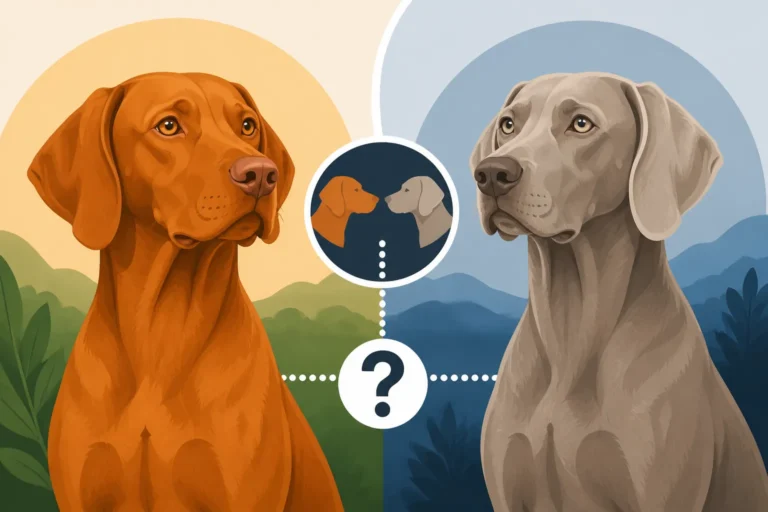
When you picture a Vizsla, a very specific image comes to mind, doesn't it? That striking, rich golden-rust coat, those intelligent amber eyes, and a nose that perfectly blends in, almost like it was carved from the same warm-toned wood. This cohesive, self-colored appearance is actually a hallmark of the breed, a defining characteristic that has been carefully preserved over generations. The official breed standards, which are essentially the blueprints for what an ideal Vizsla should look like, are very particular about this.
The Golden Rust Hue and Matching Pigmentation
The golden-rust coat is perhaps the most famous visual trait of the Vizsla. It’s not just any red or brown; it's a specific, deep, and lustrous shade that gives them their regal and distinctive look. But it’s not just the coat that has this beautiful hue. The breed standard calls for what’s known as "self-colored" pigmentation. This means that a Vizsla’s nose, eye rims, and lips should all match the golden-rust color of their coat, or at least be a slightly darker shade, creating a harmonious and seamless appearance. It's this uniformity in color that contributes significantly to the breed's aesthetic appeal and unique identity. When you look at a classic Vizsla, everything just fits. The eyes are often described as amber or complementing the coat, further enhancing this natural, earthy palette. This consistency is something breeders strive for, and it's a huge part of what makes a Vizsla, well, a Vizsla. You might find some excellent grooming supplies for maintaining that glorious coat on Chewy, alongside nose balms that can help keep your Vizsla's beautiful self-colored nose healthy and moisturized, especially if they spend a lot of time poking around in the field.
Why a Black Nose is a Disqualification
Now, let's get to the heart of the matter: the black nose. For a Vizsla, a black nose is considered a serious departure from the breed standard, so serious, in fact, that it’s listed as a "disqualification" in the show ring. This isn't just about personal preference; it's rooted in the breed's history and genetics. The original breeders of the Vizsla worked diligently to establish and maintain a pure gene pool that produced this consistent golden-rust pigmentation. A black nose suggests an outcross to another breed at some point in the dog's lineage, or the presence of genes not considered typical for the Vizsla. In the world of purebred dog shows, maintaining the integrity of the breed standard is paramount. A disqualifying fault means that the dog cannot be awarded any points or titles in conformation events, regardless of how otherwise perfect its structure or temperament might be. It’s not a judgment on the dog’s worth or health, but purely a statement on its adherence to a very specific, historical physical ideal. To understand more about what defines the breed, you might be interested in reading The Golden Rust Color Only a Vizsla Wears. The question of Why a Vizsla's Nose Matches Its Coat is also very relevant here.
Understanding Breed Standards and Their Purpose
Breed standards, established by kennel clubs like the American Kennel Club (AKC), are detailed descriptions of the ideal specimen of a breed. They cover everything from height and weight to coat texture, eye color, tail set, and, yes, nose pigmentation. Their primary purpose is to preserve the unique characteristics and genetic purity of each breed, guiding breeders in their efforts to produce dogs that conform to the historical and functional type. For many, these standards are what define the beauty and heritage of a breed.
The Difference Between a Fault and a Disqualification
In the context of breed standards, it's crucial to understand the distinction between a "fault" and a "disqualification."
A fault is a deviation from the ideal, a characteristic that is undesirable but doesn't completely preclude a dog from participating in conformation events. Faults are typically graded in severity – a minor fault might cost a dog a few points, while a major fault could significantly hinder its chances of winning. For example, a slightly too-pale coat or eyes that are a touch too light might be considered faults in a Vizsla. These are still Vizslas through and through, just not quite "perfect" by the standard.
A disqualification, on the other hand, is a characteristic so contrary to the breed standard that it renders the dog ineligible for awards in conformation shows. It’s a hard line. For Vizslas, a black nose falls into this category, as do significant white markings beyond a small chest patch or white on the toes. A dog with a disqualifying fault is simply not considered a standard example of the breed in the show ring. This doesn't mean the dog is lesser; it just means it doesn't fit the very narrow definition of what the breed should look like according to established rules. You might wonder, for instance, Whether White Markings Are Allowed on a Vizsla, which touches on another area of strict standards.
Impact on Hunting and Pet Vizslas
For the vast majority of Vizsla owners, particularly those who choose their dogs primarily as companions or for hunting purposes, a black nose has absolutely no practical impact. A Vizsla with a black nose will hunt with the same fervor, cuddle with the same intensity, and demand exercise with the same boundless energy as one with a self-colored nose. The ability to point, retrieve, track, or offer unwavering loyalty isn't tied to nose pigment. If anything, a non-standard feature might mean that a puppy is available for a lower price from a reputable breeder who prioritizes temperament and health above show ring perfection. These dogs are just as capable in the field and just as loving in the home. Many fantastic field trial dogs might have minor faults that don't affect their working ability but would keep them out of the show ring. After all, the Vizsla was built for work and companionship, not just parades. For tips on nurturing your Vizsla for its true purpose, consider reading The Household a Vizsla Was Built For, which explores the breed's intended role beyond just looks. And remember, whether your Vizsla is a show dog or a beloved couch potato, you'll find plenty of nutritious food options on Chewy to fuel their active lifestyle.
Genetic Realities and Historical Context
The strictness around the Vizsla’s self-colored nose stems from the breed’s very origins and the careful selection process that brought them back from near extinction. The genetic makeup that dictates coat and nose color is fascinating and plays a huge role in maintaining breed identity.
Genetics of Pigmentation
The golden-rust color in Vizslas is due to a specific combination of genes that produce pheomelanin, the red/yellow pigment. Critically, the gene responsible for black pigment (eumelanin) is typically absent or modified in Vizslas in a way that allows the liver/brown pigment to be expressed, not black. This is why Vizslas have amber eyes and liver-colored noses, rather than black. A black nose would indicate the presence of a dominant black gene (specifically at the B locus for solid black, or other modifier genes) that is not part of the standard Vizsla genetic profile. Such a gene is common in breeds like Labradors (black labs), German Shorthaired Pointers, or Weimaraners (though Weimaraners have blue/grey noses), but not the Vizsla. The consistency of the Vizsla’s appearance is a testament to focused breeding over many decades. To appreciate how this consistency was achieved, understanding How Many Dogs the Vizsla Was Rebuilt From provides critical context.
The Importance of Selective Breeding
For ethical and dedicated breeders, selective breeding isn't just about aesthetics; it's about preserving the breed's health, temperament, and working abilities, alongside its distinct look. When a breed standard specifies something like nose color, it's often to maintain the genetic purity and avoid introducing traits from other breeds that might compromise the Vizsla's unique characteristics. If breeders started to tolerate black noses in the show ring, it could open the door to less rigorous breeding practices, potentially diluting the breed's genetic distinctiveness over time. Reputable breeders meticulously research pedigrees and perform genetic health testing to ensure they are producing sound, healthy puppies that conform to the standard. They would typically avoid breeding a dog with a disqualifying fault, not because the dog itself is "bad," but because they are committed to upholding the standard for future generations. This diligence is why you see such consistent quality from good breeders. This also means that when you're looking for a puppy, the breeder will often be very clear about how they pick the best match for you, and you might find yourself asking Whether a Vizsla Breeder Picks the Puppy based on these precise standards.
Living with a Vizsla with "Non-Standard" Markings
Let's be clear: a Vizsla with a black nose is still 100% a Vizsla at heart. It will possess all the wonderful traits and quirks that make this breed so special – its intense devotion, its endless energy, its desire to be your shadow. The "disqualification" is a term relevant only to the show ring, not to the dog's intrinsic value or ability to be a beloved family member or a fantastic hunting partner.
Health and Temperament First
When choosing a Vizsla, or any dog for that matter, health and temperament should always be your top priorities, far above cosmetic details like nose color. A well-bred Vizsla from health-tested parents, with a stable and friendly disposition, will bring far more joy and fewer heartaches than a "perfect" show dog with underlying health issues or behavioral problems. Ensure your puppy's parents have had all the recommended health clearances, such as hip and elbow evaluations, eye exams, and thyroid screenings. These are far more indicative of a happy, long-lived companion than the precise shade of their nose. A good breeder will talk to you openly about the health history of their lines, and you should always inquire about The Health Tests Both Vizsla Parents Should Have. Whether your Vizsla has a liver nose or a black one, keeping them healthy with quality food and supplements is key. You can find a wide range of premium dog food brands, including those formulated for sensitive stomachs, at Chewy.
Finding a Reputable Breeder
If you’re looking for a Vizsla, it’s vital to find a reputable breeder who focuses on the whole dog – health, temperament, and adherence to the standard. They will be transparent about any deviations from the standard in their puppies, and explain what a "disqualification" means without making you feel like the dog is somehow less worthy. They'll likely have a comprehensive puppy contract and be a lifelong resource for you. If a puppy has a black nose, a reputable breeder will typically place it in a pet home with a limited registration, meaning it cannot be bred or shown in conformation, but can still compete in performance events like hunt tests, obedience, or agility. This ensures that only dogs that fully meet the standard for appearance are used in breeding programs to maintain the breed's integrity. Don't be afraid to ask questions; a good breeder welcomes them. They are passionate about their dogs and want to ensure their puppies go to the best possible homes.
| Feature | Show Ring Perspective | Pet/Hunting Home Perspective |
|---|---|---|
| Nose Color | Must be self-colored (golden-rust/liver). Black is a disqualification. | No impact on health, temperament, or working ability. Cosmetic only. |
| Eye Color | Amber or darker, complementing coat. | No impact on vision unless health issue. Aesthetic. |
| Coat Color | Solid golden-rust; specific shade. | Does not affect skin health or shedding. Aesthetic. |
| White Markings | Small patch on chest acceptable; white elsewhere is a fault/disqualification. | Does not affect health or temperament. Aesthetic. |
| Temperament | Sound, confident, steady. | Essential for a happy life together, paramount. |
| Health | Requires health clearances (hips, eyes, etc.). | Crucial for quality of life and longevity. |
In conclusion, while a black nose is indeed a disqualifying fault for a Vizsla in the conformation show ring, it is purely a cosmetic distinction tied to breed standards and genetic purity. It does not affect a Vizsla's health, its loving temperament, or its incredible abilities as a hunting dog or cherished family member. The most important thing is a healthy, happy Vizsla from a responsible breeder, regardless of a minor aesthetic deviation.
Disclaimer
This article is for general informational purposes only and does not constitute professional advice. Laws, prices and regulations vary by location and change over time. Consult a qualified professional for guidance on your specific situation.