What Two World Wars Did to the Vizsla
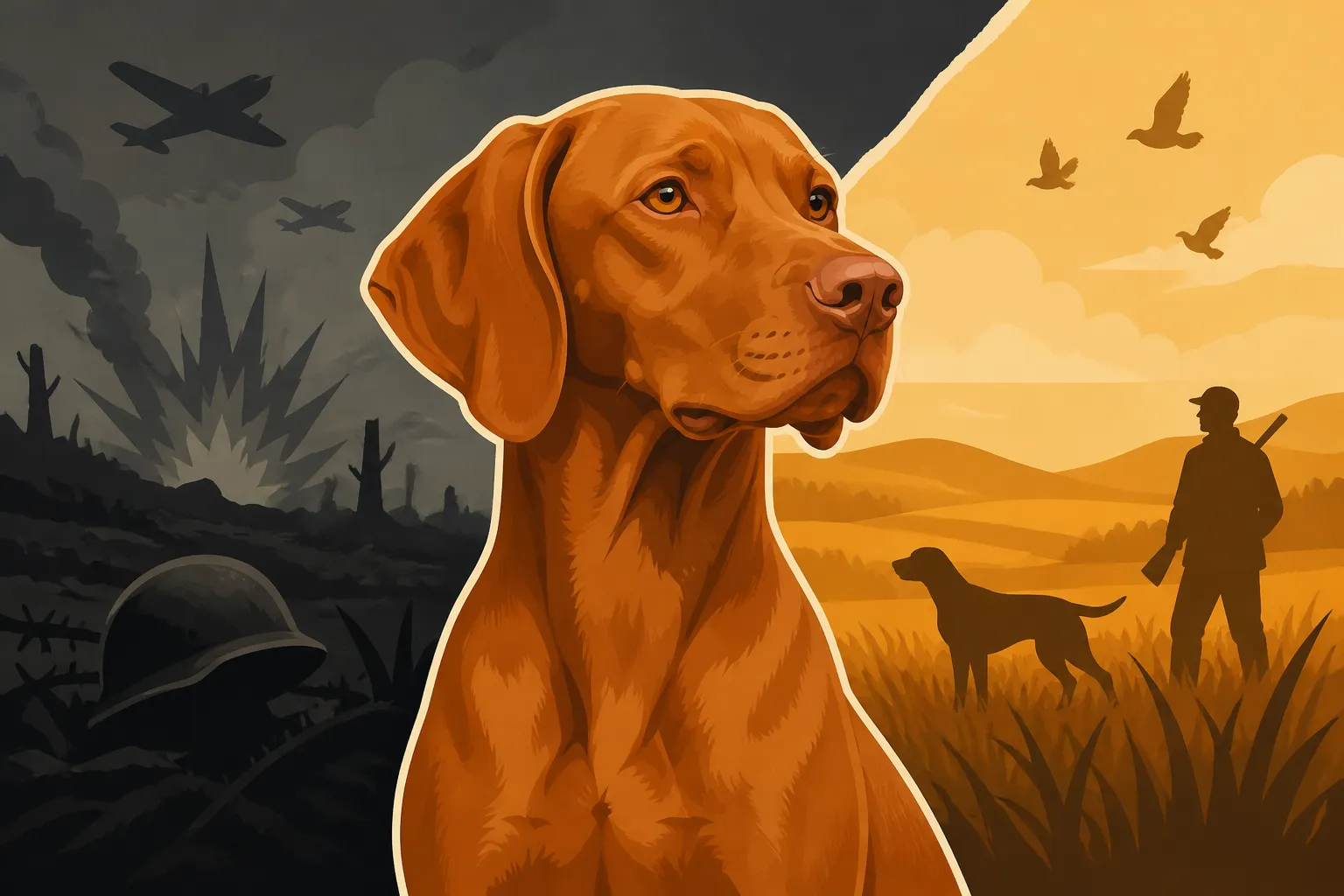
It’s truly heartbreaking to think that a breed as magnificent and spirited as the Vizsla almost vanished from the face of the earth, not once, but twice. For those of us who share our lives with these incredible dogs, it's hard to imagine a world without their loyal companionship and boundless energy. This breed has faced immense adversity, surviving not only internal struggles but also the devastating global conflicts of the 20th century. This guide will explore the profound impact of both World War I and World War II on the Vizsla breed, tracing their harrowing journey from the brink of extinction to their remarkable resurgence, and how these historical events continue to shape the breed we know and love today.
A Legacy of Resilience: The Vizsla Before the Great Wars
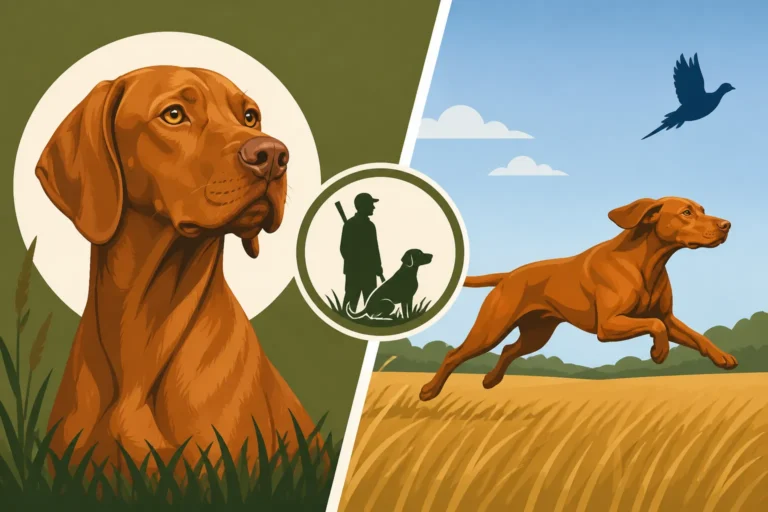
Before the thunder of global conflicts shook the world, the Vizsla was already a breed with a rich, albeit somewhat tumultuous, history deeply intertwined with the Hungarian nobility and the demanding art of falconry and hunting. They were highly prized working dogs, known for their distinctive golden-rust coat, incredible scenting ability, and a temperament that made them both fierce hunters and gentle companions. Their existence was already precarious, having faced near extinction by the turn of the 20th century.
Hungarian Nobility and Hunting Traditions
For centuries, the Vizsla served as a noble companion, a versatile gundog integral to the hunting estates of Hungarian aristocrats. These dogs were bred for their exceptional abilities in the field, excelling at pointing, retrieving, and tracking, often working in tandem with falcons. Their unique color provided camouflage in the autumnal Hungarian landscape, making them perfectly suited for working game birds like partridge, pheasant, and quail. This deep connection to a specific class and a particular way of life, while giving them status, also made them vulnerable to societal shifts. When the nobility's fortunes waxed and waned, so too did the Vizsla's.
The very nature of their role meant they were not dogs for the common person; their breeding was carefully controlled within these estates. This exclusivity meant smaller, more isolated gene pools, a factor that would play a significant role in their struggles during times of upheaval. The purity of their lines was a point of pride, but also a potential weakness, as The Magyar Hunting Dogs Behind the Vizsla often faced strict breeding parameters.
Early Efforts at Breed Preservation
By the late 19th and early 20th centuries, several breeds faced decline due to changing hunting practices and the introduction of foreign breeds. The Vizsla was no exception. By 1900, the breed was in dire straits, with their numbers dwindling alarmingly. A dedicated group of Hungarian enthusiasts, recognizing the unique qualities and historical significance of the Vizsla, launched a concerted effort to save them. This was a crucial period of formalizing the breed standard and registering remaining dogs, attempting to consolidate their genetic resources.
This pre-war period of deliberate preservation involved scrupulous record-keeping and strategic breeding to broaden the genetic base from the few remaining specimens. It was a race against time, a passionate endeavor to ensure the survival of this national treasure. Many believe that this initial rescue was just as critical as the later post-war efforts, as it laid the groundwork for any future recovery. Without this foresight, the breed might not have had enough of a foundation to withstand the coming storms. This period taught breeders the immense value of every single healthy Vizsla.
World War I: The First Great Challenge
The outbreak of World War I in 1914 plunged Europe into chaos, and Hungary, as part of the Austro-Hungarian Empire, was deeply embroiled. For a breed so intrinsically tied to its country and its people, the war brought unimaginable hardship and set back the fragile efforts of preservation dramatically.
Disrupted Breeding and Loss of Stock
The war demanded resources, attention, and manpower. Breeding dogs, especially specialized hunting breeds, became a luxury that few could afford. Many breeders were called to the front lines, leaving their kennels unattended or forcing them to make impossible choices about their dogs. Food became scarce, and maintaining proper facilities was nearly impossible. As a result, systematic breeding programs collapsed. The careful selection and intentional pairings that were so vital to the Vizsla's recovery were abandoned.
Not only were breeding efforts halted, but many Vizslas, like other large dogs, were often pressed into service for military purposes. They served as messenger dogs, sentries, or even as pack animals, facing the brutal realities of trench warfare. Many perished from injury, disease, or starvation. Those left behind in civilian homes faced similar challenges, as families struggled to feed themselves, let alone a large, active dog. It was a grim time, where the continuation of a breed felt trivial amidst the widespread human suffering.
Economic Hardship and Displaced Families
The economic devastation wrought by the war had a profound ripple effect on dog ownership. Inflation soared, and basic necessities became luxuries. Owning and feeding a Vizsla, a dog requiring ample exercise and a good diet, became an insurmountable burden for many. Families were displaced, their homes destroyed, and their lives uprooted. In such desperate circumstances, dogs were often abandoned or euthanized simply because their owners could no longer care for them. This wasn't a reflection of their love for the dogs, but a harsh reality of survival.
The stress and instability of the war years meant that the meticulous record-keeping, pedigrees, and health checks that define responsible breeding were cast aside. Many lines were lost forever, their history disappearing with their owners or scattered to the winds of war. It was a period of fragmentation, where the communal effort to preserve the breed disintegrated into individual struggles for survival.
The Interwar Period: A Glimmer of Hope
Following the end of World War I, Europe slowly began to rebuild. For the Vizsla, this period, roughly from the early 1920s to the late 1930s, offered a crucial window of opportunity for recovery and renewed dedication to their preservation. This was a vital period where the breed managed to gain some footing, establishing a stronger presence before the next inevitable global catastrophe.
Renewed Interest and Formal Recognition
As peace returned and economies stabilized, albeit temporarily, interest in traditional Hungarian breeds like the Vizsla was rekindled. A sense of national pride often accompanies recovery from war, and for Hungary, the Vizsla represented a cherished part of their heritage. Enthusiasts once again banded together, determined to ensure the breed’s future. The Hungarian Kennel Club formally recognized the Vizsla breed in 1935, a monumental step that solidified its status and provided a framework for organized breeding and showing.
This formal recognition was incredibly important. It provided a standard for breeders to work towards, encouraged registration, and helped to track bloodlines that had become fractured during the war. It was a signal that the Vizsla was more than just a hunting dog; it was a national treasure worth investing in and preserving for future generations. This period saw the first real effort to create a consistent, healthy type across the country, building on the sparse genetic material that remained.
Dedicated Breeders and International Interest
Despite the recent hardships, a core group of dedicated breeders worked tirelessly during these interwar years. They sought out surviving Vizslas, carefully evaluating them for temperament, health, and adherence to the nascent breed standard. They understood the delicate balance of preserving the breed's working instincts while also ensuring genetic diversity from a limited pool. This commitment was paramount, as they often faced lingering economic difficulties and the immense challenge of rebuilding lines from very few foundation dogs.
Beyond Hungary's borders, a nascent interest in the Vizsla began to stir. Reports of their exceptional hunting prowess and affectionate nature started to reach other parts of Europe and even America. While not yet widespread, this burgeoning international recognition hinted at a future beyond their homeland, a decentralization that would prove serendipitous when the next war arrived. These connections, however faint, would later become lifelines for the breed. How Many Dogs the Vizsla Was Rebuilt From prior to this point illustrates just how critical every single dog became.
| Period | Key Event | Impact on Vizsla Breed | Resilience Level |
|---|---|---|---|
| Pre-1914 | Tied to nobility, first preservation efforts | Small, dedicated gene pool, valued but vulnerable | Fragile |
| 1914-1918 (WWI) | Global conflict, economic collapse, conscription | Breeding halted, many dogs lost to war/starvation, records lost, near extinction | Critically Low |
| 1918-1939 (Interwar) | Peace, Hungarian Kennel Club recognition 1935 | Renewed breeding, formalized standards, some international interest, slight recovery | Moderate (rebuilding) |
| 1939-1945 (WWII) | Global conflict, Soviet occupation, devastation | Extreme loss, targeted extermination, smuggling efforts, second near extinction | Catastrophic |
| Post-1945 | Iron Curtain, continued smuggling, US arrival | Spread of limited genetic stock, international rescue, foundation of modern lines | Growing (global) |
World War II: The Brink of Annihilation
Just as the Vizsla breed was beginning to find its feet again, the world erupted into an even more destructive conflict. World War II, spanning from 1939 to 1945, proved to be an even greater catastrophe for the Vizsla, pushing them once more to the precipice of non-existence. This time, the threat was not just collateral damage but, in some cases, targeted destruction, particularly with the subsequent Soviet occupation.
Occupation and Destruction
Hungary’s involvement in World War II, and its eventual occupation, led to widespread destruction of infrastructure, homes, and entire communities. The war front moved across the country, leaving devastation in its wake. Kennels and breeding facilities were destroyed, and dog owners faced unimaginable circumstances. Many Vizslas were caught in the crossfire, killed by bombs, artillery, or simply starved as food supplies dwindled to nothing.
The political climate also became incredibly dangerous. Owning a symbol of Hungarian heritage, especially a dog historically associated with the aristocracy, could be seen as politically undesirable or even treasonous by occupying forces. This forced owners to make desperate choices to hide their dogs, often at great personal risk. The ability to move freely with a dog, let alone continue breeding, became almost impossible. What Two World Wars Did to the Vizsla isn't just about direct conflict; it's about the systemic breakdown that made animal welfare impossible.
Hiding and Protecting Lines
Against this backdrop of devastation, extraordinary efforts were made by dedicated individuals to save the Vizsla. Breeders and owners risked their lives to hide their dogs from invading forces, often sheltering them in barns, remote farmhouses, or even within their own homes, attempting to keep them safe and fed in secret. These acts of quiet heroism were crucial. Imagine trying to keep a high-energy dog like a Vizsla quiet and hidden for weeks or months, scrounging for every scrap of food, all while fearing discovery. It speaks volumes about the deep bond between humans and these dogs.
One of the most famous stories from this period is that of Panni XV, a Vizsla female who was smuggled out of Hungary in a nail keg by her owner. This desperate act, and others like it, highlights the extreme measures taken to ensure the survival of these precious dogs. The Vizsla Named Panni XV Carried Out of Hungary represents the desperate hopes of many breeders that their beloved lines would not be completely eradicated. These few smuggled dogs formed critical foundation stock for the breed in new lands.
The Aftermath: Smuggling and New Beginnings
The end of World War II did not immediately bring peace and stability to Hungary or its Vizslas. The country fell under Soviet influence, and the Iron Curtain descended, making it incredibly difficult to openly breed or export the dogs. This post-war period became another chapter in the Vizsla's fight for survival, characterized by daring escapes and the establishment of new bloodlines abroad.
Escaping the Iron Curtain
Under Soviet occupation, the political climate remained hostile to anything considered a symbol of pre-war Hungarian aristocracy, including the Vizsla. Many breeders feared for the future of their dogs and sought any opportunity to get them out of the country. This led to a wave of clandestine operations, with Vizslas being smuggled across borders, hidden in vehicles, or transported under the cover of darkness. These were perilous journeys, not just for the people involved but for the dogs themselves, who faced stress, hunger, and fear.
Those who succeeded in spiriting their dogs out of Hungary carried with them not just animals, but the hope of a genetic legacy. These dogs, few in number and often unrelated, became the building blocks for the breed in Western Europe and North America. Why the Soviets Were a Problem for the Vizsla goes beyond direct conflict, showing how political ideology could threaten an entire breed's existence.
Establishing New Bloodlines Abroad
The dogs that made it out of Hungary, though genetically limited, were invaluable. Breeders in countries like Austria, Italy, and eventually the United States, took on the monumental task of rebuilding the Vizsla population. These individuals, often working with only a handful of dogs, carefully established breeding programs, focusing on preserving the distinctive traits and working abilities that made the Vizsla so special.
The arrival of the first Vizslas in the United States in the late 1940s and early 1950s marked a pivotal moment. The breed quickly gained recognition and admirers, leading to the formation of dedicated clubs, like the Vizsla Club of America. This geographical dispersal was ultimately a blessing, as it ensured that even if something catastrophic were to happen in one region, the breed's future was secured elsewhere. The careful nurturing of these early imports, ensuring their health and proper socialization, laid the groundwork for the thriving Vizsla population we see today. It must have been a huge challenge for these new owners to source everything they needed, a far cry from the convenience of ordering supplies from a place like Chewy now.
The Lasting Legacy on the Modern Vizsla
The incredible journey of survival through two world wars has left an indelible mark on the Vizsla breed. While they are now a beloved and popular dog worldwide, the genetic bottlenecks and selective pressures they endured continue to influence their health and characteristics to this day. Understanding this history gives us a deeper appreciation for their resilience and the ongoing responsibility of breed preservation.
Genetic Bottlenecks and Health Implications
The repeated near-extinction events and the reliance on a very small number of founder dogs, particularly those that survived World War II and were then smuggled out, created what is known as a genetic bottleneck. This means that the genetic diversity within the breed is relatively limited. While breeders have worked tirelessly to expand the gene pool since, some of the consequences of this history are still seen today.
A reduced gene pool can lead to a higher prevalence of certain inherited conditions. For Vizslas, this often manifests in a propensity for specific health issues, including certain immune-mediated diseases, some cancers, and sensitivities. This is why it’s so crucial for modern breeders to conduct thorough health testing and to make informed breeding decisions to maintain and improve genetic diversity. For owners, this means being vigilant about their Vizsla's health and seeking out quality nutrition, perhaps even specialized diets or supplements readily available from retailers like Chewy, to support their well-being. Why Vizslas Carry So Much Immune Disease is a direct consequence of this historical bottleneck.
Enduring Temperament and Instincts
Despite (or perhaps because of) the trauma their ancestors faced, the Vizsla's core temperament remains remarkably consistent. They are still known for their intense loyalty, their "Velcro" nature, and their deep need for human companionship. This strong bond with people might have been a survival mechanism in those desperate times, where their connection to their human family was their only hope. These dogs instinctively cling to their owners, a trait that makes them wonderful family dogs but can also lead to separation anxiety if not properly managed.
Their natural hunting instincts, honed over centuries and persevered through hardship, also remain strong. Even pet-bred Vizslas often display an innate desire to point and retrieve. The resilience and adaptability required to survive the wars are reflected in their energetic, intelligent, and determined personalities. This enduring spirit is a testament to the hardiness and character of the breed, a reminder of the challenges they overcame. The Vizsla That Sits On You Rather Than Beside You is not just a cute trait, it's a deep-seated part of their survival DNA.
The Responsibility of Modern Ownership and Breeding
Knowing the Vizsla's history places a unique responsibility on modern owners and breeders. Every Vizsla is a living testament to extraordinary perseverance. For breeders, it means a continued commitment to ethical practices, health screening, and careful selection to protect and enhance the breed's genetic health. This includes utilizing available health databases and understanding pedigree lines deeply.
For owners, it means appreciating the profound history behind their beloved companion. It means providing not just love and care, but also the extensive exercise and mental stimulation that these intelligent, active dogs require. It's about understanding that their "Velcro" nature isn't clinginess but a deeply ingrained trait born of survival. Ensuring a Vizsla's well-being today, from the food they eat (which can easily be delivered from online stores like Chewy) to the vet care they receive, honors the memory of those who fought so hard to keep the breed alive through the darkest of times.
Disclaimer
This article is for general informational purposes only and does not constitute professional advice. Laws, prices and regulations vary by location and change over time. Consult a qualified professional for guidance on your specific situation.