Whether an Old Vizsla’s Coat Thins
It’s a bittersweet thing to watch our beloved Vizslas age. One day they’re boundless puppies, then suddenly they’re the wise old souls curled by our feet, and with that wisdom often come physical changes. Many Vizsla owners notice their senior dog’s beautiful golden-rust coat, once thick and vibrant, starting to look a little thinner or duller. This guide will delve into why an old Vizsla's coat might thin, differentiating between normal aging and signs that might warrant a vet visit, and how you can support their comfort and health as they enter their golden years.
The Natural Process of Aging and Your Vizsla's Coat
Just like us, our Vizslas experience a natural decline in various bodily functions as they age, and their skin and coat are no exception. It’s not just about a few gray hairs appearing on the muzzle; the entire system that supports healthy fur production and maintenance begins to slow down. It’s a normal, albeit sometimes concerning, part of their journey into seniority.
Reduced Cell Turnover and Hair Follicle Activity
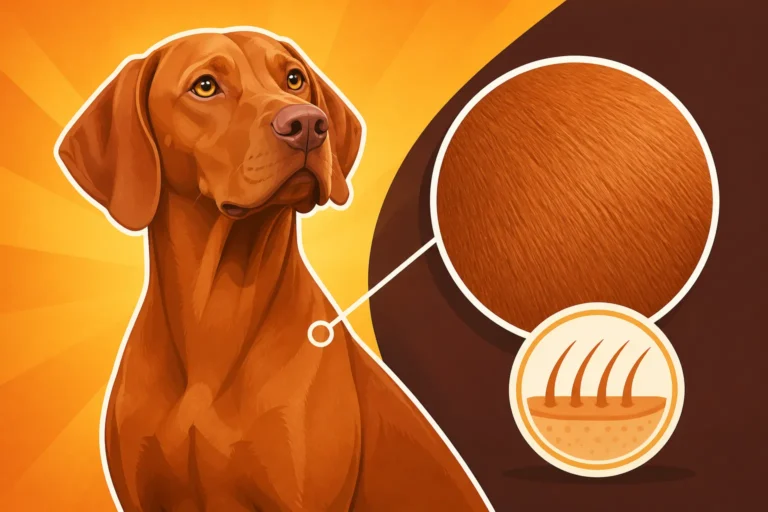
Think of your Vizsla's skin as a bustling city, constantly repairing and renewing itself. As they get older, that city’s rhythm slows. The rate at which skin cells turn over decreases, meaning older cells might stick around longer, impacting overall skin health. More importantly for coat thickness, the hair follicles themselves become less efficient. Each hair follicle goes through growth, rest, and shedding phases. In an aging Vizsla, the growth phase shortens, and the resting phase lengthens. This means individual hairs grow for a shorter period, and it takes longer for new hairs to emerge after old ones are shed. The result is fewer hairs growing at any given time, leading to a visibly thinner coat.
Additionally, the quality of the hair can change. You might notice the individual strands feel finer, less coarse, and perhaps more brittle than they once were. This isn't usually dramatic or patchy, but a general, even thinning across the body, often more noticeable on the back, flanks, and belly. It’s part of the broader slowing of metabolic processes that comes with age.
Changes in Skin Hydration and Oil Production
A youthful Vizsla's coat often has a lovely sheen, a testament to healthy skin and adequate oil production. As dogs age, the sebaceous glands in their skin, responsible for producing natural oils, can become less active. These oils are crucial for keeping the skin moisturized and the coat lubricated and shiny. With reduced oil production, the skin can become drier, sometimes leading to a bit more flakiness, and the coat can appear duller and feel rougher.
This dryness can also make the hair more prone to breakage, further contributing to the appearance of thinning. It’s not necessarily a sign of a health crisis, but rather a normal physiological change. Imagine your own skin feeling a little drier as you get older; it's a similar process for our canine companions. Ensuring proper hydration through their diet and water intake becomes even more important for these golden-aged dogs. You might find yourself looking for gentle, moisturizing shampoos to help combat the dryness without stripping their natural (albeit reduced) oils.
The Appearance of Graying and Overall Dullness
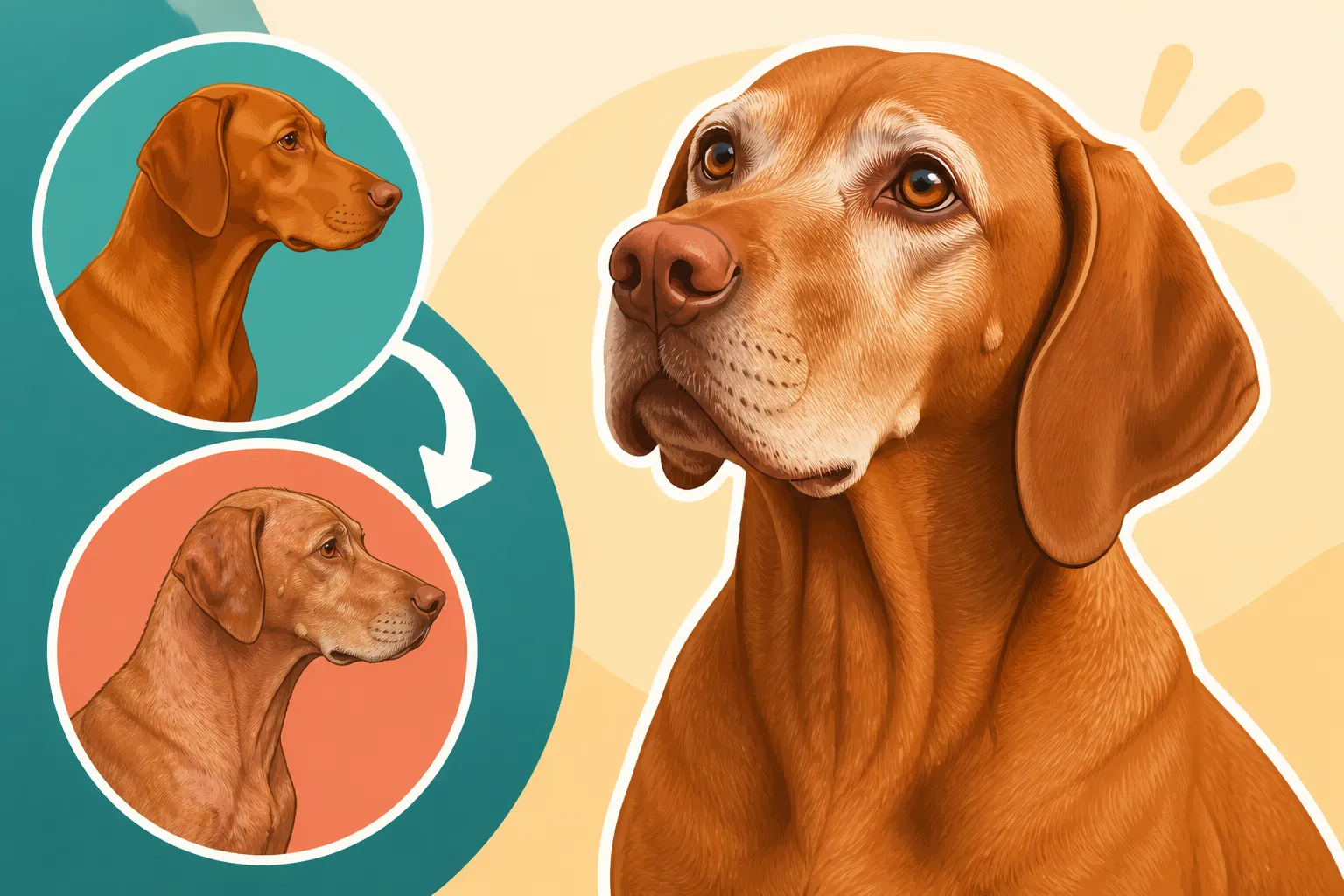
While graying isn't technically "thinning," it often accompanies it and contributes to the overall visual change in an older Vizsla's coat. The vibrant golden-rust color that defines the breed can begin to fade, especially around the muzzle, eyes, and sometimes even across the body. This is due to a reduction in melanin production within the hair follicles. The combination of grayer, duller, and slightly sparser fur can make the coat seem much less robust than it was in their younger years.
It’s an undeniable sign of age, often appearing first around the nose and chin, then spreading. For a Vizsla, whose short, fine coat usually has such a distinct hue, these changes can be quite striking. It’s a visible marker of the passage of time, reminding us of all the adventures you've shared. The Old Vizsla That Still Wants to Hunt can still be just as vibrant in spirit, even if their coat is telling a different story of their years.
Distinguishing Age-Related Thinning from Health Issues
While some coat thinning is a normal part of aging, it’s crucial for Vizsla owners to distinguish this natural progression from hair loss that signals an underlying health problem. Our dogs are masters at hiding discomfort, so paying close attention to their coat and skin can be an early warning system for various conditions.
Typical Patterns of Age-Related Coat Thinning
Age-related thinning is usually symmetrical and gradual. You’ll notice a general reduction in density rather than distinct bald patches. The skin underneath will typically remain healthy-looking – no redness, irritation, or excessive flaking beyond mild dryness. The texture might change, becoming softer or finer, and the color may lighten or gray. This kind of thinning doesn't usually cause itching or discomfort for your Vizsla. They won't be scratching more than usual, nor will they appear agitated by their skin. It's simply a less robust version of their once-lustrous coat.
It’s often a very slow change over months or even years, making it harder to pinpoint when it truly started. You might notice it most when they're wet, or when you run your hand over their back and feel less "fluff." This pattern is generally not a cause for immediate alarm, but rather a sign that your Vizsla is gracefully entering their senior phase.
Red Flags: When Coat Changes Suggest a Problem
Any time the coat thinning is not symmetrical, or if it's accompanied by other symptoms, it's a red flag. Look out for:
- Patchy Hair Loss: Distinct areas of baldness, especially if they appear suddenly. This is very different from general thinning.
- Skin Irritation: Redness, inflammation, sores, scabs, crusting, or pustules on the skin.
- Excessive Itching or Licking: If your Vizsla is constantly scratching, biting, or licking at their skin, something is irritating them.
- Odor: A strong, yeasty, or unpleasant smell from the skin or coat, which can indicate bacterial or fungal infections.
- Changes in Skin Texture: Thickened, leathery skin, or unusually greasy skin.
- Other Systemic Signs: Lethargy, changes in appetite or thirst, weight gain or loss, increased urination, or behavioral changes. These can all point to an internal issue manifesting on the skin.
These signs demand a veterinary consultation because they could indicate a range of health issues common in Vizslas and other breeds.
Common Health Conditions That Affect a Vizsla's Coat
Several conditions can mimic or exacerbate age-related coat thinning, and it's important to rule these out with your vet.
- Hypothyroidism: This is a common endocrine disorder in Vizslas where the thyroid gland doesn't produce enough hormones. A classic symptom is symmetrical hair loss, often on the flanks and tail, along with a dull, dry, brittle coat, sometimes accompanied by weight gain, lethargy, and an intolerance to cold. Thyroid Failure in a Vizsla is a serious concern, and regular thyroid testing, especially for senior Vizslas, is highly recommended. Your vet can perform a simple blood test to check their thyroid levels. Whether a Vizsla's Thyroid Should Be Tested Yearly is a question many owners ask.
- Cushing's Disease (Hyperadrenocorticism): This condition involves an overproduction of cortisol. Hair loss, often symmetrical on the trunk, with thin, fragile skin, can be a sign. Other symptoms include increased thirst, urination, appetite, and a pot-bellied appearance.
- Allergies and Skin Infections: While not strictly "age-related," older dogs can develop or have worsening allergies, leading to intense itching, redness, and secondary skin infections that cause hair loss. Environmental allergens, food sensitivities, or even flea allergies can all contribute. If your Vizsla is constantly scratching and developing hot spots, it’s worth investigating.
- Sebaceous Adenitis: This autoimmune skin disease, while often appearing earlier in life, can certainly persist or worsen with age. It specifically targets and destroys the sebaceous glands, leading to dry, flaky skin, dull coat, and progressive hair loss, often starting on the head and back. It can be mistaken for other skin issues. Sebaceous Adenitis and the Vizsla That Loses Its Coat can be very challenging to manage. A skin biopsy is often needed for diagnosis. Whether a Skin Biopsy Confirms It in a Vizsla is important to know for a proper diagnosis.
- Other Autoimmune Diseases: Vizslas are known for having a sensitive immune system. Why a Vizsla's Immune System Is the Breed's Weak Point is something many owners contend with. Certain autoimmune diseases can cause varied forms of hair loss, inflammation, and skin problems.
Comparison Table: Age vs. Illness
To help you quickly differentiate, here's a table summarizing the key differences between typical age-related coat thinning and signs that suggest a more serious issue:
| Feature | Normal Age-Related Thinning | Potential Sign of Illness |
|---|---|---|
| Onset | Gradual, over months/years | Sudden, or noticeable rapid progression |
| Pattern of Hair Loss | Symmetrical, general decrease in density | Patchy, asymmetrical, distinct bald spots |
| Skin Appearance | Healthy, possibly dry/flaky | Red, inflamed, scabby, crusty, oily, darkened, thickened |
| Itching/Licking | Minimal to none | Moderate to severe, persistent scratching/licking |
| Coat Texture | Finer, softer, duller, more brittle | Dry, brittle, coarse, excessively oily, matted |
| Odor | None | Unpleasant, yeasty, or strong "doggy" smell |
| Other Symptoms | None, dog generally active for their age | Lethargy, weight changes, increased thirst/urination, appetite changes, behavioral shifts, pain |
Supporting Your Senior Vizsla's Coat Health
While you can't stop the march of time, you can absolutely make a significant difference in the comfort and quality of your senior Vizsla's coat and skin. A holistic approach focusing on nutrition, gentle grooming, and environmental comfort is key.
Optimize Their Diet and Supplementation
Nutrition is always paramount, but for an aging Vizsla, it’s even more critical. Their bodies are working harder and often less efficiently, so high-quality, easily digestible food is essential. Look for senior-specific formulas or those designed for sensitive stomachs, often rich in omega fatty acids. Brands like Ollie offer fresh, human-grade food options that many owners find beneficial for overall health, including skin and coat quality, thanks to their nutrient-dense ingredients. If fresh food isn't an option, ensure your kibble is top-tier. Chewy has a vast selection of high-quality senior dog foods and supplements, making it easy to find suitable options.
Consider supplementing their diet with omega-3 fatty acids, like fish oil. These powerful anti-inflammatories can help improve skin hydration, reduce dryness and flakiness, and promote a healthier, shinier coat. Many vets recommend them. Look for supplements specifically formulated for dogs. Antioxidants (like Vitamin E) can also help combat cellular damage, supporting skin health. Always discuss any new supplements with your veterinarian to ensure they are appropriate for your individual dog and won't interact with any existing medications.
Gentle Grooming and Skin Care
Your senior Vizsla’s thinner skin and coat require a gentler touch. Regular, gentle brushing with a soft brush or grooming mitt can help distribute natural oils (even if they're reduced), stimulate circulation, and remove loose hair and dry skin flakes. This is also a wonderful bonding experience and an opportunity for you to check their skin for any lumps, bumps, or irritations that might be new. Managing a Vizsla's Skin for Life becomes even more important as they age.
Bathing should be done with a mild, moisturizing, soap-free shampoo designed for sensitive skin. Over-bathing or using harsh products can strip away what little natural oil they have, exacerbating dryness. Aim for baths only when truly necessary, and always follow up with a good rinse to prevent residue buildup. If your Vizsla has particularly dry skin, your vet might recommend a medicated moisturizing rinse or a leave-in conditioner.
Environmental Comfort and Protection
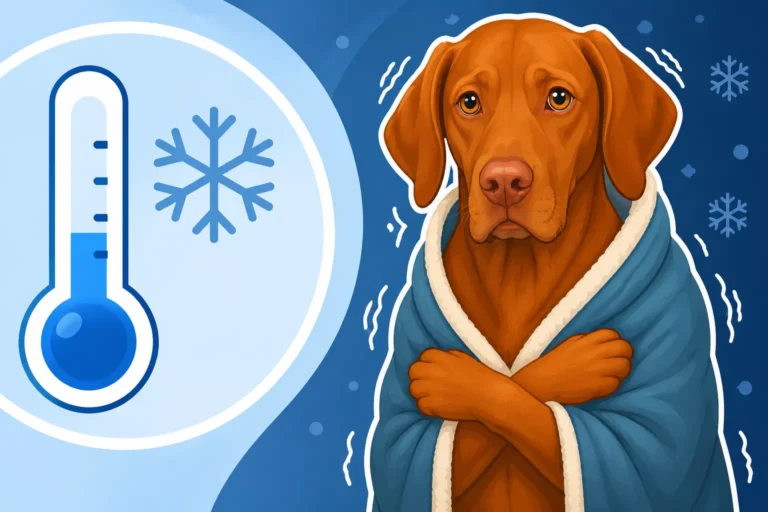
A Vizsla's single coat means they are naturally more susceptible to cold, and this sensitivity increases with age as their coat thins and their metabolism slows. Whether an Old Vizsla Feels the Cold More is a definite 'yes'. Ensure your senior Vizsla has a warm, comfortable place to sleep, away from drafts. A plush, orthopedic dog bed can provide both warmth and support for aging joints. Many dogs enjoy heated beds, especially in colder climates. You can find excellent options on Amazon, ranging from self-warming mats to electric heated beds.
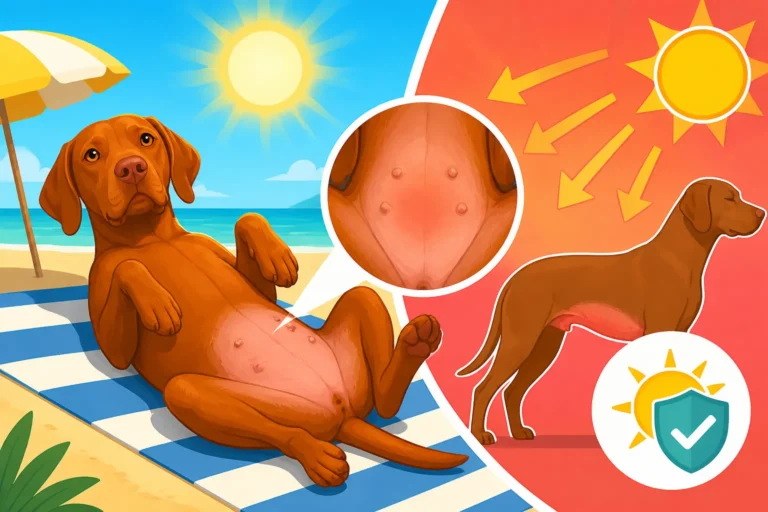
Consider a cozy dog coat or sweater for walks during colder months, or even for just lounging around the house if they seem chilly. This added layer of warmth can prevent them from shivering, which expends precious energy. Similarly, protect their thinning skin from direct sun exposure, especially their delicate nose and belly. Sunscreen specifically formulated for dogs can be applied to areas prone to sunburn, like the bridge of their nose, if they spend a lot of time outdoors. Sunburn and the Pale Vizsla Nose is a real concern for them.
When to Talk to Your Veterinarian About Coat Changes
It's always better to be proactive when it comes to your senior Vizsla's health. While some coat thinning is expected, vigilance and a good relationship with your vet are your best tools.
Key Indicators for a Vet Visit
Don't hesitate to schedule a vet visit if you notice any of these changes in your senior Vizsla's coat or general health:
- Rapid or Sudden Hair Loss: If the thinning occurs quickly or you suddenly see bald patches.
- Associated Skin Problems: Redness, itching, swelling, sores, scabs, or a foul odor emanating from the skin.
- Behavioral Changes: Increased lethargy, changes in appetite or water intake, unexplained weight loss or gain, or increased anxiety.
- Dog Seems Uncomfortable: If your Vizsla is constantly scratching, licking, or rubbing against furniture.
- Concerns About Temperature Regulation: If they seem persistently cold even indoors, or struggle to regulate their body temperature.
- Lack of Improvement with Home Care: If you’ve implemented dietary changes and gentle grooming, but the coat condition or skin issues persist or worsen.
Remember, you know your dog best. If something just "feels off" to you, that's reason enough to consult your vet.
What Your Veterinarian Might Investigate
During your visit, your veterinarian will conduct a thorough physical examination, paying close attention to their skin and coat. They’ll ask about your Vizsla's diet, activity level, medications, and any other symptoms you've observed.
Depending on their findings, they might recommend several diagnostic tests:
- Blood Work: A complete blood count and chemistry panel can provide a general overview of organ function and rule out systemic illnesses. A thyroid panel is very common and important for Vizslas, as hypothyroidism is a frequent culprit for coat changes. Whether a Vizsla's Thyroid Should Be Checked Before Breeding is a common practice for this reason, highlighting the breed's susceptibility.
- Skin Scrapings and Cytology: These tests involve scraping a small sample of skin or collecting cells from the surface to look for parasites (like mites), bacteria, or yeast under a microscope.
- Urinalysis: Can help evaluate kidney function and rule out urinary tract infections.
- Skin Biopsy: For persistent or unusual skin conditions, a small tissue sample might be taken and sent to a lab for histopathology. This is often the definitive way to diagnose conditions like sebaceous adenitis or certain autoimmune skin diseases.
- Dietary Trials: If food allergies are suspected, your vet might recommend a limited ingredient diet trial to identify triggers.
Getting to the root cause of coat thinning is crucial, as treating an underlying medical condition will not only improve their coat but also their overall health and quality of life. Even if it's "just" aging, your vet can offer advice on managing comfort and maintaining the best possible skin and coat health for your cherished senior Vizsla.
Disclaimer
This article is for general informational purposes only and does not constitute professional advice. Laws, prices and regulations vary by location and change over time. Consult a qualified professional for guidance on your specific situation.