Whether a Vizsla Gets Car Sick
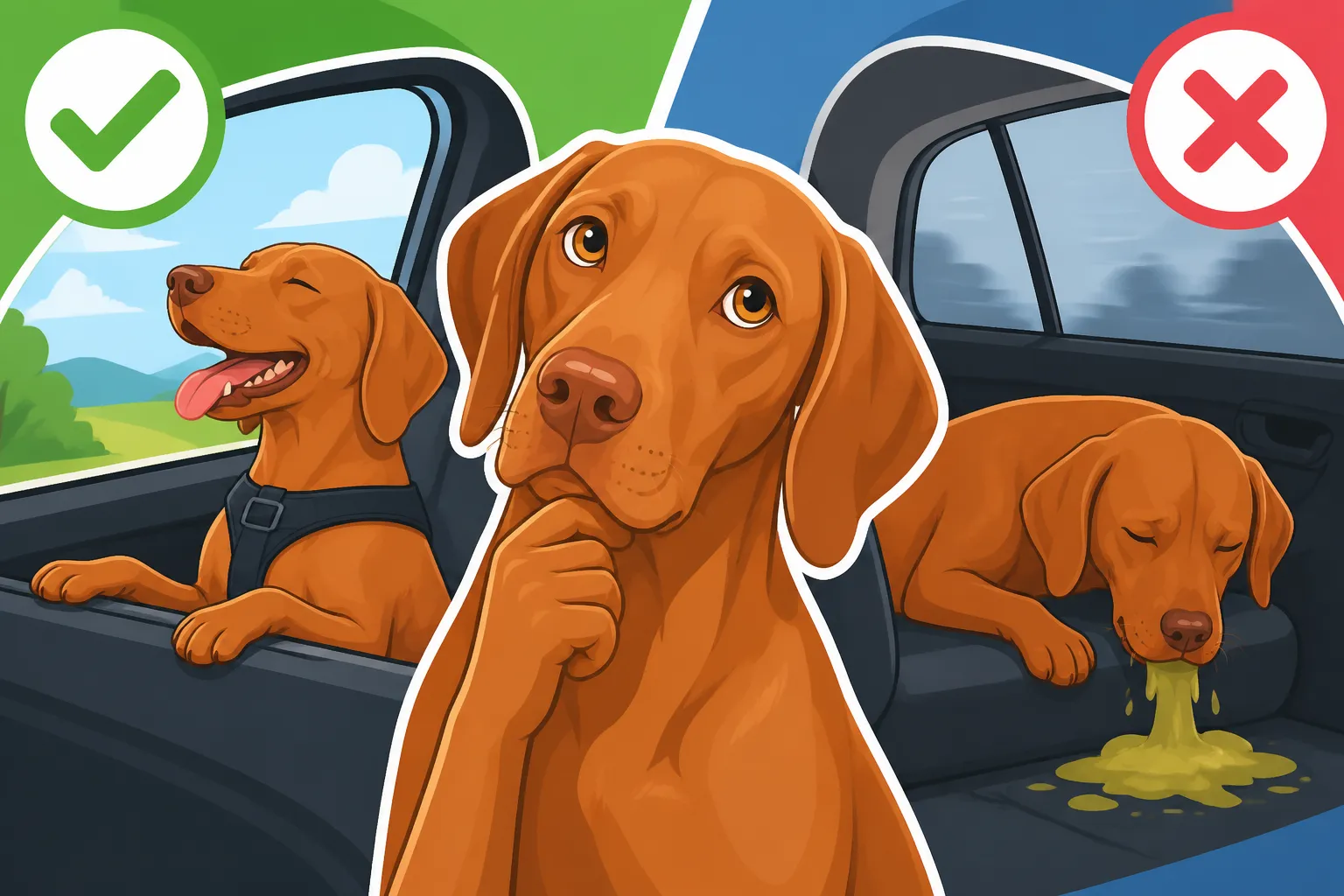
Oh, the dreaded car ride! It's one of those things that can turn an otherwise joyful adventure with your energetic Vizsla into a stressful ordeal for everyone involved. You've got your dog, who lives for the outdoors, ready for a hike or a hunting trip, but the moment the car door opens, they're panting, drooling, or even worse, getting sick. This guide is all about understanding why your Vizsla might be struggling with car travel and, more importantly, what we can do to make those journeys much smoother and more comfortable for our beloved companions.
Why Some Vizslas Get Car Sick: More Than Just a Queasy Stomach
It's easy to assume that if your Vizsla is getting sick in the car, it's just motion sickness. And while that's certainly a common culprit, it's not always the full story. Our Vizslas are incredibly sensitive souls, and their reactions to car travel can stem from a mix of physical discomfort and emotional anxiety. Unraveling the root cause is the first step toward finding a solution.
Motion Sickness Versus Travel Anxiety
Think of it like this: motion sickness is primarily a physical reaction, while travel anxiety is an emotional one. Sometimes they go hand-in-hand, making the situation even more complicated for our dogs. A Vizsla might genuinely feel nauseous due to the motion, and then because of that unpleasant feeling, they develop anxiety about future car rides. Or, a highly sensitive Vizsla might simply be anxious about being confined, the strange movements, or even the destination, leading to physical symptoms that mimic true motion sickness.
Motion sickness, or kinetosis, happens when there's a disconnect between what your dog's eyes see and what their inner ear (vestibular system) senses. Your Vizsla's eyes might be telling their brain they're sitting still, but their inner ear is registering all the bumps, turns, and acceleration. This sensory mismatch can lead to confusion and nausea. Puppies are often more prone to motion sickness because their vestibular systems aren't fully developed yet, and some simply never quite grow out of it.
Travel anxiety, on the other hand, can manifest with similar physical symptoms, even without significant motion sickness. A Vizsla's intense bond with their family means they can be prone to separation anxiety, and being confined in a car, even with you present, can trigger feelings of distress. The noise, the changing scenery rushing by, or even the feeling of being trapped can be incredibly overwhelming for a dog that thrives on freedom and connection. Why They Call It a Velcro Vizsla touches on just how deeply these dogs bond and how sensitive they can be to perceived separation or distress.
Early Experiences and Conditioned Responses
Sometimes, the problem isn't inherent motion sickness or anxiety, but rather a learned association. Perhaps your Vizsla's very first car rides were solely to the vet for shots, or maybe they had a particularly rough or scary trip as a puppy. Dogs are masters of association, and if every car ride leads to an unpleasant experience, they quickly learn to dread it. This can become a conditioned response, where the mere sight of the car keys or the opening of the car door triggers a cascade of anxiety and physical symptoms, even before the engine starts.
This isn't just about a single bad event; it can be a cumulative effect. If a Vizsla is always shoved into a cramped space, or if the car is always too hot or too cold, or if they're not secured properly and slide around, these repeated minor discomforts can build up into a strong negative association. Reversing these deep-seated negative feelings takes patience and a consistent effort to create new, positive associations. It’s like trying to convince a child that the doctor isn't always going to give them a shot when all their previous visits ended with a poke!
The Unique Vizsla Sensitivity
Vizslas, with their "Velcro" nature and deep sensitivity, can be particularly susceptible to both true motion sickness and travel anxiety. They are often described as "soft" dogs, meaning they can be very responsive to subtle cues and easily stressed by harsh handling or confusing situations. The Soft Vizsla That Shuts Down When You Raise Your Voice speaks to this inherent sensitivity. Their lean build and energetic nature also mean they feel every bump and turn, and their high intelligence allows them to quickly pick up on patterns and develop expectations—both good and bad. This combination can make them prime candidates for developing an aversion to car travel if not approached with care and understanding from a young age.
Spotting the Signs of Car Sickness Before Disaster Strikes
One of the most frustrating things about car sickness is when you only realize it's happening a moment too late. Your car is suddenly a mess, and your poor Vizsla is miserable. Learning to recognize the early, subtle cues your dog gives can make a huge difference, allowing you to intervene and potentially prevent a full-blown episode.
Subtle Cues You Might Miss
Vizslas are often stoic, especially when they're not feeling well. They might try to hide their discomfort. So, you need to be a detective. The very first signs of motion sickness or anxiety often aren't obvious vomiting or drooling. Instead, look for:
- Excessive Yawning: Not just a tired yawn, but repeated yawning even when they don't seem sleepy. This is often a stress signal.
- Lip Licking and Swallowing: Your Vizsla might be trying to soothe an upset stomach or deal with increased saliva production.
- Restlessness and Pacing: They can't get comfortable, shifting positions frequently, trying to lie down and then sitting up again.
- Heavy Panting (without being hot): If it's not a hot day and they haven't just exercised, panting can be a sign of stress or nausea.
- Whining or Low Moans: A soft, continuous whine that seems unrelated to needing to potty or wanting attention.
- Glazed or Worried Eyes: Their expression might change, looking less alert and more withdrawn or simply stressed.
These subtle cues are their way of saying, "Hey, I'm not feeling great here," long before they resort to more dramatic measures. By catching these early, you might be able to pull over, offer a moment of fresh air, or provide a calming treat before things escalate.
Obvious Symptoms and Behavioral Changes
If the subtle cues are missed, or if the car sickness is severe, you'll start to see more unmistakable signs. These are the ones that really tell you your Vizsla is in distress:
- Excessive Drooling: This is perhaps the most common and recognizable sign of impending nausea. Your Vizsla might soak the car seat with their slobber.
- Vomiting: The inevitable and messy outcome of severe motion sickness.
- Diarrhea: Less common, but sometimes accompanies severe anxiety or motion sickness.
- Trembling or Shaking: This is a clear sign of fear, anxiety, or extreme discomfort, regardless of the temperature.
- Hiding or Cowering: Your Vizsla might try to burrow under a blanket, in a corner, or even under your legs if they're not confined, desperately trying to escape the situation.
- Refusal to Enter the Car: Before you even leave the driveway, your Vizsla might put on the brakes, refuse to jump in, or try to bolt away when you approach the car. This is a very strong indicator of a negative association with car rides. The First Signs of Polymyopathy in a Vizsla also involves subtle changes in behavior that require keen observation, much like spotting early signs of car sickness.
When you see these signs, it's not just about the mess; it's about your Vizsla's well-being. They're genuinely suffering, and ignoring these signals will only strengthen their negative association with car travel.
| Symptom Category | Motion Sickness Specific | Anxiety Specific | Both Motion Sickness & Anxiety |
|---|---|---|---|
| Physical | Vomiting, Diarrhea | Trembling, Shaking | Excessive Drooling, Lip Licking, Yawning, Panting, Restlessness |
| Behavioral | (Often secondary to nausea) | Refusal to enter car, Hiding, Cowering, Whining, Destructive chewing (if left alone) | Pacing, Vocalizing, Altered demeanor (glazed eyes, withdrawn) |
Practical Strategies to Make Car Rides Smoother
Helping a Vizsla overcome car sickness or anxiety is usually a multi-pronged approach that requires patience, consistency, and a little bit of trial and error. It's not a quick fix, but with dedication, you can turn car rides into a more pleasant experience for both of you.
Acclimatization and Desensitization
This is the cornerstone of resolving car-related anxieties. The goal is to slowly introduce your Vizsla to the car, building positive associations step-by-step, without triggering their discomfort.
- Start Small, Stay Still: Begin by simply opening the car door and letting your Vizsla explore the car while it's parked. Don't start the engine. Toss some high-value treats inside, let them sniff around, and then let them out. Repeat this for a few days, always keeping it positive and short. The idea is that the car equals good things, not scary rides.
- Engine On, No Movement: Once they're comfortable getting in and out, try starting the engine for a few minutes while they're inside. Keep praising them and giving treats. Turn the engine off, and let them out. Gradually increase the time the engine is running.
- Short, Positive Trips: Next, introduce very short trips. Drive around the block, or just to the end of the driveway and back. Make the destination something incredibly positive, like a favorite park for a quick sniffari, or a friend's house they love to visit. Avoid making the first "real" trips to the vet or groomer. The key here is always ending on a good note.
- Gradual Increase: Slowly increase the duration and distance of your trips, always observing your Vizsla for signs of discomfort. If they show any signs of stress, scale back to the previous comfortable step. Think of it as baby steps, not giant leaps. For more insights on building confidence and managing their mental state, consider reading The First Year With a Vizsla Puppy.
Managing the Environment
The physical environment inside the car plays a huge role in your Vizsla's comfort.
- Secure Confinement: A secure crate can work wonders. Many Vizslas feel safer and more contained in a well-ventilated crate. This also limits their view of the fast-moving outside world, which can exacerbate motion sickness. Make sure the crate is firmly secured so it doesn't slide around. A high-quality, crash-tested crate is always recommended. For details on choosing the right setup, see Whether a Vizsla Needs a Crate in the Truck. If a crate isn't an option, a seatbelt harness or a car seat can offer some security, but a crate often provides more visual stability.
- Fresh Air and Temperature: Ensure good ventilation. Crack a window enough for fresh air, but not so much that your Vizsla can stick their head out entirely (which can lead to eye injuries). Keep the car cool, but not cold. Overheating can quickly worsen nausea and anxiety. Whether a Vizsla Handles a Hot Summer explains how sensitive Vizslas can be to temperature extremes.
- Reduce Visual Stimuli: For some dogs, seeing the world rush by is dizzying. Covering part of the crate or using window shades can help reduce this visual input. Make sure your Vizsla isn't sitting on a lap where they get tossed around more; a stable, floor-level position in a crate or on the back seat is generally better.
- Comfort Items: Bring a familiar blanket or a favorite chew toy. The scent of home can be very comforting, and having something to chew on can distract an anxious Vizsla. Just be mindful of giving toys if motion sickness is severe, as they might not want it.
Food and Water Considerations
What your Vizsla eats (or doesn't eat) before a car ride can impact their comfort.
- Empty Stomach vs. Small Meal: For many dogs prone to motion sickness, an empty stomach is best. Withhold food for 2-3 hours before a trip. However, for dogs with anxiety, a very small, bland meal or a high-value treat before the ride might help settle their stomach and associate the car with something pleasant. Experiment to see what works for your Vizsla.
- Hydration: Always offer water before and after the trip. During stops, offer small amounts of water, but don't let them gulp too much, especially if they're prone to vomiting.
- Ginger: Ginger is a natural anti-nausea remedy for humans and can sometimes work for dogs. You can try a small amount of fresh ginger root, or ginger snaps (check ingredients for xylitol!), or even ginger capsules. Always consult your vet for appropriate dosing, as it varies by size. You can often find pet-specific ginger supplements or treats on sites like Chewy or Amazon.
Natural Remedies and Calming Aids
There are several non-prescription options that can help take the edge off for mildly anxious or nauseous Vizslas.
- Pheromone Sprays/Diffusers: Products containing synthetic canine appeasing pheromones (like Adaptil) can create a calming environment. You can spray these in the car or on your Vizsla's blanket a few minutes before departure.
- Calming Chews/Treats: Many brands offer calming chews with ingredients like L-theanine, chamomile, or tryptophan. These aren't sedatives but can help promote a sense of calm. Look for reputable brands on platforms like Chewy or Amazon. Again, always check with your vet before introducing new supplements.
- ThunderShirts: These snug-fitting vests apply gentle, constant pressure, which can have a calming effect similar to swaddling a baby. They don't work for every dog, but many owners find them helpful for anxiety.
- Bach Rescue Remedy: This is a blend of flower essences that some people use to help with acute stress. A few drops can be placed directly in your Vizsla's mouth or on a treat.
When to Call the Vet: Medication and Professional Help
Sometimes, despite all your best efforts with environmental management and desensitization, your Vizsla still struggles profoundly with car rides. This is when it's absolutely crucial to involve your veterinarian. They can help rule out any underlying medical conditions and discuss prescription options.
Prescription Options for Motion Sickness
If true motion sickness is the primary issue, your vet might prescribe anti-nausea medication.
- Maropitant Citrate (Cerenia): This is a very common and effective anti-emetic (anti-vomiting) medication specifically approved for dogs. It works by blocking the vomiting reflex in the brain and can be given an hour or two before travel. It's not a sedative, so your Vizsla will still be alert. Many Vizsla owners find this medication to be a lifesaver for longer trips or when other methods have failed.
- Other Anti-Emetics: Depending on the specific situation, your vet might consider other anti-nausea medications, though Cerenia is usually the first line of defense for car sickness.
It’s important to remember that these medications primarily address the symptom of nausea, not necessarily the anxiety. If your Vizsla is anxious but not vomiting, a different approach might be needed.
Anti-Anxiety Medications
For Vizslas with severe travel anxiety, where non-prescription calming aids aren't enough, your vet might discuss short-term anti-anxiety medications. These are usually used in conjunction with a behavior modification plan to help your dog feel more relaxed during the desensitization process.
- Trazodone: This is an antidepressant that can be used off-label as a situational anxiolytic for dogs. It can help reduce anxiety and promote calmness, often without heavy sedation.
- Gabapentin: This medication is often used for nerve pain but also has anti-anxiety properties and can be helpful for situational fear.
- Benzodiazepines (e.g., Alprazolam, Diazepam): These are stronger sedatives and anxiolytics. They can be very effective but are usually reserved for severe cases and short-term use due to potential side effects and the fact that they can interfere with learning during behavior modification.
It's crucial to understand that these medications are tools to help with the process, not a magic cure. They should ideally be used alongside training and desensitization, making your Vizsla more receptive to learning that car rides can be enjoyable. For more context on managing sensitive Vizslas, you might find Managing a Vizsla That Seizures interesting, as it discusses medication management for another serious condition. When discussing medication, always ensure you fully understand the potential side effects and interactions. You'll want to be prepared for what it costs, just as you'd budget for What a Vizsla Costs a Year to Keep.
Consulting a Professional Behaviorist
If your Vizsla's car sickness is primarily driven by deep-seated anxiety or phobia, working with a certified professional dog behaviorist or veterinary behaviorist can be incredibly beneficial. These experts can assess your Vizsla's specific triggers and develop a tailored behavior modification plan.
A behaviorist can guide you through advanced desensitization and counter-conditioning techniques, helping your Vizsla form positive emotional associations with the car. They can also help you identify subtle stress signals you might be missing and teach you how to respond effectively. Sometimes, simply having an objective, experienced eye can illuminate aspects of your Vizsla's behavior that you've overlooked. They might suggest a structured program, perhaps combining medication with systematic training, to gradually reprogram your Vizsla's emotional response to car travel. This is especially important for a breed like the Vizsla, where their temperament can be greatly influenced by their experiences.
Ultimately, whether your Vizsla's car troubles stem from a queasy stomach, a worried mind, or a combination of both, there are many strategies available to help them. With patience, persistence, and perhaps a little help from your vet or a behaviorist, those dreaded car rides can become just another part of the grand adventures you share with your beloved copper dog.
Disclaimer
This article is for general informational purposes only and does not constitute professional advice. Laws, prices and regulations vary by location and change over time. Consult a qualified professional for guidance on your specific situation.