Whether a Vizsla’s Ears Need Cleaning Weekly
One of the questions I hear most often from fellow Vizsla owners is about ear care. You see your energetic, endlessly curious Vizsla sniffing every blade of grass, splashing in every puddle, and sometimes, those adorable floppy ears seem to harbor a bit too much gunk. It's easy to wonder, with all their adventures, whether a Vizsla's ears need cleaning weekly to stay healthy, or if you're actually doing too much. This guide will walk you through everything you need to know about keeping those beautiful ears clean and comfortable, without overdoing it or missing crucial signs of trouble.
Understanding the Unique Challenges of Vizsla Ears
Vizslas are magnificent dogs, full of life, energy, and an insatiable desire to be by your side, whether that's on a hike through thick cover or snuggled up on the sofa. But those lovely, velvety ears, while part of their charm, also present a unique set of challenges when it comes to hygiene. It’s not just about the occasional wipe; it’s about understanding their anatomy and how their lifestyle impacts their ear health.
The Anatomy of a Vizsla's Ear
Unlike breeds with erect ears, Vizslas have pendulous ears, meaning they hang down. This seemingly small detail is actually a major factor in why their ears require particular attention. The way the ear flap covers the ear canal creates a warm, dark, and often humid environment. Think of it as a cozy little cave, perfect for certain things to thrive that we’d rather keep out.
Inside this "cave" is the ear canal itself, which in dogs, takes a sharp turn. It starts vertically and then bends horizontally towards the eardrum. This L-shape makes it difficult for natural debris, moisture, and foreign objects to exit on their own. Instead, they can get trapped, leading to buildup. Couple this with the Vizsla's naturally thin skin, and you've got a recipe for potential irritation if not managed properly. Understanding this structure helps us realize why Keeping a Vizsla's Ears Clear After Water Work is so important, and why a casual glance often isn't enough to assess true ear health.
Why Vizslas Are Prone to Ear Issues
Beyond the pendulous ear structure, Vizslas are active dogs, and their lifestyle plays a huge role in their ear health. They are avid hunters, hikers, and swimmers, often plunging headfirst into environments that are less than sterile. Long grass, muddy fields, stagnant water – these are all playgrounds for a Vizsla, but also potential sources of ear irritation and infection.
Their love for water, in particular, is a double-edged sword. While it's great exercise, excess moisture trapped in that warm, dark ear canal creates a perfect breeding ground for bacteria and yeast. You might find yourself wondering Whether a Vizsla Gets Water in Its Ears Swimming more often than other breeds. Furthermore, Vizslas, like many purebreds, can be predisposed to certain sensitivities or allergies that manifest as skin issues, including in their ears. These underlying conditions can make them more susceptible to recurrent ear infections, even with diligent cleaning. It’s not just about what gets in their ears, but sometimes what’s happening within their body that affects them.
Environmental Factors That Influence Ear Health
Your Vizsla's environment and daily activities are huge players in how frequently their ears might need attention. A Vizsla that spends its days lounging indoors on soft blankets, only venturing out for leash walks on paved paths, will likely have very different ear care needs than one that's regularly running through tall fields, swimming in ponds, or training for hunt tests.
Consider the climate where you live. High humidity can exacerbate moisture issues in the ears. Allergens in the air – pollen from trees, grasses, or weeds – can also cause irritation, leading to increased scratching or head shaking, which in turn can create micro-traumas in the ear canal that invite infection. Dust, dirt, and even tiny burrs or grass seeds can work their way into those floppy ears during outdoor adventures. Whether a Vizsla Gets Grass Seeds in Its Feet is a common concern, but those pesky seeds can also find their way into ears, causing significant pain and requiring veterinary intervention. Being proactive about checking their ears, especially after outdoor excursions, becomes part of the routine.
How Often Should You Really Clean Your Vizsla's Ears?
This is the million-dollar question for many Vizsla owners, and the honest answer is: it varies. There’s no strict one-size-fits-all rule, because every Vizsla is an individual with unique genetics, lifestyle, and sensitivities. What's right for one might be too much or too little for another. The key is to learn to read your own dog and establish a routine that works for them.
The "It Depends" Reality: Factors Guiding Your Schedule
While a weekly ear cleaning might be too frequent for many Vizslas, it's also true that some dogs, particularly those with recurrent issues or very active, water-loving lifestyles, might benefit from more frequent attention. For most Vizslas, a visual check of the ears every few days, and a thorough cleaning every 2-4 weeks, is a good starting point. However, this schedule needs to be flexible based on a few critical factors.
If your Vizsla is an avid swimmer, you might want to dry their ears thoroughly after each swim and use a gentle, drying ear cleanser more frequently – perhaps every few days, or after every major water session – to prevent moisture from building up. If they have known allergies, their ears might require more frequent cleaning during peak allergy seasons. Dogs that roll in dirt or play in dusty environments could also accumulate more debris. Conversely, a less active, indoor Vizsla might genuinely only need a monthly check and cleaning. The important thing is to observe your dog closely and adjust your routine accordingly. Think of it as a dynamic process, not a rigid calendar event.
Recognizing the Signs Your Vizsla Needs an Ear Cleaning (or a Vet)
Your Vizsla will often give you subtle (or not-so-subtle) clues when their ears are bothering them. Learning to recognize these signs is far more important than sticking to an arbitrary schedule.
Here are some common indicators:
- Excessive scratching at the ears: This is often the first sign.
- Frequent head shaking: They might be trying to dislodge something or relieve discomfort.
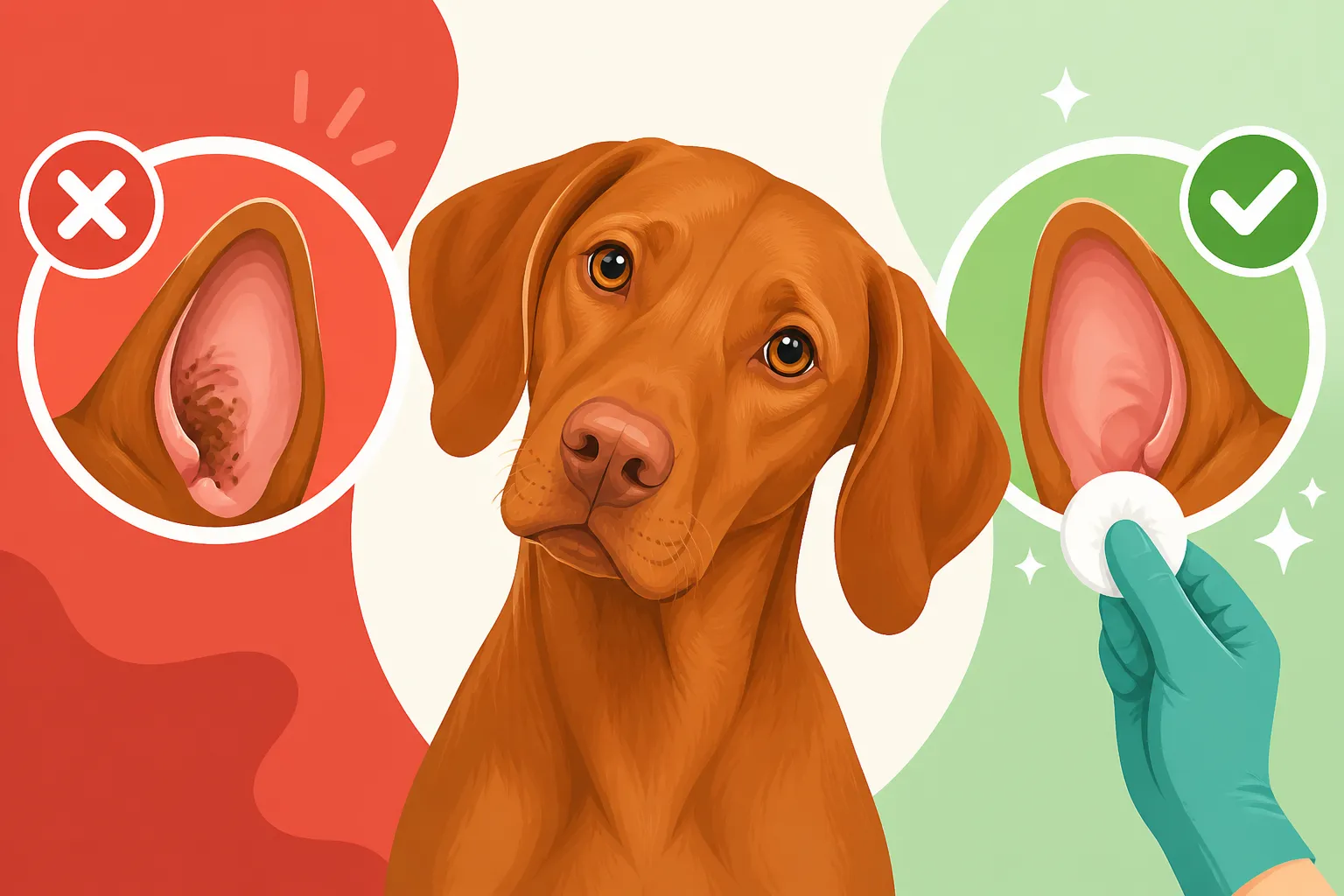
- Redness or swelling inside the ear flap or canal: Visually check for irritation.
- Unpleasant odor coming from the ear: A sweet, yeasty, or foul smell is a big red flag. This often indicates Whether a Vizsla Gets Yeast in Its Ears.
- Dark discharge: This can range from dark brown, waxy buildup to black, crumbly debris.
- Pain or sensitivity when you touch their ears: They might pull away or vocalize.
- Holding their head tilted to one side.
- Hair loss around the ears from scratching.
If you notice any of these more concerning signs, especially odor, excessive discharge, or pain, a trip to the veterinarian is in order. It could be an infection that requires medication, not just a simple cleaning. Early intervention is always best. Don't try to treat a full-blown infection at home; you could make it worse.
The Risks of Over-Cleaning vs. Under-Cleaning
It might seem like more cleaning is always better, but that's not necessarily true, especially for a Vizsla's sensitive ears. Over-cleaning can strip the ear canal of its natural protective oils, leading to dryness and irritation. This irritation can, ironically, make the ear more susceptible to infection by damaging the delicate skin lining. Using harsh chemicals or inserting cotton swabs too deeply can also cause trauma to the ear canal or even damage the eardrum. Always consult your vet or groomer about appropriate ear cleaning solutions.
On the other hand, under-cleaning or neglecting ear health can lead to serious problems. A buildup of wax, dirt, and moisture creates that ideal environment for bacteria and yeast to flourish, leading to painful infections. Left untreated, chronic ear infections can cause permanent damage, including thickening of the ear canal, hearing loss, and even rupture of the eardrum. In severe cases, surgery might be needed. So, while weekly cleaning might be too much for many, completely ignoring them is definitely not the answer. Finding that balance, based on your individual Vizsla's needs, is crucial.
A Step-by-Step Guide to Effective Vizsla Ear Cleaning
Once you've determined that your Vizsla's ears need a cleaning, approaching the task correctly can make all the difference. It's about being gentle, thorough, and making it as positive an experience as possible for your dog. Remember, a happy ear cleaning session today means an easier one next time.
Gathering Your Supplies
Before you even call your Vizsla over, make sure you have everything you need laid out. This prevents you from fumbling around or having to leave your dog unattended mid-process, which can cause anxiety.
Here's a list of essentials:
- Veterinarian-approved ear cleaning solution: This is crucial. Never use rubbing alcohol, hydrogen peroxide, or harsh soaps, as they can irritate the delicate ear canal. Your vet can recommend a good, gentle solution. Brands like Epi-Otic or Zymox are often popular and effective. You can typically find these at your vet's office or through online retailers like Chewy or Amazon.
- Cotton balls or large cotton rounds: Avoid cotton swabs (Q-tips) for cleaning deep inside the ear canal, as they can push debris further in or damage the eardrum. They can be used carefully to clean the outer folds of the ear, but nothing further in.
- Towels: Have a few old towels ready. Ear cleaning can be a bit messy, especially when your Vizsla inevitably shakes their head!
- Treats: Lots of high-value treats to reward cooperation and make the experience positive.
- A quiet, well-lit space: Choose a comfortable spot where your dog feels secure and where you can clearly see inside their ear.
Having these items ready beforehand ensures a smooth and less stressful experience for both you and your Vizsla.
The Gentle Cleaning Process
Now for the actual cleaning. Remember to stay calm and speak in soothing tones. If your Vizsla is anxious, take breaks and offer treats.
- Examine the ear: Gently lift your Vizsla's ear flap and inspect the visible parts of the ear canal. Look for redness, swelling, discharge, or any foreign objects. This initial check helps you decide if a cleaning is appropriate or if a vet visit is needed.
- Apply the cleaner: Hold the ear flap up and carefully squeeze the recommended amount of ear cleaning solution into the ear canal. Don't be shy; you want enough to fill the canal. Your Vizsla probably won't love this, but it’s vital.
- Massage the base of the ear: With the ear flap still held up, gently but firmly massage the base of your Vizsla's ear for about 20-30 seconds. You should hear a squishing sound, which means the cleaner is working its way down and breaking up debris. This is often the part dogs tolerate best.
- Allow shaking: Stand back and let your Vizsla shake their head. This helps dislodge loosened wax and cleaner. Have a towel ready!
- Wipe clean: Take a fresh cotton ball or round and gently wipe away any visible solution and debris from the outer part of the ear canal and the inside of the ear flap. Use a fresh cotton ball for each wipe until no more debris comes out. Remember, never go deeper than your finger can comfortably reach with a cotton ball.
- Repeat for the other ear: Once one ear is clean, move on to the other.
- Reward generously: Shower your Vizsla with praise and treats throughout and especially at the end. Make it a positive association. You want them to think, "Ugh, ear goo… but then TREATS!"
| Symptom | Action to Take | When to See a Vet Immediately |
|---|---|---|
| Minor wax/dirt buildup | Gentle cleaning with vet-approved solution | N/A |
| Mild odor | Clean, monitor for 24-48 hours | If odor persists or worsens, or pain is present |
| Occasional head shake | Observe, check for obvious debris | If shaking is constant, violent, or accompanied by crying |
| Slight redness | Clean gently, monitor closely | If redness increases, swelling occurs, or discharge appears |
| Pain upon touch | DO NOT CLEAN. Schedule vet appointment. | Any sign of pain, swelling, or severe discomfort |
| Dark, foul-smelling discharge | DO NOT CLEAN. Schedule vet appointment. | Any discharge that is not minor, normal ear wax |
| Foreign object visible deep in canal | DO NOT ATTEMPT REMOVAL. Vet visit. | Any foreign object not easily removed from the outer ear |
Post-Cleaning Care and Monitoring
The work isn't quite done once the physical cleaning is complete. Continued monitoring is essential, especially in the days following. Observe your Vizsla for any signs of irritation that might have been caused by the cleaning itself (unlikely with a gentle cleaner but possible if they were already sensitive) or if the problem persists.
Keep an eye out for increased scratching, head shaking, or any new redness. If the ears appear cleaner and your dog is more comfortable, you've done a great job! If the previous symptoms return quickly, or worsen, it’s a clear indication that there might be an underlying issue that needs professional attention. Don't hesitate to contact your vet. Sometimes, what seems like a simple dirty ear is actually the symptom of a deeper issue, such as allergies or a stubborn infection.
When to Seek Professional Help for Vizsla Ear Concerns
As much as we try to manage our Vizsla's health at home, there are definitely times when a veterinarian's expertise is absolutely necessary. It's crucial to know when to stop home remedies and seek professional medical advice to prevent discomfort and long-term issues for your beloved companion.
Red Flags That Warrant a Vet Visit
Knowing when to clean and when to call the vet is a critical part of being a responsible Vizsla owner. Don't delay if you notice any of these more serious signs, as an untreated infection can quickly escalate and cause severe pain and complications.
- Persistent Odor or Discharge: If the foul smell or excessive discharge returns shortly after cleaning, or if it changes color (green, yellow) or consistency. This is a common sign of a full-blown infection. Whether a Vizsla Gets Ear Infections is a common concern for the breed, and these symptoms point directly to one.
- Pain and Sensitivity: If your Vizsla cries out, growls, or becomes aggressive when you try to touch their ears, it's a sign of significant pain. This is not something you can address with a simple cleaning.
- Swelling or Redness: Beyond minor irritation, if the ear flap itself or the opening of the ear canal becomes noticeably swollen, hot to the touch, or severely red.
- Relentless Scratching or Head Shaking: While some head shaking is normal after cleaning, incessant scratching or shaking indicates a deep discomfort that needs medical attention.
- Hearing Loss or Balance Issues: If your Vizsla seems disoriented, has trouble balancing, or doesn't respond to sounds as they normally would, it could indicate a serious inner ear problem.
- Visible Foreign Objects: If you see a foreign object, like a grass seed, deep inside the ear canal that you cannot easily wipe away from the outer folds, do not attempt to remove it yourself. You could push it further in or damage the eardrum. This requires a vet.
Working with Your Veterinarian for Chronic Issues
Some Vizslas, unfortunately, are simply predisposed to chronic ear problems, often due to allergies (environmental or food-related) or the shape of their ear canals. If your Vizsla seems to get recurrent ear infections despite your best efforts, it's time to work closely with your veterinarian to develop a long-term management plan.
This might involve:
- Diagnostic tests: Your vet may take a swab of the ear to identify the specific type of bacteria or yeast causing the infection, allowing them to prescribe the most effective medication. They might also suggest allergy testing.
- Prescription medications: This could include oral antibiotics, anti-fungals, anti-inflammatories, or specialized ear drops. What Vizslas Are Most Often Treated For often includes these kinds of recurring issues.
- Dietary changes: If food allergies are suspected, your vet might recommend a prescription diet or a limited ingredient trial. Some owners find success with fresh food options, which some companies like Ollie provide, after consulting with their vet about suitability for allergy management.
- More frequent professional cleanings: In some cases, your vet might recommend professional ear flushes under sedation if the buildup is severe or recurring.
- Management of underlying conditions: Addressing the root cause, such as allergies, is key to preventing future flare-ups. This could include long-term allergy medication or immunotherapy. Understanding What Treating a Vizsla's Skin Disease Costs will give you an idea of the potential long-term investment, as ear infections are often linked to broader skin sensitivities.
Preventative Strategies Beyond Home Cleaning
Beyond the regular checks and cleanings, there are several things you can do to support your Vizsla's ear health and potentially reduce the frequency of professional interventions.
One of the most important is drying their ears thoroughly after any water exposure. This means after baths, swimming, or even walks in heavy rain. Gently lift the ear flap and blot the visible parts of the ear canal with a soft towel or cotton ball. Don't forget the folds and crevices on the inside of the flap itself.
Regular grooming also plays a role. If your Vizsla has a lot of hair growing inside their ear canal (some Vizslas do, though less than some other breeds), your vet or a professional groomer can carefully pluck or trim this hair. This can improve air circulation and reduce moisture trapping, but only do this if advised by a professional, as improper plucking can also cause irritation.
Finally, maintaining your Vizsla's overall health through a balanced diet, regular exercise, and stress reduction can boost their immune system, making them less susceptible to infections in general. What a Vizsla Needs Every Day includes proper nutrition and plenty of physical activity, which indirectly contributes to a robust immune system capable of fighting off opportunistic infections, even in a sensitive area like the ears. Staying vigilant and proactive will go a long way in keeping your Vizsla's ears healthy and happy.
Disclaimer
This article is for general informational purposes only and does not constitute professional advice. Laws, prices and regulations vary by location and change over time. Consult a qualified professional for guidance on your specific situation.