Whether a Vizsla Picks Up Ticks
Any Vizsla owner knows that their spirited, adventurous companion loves nothing more than to dive headfirst into tall grass, thick brush, or wooded trails. While this boundless energy and love for the outdoors is quintessential Vizsla, it also brings a common, unwelcome guest: ticks. These tiny arachnids can pose a real threat, carrying diseases that can seriously impact your dog's health, and spotting them on a dog with such a short, fine coat isn't always as easy as it sounds. This guide will walk you through everything you need to know about protecting your Vizsla from ticks, how to find them, and what to do if you discover one latched on.
The Reality of Ticks for an Active Vizsla
If you own a Vizsla, you're likely already familiar with their desire to explore every nook and cranny of the natural world. They’re born to hunt, to range, and to follow scent trails into places where ticks absolutely thrive. That beautiful, sleek, golden-rust coat, while stunning, offers very little barrier against these hitchhikers compared to a dense double-coated breed. This combination of an adventurous spirit and a less protective coat makes Vizslas particularly susceptible to picking up ticks.
Imagine your Vizsla, Copper, tearing through a field of chest-high goldenrod, nose to the ground, chasing a pheasant scent. Or perhaps your Luna, bounding through the autumn woods, scattering fallen leaves as she investigates every rustle. These are prime tick habitats. Ticks aren't just in the deep wilderness; they can be found in your backyard, local parks, and even along suburban walking paths. They love tall grasses, leaf litter, and brushy areas where they can easily transfer from vegetation onto a passing host. And they're not just a summer problem; depending on where you live, ticks can be active even in mild winter weather, particularly on warmer days when your Vizsla is still eager for a long run. The worry isn't just the creepy-crawly factor, but the potential for serious health issues like Lyme disease, anaplasmosis, and ehrlichiosis, which can be debilitating and costly to treat.
How to Effectively Check Your Vizsla for Ticks
After any outdoor excursion, whether it's an hour in the local woods or a full day in the field, a thorough tick check is non-negotiable for a Vizsla owner. Don't skip this step, no matter how tired you or your dog are! Ticks can attach surprisingly quickly, and finding them early can prevent disease transmission, which often takes several hours after attachment. It’s also important to remember that a Vizsla's thin skin tears easily, so checking them over after a hunt is crucial for many reasons, not just ticks.
To perform a proper check, you'll need good lighting, and it helps to have a pair of gloves and a tick removal tool ready. Start at your Vizsla's nose and systematically work your way back to their tail, paying close attention to every inch. Feel for any small bumps or irregularities on their skin. The short hair makes them somewhat easier to spot than on a long-haired breed, but ticks can still be tiny, especially in their nymph stage.
Here's a breakdown of where to focus:
- Head and Face: Check around their muzzle, inside their ears (and on the ear flaps), around their eyes, and under their chin. Ticks love soft, warm spots.
- Neck and Chest: Part the fur and feel around their neck, especially where their collar sits, and down their chest.
- Legs and Paws: Go over each leg, making sure to check deeply in the armpits and groin area. Don't forget to spread their toes and check between the paw pads. This is a common hiding spot, and you might even pick up grass seeds in these areas, making a thorough check doubly important.
- Belly and Flanks: Their underside offers exposed skin, perfect for ticks. Run your hands over their belly and along their sides.
- Tail and Rear: Check the base of their tail and around their hindquarters.
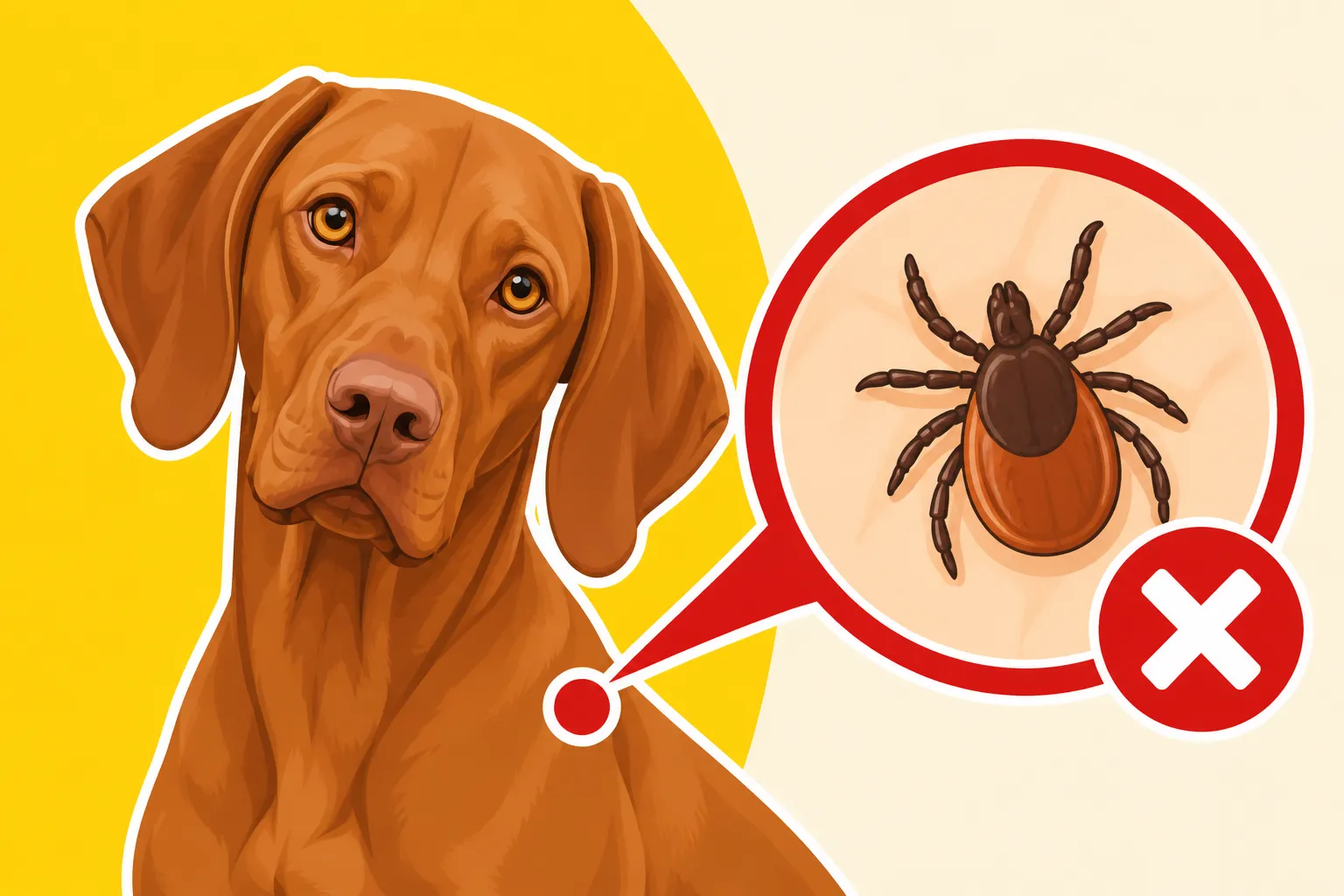
If you feel anything suspicious, part the hair to get a good look. A tick can range in size from a poppy seed to a small grape if it's engorged. Make this a positive, calm experience for your Vizsla, perhaps with a treat or gentle praise, so they learn to tolerate and even enjoy their post-adventure inspection.
Preventative Measures Against Ticks for Vizslas
Preventing ticks from attaching in the first place is always the best strategy for your active Vizsla. There are several effective methods available, and often, a combination approach works best, especially if your Vizsla is frequently in high-risk areas for extended periods. When considering options, remember that Whether a Vizsla's Thin Skin Tears Easily means you want to avoid anything that could irritate their skin or get caught easily.
Here's a look at common preventative measures:
- Topical Spot-On Treatments: These are liquid medications applied directly to your Vizsla's skin, usually between the shoulder blades, typically once a month. They spread across the skin and hair follicles, killing or repelling ticks upon contact. Popular brands offer these, and you can usually find a wide selection on platforms like Chewy or Amazon. The key is to apply them correctly and consistently.
- Oral Medications: These are chewable tablets given to your Vizsla, usually monthly or quarterly, that work systemically throughout their body. When a tick bites your Vizsla, it ingests the medication and dies. Many owners appreciate the convenience and the fact that there's no residue on the coat. These are often considered highly effective, especially for dogs that swim a lot or for whom topical treatments might rub off.
- Tick Collars: Some collars are infused with chemicals that repel or kill ticks. These can be effective, but it's crucial to ensure they fit properly – not too tight, not too loose – and that your Vizsla doesn't have an adverse skin reaction, particularly given their sensitive skin. Always check the active ingredients and read reviews, and be aware that the effectiveness might decrease over time or if the collar gets wet frequently.
- Environmental Control: While you can't control the wilderness, you can manage your own property. Keeping your lawn mowed short, removing leaf litter, and trimming back brush can help reduce tick populations around your home. If you have concerns about your yard, there are professional pest control services that can treat the perimeter of your property.
- Regular Grooming and Brushing: Even though Vizslas have a short coat and don't require extensive grooming, a quick brush after a walk can sometimes dislodge ticks that haven't yet attached. It also gives you another opportunity to visually inspect their skin. You can read more about Managing a Vizsla's Skin for Life in another post.
It's always a good idea to discuss the best preventative strategy with your veterinarian, as they can recommend products based on your Vizsla's lifestyle, local tick prevalence, and any specific health considerations. They'll know which tick species are common in your area and which products are most effective against them.
What to Do If You Find a Tick on Your Vizsla
Finding a tick on your Vizsla can be unsettling, but staying calm and removing it correctly is paramount. Improper removal can leave parts of the tick embedded, increasing the risk of infection or disease. When you're Checking a Vizsla Over After a Hunt, be prepared for this possibility.
Safe Tick Removal Steps
- Gather Your Tools: You'll need fine-tipped tweezers or a specialized tick removal tool (like a tick key or lasso). Have antiseptic wipes or rubbing alcohol ready for aftercare, and gloves for yourself are always a good idea.
- Position Your Vizsla: Get your Vizsla into a comfortable, well-lit position. You might need a second person to help keep them still and calm.
- Grasp the Tick: Using your tweezers or tick tool, grasp the tick as close to your Vizsla's skin as possible. You want to get hold of the tick's head, not its body. Avoid squeezing the body, as this can inject more disease-carrying fluids into your dog.
- Pull Straight Up: With steady, even pressure, pull straight upwards. Do not twist, jerk, or wiggle the tick. Ticks don't "unscrew," and twisting can cause the mouthparts to break off and remain embedded. It might take a moment, but a steady pull should release the tick.
- Dispose of the Tick: Once removed, don't just squash it or flush it down the toilet (it might survive!). Place the tick in a sealed container or a small jar with rubbing alcohol to kill it. You might even want to save it if you're concerned about disease and your vet wants to identify the species.
- Clean the Area: Clean the bite site on your Vizsla with an antiseptic wipe or rubbing alcohol.
What Not to Do
Resist the urge to use old wives' tales methods like burning the tick with a match, covering it with petroleum jelly, or painting it with nail polish. These methods are ineffective, can harm your dog, and may cause the tick to regurgitate its stomach contents into your Vizsla, potentially increasing disease transmission.
After Removal and When to See a Vet
After removing the tick, keep an eye on the bite area for several days. Look for any signs of infection, such as redness, swelling, pus, or a persistent lump. It’s normal for a small bump or redness to appear at the site, but this should resolve quickly.
More importantly, monitor your Vizsla for any signs of illness in the weeks following a tick bite. Symptoms of tick-borne diseases can be varied and sometimes subtle, including:
- Lethargy or unusual tiredness
- Loss of appetite
- Lameness or shifting leg lameness
- Fever
- Swollen joints or lymph nodes
- Changes in behavior
If you notice any of these symptoms, even if you’re unsure if they’re related to the tick bite, contact your veterinarian immediately. Early diagnosis and treatment are crucial for the best outcome with tick-borne diseases. It's a scary thought, but being vigilant is What a Vizsla Needs Every Day to stay healthy and active.
By being proactive with prevention, diligent with checks, and prepared for removal, you can help ensure your adventurous Vizsla stays healthy and happy, ready for their next outdoor escapade.
| Prevention Method | Pros | Cons | Frequency |
|---|---|---|---|
| Topical Spot-On | Easy to apply, kills/repels, widely available | Can leave residue, can rub off, not for all skin types, must dry | Monthly |
| Oral Medication | Systemic protection, no residue, often highly effective | Requires tick to bite to work, prescription needed, must be ingested | Monthly/Quarterly |
| Tick Collar | Long-lasting protection, no skin absorption for dog | Can irritate skin, not effective for all ticks, potential choking risk | Monthly/Several Months |
| Environmental Control | Reduces overall tick load, non-chemical | Limited to your property, not a sole solution | Ongoing |
Disclaimer
This article is for general informational purposes only and does not constitute professional advice. Laws, prices and regulations vary by location and change over time. Consult a qualified professional for guidance on your specific situation.