The Temperature a Vizsla Starts Shivering At
If you’re a Vizsla owner, you’ve probably seen it: that subtle tremor, the little shiver that ripples through your dog’s lean frame even when the air doesn't feel that cold to you. It's easy to worry, wondering if your beloved companion is truly freezing or just a bit chilly. This guide will help you understand your Vizsla's unique sensitivity to cold, what temperatures truly pose a risk, and how to keep them comfortable and safe through the chillier seasons.
The Vizsla's Unique Vulnerability to Cold
Our cherished "Velcro" dogs are known for many things: their boundless energy, their intense affection, and their striking golden-rust coats. What many new owners quickly learn, however, is that this beautiful coat, and their overall physique, doesn't offer much protection against the cold. They just aren't built for it, and that's a truth Vizsla owners grapple with every autumn and winter.
The Skinny on Their Single Coat
Unlike many other sporting breeds, like a Labrador or a German Shorthaired Pointer, the Vizsla possesses what's called a single coat. This means they lack the dense, insulating undercoat that acts as a natural thermal layer for dogs in colder climates or those bred to plunge into icy water. The Single Coat a Vizsla Has and Why It Changes Everything is a topic many Vizsla parents quickly become experts on! Their short, sleek hair lies close to their body, offering minimal barrier against biting winds or freezing rain.
Think about it this way: for us humans, wearing just a thin t-shirt in cool weather offers some protection, but it's nothing compared to a thick wool sweater. Your Vizsla is essentially wearing that t-shirt all the time. When the mercury drops, that single layer is simply not enough to trap body heat effectively. This vulnerability means they lose heat much faster than breeds with double coats, making them prone to feeling cold and starting to shiver at temperatures that other dogs might barely notice. This isn't a sign of weakness; it's just how they're built, a reflection of their Hungarian heritage where their activity kept them warm, not their fur.
Lack of Insulating Body Fat
Beyond their coat, a Vizsla's physique contributes significantly to their intolerance for cold. These dogs are lean, athletic machines, bred for speed and endurance in the field. This means they have very little subcutaneous fat – the layer of fat beneath the skin that acts as natural insulation. While this lean build is fantastic for performance and gives them that undeniably elegant silhouette, it’s a major disadvantage when it comes to staying warm.
Imagine trying to keep warm with very little padding; you'd feel the cold penetrate to your bones much quicker than someone with more natural "insulation." Whether a Vizsla Feels the Cold is a question that quickly moves from theory to undeniable reality for anyone living with one. Their body is highly efficient at burning calories for energy, but not so much at storing significant fat reserves to ward off a chill. This combination of a sparse coat and minimal body fat means their internal furnace has to work harder, sooner, to maintain a comfortable core temperature, leading to shivering as an involuntary response to generate heat.
Recognizing the Early Signs of Cold Stress and Shivering
It’s one thing to know your Vizsla gets cold easily, and another to pinpoint exactly when they're truly uncomfortable or even at risk. Understanding the subtle cues they give, especially when the weather turns, is crucial for their well-being.
When Does the Shivering Start?
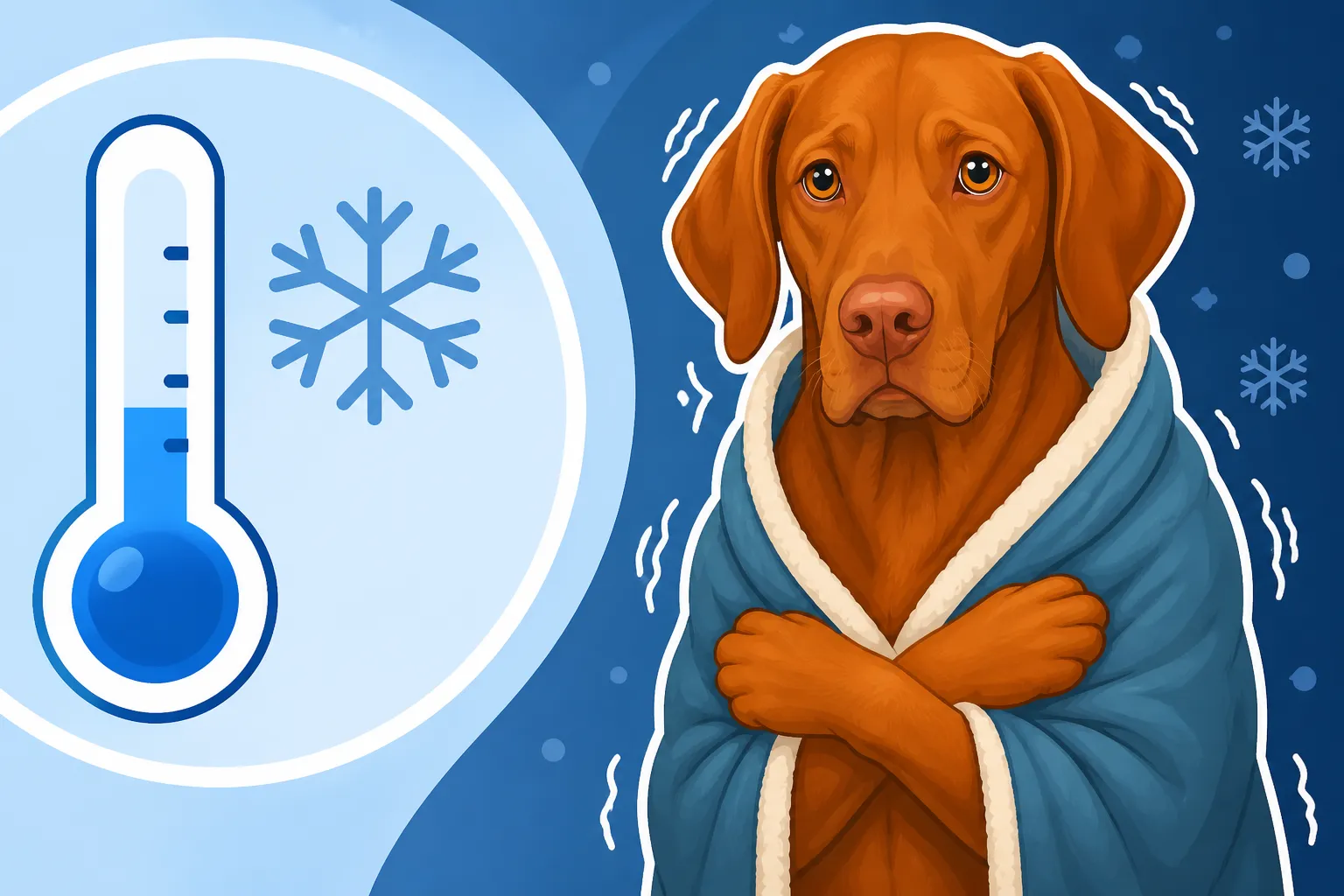
There's no single magic number, but generally, most Vizslas will start to show signs of being cold, including shivering, when temperatures dip below 45-50°F (7-10°C), especially if they are inactive or wet. However, this is just a guideline, and several factors can influence it:
- Individual Variation: Just like people, some Vizslas are more sensitive to cold than others. A younger, very active Vizsla might tolerate slightly lower temperatures for a short period, while an older dog, or one with a health issue, might shiver at milder temperatures. The Age a Vizsla Counts as Senior and Whether an Old Vizsla Feels the Cold More are important considerations.
- Activity Level: A Vizsla actively working in the field, flushing birds, or running vigorously will generate a lot of body heat. They might be comfortable in cooler temperatures that would make an inactive Vizsla shiver. However, once they stop, or if they are just lounging in the yard, that internal heat production quickly dwindles.
- Wind Chill and Wetness: Wind can make a 50°F day feel like 40°F, stripping away body heat rapidly. Even more critical is wetness. A Vizsla that is damp or wet, whether from rain, snow, or swimming, will get cold much faster. Water conducts heat away from the body far more efficiently than air, making even moderately cool temperatures dangerous. This is why Whether Cold Water Is Dangerous for a Vizsla is a serious question.
- Duration of Exposure: Short bursts of cold exposure are generally less problematic than prolonged periods. An hour-long walk in 40°F might be fine, but an entire afternoon spent outside could lead to significant cold stress.
Shivering itself is your dog's body trying to help! It's an involuntary muscular contraction designed to generate heat. When you see those shivers, it’s a clear signal that their internal thermostat is struggling to keep up.
Beyond the Shakes: Other Cold Indicators
While shivering is often the most obvious sign, your Vizsla might display other behaviors indicating they are cold before the full-on shivers start. Learning to read these more subtle cues can help you intervene sooner.
Here are some other signs to watch for:
- Hunching or Curling Up: Your Vizsla might adopt a hunched posture, tucking their tail and pulling their limbs closer to their body to minimize exposed surface area and conserve heat. They might curl into a tight ball when resting, even indoors. Whether a Vizsla Curls Up Tight to Stay Warm is a common sight in chilly homes.
- Seeking Shelter: They'll actively try to find warmer spots, whether it's burrowing under blankets, trying to get closer to a heat vent, or pressing against your leg.
- Lifting Paws or Reluctance to Move: Cold ground, especially snow or ice, can be painful for their sensitive paws. You might see them lifting one paw at a time, mincing steps, or being reluctant to go outside or walk on cold surfaces.
- Whining or Vocalizing: Some Vizslas will whine, whimper, or even bark softly to express their discomfort.
- Anxiety or Restlessness: Instead of settling, a cold Vizsla might pace or act agitated, unable to find a comfortable warm spot.
- Cold to the Touch: If your Vizsla's ears, paws, or the tip of their tail feel unusually cold, it’s a definite sign their body temperature is dropping.
If you notice these signs, especially in conjunction with shivering, it's time to take action to warm them up. Ignoring these signals can lead to more serious conditions like hypothermia, which can be life-threatening.
Practical Strategies for Keeping Your Vizsla Warm
Knowing your Vizsla's cold sensitivity means you, as their dedicated human, have to be proactive about their comfort and safety. It’s not just about stopping the shivering; it’s about preventing it in the first place.
Essential Cold Weather Gear
One of the simplest yet most effective ways to combat the cold for a Vizsla is investing in appropriate winter gear. This isn't just about fashion; it's about crucial protection.
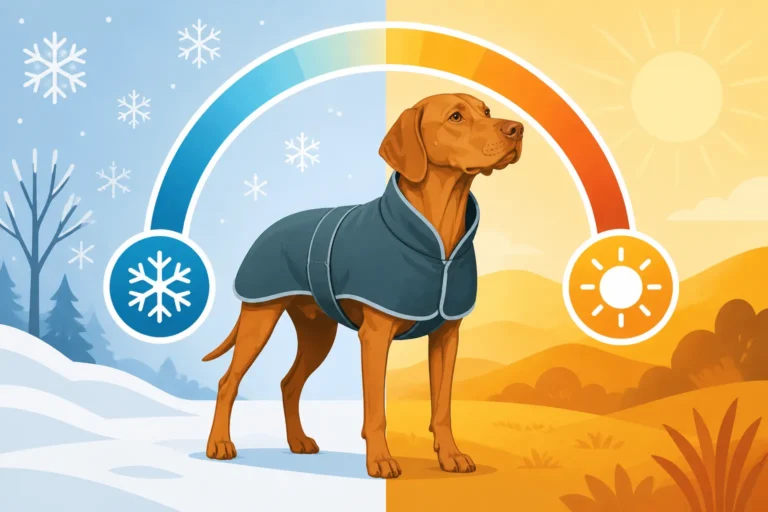
- Dog Coats and Sweaters: A well-fitting coat or sweater is a game-changer. Look for options that cover their chest and belly, as these areas are particularly vulnerable. Materials like fleece, wool blends, or waterproof, insulated fabrics are ideal. For light chills, a simple fleece might suffice, but for truly cold or wet conditions, a more substantial, waterproof jacket is essential. Many great options can be found on online retailers like Chewy or Amazon, where you can read reviews from other Vizsla owners. The Temperature a Vizsla Needs a Coat At is generally anything below 50°F for extended periods, or even higher if it's windy and wet. Whether a Vizsla Needs a Winter Jacket isn't a luxury; it's a necessity in many climates.
- Paw Protection (Boots): Snow, ice, and road salt can be incredibly harsh on a Vizsla's delicate paw pads. Dog boots provide a protective barrier. While some dogs take time to adjust to them, they can prevent painful cracks, frostbite, and chemical burns from de-icing agents. If boots aren't an option, consider using a paw balm or wax before going out and thoroughly cleaning their paws with warm water after walks.
- Visibility Gear: In winter, daylight hours are shorter. If you're out hunting or even just walking near roads in low light, ensure their coat or vest includes reflective elements or bright colors like blaze orange to keep them visible.
When choosing gear, pay attention to the fit. It should be snug enough to prevent drafts but not so tight that it restricts movement or rubs. Remember, their comfort is key.
Providing a Warm Indoor Environment
Even if your Vizsla spends most of their time indoors, ensuring their living space is sufficiently warm is vital. Their single coat means they can feel the chill even within the house, especially if you like to keep your thermostat a bit lower.
- Cozy Sleeping Spots: A regular dog bed might not cut it. Invest in a plush, well-insulated dog bed, perhaps one with raised sides that they can burrow into. Heated dog beds are fantastic for Vizslas, offering a consistent source of warmth and incredible comfort, especially for older dogs or those with joint issues. Why a Vizsla Needs Somewhere Warm to Sleep is not just a preference, it's a physiological requirement.
- Blankets for Burrowing: Vizslas love to burrow. Provide plenty of soft blankets, throws, or even an old sleeping bag for them to dig into and create their own warm den. They will often Whether a Vizsla Pushes Under a Blanket for warmth and security.
- Draft Prevention: Check for drafts near windows, doors, or even gaps in floorboards, especially where your Vizsla sleeps or rests. A drafty floor can make a room feel significantly colder to a low-slung dog.
- Supervised Access to Warmth: During colder spells, ensure they have access to warmer parts of the house. You might find them gravitating towards sunny spots on the floor or by the fireplace (safely, of course).
- Never an Outdoor Dog: Let’s be absolutely clear: a Vizsla is never an outdoor dog, especially not in cold weather. Their thin coat and lack of body fat make prolonged outdoor exposure dangerous and inhumane. Whether a Vizsla Can Sleep Outdoors should always be a resounding no. They are companion dogs who need to be inside with their family, warm and safe.
Adjusting Activity and Nutrition
How you manage your Vizsla's exercise and diet also plays a significant role in their ability to cope with cold weather.
- Shorter, More Frequent Outdoor Sessions: In bitter cold, especially with wind or precipitation, opt for shorter, more frequent potty breaks and walks. Intense exercise should be curtailed or moved indoors if possible. If you are hunting in cold weather, ensure your Vizsla takes regular breaks, and you have a warm blanket or crate for them to recover in. Whether a Vizsla Hunts in Freezing Weather means being extra vigilant and prepared.
- Maintaining a Healthy Weight and Muscle Mass: A lean Vizsla is a healthy Vizsla, but being too thin can exacerbate cold sensitivity. Ensure your dog maintains a healthy weight. Their high metabolism means they burn through calories quickly, especially if they are active. In colder months, some working Vizslas might benefit from a slight increase in their calorie intake to help them generate more body heat. Quality food, perhaps a performance formula, can be a great ally. Companies like Ollie, known for fresh, high-quality ingredients, might be a consideration for maintaining peak condition, or a good performance kibble from Chewy. Feeding a Vizsla That Burns Everything It Eats is a constant challenge for owners, and winter adds another layer to that.
- Warm-Up and Cool-Down: Just like human athletes, a Vizsla working in cold weather benefits from a proper warm-up before intense activity and a gentle cool-down afterward to prevent muscles from getting stiff and cold.
- Hydration: Even in cold weather, adequate hydration is crucial. Ensure your Vizsla always has access to fresh, unfrozen water, especially if they are exercising.
By being mindful of these strategies, you can significantly improve your Vizsla's comfort and safety when the temperatures drop.
When Shivering Becomes a Concern: Knowing When to Act
While a certain amount of shivering can be a normal physiological response to cold, there are times when it signals something more serious. It's vital for Vizsla owners to understand the difference between mild discomfort and a potentially dangerous situation like hypothermia.
Differentiating Normal Shivers from Distress
Most Vizslas will shiver occasionally, especially after coming in from a cool walk or if they're a bit damp. This "normal" shivering is usually brief, resolves quickly once they are warm, and doesn't come with other alarming symptoms. It's their body's way of saying, "Hey, I'm a little chilly here, could you crank up the heat or hand over a blanket?"
However, shivering can progress to a sign of genuine distress if:
- It's Persistent and Uncontrollable: The shivering doesn't stop even after you've brought them into a warmer environment or wrapped them in a blanket. It might become more violent or convulsive.
- Accompanied by Other Symptoms: This is the critical indicator. Look for:
- Lethargy or Weakness: Your normally energetic Vizsla becomes unusually tired, sluggish, or unresponsive.
- Cold to the Touch: Their extremities (ears, paws, tail) feel icy, and their body feels significantly colder than normal.
- Stiffness or Muscle Pain: They might be reluctant to move, or their movements might appear stiff and uncoordinated.
- Pale Gums: Their gums might appear pale or even bluish.
- Mental Confusion or Disorientation: They might seem spaced out, not recognize familiar commands, or act confused.
- Slow or Shallow Breathing: Their breathing rate might decrease significantly.
- Dilated Pupils: Their eyes might look different.
If you observe these more severe symptoms alongside prolonged shivering, your Vizsla could be experiencing hypothermia, which is a medical emergency. The Cold a Vizsla Genuinely Cannot Handle is when these signs appear.
Immediate Steps for a Severely Chilled Vizsla
If you suspect your Vizsla is severely chilled or hypothermic, acting quickly and calmly is crucial.
- Get Them Indoors Immediately: Remove them from the cold environment.
- Dry Them Thoroughly: If they are wet, towel them dry vigorously but gently.
- Wrap Them in Warm Blankets: Use pre-warmed towels or blankets from a dryer if possible. Even your own body heat can help; cuddle them close, under blankets if they allow.
- Gentle, Gradual Warming: Avoid rapid heating, such as hot water bottles or direct heat from a hairdryer, as this can cause burns or shock. Instead, use warm (not hot) water bottles wrapped in towels and placed near their body, or a heated bed if available. Focus on warming their core body temperature.
- Offer Warm, Not Hot, Fluids: If they are conscious and willing to drink, offer small amounts of warm (not hot) broth or water. Do not force them to drink if they are unresponsive or weak, as they could aspirate it.
- Contact Your Veterinarian: Even if your Vizsla seems to be recovering, it's always best to contact your vet immediately if you suspect hypothermia. They can advise you on next steps, confirm the diagnosis, and check for any underlying issues or complications. They might recommend bringing your dog in for professional assessment and treatment. An out-of-hours vet visit may be necessary, and while it's an expense, your dog's life is absolutely worth it.
Being prepared with appropriate gear, understanding your Vizsla's unique needs, and knowing when to seek professional help are all part of responsible Vizsla ownership. Your active, sensitive companion depends on you to keep them safe and warm, especially when the temperature drops.
Disclaimer
This article is for general informational purposes only and does not constitute professional advice. Laws, prices and regulations vary by location and change over time. Consult a qualified professional for guidance on your specific situation.