Epilepsy in a Vizsla
There's nothing quite like the heart-stopping terror of watching your beloved Vizsla suddenly collapse, muscles twitching uncontrollably, eyes glazed over, seemingly unaware of its surroundings. For many Vizsla owners, this horrifying experience is the first introduction to the world of canine epilepsy, a condition that can feel bewildering, isolating, and deeply frightening. If you've witnessed your vibrant, energetic companion seize, you're not alone in feeling a profound sense of helplessness and worry about their future. This comprehensive guide is here to unravel the complexities of epilepsy in Vizslas, offering you the knowledge, practical advice, and emotional support needed to navigate this challenging journey with your cherished dog.
Understanding Epilepsy in Vizslas: The Unpredictable Challenge
Epilepsy is one of the most common neurological disorders affecting dogs, and it’s particularly prevalent in certain breeds, including our beloved Vizslas. It's not a single disease, but rather a catch-all term for recurrent seizures caused by abnormal electrical activity in the brain. For Vizsla owners, understanding the nuances of this condition is the first step toward effective management and ensuring your dog still lives a full, happy life.
What Exactly Is Canine Epilepsy?
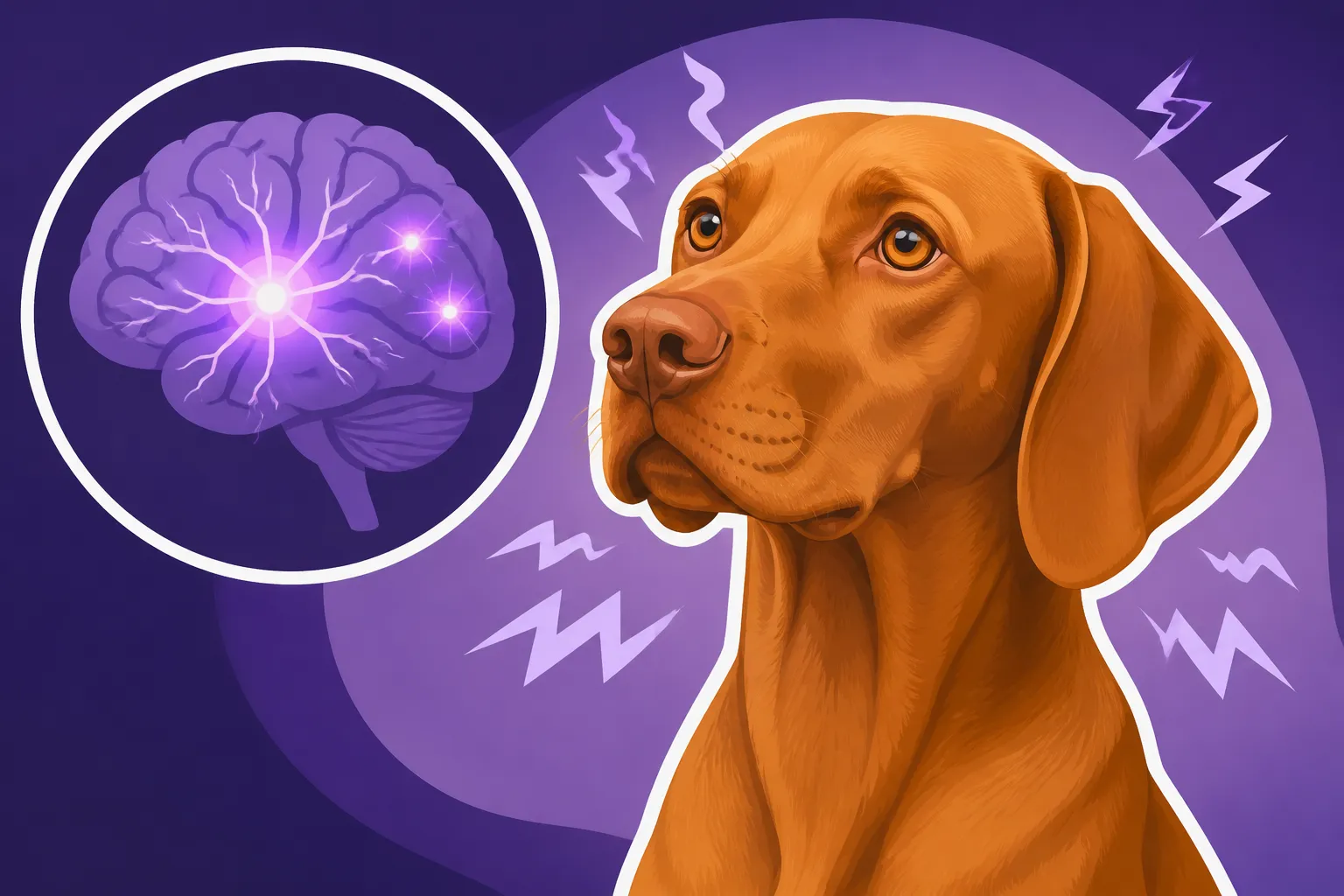
At its core, a seizure is a temporary, uncontrolled burst of electrical activity in the brain. Think of it like a short circuit or an electrical storm brewing upstairs. This sudden disruption can manifest in a myriad of ways, from full-body convulsions to subtle behavioral changes. In veterinary medicine, epilepsy is typically divided into two main categories: primary, or idiopathic, epilepsy, and secondary epilepsy.
Primary or idiopathic epilepsy is diagnosed when no underlying cause for the seizures can be found despite thorough diagnostic testing. This is often believed to have a genetic basis, meaning your Vizsla inherited a predisposition to the condition. It's the most common form of epilepsy in dogs and unfortunately, it's frequently seen in breeds like Vizslas, Beagles, German Shepherds, and Golden Retrievers. The brain itself appears structurally normal, but there's an inherent "fault" in how the neurons fire. This can be incredibly frustrating for owners because there isn't a visible injury or disease to point to; it's just how your dog's brain is wired.
Secondary epilepsy, on the other hand, is caused by an identifiable structural problem in the brain or a metabolic issue elsewhere in the body affecting brain function. This could include brain tumors, inflammation (encephalitis), infections, trauma, strokes, or even metabolic disturbances such as severe liver disease, kidney failure, or dangerously low blood sugar. In these cases, treating the underlying cause, if possible, is key to controlling the seizures. However, sometimes even after the primary cause is addressed, the brain can be damaged to a point where seizures persist, requiring ongoing anti-epileptic medication.
Why Vizslas Seem Predisposed to Seizures
The Vizsla, with its elegant build and boundless energy, is a marvel, but like many purebred dogs, it carries certain genetic predispositions. Unfortunately, epilepsy is one of those conditions that appear with higher frequency in our ginger companions. While the exact genetic markers for idiopathic epilepsy in Vizslas are still being researched, it's widely accepted within the veterinary community and among breeders that there is a familial component. This means that if a Vizsla’s parents or close relatives have a history of seizures, the likelihood of that Vizsla developing epilepsy increases significantly.
This predisposition is likely linked to the breed's history. The Vizsla nearly went extinct twice, with significant bottlenecking in their population, especially around the turn of the 20th century. During the 1900s, the breed was rebuilt from a very small number of dogs, which, while saving the breed, also led to a more narrowed gene pool. This reduced genetic diversity can concentrate certain genetic conditions, including immune-mediated diseases and neurological disorders like epilepsy. This also relates to Why Vizslas Carry So Much Immune Disease
It's a bittersweet reality that the traits we love about Vizslas—their intelligence, their intensity, their close bond with humans—can sometimes come with a genetic trade-off. For breeders, understanding these inherent risks is paramount, and responsible breeding practices aim to minimize the transmission of such genetic predispositions. For owners, it means being vigilant and informed about the breed's specific health challenges.
The Age Epilepsy Starts in a Vizsla
When we talk about The Age Epilepsy Starts in a Vizsla there's a fairly typical window that veterinarians often see. For idiopathic epilepsy, the most common form in Vizslas, seizures usually begin between 6 months and 6 years of age. This broad range can be a source of anxiety for owners of young Vizslas, as they often spend those formative years wondering if and when the first seizure might strike.
Seizures that begin before 6 months of age are often classified as juvenile epilepsy. While this can sometimes be idiopathic, it also raises a flag for other potential underlying causes, such as congenital brain abnormalities, infections, or exposure to toxins. The younger the onset, the more aggressively a vet might pursue diagnostics to rule out treatable conditions. On the other end of the spectrum, if seizures first appear in an older Vizsla, typically over the age of 5 or 6, a vet will usually lean towards investigating secondary causes. Brain tumors, for example, become more common as dogs age, and other metabolic issues or organ failures can also manifest with seizure activity later in life.
It's important to remember that this age range is a general guideline. Some Vizslas might have their first seizure outside this window. Regardless of when the first seizure occurs, it always warrants a comprehensive veterinary evaluation to determine the most likely cause and appropriate course of action. The age of onset can be a vital clue for your veterinarian in guiding their diagnostic approach.
Recognizing the Signs of a Seizure in Your Vizsla
Witnessing your Vizsla having a seizure is undoubtedly terrifying. However, knowing what to look for, even the subtle signs, can help you provide crucial information to your vet and understand what's happening. Seizures aren't always the dramatic, full-body events often depicted; they can manifest in various ways, and identifying them accurately is key to diagnosis.
The Stages of a Grand Mal Seizure
The most commonly recognized type of seizure is the generalized, or "grand mal," seizure. This involves both sides of the brain and typically presents with dramatic symptoms. A grand mal seizure usually occurs in three distinct phases: the pre-ictal phase, the ictal phase, and the post-ictal phase. Each phase offers important clues about what your dog is experiencing.
The pre-ictal phase, also known as the aura, is the period immediately before the seizure. This can last anywhere from a few seconds to several hours, though it's often missed by owners because the signs can be subtle. During this phase, your Vizsla might display unusual behavior. They might become restless, anxious, seek comfort intensely, or appear disoriented. Some dogs might hide, while others become excessively clingy. You might notice subtle changes in their breathing, pacing, whining, or even salivation. Recognizing this phase, while difficult, can give you a precious moment to ensure your Vizsla is in a safe location, away from stairs or sharp objects, before the main event begins.
The ictal phase is the actual seizure itself. This is the most distressing part to witness. During a grand mal seizure, your Vizsla will typically lose consciousness and fall to the ground. Their limbs will become rigid, followed by rhythmic paddling movements or violent twitching. Their jaw might clamp shut, and they may chew rapidly, often leading to excessive drooling. Urination and defecation are common, as dogs lose control of their bladder and bowels. Their eyes might be fixed, wide open, or roll back in their head. The key characteristic of this phase is that it is involuntary – your dog is not aware of what is happening. The ictal phase usually lasts from a few seconds to a few minutes. While it feels like an eternity when you're watching, timing the seizure accurately is critical information for your vet.
Finally, the post-ictal phase follows the seizure. During this period, which can last minutes to hours, or even days, your Vizsla will gradually regain consciousness but will likely be disoriented and confused. They might wander aimlessly, bump into objects, or appear temporarily blind. They could be extremely tired, thirsty, or hungry. Some dogs become agitated, aggressive, or unusually clingy. This phase is characterized by a gradual return to normal behavior, but your Vizsla is still recovering from the intense neurological event. It’s vital to allow them to recover quietly and safely, offering comfort and water as they come around. Never assume your dog is "fine" just because the convulsions have stopped; their brain is still working hard to re-establish normal function.
Other Types of Seizures: Petit Mal and Focal Seizures
While grand mal seizures are the most dramatic and easily recognized, not all seizures in Vizslas present with such overt signs. There are other forms, like focal (or partial) seizures and petit mal (or absence) seizures, which can be much more subtle and therefore harder to identify, often leading to delayed diagnosis.
Focal seizures, also known as partial seizures, originate in a specific, localized area of one side of the brain. Because only a part of the brain is affected, the symptoms are localized and don't involve the entire body in the same way a grand mal seizure does. These can manifest as twitching of a single limb, a side of the face, or just one ear. Your Vizsla might exhibit repetitive behaviors, such as "fly-biting" (snapping at invisible flies), lip-licking, or staring blankly into space. Some dogs might experience unusual vocalizations or exhibit a sudden, uncharacteristic fear or aggression. They may or may not lose consciousness during a focal seizure, and often, they remain somewhat aware of their surroundings, though they might appear confused or unresponsive if you try to interact with them. For a Vizsla, who is usually very tuned into their human, this unresponsiveness can be a key indicator. These seizures can sometimes progress into generalized seizures, a phenomenon known as "secondary generalization."
Petit mal seizures, or absence seizures, are much less common and more difficult to diagnose in dogs compared to humans. These are characterized by brief, sudden lapses in awareness, often lasting only a few seconds. Your Vizsla might simply pause mid-stride, stare blankly, or have a very brief period of unresponsiveness, perhaps with a slight head bob or eye twitch. There are no dramatic convulsions, falling, or loss of bodily function. Because Vizslas are so active and engaged, a momentary pause might easily be dismissed as them being distracted or simply resting. Videoing any suspicious behavior can be invaluable for your vet if you suspect your Vizsla is having these subtle episodes. The subtlety of these seizures is precisely why a thorough description and potentially video evidence are crucial for your veterinarian.
Differentiating Seizures from Other Neurological Events
It’s easy to jump to conclusions when your Vizsla suddenly experiences an unusual episode. However, not every collapse or strange behavior is a seizure. Many other conditions can mimic seizure activity, and differentiating them is essential for accurate diagnosis and appropriate treatment. Conditions like syncope, vestibular disease, and certain sleep disorders can be particularly confusing for owners.
Syncope, or fainting, occurs when there’s a temporary loss of blood flow to the brain, leading to a brief loss of consciousness. Unlike seizures, which are characterized by uncontrolled electrical activity, syncope is a cardiovascular event. Dogs experiencing syncope typically collapse limply and recover quickly, often within seconds. They don’t usually exhibit the rigid muscle contractions or paddling movements seen in grand mal seizures, nor do they typically urinate or defecate. The post-syncopal period is also much shorter and less disoriented than a post-ictal seizure phase. Syncope can be triggered by excitement, coughing, or heart conditions.
Vestibular disease affects the inner ear or the part of the brain responsible for balance. Dogs with vestibular disease often present with sudden onset of dizziness, loss of balance, head tilting, circling, vomiting, and abnormal eye movements (nystagmus). They might appear disoriented and stagger as if drunk. While alarming, these symptoms are related to balance, not abnormal brain electrical activity. They are generally conscious and responsive, though severely distressed by their disorientation. The signs might look like your Vizsla is "losing it," but it's a balance issue.
Sleep disorders, such as narcolepsy or cataplexy, can also be mistaken for seizure activity. Narcolepsy involves sudden, uncontrollable episodes of falling asleep, often triggered by excitement or play. Cataplexy is a sudden loss of muscle tone, causing the dog to collapse, but they remain fully conscious and aware. These episodes are usually very brief and the dog recovers quickly. These are distinct from seizures as there's no abnormal brain electrical activity causing convulsions or disorientation in the same way.
The best way to help your veterinarian differentiate these conditions is to capture video footage of the event. Even a short clip of your Vizsla's behavior during the episode, and immediately before and after, can provide invaluable diagnostic clues that a verbal description alone cannot convey. Your detailed observations, combined with a vet’s expertise, are critical in teasing apart these complex neurological events.
Diagnosing Epilepsy: Ruling Out Other Possibilities
Diagnosing epilepsy, especially the idiopathic form, isn't as simple as running a single test. It's often a diagnosis of exclusion, meaning your veterinarian will perform a battery of tests to rule out every other possible cause for your Vizsla's seizures. This process can be thorough, time-consuming, and emotionally taxing, but it’s essential to ensure your dog receives the correct treatment.
The Initial Veterinary Examination and Blood Work
When your Vizsla experiences its first seizure, the first step is always an immediate trip to your veterinarian. They will begin with a comprehensive physical examination and a thorough neurological exam. This is where they assess your Vizsla's reflexes, coordination, gait, vision, and mental status. The goal is to pinpoint any specific neurological deficits that might suggest a localized brain lesion or broader neurological problem. They'll be looking for signs of imbalance, muscle weakness, or abnormal eye movements.
Following the physical exam, extensive blood work is almost always recommended. This is a critical step in ruling out secondary causes of seizures. A complete blood count (CBC) can reveal infections, anemia, or other systemic issues. A comprehensive chemistry panel will assess organ function, particularly the liver and kidneys, as metabolic disturbances in these organs can lead to toxin buildup that affects the brain and triggers seizures. For instance, severe liver disease or portosystemic shunts can cause neurological signs, and a bile acid test may be run to investigate this further.
Additionally, a thyroid panel is often included in the initial workup, especially for a breed like the Vizsla. Thyroid Failure in a Vizsla can sometimes present with neurological symptoms, though seizures are less common than other signs like lethargy or skin issues. Still, it’s an important box to check. Your vet might also recommend screening for infectious diseases common in your area, such as tick-borne illnesses (e.g., Lyme disease, Ehrlichiosis), which can also cause neurological signs. While these initial tests might not directly diagnose idiopathic epilepsy, they are vital in eliminating other, treatable causes for your Vizsla's seizures. Many Vizsla owners will want to ensure Whether a Vizsla's Thyroid Should Be Tested Yearly.
Advanced Diagnostics: MRI and CSF Analysis
If the initial physical exam, neurological assessment, and blood work don’t reveal an obvious cause for your Vizsla's seizures, your veterinarian will likely recommend advanced diagnostics. These tests delve deeper into the brain itself and are crucial for ruling out structural abnormalities that could be causing secondary epilepsy. This is where the detective work really ramps up.
The gold standard for evaluating the brain's structure is a Magnetic Resonance Imaging (MRI) scan. This non-invasive imaging technique provides incredibly detailed images of your Vizsla's brain tissue. An MRI can detect brain tumors, inflammation (encephalitis), cysts, strokes, hydrocephalus (fluid on the brain), or structural malformations that might be triggering seizures. It's often performed under general anesthesia because the dog must remain perfectly still for the duration of the scan. For many owners, the cost of an MRI can be a significant concern, but it’s a vital step to ensure that a potentially treatable underlying brain lesion isn't being missed. Pet insurance, such as Healthy Paws, can be incredibly helpful in offsetting the substantial costs associated with these advanced diagnostics and treatments.
Alongside an MRI, a cerebrospinal fluid (CSF) analysis is often performed. CSF is the fluid that bathes the brain and spinal cord. A sample is collected, also under general anesthesia, through a spinal tap. This fluid is then analyzed for signs of inflammation, infection, or abnormal cells. An elevated white blood cell count in the CSF, for example, could indicate an inflammatory condition of the brain (meningoencephalitis), which can cause seizures and often requires specific immunosuppressive treatment. If both the MRI and CSF analysis come back completely normal, and all other potential causes have been ruled out, then a diagnosis of idiopathic epilepsy becomes much more likely.
The Role of an Electroencephalogram EEG
While MRI and CSF analysis are excellent for assessing structural and inflammatory issues, they don't directly measure brain electrical activity. That's where an Electroencephalogram (EEG) comes in. An EEG records the electrical patterns of the brain, much like an electrocardiogram (ECG) records heart activity. It involves placing electrodes on the scalp to detect the subtle electrical signals produced by brain neurons.
In human medicine, EEG is a primary diagnostic tool for epilepsy, as it can identify the characteristic abnormal brainwave patterns associated with seizure disorders. In veterinary medicine, however, EEG is less commonly used and is far more challenging to perform accurately. Dogs often have thick skulls and dense musculature, which can interfere with the signal. Furthermore, dogs typically need to be sedated or anesthetized for an EEG, which can alter brainwave patterns and make interpretation difficult. While some specialized veterinary neurology centers do offer EEG, it's not a routine diagnostic for most general practices.
For Vizslas suspected of having epilepsy, if an MRI and CSF analysis are normal, the diagnosis often defaults to idiopathic epilepsy based on the exclusion of other causes and the breed's known predisposition. An EEG might be considered in very specific, complex cases where there's lingering uncertainty or when trying to pinpoint a specific focal point of seizure origin, but it's important to understand its limitations and specialized nature in canine diagnostics. The combination of clinical signs, breed predisposition, and ruling out other conditions often provides enough information for a confident diagnosis.
Treatment Options for Managing Vizsla Epilepsy
Once your Vizsla has been diagnosed with epilepsy, the focus shifts to management. It's important to understand that epilepsy, especially the idiopathic form, is rarely cured. Instead, the goal of treatment is to reduce the frequency, severity, and duration of seizures, ultimately improving your Vizsla's quality of life. This usually involves a combination of anticonvulsant medications, and sometimes dietary or lifestyle adjustments.
First-Line Anticonvulsant Medications
For many Vizslas with epilepsy, medication becomes a lifelong necessity. The choice of medication often depends on the individual dog, the type and frequency of seizures, and any concurrent health conditions. The most common first-line anticonvulsant medications used in veterinary medicine are phenobarbital and potassium bromide.
Phenobarbital is a barbiturate that works by depressing nerve activity in the brain, thereby reducing the likelihood of seizures. It's often the first drug of choice for dogs with idiopathic epilepsy due to its effectiveness, relatively low cost, and once or twice-daily dosing schedule. However, phenobarbital requires careful monitoring. It is metabolized by the liver, and long-term use can sometimes lead to liver damage. Therefore, Vizslas on phenobarbital need regular blood tests (typically every 3-6 months) to monitor liver enzyme levels and phenobarbital concentrations in their bloodstream. These blood tests ensure the drug is at a therapeutic level – high enough to control seizures but not so high as to cause excessive sedation or liver toxicity. Common side effects include increased thirst, increased urination, increased appetite, and sedation, especially when starting the medication or after a dose adjustment. These side effects often lessen over time as your Vizsla's body adjusts.
Potassium bromide (KBr) is another commonly prescribed anticonvulsant, often used in conjunction with phenobarbital for better seizure control or as a sole agent if phenobarbital cannot be tolerated. KBr works by stabilizing nerve cell membranes, making them less excitable. One advantage of KBr is that it is excreted by the kidneys, not metabolized by the liver, making it a safer option for Vizslas with pre-existing liver conditions. However, KBr takes much longer to reach therapeutic levels in the bloodstream, sometimes weeks or even months, so it’s not ideal for acute seizure control. Side effects can include increased thirst and urination, increased appetite, and hind limb weakness or ataxia (wobbliness). Regular blood tests are also needed for KBr to monitor its levels and ensure kidney function remains healthy. It’s important to note that KBr can interact with certain diets, so consistency in food is often recommended.
Newer Medications and Adjunctive Therapies
For Vizslas whose seizures aren't adequately controlled by first-line medications, or who experience unacceptable side effects, veterinarians often turn to newer anticonvulsants or use them in combination with traditional drugs. The goal is always to find the most effective combination with the fewest side effects, giving your Vizsla the best possible quality of life.
Levetiracetam (Keppra) is a popular choice due to its rapid onset of action and relatively few side effects. It’s particularly useful for dogs experiencing cluster seizures or status epilepticus, as it can be given intravenously or as a loading dose to quickly establish therapeutic levels. Levetiracetam can be administered orally, typically three times a day, which can be a challenge for some owners to maintain. Unlike phenobarbital and KBr, it doesn’t typically require regular blood monitoring for liver or kidney function, though periodic checks are still good practice. Mild sedation can occur, but it's generally well-tolerated. It's often used as an add-on therapy when other medications aren't fully effective.
Zonisamide is another newer anticonvulsant that can be used alone or in combination with other drugs. It's generally well-tolerated and requires less frequent dosing than levetiracetam, often given twice daily. Side effects can include sedation, decreased appetite, and vomiting, but these are usually mild and transient. Zonisamide is metabolized by the liver but typically less so than phenobarbital, making it another option for dogs with some liver compromise. Monitoring usually involves checking blood levels occasionally to ensure it's within the therapeutic range.
Gabapentin is sometimes used as an adjunctive therapy, especially if pain or anxiety is thought to be contributing to seizure frequency, or for its mild anticonvulsant effects. It’s generally very safe but often causes sedation, particularly at higher doses. It's typically given three times a day. While not a potent primary anticonvulsant, it can be helpful in a multimodal approach.
For emergency situations, particularly for cluster seizures (multiple seizures within a 24-hour period) or status epilepticus (a single seizure lasting more than 5 minutes, or multiple seizures without full recovery in between), your veterinarian may prescribe rectal diazepam (Valium) or midazolam. These benzodiazepines can be administered at home to quickly interrupt an ongoing seizure and prevent it from becoming life-threatening. Having an emergency plan and medication readily available is a vital part of managing a Vizsla with epilepsy.
Dietary and Lifestyle Adjustments
While medication forms the cornerstone of epilepsy treatment, certain dietary and lifestyle adjustments can play a supportive role in managing your Vizsla's condition and potentially reducing seizure frequency or severity. These aren't standalone treatments but rather complementary approaches.
One area of growing interest is the ketogenic diet. Similar to its use in human epilepsy, a diet high in fats and low in carbohydrates can induce a state of ketosis, which some research suggests can have neuroprotective and anticonvulsant effects. Specific veterinary therapeutic diets formulated to support brain health, such as Purina Pro Plan Veterinary Diets Neurocare, are available and have shown promise in some epileptic dogs. These diets should always be introduced under veterinary guidance, as they are precisely balanced and require careful monitoring. Simply feeding a high-fat human diet is not appropriate and can lead to other health issues.
Beyond specific diets, consistency in routine and minimizing stress are crucial. Vizslas thrive on routine, and any sudden changes in their daily schedule, feeding times, exercise, or environment can be a potential stressor. Stress can sometimes lower a seizure threshold, making a dog more prone to having an episode. Try to maintain a predictable schedule for meals, walks, and medication administration. This is particularly important for a sensitive breed like the Vizsla. Ensuring your Vizsla gets consistent, appropriate exercise (internal link: The Two Hours a Vizsla Needs Before It Will Settle ) can also contribute to overall well-being and stress reduction.
Lastly, identifying and avoiding potential triggers can be helpful for some Vizslas. While idiopathic epilepsy often has no clear trigger, some owners notice correlations with extreme excitement, certain noises, specific foods, or even changes in weather. Keeping a detailed seizure log that includes not just the seizure details but also any unusual events leading up to it can help you identify patterns, if they exist. Creating a calm, predictable home environment, free from sudden loud noises or flashing lights, can also contribute to a stable neurological state for your epileptic Vizsla.
Living with an Epileptic Vizsla: Daily Management and Support
Living with a Vizsla that has epilepsy can be a profound adjustment for both dog and owner. It requires vigilance, consistency, and a deep well of patience and love. Beyond the medical treatments, daily management involves being prepared for seizures, adhering strictly to routines, and creating an environment that supports your dog's well-being.
What to Do When Your Vizsla Has a Seizure
The first time your Vizsla has a seizure, panic is a natural reaction. However, knowing what to do in those terrifying moments can help you remain calm and provide the best care. Your primary role during a seizure is to keep your dog safe and accurately record the event.
Stay Calm: This is easier said than done, but your Vizsla can pick up on your anxiety, which won't help them. Take a deep breath.
Ensure Safety: Move any furniture or objects your Vizsla might hit during convulsions. If they are near stairs or water, gently slide them to a safer, open area on the floor. Do NOT try to move them aggressively or lift them during the seizure itself, as you could injure yourself or them.
Do NOT Put Your Hands Near Their Mouth: It's a common misconception that dogs can swallow their tongue during a seizure. This is physically impossible. Trying to pull their tongue or put anything in their mouth is dangerous for you (they can accidentally bite down with immense force) and for them.
Time the Seizure: This is crucial information for your vet. Use a stopwatch or note the exact start and end times of the ictal (convulsing) phase. The duration of the seizure heavily influences your vet's treatment decisions. Note any unusual symptoms leading up to it and immediately after.
Observe and Describe: While it’s hard, try to make mental notes of what happened. Did it start with one limb twitching or was it sudden whole-body involvement? Were their eyes open or closed? Did they urinate or defecate? Did they vocalize? What was their recovery like? The more details, the better.
After the Seizure: Once the convulsions stop, your Vizsla will enter the post-ictal phase. They will be disoriented and confused. Keep them in a quiet, dimly lit area. Speak to them calmly and reassuringly. Offer a small amount of water once they are steady enough to drink without choking. Avoid excessive handling or stimulation during this time.
When to Seek Emergency Veterinary Care:
- Status Epilepticus: A single seizure lasting longer than 5 minutes. This is a medical emergency and requires immediate veterinary intervention to prevent brain damage.
- Cluster Seizures: Two or more seizures within a 24-hour period, with incomplete recovery in between. This also warrants prompt veterinary attention, as it can quickly escalate.
- Severe Injury: If your Vizsla injures themselves during the seizure (e.g., hits their head badly).
- First-Time Seizure: Always consult your vet after a first seizure to begin the diagnostic process.
Maintaining a Seizure Log and Medication Schedule
Consistency is paramount when managing an epileptic Vizsla. This means meticulously adhering to a medication schedule and keeping a detailed seizure log. These practices provide invaluable data for your vet and help you track your Vizsla's progress.
The Seizure Log: A seizure log is one of the most powerful tools you have. It should include:
- Date and Time of Seizure: Be as precise as possible.
- Duration of the Ictal Phase: The exact time the convulsions lasted.
- Type of Seizure: Grand mal, focal, etc.
- Severity: Mild, moderate, severe (your subjective assessment).
- Pre-ictal and Post-ictal Signs: What you observed before and after.
- Potential Triggers: Anything unusual that happened before the seizure (e.g., stress, specific food, loud noise).
- Medication Doses: Note if there were any missed doses or changes.
This log allows your veterinarian to identify patterns, evaluate the effectiveness of current medications, and make informed decisions about dose adjustments or adding new drugs. It can also help you identify any specific triggers unique to your Vizsla. Many smartphone apps are available specifically for tracking pet seizures, which can make this process easier.
Strict Medication Schedule: Anticonvulsant medications work best when they are given consistently at precise intervals. Missing a dose or giving it late can lead to fluctuations in drug levels in the bloodstream, which can trigger a seizure. Your Vizsla’s veterinarian will prescribe a specific dosing schedule (e.g., every 12 hours), and it's vital to stick to it.
- Set Alarms: Use phone alarms or medication reminder apps to ensure you never miss a dose.
- Plan Ahead: If you're traveling or going to be away from home, make sure you have enough medication and a plan for who will administer it at the correct times.
- Never Adjust Doses Without Vet Consultation: Changing medication dosages or stopping them abruptly can be extremely dangerous and can lead to more severe seizures or withdrawal symptoms. Always discuss any changes with your veterinarian.
Creating a Safe and Low-Stress Environment
For a Vizsla prone to seizures, their home environment plays a significant role in their overall well-being. Creating a safe, predictable, and low-stress space can help reduce the frequency and severity of seizures and ensure their safety during an episode.
Minimize Stressors: Vizslas are known for their sensitive nature. Loud noises, chaotic environments, sudden changes in routine, or prolonged periods of separation can all be sources of stress, which could potentially lower a seizure threshold for some dogs. Try to maintain a calm and predictable household. If you anticipate stressful events like visitors or fireworks, discuss prophylactic measures with your vet.
Dog-Proof Your Home: Just as you would for a puppy, consider the safety of your home for an epileptic Vizsla.
- Stairs: If your Vizsla has seizures frequently, consider blocking off stairs to prevent falls during an episode.
- Sharp Objects/Hard Surfaces: Evaluate areas where your Vizsla spends time. Can they easily bump into sharp corners or fall onto hard, unforgiving surfaces? Soften these areas if possible.
- Water Hazards: If you have a pool or pond, ensure it's securely fenced off. A Vizsla could drown if they seize while unsupervised near water.
Consistent Exercise and Mental Stimulation: While managing epilepsy is serious, your Vizsla still needs to be a Vizsla! Regular, appropriate exercise and mental stimulation are vital for their physical and mental health. A well-exercised Vizsla is generally a happier, less anxious Vizsla. Ensure their exercise routine is consistent and doesn't lead to over-exertion, which could be a stressor for some individuals. Enrichment activities like scent work, puzzle toys, and training sessions can also help keep their minds engaged in a positive, calming way. What Vizslas Are Most Often Treated For, is a useful article in understanding other considerations beyond seizure management.
Warmth and Comfort: Vizslas have a thin coat and can get cold easily. After a seizure, some dogs may have difficulty regulating body temperature. Provide soft, warm bedding in a quiet, draft-free area for recovery. Why a Vizsla Needs Somewhere Warm to Sleep, is a crucial consideration for all Vizslas, but especially those with health challenges.
By proactively managing their environment and daily life, you are not only helping to mitigate seizure risks but also ensuring your Vizsla can continue to live a fulfilling life despite their condition.
Prognosis and Long-Term Care for Vizslas with Epilepsy
Receiving an epilepsy diagnosis for your Vizsla can feel like a life sentence, but it's important to remember that many epileptic dogs live long, happy lives with proper management. Understanding the long-term prognosis, potential challenges, and when to make difficult decisions is part of being a responsible and empathetic owner.
Understanding the Goals of Treatment
When a Vizsla is diagnosed with epilepsy, it's crucial for owners to have realistic expectations about treatment. The primary goal is almost never a complete cure, especially with idiopathic epilepsy. Instead, the focus is on achieving effective seizure control. This means aiming to:
- Reduce Seizure Frequency: The ideal is to reduce the number of seizures to an acceptable level, often defined as less than one seizure every 1-3 months, or even less frequently.
- Decrease Seizure Severity: Medications can often lessen the intensity of convulsions and other symptoms, making the seizures less distressing for both the dog and the owner.
- Shorten Seizure Duration: Shorter seizures are generally safer for the dog, reducing the risk of overheating and brain damage.
- Improve Quality of Life: Ultimately, the aim is for your Vizsla to live as normal and happy a life as possible, free from debilitating seizures and excessive medication side effects.
Achieving complete seizure freedom is rare for many epileptic dogs, but significant improvement in these areas is often attainable. It's a journey of finding the right medication or combination of medications and dosages, which can take time and require patience. Regular communication with your veterinarian is essential to fine-tune the treatment plan and monitor your Vizsla's response.
Potential Long-Term Side Effects of Medication
While anti-epileptic medications are vital for seizure control, it's important to be aware of their potential long-term side effects. These often dictate the need for regular monitoring and sometimes influence medication choices.
Liver Health with Phenobarbital: As mentioned earlier, phenobarbital is metabolized by the liver, and long-term use can sometimes lead to elevated liver enzymes or, in rarer cases, more significant liver damage. This is why regular blood tests are non-negotiable for Vizslas on phenobarbital. These tests monitor liver enzyme levels (e.g., ALT, ALP) and also measure the concentration of phenobarbital in the blood to ensure it's within a safe and therapeutic range. If liver values become concerning, your vet might reduce the phenobarbital dose, add a second drug to allow for a lower phenobarbital dose, or switch to a different primary anticonvulsant.
Weight Gain and Sedation: Many anticonvulsants, including phenobarbital and potassium bromide, can lead to increased appetite and weight gain. Coupled with potential sedation or reduced activity, this can quickly lead to an overweight Vizsla, which carries its own health risks. Monitoring your Vizsla's food intake and ensuring they get appropriate exercise are important. Sedation, especially when starting medication, is common but should ideally decrease as your Vizsla adjusts. If persistent, severe sedation impacts their quality of life, a dose adjustment or medication change might be needed.
Other Potential Effects: Potassium bromide can, in some cases, cause pancreatitis or skin issues, though these are less common. Newer drugs like levetiracetam and zonisamide generally have fewer severe long-term side effects but can still cause mild gastrointestinal upset or transient sedation. It's important to discuss all potential side effects with your vet and report any new or concerning symptoms promptly. Managing these side effects is a balancing act, ensuring seizure control without compromising your Vizsla's overall health and happiness. Pet insurance, such as Healthy Paws, can be incredibly beneficial in covering the ongoing costs of medication, blood monitoring, and any complications that arise from long-term treatment.
Quality of Life and When to Make Difficult Decisions
Despite the best efforts, there may come a time when managing your Vizsla's epilepsy becomes overwhelmingly challenging, or their quality of life significantly deteriorates. This is perhaps the hardest aspect of living with a chronic illness.
Assessing Quality of Life: Quality of life is subjective but generally refers to your Vizsla's overall well-being, happiness, and comfort. Consider factors such as:
- Seizure Control: Are the seizures becoming more frequent, severe, or prolonged despite medication adjustments? Is your Vizsla experiencing frequent cluster seizures or status epilepticus?
- Post-Ictal Recovery: Is the post-ictal period becoming longer, more disorienting, or more distressing for your Vizsla? Are they taking days to recover fully?
- Medication Side Effects: Are the side effects of medication (e.g., severe sedation, liver problems, hind limb weakness) significantly impacting their ability to enjoy life, eat, or interact?
- Overall Happiness: Is your Vizsla still enjoying their favorite activities, interacting with the family, and showing interest in food and play? Are they in constant pain or distress?
Making Difficult Decisions: The decision to euthanize a beloved pet is agonizing. If your Vizsla's seizures become refractory (resistant to all available medications), leading to a constant cycle of severe seizures and debilitating recovery periods, or if the side effects of medications become unbearable, then quality of life becomes a serious concern. This is a deeply personal decision that should be made in consultation with your veterinarian, who can offer an objective assessment of your Vizsla's medical status and prognosis. Discussing their pain levels, comfort, and overall mental state is crucial. It's about preventing prolonged suffering and ensuring your Vizsla's final days are peaceful and dignified.
Breeding Considerations and Genetic Factors
For a breed like the Vizsla, where genetic health conditions are a concern, responsible breeding practices are paramount. Epilepsy, especially the idiopathic form, has a known genetic component in Vizslas, making breeding decisions a critical factor in the future health of the breed.
The Inherited Component of Vizsla Epilepsy
There is strong evidence pointing to a genetic basis for idiopathic epilepsy in Vizslas. This means that affected dogs, and potentially their close relatives who are carriers, can pass on the genes that predispose their offspring to developing seizures. While the exact mode of inheritance is still being studied and is likely complex (polygenic, involving multiple genes), the empirical observation of familial patterns of epilepsy is undeniable in the breed.
Given this inherited component, it is widely considered irresponsible to breed any Vizsla that has been diagnosed with idiopathic epilepsy. This includes both males and females. The ethical obligation of a breeder is to produce healthy puppies, and knowingly propagating a debilitating genetic condition goes against that principle. Even if a Vizsla’s seizures are well-controlled by medication, they still carry and can transmit the genetic predisposition to their progeny. This applies even more strongly to dogs that have frequent or severe seizures, as this indicates a higher genetic load for the condition. The long-term health of the Vizsla breed depends on conscientious breeding practices that actively work to reduce the incidence of such diseases. Any Vizsla owner should be aware of Whether an Epileptic Vizsla Should Be Bred.
Genetic Testing and Health Screening for Breeders
The ideal scenario for managing genetic diseases would be a simple DNA test that identifies carriers and affected individuals. Unfortunately, for canine idiopathic epilepsy, especially in Vizslas, such a definitive test is not yet widely available or fully validated for all genetic variants. While research continues to advance, the complexity of epilepsy, often involving multiple genes, makes a single "epilepsy gene" test elusive.
Despite the lack of a direct genetic test for epilepsy, responsible Vizsla breeders should still engage in extensive health screening of their breeding stock. This includes tests for other known genetic conditions in the breed that have clear screening protocols. The most common and recommended health tests for Vizslas include:
- Hip and Elbow Dysplasia (OFA/PennHIP): To assess joint health.
- Ophthalmic Examination (CERF/OFA Eye): To screen for inherited eye diseases.
- Thyroid Testing: To check for autoimmune thyroiditis (Thyroid Failure in a Vizsla is a common issue), which can have genetic components.
- Cardiac Evaluation: To screen for heart conditions.
In addition to these, breeders should be transparent about the health history of their breeding lines, especially regarding epilepsy. This means openly sharing information about any relatives (parents, siblings, grandparents, offspring) who have experienced seizures. A breeder's willingness to discuss health concerns and provide evidence of health clearances, often via a Canine Health Information Center (CHIC) number, is a strong indicator of their commitment to the breed's health. You can find more details on The Health Tests Both Vizsla Parents Should Have. If a breeder is unwilling to discuss the incidence of epilepsy in their lines, it should be a red flag for potential buyers.
The Impact of a Narrow Gene Pool
The history of the Vizsla breed itself contributes to why genetic conditions like epilepsy are more prevalent. As a breed, the Vizsla has faced significant challenges to its survival, enduring near extinction events and being rebuilt from very small numbers of individuals. This occurred notably around the early 1900s, when How the Vizsla Nearly Died Out by 1900, and then again after the two World Wars.
When a breed's population is drastically reduced and then repopulated from a limited number of "founder" dogs, it creates what is known as a "genetic bottleneck." While this is crucial for the breed's survival, it significantly narrows the genetic diversity within the population. This means that any genes present in those founder dogs, whether beneficial or detrimental, become much more concentrated and widespread in subsequent generations. If some of those founder dogs carried genetic predispositions for conditions like epilepsy, then these genes are more likely to be passed on throughout the entire breed population.
This phenomenon, sometimes referred to as Whether the 1900 Rebuild Narrowed the Vizsla Gene Pool, explains why certain health issues tend to be more common in purebred dogs compared to mixed breeds, which typically benefit from a broader gene pool. For Vizslas, this genetic heritage underscores the importance of careful breeding selection and continued research into specific genetic markers for diseases like epilepsy. Responsible breeders are not just concerned with physical conformation or working ability, but also with maintaining and improving the overall health and genetic diversity of the breed.
The Emotional Toll and Finding Support
Caring for an epileptic Vizsla is not just about managing medication and monitoring seizures; it also takes a significant emotional toll on owners. The unpredictability of seizures, the fear, and the constant worry can be exhausting. Recognizing and addressing your own emotional needs is just as important as caring for your dog.
Coping with the Stress of an Epileptic Dog
The emotional burden of having an epileptic Vizsla is immense and often underestimated. You're constantly living with a low hum of anxiety, wondering when the next seizure might strike. Every unusual twitch or moment of disorientation can send your heart racing. This pervasive worry can manifest in several ways:
- Fear and Helplessness: Watching your beloved companion seize can evoke deep fear and a profound sense of helplessness. You want to intervene, but often, the best thing you can do is just ensure their safety and wait it out.
- Guilt: Owners often feel guilty, wondering if they did something wrong, or if they could have prevented the seizure, even when the condition is idiopathic. It's important to remember that epilepsy is a medical condition, not a reflection of your care.
- Anxiety and Hyper-vigilance: You might find yourself constantly monitoring your Vizsla, scrutinizing every behavior for pre-seizure signs. This hyper-vigilance can be exhausting and impact your own mental well-being.
- Impact on Daily Life: Living with an epileptic dog can affect your routine. You might hesitate to leave them alone, worry about boarding them, or feel confined to your home. This can lead to feelings of isolation.
It's crucial to acknowledge these feelings and understand that they are normal responses to a challenging situation. Don't bottle them up. Finding strategies to cope, such as regular self-care, talking to trusted friends or family, or even seeking professional counseling, can be incredibly beneficial. Remember, you can't pour from an empty cup; taking care of yourself allows you to better care for your Vizsla.
Connecting with Other Vizsla Owners and Support Groups
One of the most powerful tools for coping with the emotional challenges of owning an epileptic Vizsla is connecting with others who understand. You are not alone in this journey, and a strong support network can provide invaluable empathy, advice, and practical tips.
Online Forums and Social Media Groups: The internet offers a wealth of resources. Look for dedicated online forums or Facebook groups for owners of epileptic dogs, or specifically for Vizsla owners. In these communities, you can share your experiences, ask questions, commiserate during tough times, and celebrate small victories. Hearing from others who have navigated similar challenges can be incredibly validating and empowering. They might offer insights into managing specific side effects, tips for medication administration, or ways to handle the emotional rollercoaster.
Breed-Specific Clubs: National and local Vizsla clubs often have health committees or informal networks that can connect you with experienced owners. These clubs are usually passionate about the breed's well-being and can provide breed-specific advice, recommend knowledgeable veterinarians, or even point you towards ongoing research.
Sharing stories and knowing that someone else truly "gets it" can alleviate feelings of isolation and equip you with new strategies. You might learn about alternative therapies, local resources, or simply gain comfort from shared experiences.
The Importance of a Strong Veterinary Relationship
Your veterinarian is your primary partner in managing your Vizsla's epilepsy. Building a strong, trusting, and open relationship with your vet and their team is absolutely essential for long-term success and your peace of mind.
Open Communication: Don't hesitate to ask questions, no matter how small they seem. Share all your observations from the seizure log, any concerns about medication side effects, or changes in your Vizsla's behavior. The more information you provide, the better equipped your vet is to make informed decisions. Similarly, ensure your vet communicates clearly with you about prognosis, treatment options, potential costs, and what to expect.
Finding the Right Vet: Ideally, you want a veterinarian who is knowledgeable about canine epilepsy and, if possible, has experience with Vizsla-specific health challenges. While your general practitioner can handle most cases, for complex or refractory epilepsy, they might refer you to a board-certified veterinary neurologist. These specialists have advanced training in neurological disorders and access to advanced diagnostic tools and treatment protocols. Don't be afraid to seek a second opinion or ask for a referral if you feel your current treatment plan isn't working or if you need more specialized expertise.
Collaborative Decision-Making: Epilepsy management is often a collaborative effort. Your vet provides the medical expertise, but you provide the daily observations and insights into your Vizsla's unique personality and response to treatment. Work together to find the best balance between seizure control and quality of life for your furry family member. A strong vet-owner partnership will ensure your Vizsla receives the most comprehensive and compassionate care throughout their epileptic journey.
Disclaimer
The information provided in this article is for educational and informational purposes only and does not constitute veterinary advice. Always consult with a qualified veterinarian for any health concerns or before making any decisions related to your pet's health and treatment. Medications and treatments should only be administered under the direct guidance and supervision of a licensed veterinary professional.