How Often a Vizsla Needs Brushing
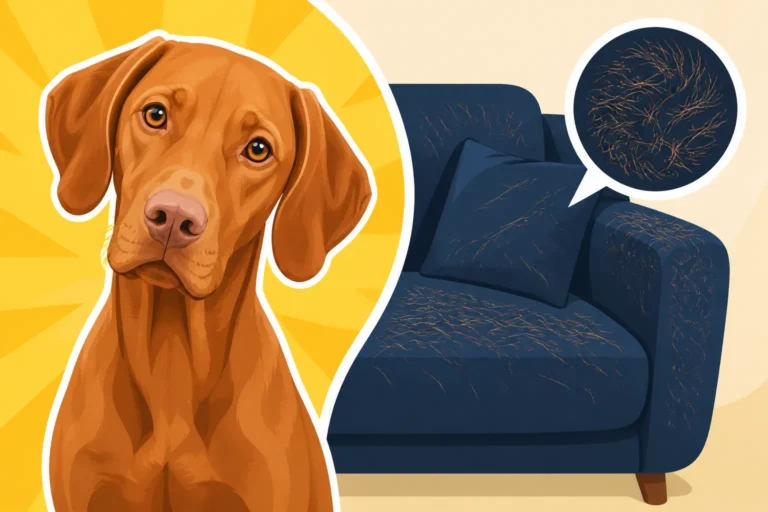
Many Vizsla owners find themselves constantly battling a flurry of short, stiff hairs that seem to defy gravity and embed themselves into every fabric in their home. It's a common misconception that because their coat is short, brushing isn't a frequent necessity, but the reality is quite different. This guide will walk you through understanding your Vizsla's unique coat, establishing an effective brushing routine, and selecting the best tools to keep your rust-colored companion looking their best while minimizing shedding around your house.
Understanding the Vizsla's Unique Coat
When you first welcome a Vizsla into your life, you might breathe a sigh of relief, thinking, "At least I won't have to deal with long hair everywhere!" And it's true, you won't be finding tumbleweeds of fluff rolling across your floor like you might with some other breeds. However, the Vizsla's coat, while short, comes with its own particular quirks that make regular brushing an absolute must, not just for aesthetics but for their skin health too. It's a different kind of shedding battle, and it often catches new owners off guard.
Their distinctive "golden rust" coat is one of their most striking features, but it's also a surprisingly active one. The texture is smooth, dense, and lies close to the body, which might make you assume it's low maintenance. While it's certainly less prone to matting than a long-haired breed, this sleekness can actually make shedding more noticeable on certain surfaces. Understanding the fundamental nature of their coat is the first step in creating a grooming routine that truly works for both you and your loyal companion.
The Vizsla's Single Layer Coat
One of the most crucial things to understand about a Vizsla's coat is that it's a single layer. Unlike many dog breeds that boast a thick undercoat for insulation and protection, Vizslas lack this extra layer. This means their short, dense outer coat is all they've got. This single coat is designed for agility and staying streamlined in the field, allowing them to move quickly through cover without getting bogged down or overheating during strenuous activity.
This single layer, while efficient for hunting, also means they have less natural insulation. This is a big reason why The Single Coat a Vizsla Has and Why It Changes Everything is so vital to their overall comfort. Without an undercoat, their skin is more exposed, and their shedding pattern behaves differently than breeds with a double coat. It doesn't "blow coat" in dramatic seasonal chunks, but rather sheds consistently, all year round, which can be a surprise for those expecting distinct shedding seasons.
Why Their Coat Changes So Little Seasonally
Because they don't have an insulating undercoat that grows thick in winter and thins in summer, a Vizsla's coat density doesn't undergo drastic seasonal shifts. While you might notice a slight increase in shedding during spring and fall, it's not the dramatic "coat blow" that double-coated breeds experience. Instead, those fine, short hairs are constantly being replaced, a continuous cycle that means you’re almost always finding them around the house, regardless of the time of year.
This consistent turnover of hair means that their coat maintenance needs are pretty steady throughout the year. There isn't a period where you can slack off on brushing, thinking you're "between shedding seasons." It's more about regular, consistent removal of dead hair to keep their skin healthy, distribute natural oils, and, let's be honest, try to keep those tenacious little hairs off your sofa and clothes. This is why brushing needs to be a regular habit, not just an occasional chore.
The Realities of Vizsla Shedding
Let’s be frank: Vizslas shed. A lot. Anyone who tells you otherwise probably hasn't lived with one! It's one of the most common frustrations new Vizsla owners express. You expect a short-haired dog to be low-shedding, but the reality is that their short, stiff hairs have a unique ability to weave themselves into upholstery, carpets, and clothing, making them notoriously difficult to remove. It’s not just the volume, but the type of hair that makes it challenging.
This pervasive shedding means that if you're not proactive with grooming, you'll quickly find your home becoming a monument to your Vizsla's beautiful rust coat. It’s a battle, but one that can be managed with the right approach. Understanding how and why they shed the way they do is key to managing it effectively and preventing those little hairs from taking over your life.
Year-Round Shedding: It's Not Just Seasonal
As we touched on, the idea of a shedding season is largely irrelevant for a Vizsla. They shed every single day of the year. While you might observe a slight uptick in the spring and fall as their body adjusts to temperature changes, don't expect a period where they magically stop shedding. This continuous shedding means that regular brushing isn't just helpful; it's absolutely essential for managing the amount of hair that ends up on your floors, furniture, and clothes.
Think of it as a constant, low-level snowfall of tiny, copper-colored needles. If you don't clear them regularly, they accumulate. This is precisely why many Vizsla owners quickly realize that "low maintenance" regarding their coat doesn't mean "no maintenance." In fact, it often means more frequent maintenance, just of a different kind than a long-haired dog might require. If you're wondering How Much a Vizsla Sheds, the answer is: consistently.
Short Hairs, Big Impact
The specific nature of Vizsla hairs is what truly sets them apart from other shedding breeds. They are short, coarse, and possess a surprising amount of stiffness. These characteristics allow them to easily embed themselves into fabric fibers, making them particularly difficult to remove with a vacuum cleaner or lint roller. Unlike longer hairs that might clump together and sit on surfaces, Vizsla hairs often work their way deep into the weave of blankets, car seats, and clothing. This is why Whether a Vizsla's Short Hair Sticks to Fabric is a question many owners grapple with daily.
This embedding tendency is a major source of frustration for owners. You might vacuum your sofa, only to find hairs still stubbornly clinging there, requiring a special type of brush or even duct tape to lift them out. This makes regular, proactive removal through brushing even more critical. By catching these hairs before they have a chance to settle into your home, you can significantly reduce the visual impact of their shedding, making your living space feel much cleaner and more manageable.
Brushing Frequency: What's the Ideal Schedule?
So, given this unique shedding pattern, how often should you actually be brushing your Vizsla? There's no single magic number that fits every dog and every household, but there's certainly an ideal that will make the biggest difference. The key is consistency, and adapting to your dog's individual needs and your tolerance for rogue hairs. It also depends on what you're trying to achieve: simply managing shedding, or actively promoting skin and coat health.
Establishing a routine is far more important than sporadic, intense grooming sessions. A little bit often is much more effective than a lot rarely. This approach keeps the dead hair population down, prevents accumulation, and allows you to bond with your dog in a calm, positive way. Let's look at the optimal and minimum schedules.
The Daily Brush for Optimal Health and Home
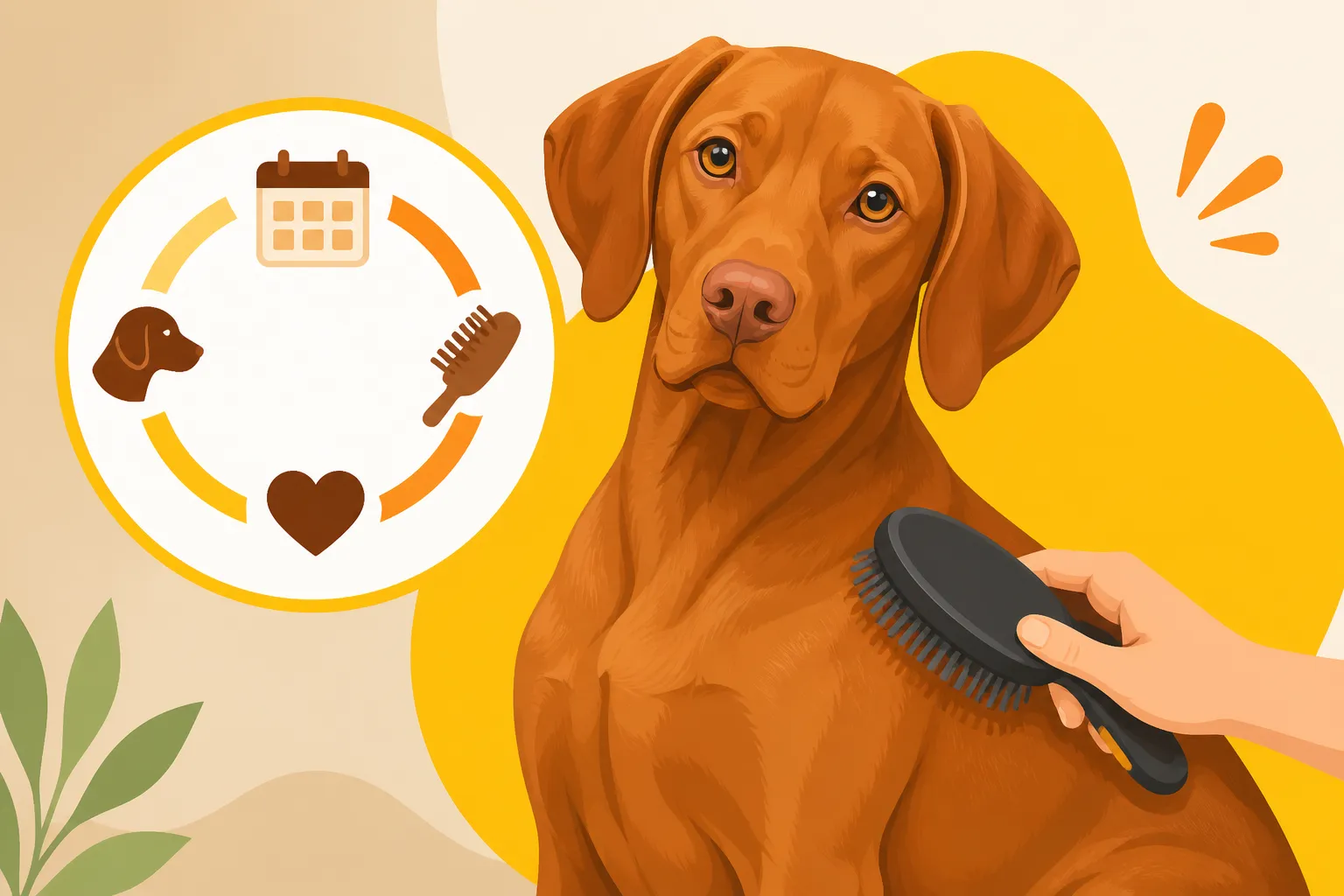
For truly optimal coat health and the most significant reduction in household shedding, brushing your Vizsla daily is the gold standard. A quick 5-10 minute session each day can work wonders. This frequency allows you to remove loose hairs before they have a chance to fall out and embed themselves in your furniture or clothing. It’s a proactive measure that keeps the volume of stray hairs at a minimum, making your home feel much cleaner.
Beyond just managing shedding, daily brushing helps to distribute your Vizsla's natural skin oils evenly across their coat, keeping it healthy, shiny, and vibrant. It also acts as a mini massage, stimulating circulation to the skin, and gives you a chance to check your dog for any new lumps, bumps, or skin irritations that might otherwise go unnoticed. Given The Thin Skin a Vizsla Takes Into the Field, this regular check-up can be invaluable, especially if they’ve been working hard. You can find excellent quality brushes for this purpose on sites like Chewy or Amazon.
Minimum Brushing for Maintenance: When Life Gets in the Way
We all know life happens. While daily brushing is ideal, it’s not always feasible. If daily isn't possible, aiming for at least 2-3 times a week is a good minimum to maintain a healthy coat and manage shedding to a reasonable degree. This frequency still provides enough regular removal of dead hair to prevent excessive buildup, and keeps their skin stimulated and healthy.
Even if you can only manage a thorough brush a couple of times a week, try to make those sessions consistent. Perhaps every Monday, Wednesday, and Friday evening, you dedicate 15 minutes to grooming. Your Vizsla will learn to expect it, and it can become a calm, bonding ritual. Missing a session here and there isn't the end of the world, but letting weeks go by between brushes will quickly lead to an overwhelming amount of hair and a less healthy coat overall. Remember, even short sessions contribute significantly to Whether a Vizsla Sheds All Year.
Choosing the Right Tools for Your Vizsla's Coat
Having the right tools makes all the difference when it comes to grooming your Vizsla. Using an inappropriate brush can be ineffective, uncomfortable for your dog, or even damage their delicate skin. Because their hair is short and their skin can be sensitive, you'll want to choose brushes that are gentle yet effective at removing those stubborn, loose hairs. Investing in a few key pieces of equipment will make your brushing routine much more efficient and enjoyable for both of you.
Don't just grab the first brush you see at the pet store. Take a moment to consider the specific needs of a Vizsla's single, fine coat. You're looking for tools that can gently pull out shed hair without scratching the skin or causing static. High-quality tools often last longer and perform better, proving to be a worthwhile investment in your dog's long-term health and your household's cleanliness.
Essential Brushes for the Vizsla
For a Vizsla, you'll primarily be looking at two types of brushes: a rubber curry comb and a deshedding tool designed for short coats.
- Rubber Curry Comb: This is often the MVP for Vizslas. A good quality rubber curry comb, sometimes called a shedding blade or grooming mitt, is fantastic for gently massaging the skin while loosening and gathering dead hair. Its soft, flexible teeth are perfect for their short coat and sensitive skin. It’s also great for use during baths to work in shampoo and remove even more loose hair. If you’re unsure, consider Whether a Rubber Curry Works on a Vizsla. Many owners swear by these, often finding them on Amazon or Chewy.
- Short-Coated Deshedding Tool: Tools like a fine-toothed deshedding rake or a specialized blade can be incredibly effective for pulling out those embedded, loose hairs that a curry comb might miss. However, use these with extreme caution and a very light hand. Overuse or too much pressure can irritate your Vizsla's skin or even cut their coat. They are best used for short, focused sessions to remove a large amount of dead hair, rather than for daily grooming.
When purchasing, look for tools with rounded edges to protect your dog's skin. You can find a good selection of these on Chewy or Amazon.
Other Grooming Aids
Beyond the primary brushes, a few other items can make your Vizsla's grooming routine more complete and comfortable.
- Grooming Mitts: Similar to a curry comb but worn like a glove, a grooming mitt can be excellent for sensitive dogs or puppies who are new to brushing. It feels more like petting, making the experience more pleasant. Whether a Grooming Mitt Suits a Vizsla depends on the individual dog, but many find it a gentle introduction to grooming.
- Microfiber Towels: After a bath or a wet outdoor adventure, having soft, absorbent microfiber towels specifically for your dog is a must. They help wick away moisture quickly without irritating their skin, which is important for breeds prone to skin issues.
- Pet-Friendly Wipes: For quick clean-ups between baths, especially after a muddy run in the field, pet-friendly grooming wipes can be a lifesaver. They can remove dirt and dander, keeping your Vizsla fresh.
- Vacuum with Pet Attachments: While not a grooming tool for the dog, a good vacuum with specialized pet hair attachments is an indispensable aid for any Vizsla owner. It helps manage the hair that does escape, keeping your home tidy.
Here's a quick comparison of popular brushing tools for Vizslas:
| Tool | Primary Use | Pros | Cons | Recommended Frequency |
|---|---|---|---|---|
| Rubber Curry Comb | Daily shedding removal, massage, bath time | Gentle, stimulates skin, great for sensitive dogs | Less effective on deeply embedded hair | Daily |
| Deshedding Tool | Deep shedding removal, intense hair extraction | Highly effective for removing large amounts of loose hair | Can irritate skin if overused or used with too much pressure | 1-2 times a week |
| Grooming Mitt | Gentle grooming, bonding, sensitive dogs | Feels like petting, good for nervous dogs, distributes oils | May not remove as much hair as other tools | Daily |
| Soft Bristle Brush | Finishing, polishing, puppy grooming | Good for distributing oils, gentle on skin | Not designed for shedding removal | As needed |
Beyond Brushing: Complementary Coat Care
Brushing is undeniably important, but it's just one piece of the puzzle when it comes to maintaining a truly healthy and shiny coat for your Vizsla. A dog's coat is often a mirror of their overall health, and external grooming efforts can only go so far if internal factors aren't also addressed. Thinking holistically about your Vizsla's care will lead to a more vibrant coat, healthier skin, and a happier dog.
This means considering what goes into their body and how you manage their skin in other ways. When you combine good nutrition, appropriate bathing, and regular health checks with your brushing routine, you create a comprehensive care plan that truly supports your Vizsla’s well-being from the inside out.
Bathing Practices for a Vizsla's Skin
While Vizslas are known for having Why a Vizsla Has No Doggy Smell, regular bathing is still necessary, especially for active dogs who love to roll in questionable things. However, too-frequent bathing can strip natural oils from their single coat and sensitive skin, leading to dryness and irritation. The general recommendation is to bathe your Vizsla once every 4-8 weeks, or as needed when they get truly dirty.
When you do bathe them, always use a high-quality, gentle dog shampoo specifically formulated for sensitive skin. Look for products that are sulfate-free and contain moisturizing ingredients like oatmeal or aloe vera. Which Shampoo Suits a Vizsla's Skin is a critical question, as some harsh human shampoos can cause skin issues. After bathing, make sure to rinse thoroughly to prevent residue buildup, which can also cause irritation. A good brush during the bath, like a rubber curry, can help remove even more loose hair.
Nutrition and Supplements for Coat Health
What your Vizsla eats plays a huge role in the health and appearance of their coat. A high-quality diet provides the essential fatty acids, vitamins, and minerals needed for strong hair follicles and healthy skin. Look for dog foods that list a named meat source as the first ingredient and contain healthy fats like omega-3 and omega-6 fatty acids. Some owners have great success with brands like Ollie, which focus on fresh, high-quality ingredients.
If your Vizsla’s coat seems dull or their skin is dry, you might consider adding certain supplements to their diet. Fish oil, rich in omega-3 fatty acids, is a popular choice known to promote a healthy, shiny coat and reduce inflammation in the skin. Whether a Vizsla Needs Fish Oil is a common question, and for many, it provides a noticeable boost. Always consult with your veterinarian before adding any new supplements to ensure they are appropriate for your dog's specific needs and don't interact with any existing medications or conditions.
Addressing Common Brushing Challenges
Even with the best intentions and the right tools, grooming your Vizsla can sometimes present challenges. Perhaps your dog views the brush as a toy to be wrestled, or maybe you're worried about the sheer volume of hair still appearing despite your best efforts. These are common hurdles, and understanding how to approach them can make your grooming sessions much more productive and less stressful for everyone involved.
The key is often patience, positive reinforcement, and knowing when to seek professional advice. Remember, grooming should be a bonding experience, not a battle. Addressing these challenges head-on will not only improve your Vizsla's coat health but also strengthen your relationship.
When Your Vizsla Hates Being Brushed
It's not uncommon for some Vizslas to be less than enthusiastic about brushing. This might stem from previous negative experiences, sensitive skin, or simply not being introduced to it positively as a puppy. If your Vizsla turns into a wiggly mess, tries to chew the brush, or actively pulls away, it’s time to re-evaluate your approach. Start by making brushing a positive experience through desensitization and counter-conditioning.
Begin with very short sessions (just 30 seconds to a minute) and use a soft, gentle brush like a grooming mitt. Offer high-value treats constantly during these sessions, and stop before your dog gets distressed. Gradually increase the duration and the intensity of the brush over days or weeks. Associate the brush with good things – treats, praise, gentle petting. If you know your Vizsla has sensitive skin, ensure your brushes aren't scratching them. The Thin Skin a Vizsla Takes Into the Field can make them particularly sensitive to rough brushing. Never force the issue, as this can create a stronger aversion.
Dealing with Excessive Shedding Concerns
While Vizslas are consistent shedders, there are times when the amount of hair seems truly excessive, or you notice changes in their coat quality. If you observe sudden, drastic hair loss, bald patches, skin irritation, excessive itching, or a dull, dry, or brittle coat, it's time to consult your veterinarian. These symptoms could indicate underlying health issues that need medical attention.
Excessive shedding can be a symptom of various problems, including allergies (food or environmental), parasitic infections (fleas, mites), fungal infections, hormonal imbalances (like Thyroid Failure in a Vizsla), stress, or nutritional deficiencies. Your vet can perform tests to determine the cause and recommend appropriate treatment, which might include dietary changes, medication, or specialized shampoos. Remember, a healthy coat is a sign of a healthy dog, so any significant change warrants a professional opinion. Regular grooming and keeping an eye on Managing a Vizsla's Skin for Life can help you spot these issues early.
Disclaimer
This article is for general informational purposes only and does not constitute professional advice. Laws, prices and regulations vary by location and change over time. Consult a qualified professional for guidance on your specific situation.