Sunburn and the Pale Vizsla Nose
Oh, the pale Vizsla nose! It’s such a distinct and beautiful feature, part of that gorgeous golden rust package we all adore, but it also comes with its own unique set of vulnerabilities, especially when it comes to the sun. Many Vizsla owners, myself included, have stood in the bright sunlight, watching their dog enjoying the great outdoors, only to suddenly worry about that delicate pinkish skin that just seems to scream "sunburn waiting to happen." This guide is here to walk you through exactly why your Vizsla’s nose and other sensitive spots are so susceptible to sun damage, how to spot the early warning signs, and most importantly, how to keep your beloved companion safe and comfortable under the sun's powerful rays.
The Vizsla's Unique Skin and Coat: Why They're Prone to Sunburn
Vizslas are truly magnificent, aren't they? That sleek, short coat, that muscular build, those intelligent eyes – they’re built for action and elegance. But that very physique, the one that makes them so efficient in the field and so stunning in a portrait, also comes with a few specific characteristics that make them more prone to sunburn than many other breeds. It’s not just the nose; it’s a whole host of factors that combine to make them particularly delicate when it comes to prolonged sun exposure.
The Thin, Single Coat That Offers Little Protection
Unlike many breeds, especially those originating from colder climates, our Vizslas boast a single coat. There’s no thick undercoat to provide an extra layer of insulation or protection against the elements. It’s a beautifully fine, close-lying coat, designed to dry quickly after a swim and allow for maximum agility without being weighed down by heavy fur. However, this also means that the sun’s UV rays have a much more direct path to their skin. Think of it like a very light t-shirt compared to a thick wool sweater. While it’s fantastic for preventing them from overheating during strenuous activity, it's not a natural shield against the sun.
This thin coat means that areas where the hair is naturally sparser, such as the belly, the inner thighs, and even the tops of their heads, are especially exposed. You might not think much of their coat being "thin" because it feels so dense to the touch, but genetically, it's just one layer of protection. This is a fundamental difference when comparing them to, say, a Labrador Retriever with its dense double coat or a German Shorthaired Pointer, whose coat, while short, can often be a bit coarser and provide slightly more coverage. This unique characteristic is a big part of The Single Coat a Vizsla Has and Why It Changes Everything.
When your Vizsla is out tracking birds in an open field or basking in a sunny spot in the yard, those UV rays are hitting their skin almost directly. It's not something we always consider because dogs have fur, right? But for a Vizsla, that fur is more like a light sun veil than a protective barrier. Understanding this is the first step in being truly proactive about their sun safety.
The Pale Pigmentation Predicament
Beyond the sparse coat, there’s the matter of color. Our Vizslas are famous for their stunning golden rust, ranging from a rich coppery hue to a lighter, almost sandy tone. But within that beautiful spectrum, their skin pigmentation tends to be quite light, especially in areas like their delicate noses, eyelids, and often their bellies. This light pigmentation, or lack of melanin, is the very thing that makes them so aesthetically striking but also contributes significantly to their sunburn risk.
Melanin acts as a natural sunscreen, absorbing UV radiation. Dogs with dark noses, dark skin, and dense, dark coats have a built-in advantage here. Think of a black Labrador – their dark skin and coat offer considerably more natural UV protection. A Vizsla’s pink or liver-colored nose, often matching their coat perfectly, has very little melanin. It's essentially unpigmented skin, and it absorbs those harmful rays with little to no resistance. Whether a Vizsla's Nose Loses Color is a topic that can come up as they age, but even when young, that pale nose is a vulnerable spot.
This pale pigmentation isn't a fault; it's simply a breed characteristic that requires our diligent attention. It's why they can tan, just like humans, but also why they burn so easily. We might love that distinctive rosy nose, but we need to remember it's a vulnerable area that needs extra care and consideration, particularly during peak sun hours or extended outdoor sessions.
Why the Nose and Belly Are the Most Vulnerable Spots
While any exposed skin on a Vizsla can get sunburned, the nose and the belly are consistently the most problematic areas. There’s a good reason for this, and it goes beyond just light pigmentation and thin fur. These areas are inherently more exposed and less protected by natural means.
Let’s talk about the nose first. It’s always out there, isn't it? Sniffing, exploring, pointing – it’s the primary tool of the trade for a Vizsla. When they're nosing through tall grass or tracking a scent with their head down, the top of their muzzle and nose are directly facing the sun. Even when they're simply lounging, the angle often means this area gets significant exposure. Plus, the skin on the nose is unique – it’s thin, sensitive, and often has little to no hair covering it, especially right on the nasal planum. It's the equivalent of a human's forehead or shoulders – always catching the sun.
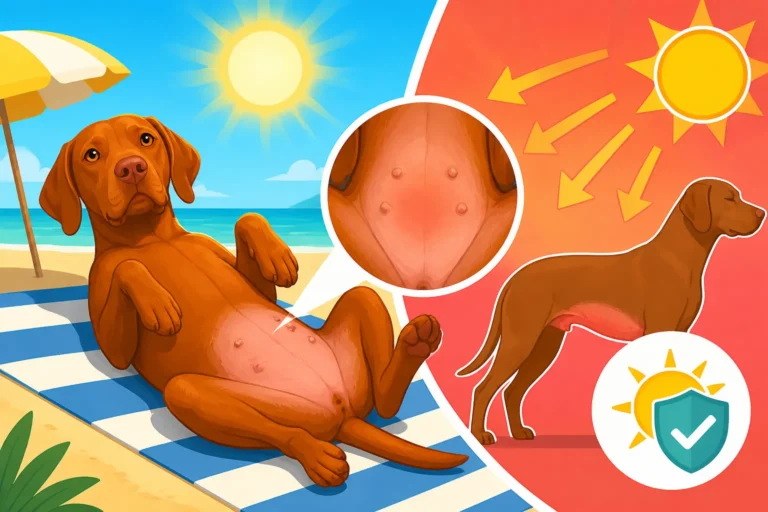
The belly is another major hotspot. When your Vizsla stretches out for a nap in the grass, rolls over for a belly rub, or even sits down on a sunny patch of ground, their abdomen is often directly exposed to the sun. The fur on the belly is usually even sparser and finer than on their back, and the skin beneath is typically very pale and delicate. This is also a common area for Whether a Vizsla's Belly Gets Sunburned due to this direct exposure. Imagine taking your own pale stomach out into direct sunlight for an hour – that’s essentially what can happen to your Vizsla’s tummy without proper care. Both these areas, due to their combination of light pigmentation, thin or absent hair, and direct exposure, demand our focused attention when the sun is strong.
Recognizing the Signs of Sunburn in Your Vizsla
Nobody wants to see their dog in discomfort, and sunburn can be surprisingly painful for our canine companions. Because Vizslas are often so stoic and eager to please, they might not always vocalize their discomfort immediately. It's up to us, their dedicated owners, to know what to look for, especially if they’ve had an active day out in the sun. Catching sunburn early means you can address it quickly and prevent more serious complications.
Visible Redness and Inflammation
Just like with humans, the first and most obvious sign of sunburn on your Vizsla will be redness and inflammation of the skin. This can be a tricky thing to spot on their golden-rust coats, but if you part the fur, especially on their back or sides, you might see a pinkish or reddish tint to the skin itself. On their ears, belly, or nose, where the skin is already lighter, the redness will be much more apparent. It will look angry, irritated, and perhaps slightly swollen.
Pay close attention to the tips of their ears, the bridge of their nose, and any areas where their coat is thinnest, like the inside of their legs or their groin. These areas will turn a deeper red or even a purplish shade if the burn is severe. You might also notice that the skin feels warmer to the touch than usual. This warmth is a clear indicator of inflammation, the body’s response to tissue damage from the UV rays. If you gently touch the reddened area and your Vizsla flinches or pulls away, that’s a strong sign of pain and discomfort, confirming your suspicions of sunburn.
Sometimes, the redness can be subtle at first, especially on a darker golden-rust dog, so it's vital to develop a habit of doing a quick "pat down" check after prolonged sun exposure. This quick examination allows you to feel for unusual warmth and look for any visual changes beneath the fur.
Pain, Tenderness, and Skin Irritation
Beyond just visible redness, sunburn is genuinely painful for dogs. Your Vizsla might become unusually sensitive to being touched, especially in the affected areas. You might notice them acting a bit "off" – perhaps not wanting to lie down in their usual sunny spot, or being reluctant to let you pet their back or rub their ears. If you try to apply any cream or simply examine the area, they might flinch, whimper, or even try to snap, which is completely out of character for our generally gentle Vizslas.
The skin itself might feel tight and tender. This irritation can lead to excessive licking or scratching at the affected spots, which can, in turn, exacerbate the problem. Licking raw or burned skin can introduce bacteria, potentially leading to secondary infections. It’s a vicious cycle we want to avoid. If your Vizsla is constantly pawing at their face, rubbing their nose on furniture, or incessantly licking their belly, and they’ve been out in the sun, sunburn should be high on your list of suspects.
The pain can also manifest in their general demeanor. They might seem lethargic, less playful than usual, or just generally miserable. They might seek out cool, dark places to rest, trying to alleviate the burning sensation. It's important to differentiate this from general heat exhaustion, though the two can sometimes go hand-in-hand. Sunburn is specifically about the skin damage and the discomfort it causes directly.
Peeling Skin and Blistering: When It's Serious
These are the signs that indicate a more severe sunburn, and at this stage, it’s definitely time to get professional veterinary advice. Peeling skin is a clear indication that the skin cells have been severely damaged and are shedding. It will look flaky, dry, and might come off in small sheets, especially around the edges of the burned area. This is often seen a day or two after the initial exposure, as the damaged skin begins its repair process.
Blistering is even more serious. While less common in dogs than in humans, severe sunburn can cause fluid-filled blisters to form on the skin. These are extremely painful and carry a high risk of infection if they rupture. They might appear as small raised bumps or larger fluid-filled sacs. If you see anything resembling a blister, do not attempt to pop it or treat it yourself. This needs immediate veterinary attention.
A severely sunburned nose might also crack or develop scabs, making it incredibly uncomfortable for your Vizsla to sniff or even eat. The skin around the eyes might swell to the point of partially closing their eyes. These advanced signs are not just cosmetic; they signify significant tissue damage that can lead to infection, scarring, and long-term health issues like skin cancer. If your Vizsla exhibits any of these severe symptoms, don't delay – call your vet right away.
Preventative Measures: Protecting Your Vizsla from the Sun
Prevention is always better than cure, especially when it comes to something as easily avoidable as sunburn. Our Vizslas love being outdoors, and we love taking them with us, so the key is to learn how to enjoy the sun safely. With a few thoughtful adjustments to your routine and some smart gear choices, you can drastically reduce their risk of painful sunburn.
Timing Walks and Outdoor Activities Wisely
This is perhaps the simplest, yet most effective, preventative measure. The sun's UV rays are strongest between 10 AM and 4 PM. During these peak hours, even on seemingly overcast days, the UV index can be high enough to cause sunburn. Therefore, the best strategy is to schedule your Vizsla’s longer walks, training sessions, or intense outdoor play for the early morning or late afternoon/early evening.
Think about it: that crisp morning air is often perfect for a good run, and the golden hour before sunset offers beautiful light and significantly reduced UV exposure. If your Vizsla is an active hunter, Whether a Vizsla Should Rest After Eating is also crucial, but timing their work to avoid midday sun is equally important. Even a quick potty break during peak hours should be as short as possible.
This timing strategy also helps immensely with preventing overheating, which is another significant concern for active dogs like Vizslas, especially when it’s Whether a Vizsla Handles a Hot Summer. By simply shifting your schedule a bit, you provide a safer environment for their skin and their overall body temperature regulation. It’s a small change for you, but it makes a world of difference for your dog's comfort and health.
The Role of Shade and Indoor Breaks
Even if you can’t completely avoid being out during peak sun hours, you can create shaded havens for your Vizsla. Always seek out natural shade from trees or man-made structures like awnings, gazebos, or pop-up tents. If you’re at a dog park, choose one with plenty of trees. If you’re at home, encourage your Vizsla to nap in the coolest, shadiest part of the yard or, even better, bring them inside during the hottest parts of the day.
Indoor breaks are crucial. Your Vizsla might have endless energy, but even they need a cool-down period. This is especially true after any strenuous activity or if they’ve been exposed to direct sun for a while. A cool, air-conditioned room offers complete respite from UV rays and helps regulate their body temperature. Don’t assume that just because they're under a picnic table or in the shadow of a building, they’re fully protected. Reflected UV rays can still cause damage, so true shade is key.
For our active companions, breaks aren't just about preventing sunburn, but also about managing their overall well-being. A Vizsla’s stamina is legendary, but even the toughest dogs can succumb to the combined effects of heat and sun. Make it a habit to offer water and a shady spot every 15-20 minutes during prolonged outdoor sessions.
Sun-Protective Gear: Coats, Hats, and Boots
Yes, dogs can wear sunscreen, but there's also specialized gear designed to physically block the sun's rays. For Vizslas, with their thin coats, UV protective shirts or vests can be a real game-changer, especially for their backs and bellies. Look for lightweight, breathable fabrics specifically designed to block UV radiation. These can be particularly useful if your dog loves to swim, as many are quick-drying and offer protection even when wet.
| Gear Type | Primary Benefit | Best For | Key Considerations |
|---|---|---|---|
| UV Protective Shirts/Vests | Blocks direct UV rays from the body and belly | Extended outdoor play, water activities, hiking | Look for breathable, quick-dry fabric; proper fit is essential |
| Dog Sun Hats | Protects nose, ears, and top of the head | Short walks, lounging in partial sun | Must be comfortable and stay on; some dogs tolerate them better than others |
| Dog Goggles/Doggles | Shields eyes from harmful UV rays and debris | Working dogs, very bright conditions, cars | Important for long-term eye health; takes training to accept |
| Paw Wax/Boots | Protects paw pads from hot surfaces, not direct sun | Hot pavement, rough terrain | Crucial for overall paw health; indirect sun protection |
| Shade Covers/Tents | Provides portable, full shade in any environment | Dog shows, beach trips, picnics | Excellent for creating a safe zone; easy to set up |
For their delicate noses and ears, specially designed sun hats for dogs are available. While some dogs might initially resist wearing a hat, with positive reinforcement and patience, many learn to tolerate them, especially if it means more outdoor time. Brands offer various styles, from visors to full-brimmed hats, providing crucial shade for those vulnerable areas.
Don't forget their eyes! Just like humans, dogs can suffer from UV damage to their eyes, which can contribute to conditions like cataracts over time. If your Vizsla spends a lot of time outdoors in bright conditions, particularly if they are a working dog, dog goggles (often called "Doggles") might be a worthwhile investment. Again, this requires desensitization and positive training, but the long-term benefits for their eye health can be significant. When combined, these pieces of gear provide a comprehensive shield against the sun.
Choosing and Applying Canine-Safe Sunscreen for Noses and More
Sunscreen for dogs isn't just a gimmick; it's a vital tool in preventing sunburn, especially on those highly exposed and unpigmented areas like the nose. However, you can't just grab your own SPF 50. Dog sunscreen needs to be specifically formulated to be safe for canines, as they're likely to lick it off.
Ingredients to Look For and Avoid
When choosing a sunscreen for your Vizsla, the primary rule is: dog-specific. Never use human sunscreen on your dog. Many human sunscreens contain ingredients that are toxic if ingested, such as zinc oxide and para-aminobenzoic acid (PABA). Zinc oxide, while an excellent physical blocker for humans, can cause severe gastrointestinal upset, red blood cell damage, and anemia in dogs if they lick it off, which they almost certainly will.
Instead, look for sunscreens that use titanium dioxide as the active ingredient, as it's generally considered safer if ingested in small amounts. Other safe ingredients include petroleum jelly, beeswax, and various natural oils that provide some UV protection or act as carriers for the safe blockers. Many brands now offer pet-specific sunscreens that are non-toxic, fragrance-free, and designed for sensitive skin. Some good examples might be found on platforms like Chewy or Amazon, where you can read reviews from other dog owners.
Always check the full ingredient list. Avoid anything with fragrances, dyes, or harsh chemicals. If you're unsure, a quick call to your veterinarian can clarify which ingredients are definitely safe for your Vizsla. Remember, the goal is protection without posing a new health risk.
How to Apply Sunscreen Effectively
Applying sunscreen to an eager, wiggly Vizsla can be a bit of an art form! The key is to make it a positive experience and to apply it thoroughly to the most vulnerable spots. Start by introducing the tube or spray slowly, letting your dog sniff it. Give treats and praise.
When it comes to application, focus on the areas most susceptible to sunburn:
- The nose and bridge of the muzzle: This is critical. Gently apply a thin layer, being careful to avoid getting it in their nostrils or eyes.
- Ear tips: Especially if your Vizsla has light-colored ears or very fine hair there.
- Belly and inner thighs: If they're prone to sunbathing on their back or have very sparse hair in these areas.
- Any areas with sparse hair: This could include part lines on their back if they have very fine hair, or areas around old scars.
Rub it in gently until it’s absorbed, ensuring there’s a visible but not excessive coating. The best time to apply it is about 15-20 minutes before going outside, allowing it time to absorb and become effective. After application, try to distract your Vizsla for a few minutes with a favorite toy or a quick training session to minimize immediate licking. You might even find it helpful to put them in a pet-safe recovery cone for a few minutes if they are determined to lick it off immediately.
Reapplication and Water Resistance
Sunscreen, whether for humans or dogs, isn't a one-and-done solution. Its effectiveness diminishes over time, especially with activity and exposure to water. You'll need to reapply sunscreen periodically, typically every 2-4 hours, or more frequently if your Vizsla has been swimming or rolling around.
If your Vizsla is a water dog, as many Vizslas are, and loves to jump into every puddle or lake they find, definitely look for a "water-resistant" or "waterproof" formula. Even these will need reapplication after significant water exposure, but they offer a bit more staying power than standard formulations. Keep the sunscreen handy in your What a First Aid Kit for a Hunting Vizsla Holds so it's always available when you're out and about.
Pay attention to how much they’re licking. If they're constantly trying to remove it, you might need to reapply more often or try a different brand or application method. It’s a balance between protecting them and ensuring they don’t ingest too much product. Consistency in reapplication is key to continuous protection throughout their outdoor adventures.
Managing and Treating Mild Vizsla Sunburn at Home
Even with the best intentions and preventative measures, sometimes a mild sunburn can still happen. Perhaps you underestimated the sun's intensity, or your Vizsla found a sneaky sunbeam. If you notice signs of mild sunburn, don't panic. There are several things you can do at home to help soothe their discomfort, but always be prepared to call your vet if symptoms worsen or if the burn seems more severe.
Soothing the Skin with Cool Compresses and Aloe
For mild redness and irritation, the first step is to cool the affected skin. A cool (not icy cold) compress can provide immediate relief. Dampen a soft cloth with cool water and gently apply it to the sunburned areas for 5-10 minutes at a time, several times a day. This helps reduce inflammation and can numb the stinging sensation.
Once the initial heat has been reduced, a thin layer of pure aloe vera gel can be wonderfully soothing. Again, it’s crucial to use pure aloe vera gel, ideally from a plant, or a product that is 100% aloe with no added ingredients like lidocaine, benzocaine, or alcohol, which can be toxic or irritating to dogs. Many human aloe products contain these additives, so read labels very carefully. Pet-specific aloe sprays or gels are also available and are generally safer. Gently rub a small amount into the affected skin, allowing it to absorb. The cooling, anti-inflammatory properties of aloe can provide significant comfort.
Remember to keep an eye on your Vizsla after applying any topical treatment. If they immediately try to lick it off, you might need to distract them or use a soft E-collar (Elizabethan collar) for a short period to allow the product to absorb. Repeat this process a few times a day until the redness subsides and your Vizsla seems more comfortable.
Preventing Licking and Further Irritation
Dogs, by instinct, tend to lick anything that causes them discomfort, and sunburned skin is no exception. While a little lick now and then might not be a huge issue, persistent licking can quickly turn a mild sunburn into a much bigger problem. Excessive licking can irritate the skin further, break the skin barrier, and introduce bacteria from their mouth, leading to secondary skin infections. Whether a Vizsla's Skin Gets Secondary Infections is a real concern, especially with open or irritated skin.
To prevent this, you might need to employ a soft E-collar for short periods, especially when you've just applied a soothing cream or when you can't directly supervise them. Another option is a recovery suit or a lightweight, breathable dog shirt that covers the affected area, creating a physical barrier. Make sure any covering is loose enough not to rub or cause more irritation.
Distraction can also be very effective. Offer a high-value chew toy, a puzzle feeder, or engage them in a short, gentle training session that doesn't involve moving the affected body part. The goal is to redirect their attention from the burning sensation to something positive and engaging, allowing the skin to heal undisturbed.
When to Seek Veterinary Care
While mild sunburn can often be managed at home, there are definite signs that indicate a trip to the vet is necessary. Don't hesitate to seek professional help if you observe any of the following:
- Blistering or open sores: These are signs of a severe burn and are prone to infection.
- Excessive pain: If your Vizsla is clearly in severe pain, crying out, or becoming aggressive when touched, they need pain relief from a vet.
- Signs of infection: Look for pus, foul odor, worsening redness, or swelling. This often indicates a bacterial infection that requires antibiotics.
- Lethargy, fever, or loss of appetite: These could be signs of more systemic illness or severe pain.
- Sunburn on a large area of the body: Extensive burns are more serious and require veterinary assessment.
- No improvement after 24-48 hours: If home remedies aren't providing relief, or the burn seems to be worsening, it's time to consult your vet.
Your veterinarian can assess the severity of the burn, prescribe appropriate pain medication, anti-inflammatory drugs, or antibiotics if an infection is present. They can also offer guidance on specific products that are safe and effective for your Vizsla’s particular situation. It's always better to be safe than sorry when it comes to your dog's health.
Long-Term Health Risks Associated with Sun Exposure in Vizslas
Beyond the immediate discomfort of sunburn, repeated or severe sun exposure can lead to much more serious, long-term health consequences for your Vizsla. These risks are not to be taken lightly, especially for a breed with delicate skin and light pigmentation. Being aware of these potential issues reinforces the importance of consistent sun protection.
Increased Risk of Skin Cancer
This is perhaps the most serious long-term risk. Just like humans, dogs can develop skin cancer from prolonged exposure to harmful UV radiation. For Vizslas, with their thin coats and light pigmentation, the risk is elevated. Areas that are repeatedly burned or chronically exposed to the sun, such as the nose, ear tips, and belly, are prime locations for the development of cancerous lesions.
Types of skin cancer commonly associated with sun exposure in dogs include squamous cell carcinoma and hemangioma/hemangiosarcoma. These can appear as non-healing sores, crusty patches, lumps, or discolored areas on the skin. They might start subtly, looking like a persistent scab or a rough patch of skin that just won't go away. This is why it’s so important to regularly check your Vizsla’s skin, especially in those vulnerable areas. Lumps Worth Checking on a Vizsla is an important piece of knowledge for any owner.
Early detection is absolutely crucial for successful treatment of skin cancer. If you notice any suspicious, persistent skin lesions, or anything that changes in size, shape, or color, get it checked by your vet immediately. Regular vet check-ups, where your vet can also examine your dog’s skin, are a vital part of proactive care.
Chronic Skin Damage and Hyperkeratosis
Even if cancer doesn’t develop, chronic sun exposure can cause other forms of lasting skin damage. Repeated sunburns can lead to the skin becoming thickened, leathery, and discolored – a condition known as hyperkeratosis. This often affects the nose and ear tips, making them dry, cracked, and more susceptible to injury and infection. The skin might lose its elasticity and develop a rough, scaly texture.
This chronic damage not only impacts the skin's appearance but also its function. Healthy skin acts as a protective barrier, but sun-damaged skin is compromised, making it less effective at fending off pathogens and maintaining hydration. This can lead to persistent dryness, itching, and a cycle of irritation that’s difficult to break. It’s also important to consider Managing a Vizsla's Skin for Life when thinking about chronic sun damage, as it can be an ongoing battle.
While hyperkeratosis isn't cancerous itself, it can be a precursor to cancerous changes and indicates significant sun-induced damage. Once the skin reaches this state, it’s much harder to reverse, and the best you can do is manage the symptoms and redouble your efforts to prevent further sun exposure.
Eye Protection and UV Damage
It's not just the skin that's vulnerable to the sun; your Vizsla's eyes can also suffer long-term damage from UV radiation. While their brow ridge and sometimes their longer muzzle offer some natural shading, direct or reflected sunlight over time can contribute to the development of eye conditions.
UV exposure can play a role in the formation of cataracts, which cloud the lens of the eye and impair vision. It can also exacerbate or contribute to the progression of conditions like pannus (chronic superficial keratitis) in breeds prone to it, though Vizslas are not typically predisposed. Even general eye irritation and discomfort can be a chronic issue for dogs frequently exposed to bright sunlight. This is particularly true for Whether a Vizsla Needs a Yearly Eye Exam, as changes can be subtle.
If your Vizsla is regularly outdoors for extended periods, especially in environments with high glare like snow, water, or open fields, considering dog goggles (Doggles) is a sensible preventative measure. While they might seem like a novelty, they offer crucial protection against UV rays, wind, and debris, preserving your dog's precious eyesight over their lifetime. Protecting their eyes is just as important as protecting their skin for overall health and quality of life.
Special Considerations for Working Vizslas and Warm Climates
If you have a working Vizsla, or you live in a perpetually sunny climate, you face an amplified set of challenges when it comes to sun protection. These scenarios demand an even more vigilant approach, integrating sun safety into every aspect of their routine, from training to daily care.
Sun Protection During Field Work and Training
Working Vizslas are out in the elements, often for hours at a time, covering vast amounts of ground. Whether it's hunting, field trials, or advanced training, they are exposed to sun, wind, and various terrains. This environment makes them highly susceptible to sunburn. A quick application of sunscreen on the nose before heading out isn't enough.
For these dogs, layering protection is essential. A lightweight, UV-protective vest or shirt can shield their back and belly from direct sunlight. These garments are often made from breathable, moisture-wicking materials that help keep them cool while blocking UV rays. Many brands design these specifically for active dogs, ensuring they don't impede movement or get snagged on brush. Consider having a few on hand, especially if they get dirty or wet.
Regular breaks in the shade are non-negotiable. Even if your Vizsla seems indefatigable, force a break. Bring a pop-up canopy or position your truck in a way that creates a large shaded area for them to rest, drink water, and cool down. Apply sunscreen during these breaks to maintain protection. Remember, their focus on the task at hand means they won't stop themselves, so it's up to you to manage their exposure. The more time spent in the field, the greater the What a Season of Hunting a Vizsla Actually Costs due to factors like injuries and wear and tear, but preventing sun damage is an investment in their long-term health.
Hydration and Heat Management Beyond Sunburn
In warm climates or during strenuous field work, sunburn is just one piece of the puzzle. Overheating and dehydration are equally, if not more, dangerous. The strategies you use for sun protection often overlap with heat management, which is a good thing!
Ensure your Vizsla has constant access to fresh, cool water. Carry extra water bottles and a collapsible bowl whenever you’re out. In high heat, consider adding electrolytes to their water to help replenish lost minerals, especially for a dog that's constantly on the move. Whether a Vizsla Needs Electrolytes on a Long Hunt is a common question, and for working dogs in heat, the answer is often yes.
Avoid working your Vizsla during the hottest parts of the day, as discussed earlier. If it's unavoidable, shorten your sessions dramatically and increase breaks. Cooling vests, soaked in water, can also help regulate their core body temperature, especially when combined with shade. Always be on the lookout for signs of heat exhaustion: excessive panting, lethargy, drooling, or confusion. These are emergencies. Providing cool shade and ample hydration are paramount for preventing both sunburn and heatstroke.
Adapting Care for Year-Round Sun Exposure
If you live in a region where the sun is strong for most of the year, sun protection can't be a seasonal effort; it needs to be integrated into your Vizsla’s daily routine year-round. This means consistently applying sunscreen, choosing appropriate outdoor times, and ensuring shaded areas are always available.
For dogs in these climates, regular skin checks become even more critical. You should make it a habit to thoroughly examine their skin, especially the belly, ears, and nose, at least once a week for any new lumps, bumps, discolorations, or non-healing sores. Because sun damage is cumulative, early detection of potential skin cancers or chronic damage is paramount.
Consider your landscaping at home. Are there ample shaded areas in the yard where your Vizsla can relax? Do you have a dog house or shelter that provides relief from the sun? Investing in permanent shade solutions can make a huge difference. Furthermore, routine veterinary check-ups should always include a thorough skin examination, with you pointing out any areas of concern to your vet. Being proactive and consistent with sun protection and skin health checks will give your Vizsla the best chance at a long, healthy life, regardless of how much sunshine your climate enjoys.
Disclaimer
This article is for general informational purposes only and does not constitute professional advice. Laws, prices and regulations vary by location and change over time. Consult a qualified professional for guidance on your specific situation.