Keeping a Vizsla’s Ears Clear After Water Work
One of the great joys of sharing your life with a Vizsla is watching them launch themselves into water with unbridled enthusiasm, whether it's a muddy pond during a hunt or the cool waves at the beach. Their drive to swim, retrieve, and just generally splash about is incredible. But this love for all things aquatic comes with a hidden challenge, and it's one many Vizsla owners learn the hard way: keeping those beautiful, long, floppy ears clear and healthy after every watery adventure. Neglect this, and you're practically inviting painful, recurring ear infections that can make your otherwise happy-go-go-go Vizsla utterly miserable, not to mention creating a headache and expense for you. This guide is all about giving you the tools and knowledge to tackle this common frustration head-on, ensuring your Vizsla can enjoy their swims without the uncomfortable aftermath.
Understanding the Vizsla Ear: Why Water is a Foe
Vizslas are magnificent dogs, and their ears, with their elegant, low-set drape, are a characteristic part of their charm. However, what makes them lovely to look at also makes them a prime target for moisture-related problems. It's not just about getting wet; it's about how that moisture lingers and creates the perfect storm for unwelcome guests.
The Vizsla's Droopy Ear Design
Think about a dog with prick ears, like a German Shepherd, or even a semi-prick ear. Their ear canals are open to the air, allowing moisture to evaporate relatively easily. Now, picture your Vizsla's ears. They hang down, often quite close to the side of their head, creating a warm, dark, and enclosed environment. This design, while beautiful, essentially seals off the ear canal from natural airflow. When water gets in – and with a Vizsla's love for swimming, it's not a matter of if but when – it has nowhere to go. It just sits there, trapped.
This lack of ventilation means that any water that enters during a swim, a bath, or even just playing in the rain, is likely to remain in the ear canal for an extended period. It's like leaving a wet sponge in a dark cupboard; eventually, things start to grow. For a Vizsla, whose ears are already predisposed to warmth and low airflow, this trapped moisture accelerates the growth of microorganisms that thrive in such conditions. It's a fundamental design flaw, if you will, for a dog that loves water so much.
How Moisture Traps in the Canal
Beyond the external flap, the internal structure of a dog's ear canal is also different from a human's. Ours is relatively straight. A dog's ear canal makes a sharp right-angle turn. It starts vertically and then turns horizontally towards the eardrum. This L-shaped structure is incredibly efficient at protecting the delicate inner ear from external debris, but it's terrible at draining water. When water enters, it can easily flow down the vertical canal and then get caught at the bend, preventing it from naturally dripping out.
Imagine trying to pour water out of a bottle that has a sharp bend near its opening – it would be difficult, right? That's what happens inside your Vizsla's ear. Add to this the presence of earwax, which is a normal and healthy part of ear protection but can also become saturated and contribute to the moist environment, and you have a recipe for disaster. The combination of the floppy ear flap, the L-shaped canal, and any existing earwax creates a perfect little reservoir for water, turning your dog's ear into an ideal petri dish for problems. This is why just a quick shake isn't enough; the water is likely still pooled deep inside.
Why Vizslas Love Water So Much
It’s almost ironic, isn't it? A breed so prone to ear issues after swimming is also a breed that absolutely lives for water. Vizslas were bred to be versatile hunting dogs, and part of that versatility means being adept at retrieving game from various terrains, including water. Their lean, athletic bodies are built for it, and their natural instincts drive them towards it. They’re usually eager to please and will plunge into the chilliest lake or the muddiest creek if it means a retrieve or a good romp.
This deep-seated love for water means that avoiding swims entirely isn't really an option for most Vizsla owners, nor would it be fair to the dog. You bought a Vizsla, in part, for their boundless energy and willingness to join in any adventure, and for many, that includes water. So, instead of trying to deny them this joy, our job as responsible Vizsla parents is to understand the risks and proactively manage the aftermath. We can't change their genetics or their inherent love for splashing, but we can be diligent about post-swim care. It's a trade-off, but one well worth making for a happy, fulfilled Vizsla.
The Risks of Undried Ears: Beyond Just Itching
Leaving your Vizsla's ears wet after a swim isn't just a minor oversight; it's a serious risk to their health and comfort. The consequences can range from mild irritation to chronic, painful conditions that require extensive veterinary intervention. Understanding these risks can motivate you to be extra diligent with your post-water ear care routine.
The Breeding Ground for Yeast Infections
One of the most common issues arising from perpetually damp ear canals in Vizslas is a yeast infection. Yeast, particularly Malassezia pachydermatis, is a normal inhabitant of a dog's skin and ears in small numbers. However, when the environment becomes warm, dark, and most importantly, moist, yeast can rapidly multiply out of control. This overgrowth leads to the tell-tale signs of a yeast infection: a strong, sweet, sometimes "yeasty bread" or "corn chip" odor emanating from the ear, reddish inflammation, and often a brownish, waxy discharge.
Your poor Vizsla will likely be scratching at their ears, shaking their head, or rubbing their ears on the carpet in an attempt to alleviate the intense itchiness. This scratching and rubbing only further irritates the ear canal, creating micro-abrasions that can pave the way for secondary infections. It's a vicious cycle that starts with a little bit of trapped water and quickly escalates into significant discomfort. Many owners initially mistake the smell for just a "doggy smell," but with a Vizsla, who generally Why a Vizsla Has No Doggy Smell, any strong odor from the ears is a red flag.
Bacterial Invasions and Secondary Problems
While yeast infections are common, the moist, warm environment is also an open invitation for bacteria. Once yeast has compromised the natural balance of the ear, or if the ear canal is irritated by scratching, bacteria can move in and take hold. Bacterial ear infections are often more severe and painful than yeast infections. You might notice yellow or green pus-like discharge, intense redness and swelling, and your Vizsla might cry out when you even attempt to touch their ear.
These infections can be caused by various types of bacteria, and identifying the specific strain often requires a veterinary culture to ensure the correct antibiotic is prescribed. Left untreated, bacterial infections can lead to deeper ear infections, potentially affecting the middle or inner ear, which can result in balance problems, hearing loss, and even neurological issues. This is why any persistent ear issue, especially with discharge or extreme pain, warrants an immediate vet visit. Don't underestimate the potential for severe consequences from something as seemingly simple as trapped water.
Chronic Ear Issues and Quality of Life
The cycle of recurring ear infections, whether yeast or bacterial, can severely diminish your Vizsla's quality of life. Imagine constantly having an itchy, painful ear. It's distracting, uncomfortable, and can lead to behavioral changes. Your usually boisterous Vizsla might become withdrawn, less enthusiastic about walks or play, and may even show aggression if their ears are particularly sensitive. The constant head shaking can lead to an aural hematoma, a painful blood blister on the ear flap that often requires surgery to correct.
For you, the owner, chronic ear problems mean frequent vet visits, potentially expensive medications, and the emotional toll of seeing your beloved companion in discomfort. It can be a never-ending battle, especially if the underlying cause (like poor post-water ear care or allergies, which we'll touch on later) isn't fully addressed. Many Vizslas struggle with Whether a Vizsla Gets Ear Infections and it can be a lifelong management issue if not caught early. Prevention is always better than cure, and in the case of Vizsla ears and water, it's absolutely crucial for their long-term health and happiness.
Essential Post-Water Care: Your First Line of Defense
Okay, so we know the risks. Now let's talk about the practical steps you can take immediately after your Vizsla has indulged in their watery passion. These steps are your front-line defense against those pesky ear infections and are relatively simple to incorporate into your routine.
Immediate Towel Drying Techniques
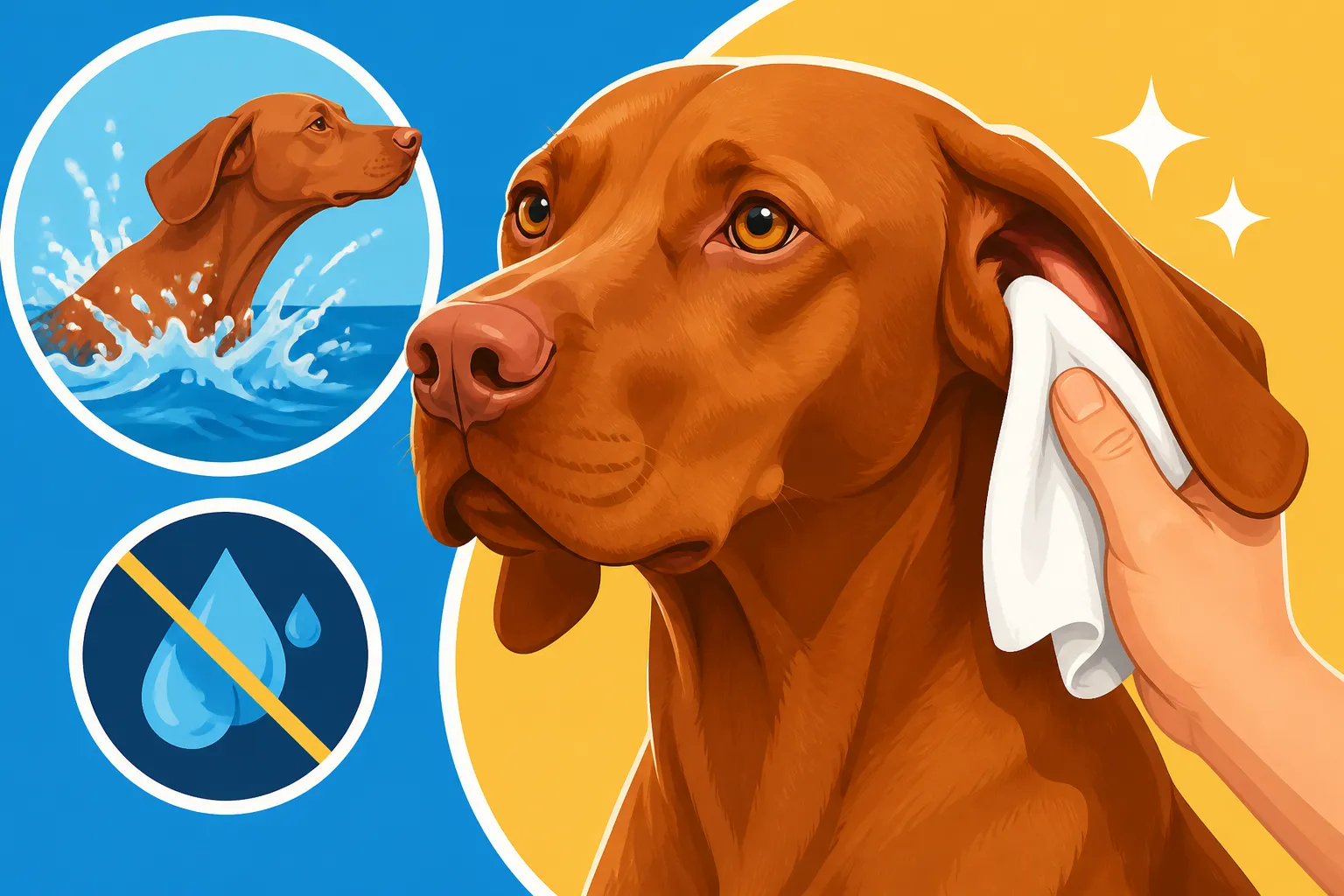
The very first thing you should do after your Vizsla comes out of the water is to gently, but thoroughly, towel dry their ears. Don't just wipe the outside; lift the ear flap and get right into the entrance of the ear canal. Use a soft, absorbent towel (a small microfibre cloth works wonders for this) and gently blot away any visible moisture. Don't try to go deep into the ear canal with the towel or a cotton swab, as this can push debris further in or damage the delicate structures. The goal here is to remove surface water and absorb as much residual dampness as possible.
Think of it as the first sweep. You're tackling the most accessible moisture and preventing it from migrating deeper. Be patient and reassuring, as some Vizslas can be sensitive about their ears. Make it a positive experience with praise and perhaps a small treat, so they associate post-swim ear drying with something good, not something to dread. This initial step is quick, requires no special products, and can significantly reduce the amount of water trapped inside.
Using a Gentle Ear Cleaner Post-Swim
Once the initial towel drying is done, the next crucial step is to use a veterinarian-approved ear cleaner. This isn't just about drying; it's about altering the environment within the ear canal. Many ear cleaners contain ingredients that help to acidify the ear canal, making it less hospitable for yeast and bacteria, which prefer a more alkaline environment. They also help to break down and flush out any remaining water, dirt, or debris.
To use an ear cleaner effectively:
- Lift the ear flap.
- Squeeze the recommended amount of cleaner (usually a good squirt) directly into the ear canal until it's visibly full.
- Gently massage the base of the ear for 20-30 seconds. You should hear a squishy sound as the liquid moves around inside. This massage helps the cleaner work its way down and dislodge debris.
- Allow your Vizsla to shake their head. This is vital! The head shake forces the loosened debris and excess cleaner out of the ear. Stand back, you might get splattered!
- Wipe the outer ear and ear flap with a clean cotton ball or soft cloth to remove any expelled gunk. Again, avoid going deep into the canal.
Consistency is key here. Every single time your Vizsla gets their ears wet, this process should follow. Even if they've only splashed a little, a quick squirt and massage can save you a lot of trouble down the line. You can find excellent ear cleaners from brands available on Amazon or Chewy.
When to Use Ear Drying Solutions
Ear drying solutions are a specific type of ear product designed purely to evaporate moisture from the ear canal. They often contain ingredients like alcohol (in safe concentrations) or boric acid. While some ear cleaners also have drying properties, dedicated drying solutions are typically used in very wet environments or for dogs highly prone to recurrent infections after swimming.
It's important to understand the difference. An ear cleaner is meant to clean and acidify, while a drying solution primarily aims to remove moisture. If your Vizsla is a frequent swimmer, particularly in lakes or ponds, incorporating an ear drying solution after cleaning can provide an extra layer of protection. However, use caution: if your Vizsla already has irritated ears or a known infection, consult your vet before using a drying solution, as some ingredients can be irritating to inflamed skin.
They are generally applied in the same way as a cleaner: squirt, massage, and let them shake. Using both a cleaner and a drying solution can be overkill for some dogs, so monitor your Vizsla's ear health to see what regimen works best. The goal is dry, healthy ears, not dry, irritated ones. The key is to address the Whether a Vizsla Gets Water in Its Ears Swimming challenge head-on with the right product.
Choosing the Right Ear Cleaning Products
Navigating the world of ear cleaning products can feel overwhelming. There are so many options, and it's easy to grab something that might not be the best fit for your Vizsla's sensitive ears. Knowing what to look for and what to avoid is crucial for effective and safe ear care.
Ingredients to Look For in Cleaners
When selecting an ear cleaner for your Vizsla, look for formulations that are gentle yet effective. Here are some beneficial ingredients:
- Veterinarian Recommended: Always a good starting point. If your vet recommends a specific brand, trust their expertise. They know your dog's history and potential sensitivities.
- Antiseptic/Antifungal Properties: Ingredients like boric acid, salicylic acid, or chlorhexidine can help create an environment that inhibits the growth of yeast and bacteria. These are often found in cleaners designed for maintenance and mild infection prevention.
- Drying Agents: As mentioned, some cleaners include mild drying agents like isopropyl alcohol or witch hazel. These help evaporate residual moisture. However, ensure the concentration isn't too high, especially if your dog has sensitive skin.
- pH Balancers: Look for cleaners that help restore the natural, slightly acidic pH of the ear canal. This acidity is a natural defense against microbial overgrowth.
- Aloe Vera or Other Soothing Agents: If your Vizsla tends to have sensitive ears, ingredients like aloe vera can help soothe and reduce irritation.
Brands like Epi-Otic or Zymox are often recommended by veterinarians for their balanced formulations. You can often find these and other quality options on major pet supply sites like Chewy or through your vet's office. Remember, the goal is proactive maintenance, not just treating infections after they arise.
Avoiding Harsh Chemicals
Just as there are good ingredients, there are also things you should generally steer clear of, especially for a sensitive breed like the Vizsla. Harsh chemicals can strip the natural oils from the ear canal, leading to dryness, irritation, and even making your Vizsla more susceptible to future infections.
- Excessive Alcohol: While a small amount of alcohol can be a gentle drying agent, products with very high alcohol content can be extremely irritating and painful, especially if the ear is already inflamed. Avoid solutions that list alcohol as the primary ingredient or have a strong alcohol smell.
- Hydrogen Peroxide: While common for minor human cuts, hydrogen peroxide can be too harsh for a dog's delicate ear canal. It can damage healthy tissue, especially if used frequently, and may even push debris deeper.
- Strong Fragrances/Dyes: Artificial fragrances and dyes are often unnecessary additives that can trigger allergic reactions or irritation in sensitive dogs. Opt for unscented or naturally scented (e.g., with a hint of tea tree oil, if your dog isn't sensitive to it) products.
- Q-Tips (Cotton Swabs): While not a chemical, using Q-tips deep in the ear canal is a major no-no. They can push wax and debris further into the ear, potentially perforate the eardrum, or compact material, making it harder for the ear to clean itself. Stick to wiping the visible outer ear only.
Always read ingredient lists carefully. If you're unsure about a product, it's always best to consult your veterinarian. They can guide you towards products suitable for your Vizsla's specific needs and sensitivities.
Dispensing Methods and Applicators
The way the ear cleaner is dispensed also matters for ease of use and safety. Most ear cleaners come in squeeze bottles with a nozzle applicator.
- Soft, Flexible Nozzle: Look for bottles with a soft, flexible nozzle that can be inserted just into the outer part of the ear canal without causing discomfort or potential injury. Hard, rigid applicators can be painful or dangerous if your dog moves suddenly.
- Controlled Squeeze: The bottle should allow for a controlled squeeze so you can deliver a steady stream of solution without accidentally dousing your dog or struggling to get enough in.
- Appropriate Size: Consider the size of the bottle. If you have a frequent swimmer, a larger bottle might be more economical, but ensure it's easy to handle. Smaller bottles are good for travel.
Some products come with a separate dropper, which can be useful for very precise application, but for general flushing, a squeeze bottle is usually more practical. The goal is to get the liquid into the ear canal, not just on the outer flap. With the right bottle design, this becomes a much less stressful process for both you and your Vizsla.
Establishing a Routine: Consistency is Key
Having the right products and knowing the immediate steps is a great start, but the real secret to long-term ear health for a water-loving Vizsla is consistency. Establishing a regular routine, whether your dog has just been swimming or not, is vital for prevention and early detection.
Regular Ear Checks: What to Look For
Beyond post-swim care, make it a habit to regularly inspect your Vizsla's ears. This should be part of your weekly or bi-weekly grooming routine, perhaps when you're checking their paws or brushing their coat. Early detection of issues can prevent them from escalating into full-blown infections.
When you lift your Vizsla's ear flap, here's what to look for:
- Odor: As we discussed, a strong, "yeasty" or foul smell is a major red flag. Healthy ears have very little odor, or just a faint, clean smell.
- Redness or Swelling: The skin inside the ear flap and at the opening of the canal should be a healthy pale pink. Any redness, inflammation, or swelling indicates irritation or infection.
- Discharge: A small amount of light brown earwax is normal. However, excessive dark brown, black, yellow, or green discharge is problematic. The consistency also matters: thick, waxy, or pus-like discharge is a sign of trouble.
- Heat: Gently feel the ear flap and the base of the ear. If it feels significantly warmer than the surrounding skin, it could indicate inflammation.
- Pain or Sensitivity: Does your Vizsla flinch, whine, or pull away when you touch their ears? This is a strong sign of discomfort.
- Behavioral Cues: Watch for head shaking, excessive scratching, rubbing their ears on furniture or the ground, or tilting their head persistently. These are all clear indicators that something is bothering them.
Making these checks a positive experience with treats and praise will help your Vizsla tolerate it better, and it will give you peace of mind that you're staying on top of their ear health. This proactive approach is part of What Vizslas Are Most Often Treated For prevention.
The Importance of a Weekly Cleaning Schedule
Even if your Vizsla hasn't been swimming, a weekly or bi-weekly ear cleaning routine can be incredibly beneficial, especially for a breed prone to ear issues. This helps to remove normal wax buildup, dirt, and maintain a healthy ear environment, preventing the accumulation of material that could trap moisture or feed opportunistic microorganisms.
Think of it as brushing their teeth – you don't wait for a cavity to appear, you maintain good oral hygiene. The same applies to ears. A general maintenance cleaner, often a milder formulation than those used to treat active infections, can be used for this purpose.
For a weekly cleaning:
- Choose a quiet, comfortable spot.
- Use your chosen gentle ear cleaner as described in the "Essential Post-Water Care" section. Squirt, massage, let them shake, and wipe clean.
- Reward generously!
This regular schedule keeps the ear canal clear, allows you to detect subtle changes early, and familiarizes your Vizsla with the process, making it less stressful if you ever need to treat an actual infection. It’s part of a holistic approach to Managing a Vizsla's Skin for Life, as ear health is often intertwined with overall skin and immune system balance.
Professional Grooming and Vet Visits
While home care is essential, don't underestimate the value of professional help. Your veterinarian is your best resource for ongoing ear health. During routine check-ups, your vet will examine your Vizsla's ears with an otoscope, allowing them to visualize the ear canal and eardrum, checking for any issues you might not see. They can also provide advice on the best cleaning products for your specific dog. If your Vizsla requires Whether a Vizsla Needs a Yearly Blood Panel, it's a good opportunity to discuss general health, including ear care.
For Vizslas with chronic ear problems, your vet might recommend specialized cleanings or further diagnostics, such as cytology (looking at a sample under a microscope to identify yeast or bacteria) or cultures (to identify specific bacterial strains).
Professional groomers can also play a role, particularly if your Vizsla has excessive hair around the ear canal entrance (though less common in Vizslas than some other breeds). They can gently trim this hair to improve airflow, under your direction or vet's recommendation. However, remember that groomers are not medical professionals; always rely on your vet for diagnosing and treating ear infections. Think of professional grooming and vet visits as complementary to your diligent home care, providing an extra layer of expertise and care for your Vizsla's delicate ears.
Troubleshooting Common Ear Issues
Despite your best efforts with preventative care, sometimes ear problems still pop up. It's frustrating, especially when you feel like you're doing everything right! But it's important to know when to escalate your concerns and how to approach common ear issues with your vet.
Recognizing the Signs of Infection
You've been diligently checking your Vizsla's ears, so hopefully, you'll catch any problems early. But let's recap the distinct signs that indicate an infection is brewing or already present:
- Persistent Head Shaking: More than just a casual shake, this is frequent, vigorous head movement, sometimes accompanied by a flapping sound.
- Excessive Scratching: Your Vizsla might use a back paw or rub their ear on the ground, furniture, or your leg.
- Foul Odor: A strong, unusual smell, often described as "yeasty," "sweet," or downright rotten. This is one of the most reliable indicators of infection.
- Redness and Swelling: The inside of the ear flap and the visible part of the ear canal are inflamed, often hot to the touch.
- Discharge: Any discharge that isn't minimal, light brown wax is a concern. Yellow, green, black, or thick, gooey brown discharge points to infection. Whether a Vizsla Gets Yeast in Its Ears often presents with a dark, waxy discharge.
- Pain or Sensitivity: Your Vizsla might cry out, growl, or snap if you try to touch their ear. They may hold their head tilted to one side.
- Hearing Loss or Balance Issues: In severe, deep-seated infections, you might notice changes in their hearing or how they walk.
If you observe any of these signs, particularly if they persist for more than a day or two, it’s time to call the vet. Self-treating can worsen the problem or mask symptoms, making diagnosis harder.
When to Consult Your Veterinarian
The moment you suspect an ear infection, especially if you see discharge, significant redness, swelling, or your Vizsla is clearly in pain, contact your veterinarian. It's far better to get it checked out early than to let it fester.
Here's why a prompt vet visit is critical:
- Accurate Diagnosis: Your vet can determine if it's a yeast infection, bacterial infection, ear mites, or something else entirely. Different issues require different treatments. They can take a swab and examine it under a microscope (cytology) to identify the specific type of organism.
- Proper Medication: Prescribed medications, whether antifungal, antibacterial, or antiparasitic drops, are far more potent and effective than over-the-counter remedies. They're also formulated to reach the deeper parts of the ear canal safely.
- Rule Out Underlying Causes: Sometimes, ear infections are a symptom of a larger problem, such as allergies (environmental or food-related) or even hypothyroidism. Your vet can investigate these possibilities. For example, Thyroid Failure in a Vizsla can sometimes manifest with skin and ear issues.
- Prevention of Complications: Untreated ear infections can lead to serious complications, including rupture of the eardrum, spread of infection to the middle or inner ear, permanent hearing damage, or aural hematomas from excessive head shaking.
Don't wait. Your Vizsla is relying on you to alleviate their discomfort quickly and effectively.
Dealing With Recurrent Problems
For some Vizslas, ear infections become a frustrating, recurrent nightmare. If your Vizsla seems to be getting one ear infection after another, it's a sign that you and your vet need to dig deeper to find the root cause. This isn't just bad luck; there's usually an underlying factor contributing to the problem.
Here are potential avenues to explore with your vet for recurrent ear issues:
- Allergy Testing: Allergies, both environmental (pollen, dust mites) and food-related, are a huge culprit for chronic ear infections. When a dog has allergies, their immune system overreacts, leading to inflammation and itching, which can manifest in the ears. Your vet might recommend allergy testing or a food elimination diet. Changing your dog's diet to a novel protein or hydrolyzed protein diet, potentially using brands like Ollie if you're exploring fresh food options under vet guidance, could make a significant difference if food allergies are at play. Whether a Vizsla Reacts to Its Food is a common concern.
- Thorough Cleaning Under Sedation: If there's a lot of debris or wax buildup deep in the ear, your vet might recommend a professional ear flush under sedation to thoroughly clean the canal.
- Medication Adherence: Are you completing the full course of medication prescribed by your vet, even if the symptoms seem to improve? Stopping too soon is a common reason for recurrence.
- Different Medications: Sometimes, a particular bacteria or yeast strain is resistant to common medications. Your vet might need to perform a culture and sensitivity test to find the most effective drug.
- Anatomical Abnormalities: Rarely, structural issues within the ear canal can predispose a dog to chronic infections.
- Underlying Systemic Disease: Conditions like hypothyroidism or other immune-mediated diseases can sometimes present with ear problems. Why a Vizsla's Immune System Is the Breed's Weak Point means they can be prone to various health issues that might indirectly impact ear health.
Dealing with recurrent ear problems requires patience, persistence, and a close partnership with your veterinarian. It's a journey, but finding and addressing the underlying cause can dramatically improve your Vizsla's long-term comfort and quality of life.
Prevention Beyond Drying: Holistic Approaches
While meticulous post-water ear care is fundamental, a truly comprehensive approach to keeping your Vizsla's ears healthy involves looking at their overall well-being. Several other factors can influence ear health, and addressing them holistically can make a big difference, especially for those prone to chronic issues.
Diet and Its Impact on Ear Health
It might sound strange, but what your Vizsla eats can directly impact the health of their skin and, by extension, their ears. Food allergies or sensitivities are a common underlying cause of recurrent ear infections. When a dog reacts to an ingredient in their food, the body's inflammatory response can manifest in various ways, and itchy, inflamed ears are often one of the first signs.
- Common Allergens: The usual suspects for food allergies in dogs include common proteins like chicken, beef, dairy, and wheat.
- Symptoms Beyond Ears: Besides ear issues, food allergies can also cause skin itching, redness, paw licking, and gastrointestinal upset like diarrhea or vomiting.
- Elimination Diet: If your vet suspects food allergies, they'll likely recommend an elimination diet. This involves feeding your Vizsla a novel protein (one they've never eaten before, like duck or venison) or a hydrolyzed protein diet for several weeks to see if symptoms improve. If they do, you slowly reintroduce ingredients to pinpoint the culprit.
- High-Quality Food: Even without allergies, a diet rich in high-quality ingredients, omega-3 fatty acids (like fish oil), and essential vitamins and minerals supports overall skin and coat health, which contributes to healthier ears. Brands found on Ollie or Chewy offer different food options, but always discuss with your vet before making significant dietary changes. Ensuring your Vizsla gets proper nutrition is part of Feeding a Vizsla That Burns Everything It Eats and can aid overall health.
Managing Allergies That Affect Ears
Beyond food, environmental allergies are another huge factor in chronic ear problems. Just like humans get hay fever, dogs can react to pollen, dust mites, mold spores, and other airborne allergens. When their immune system overreacts, it causes inflammation and itchiness, often targeting the paws, skin, and – you guessed it – the ears. This continuous inflammation can make the ear canal perpetually irritated and ripe for secondary infections.
- Seasonal vs. Year-Round: Environmental allergies can be seasonal (e.g., pollen in spring/fall) or year-round (e.g., dust mites). Pay attention to when your Vizsla's ear issues seem to flare up.
- Veterinary Diagnosis: Your vet can help diagnose environmental allergies through clinical signs, intradermal skin testing, or blood tests.
- Management Strategies: Managing environmental allergies often involves a multi-pronged approach:
- Medication: Antihistamines, corticosteroids, or newer allergy medications prescribed by your vet can help control the immune response and reduce itching.
- Immunotherapy (Allergy Shots): For severe cases, your vet might recommend allergy shots tailored to your dog's specific allergens.
- Environmental Control: Reducing exposure to allergens (e.g., frequent vacuuming, air purifiers, wiping paws after outdoor excursions) can help.
- Regular Bathing: Bathing with a soothing, medicated shampoo can help wash away allergens from the skin and coat. However, remember to carefully dry those ears after! How Often a Vizsla Should Be Bathed is a balancing act when managing allergies.
Addressing allergies means getting to the root of the inflammation, which can significantly reduce the frequency and severity of ear infections.
Considering Ear Protection for Water Work
For Vizslas who are avid swimmers, especially those frequently working in mucky ponds or brackish water, considering some form of ear protection might be a good idea. While not common for every pet owner, for serious hunting or field trial dogs, it can be a valuable tool.
- Ear Plugs/Bonnets: There are specialized ear plugs or bonnets designed for dogs that can help keep water out of the ear canal. These are typically used for short durations, like during a specific retrieve from water.
- Headbands/Snoods: Some owners use soft, stretchy headbands or snoods that cover the ears and hold them snugly against the head. This isn't foolproof but can help reduce the amount of water that splashes directly into the ear canal and can aid in keeping them warm in cold water. Whether a Vizsla Handles Cold Water is another factor where protection might be beneficial.
- Comfort and Acclimation: If you decide to try ear protection, introduce it gradually and positively. Not all dogs will tolerate it, and forcing it can create a negative association.
- Still Requires Post-Care: Even with protection, these are not substitutes for thorough post-water ear cleaning and drying. They merely reduce the initial ingress of water. The routine of cleaning and drying should still be followed as a safeguard.
Ultimately, ear health for your water-loving Vizsla is an ongoing commitment. By understanding their anatomy, consistently applying preventative care, knowing when to seek veterinary help, and considering holistic factors like diet and allergies, you can ensure their ears stay clear, comfortable, and ready for their next big splash.
Disclaimer
This article is for general informational purposes only and does not constitute professional advice. Laws, prices and regulations vary by location and change over time. Consult a qualified professional for guidance on your specific situation.