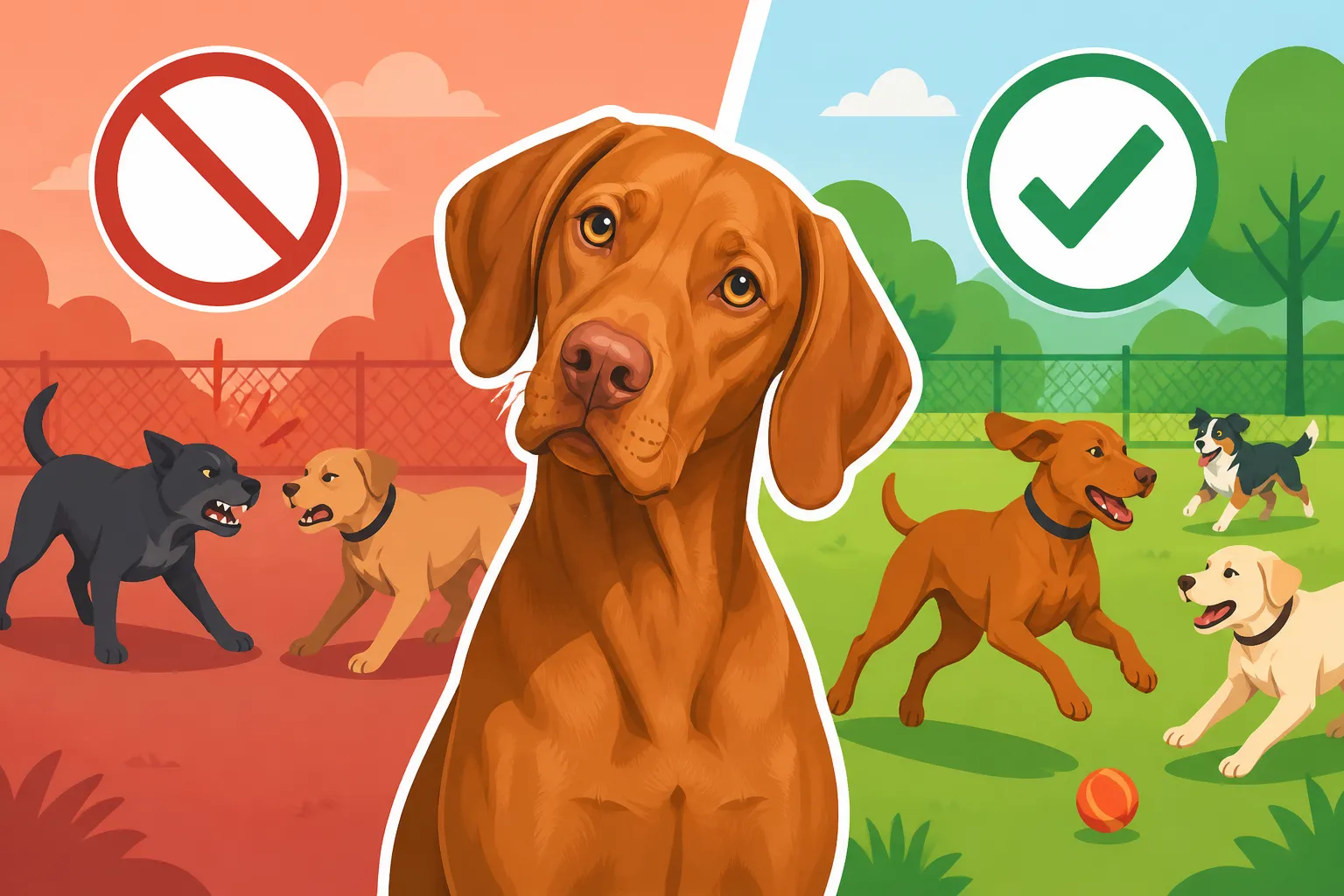
Whether a Vizsla Belongs at a Dog Park
It’s a common scenario: you’ve got a spirited Vizsla, full of boundless energy, and you see other dogs romping freely at the local dog park. Naturally, you think, "My Vizsla needs that! It's the perfect place for them to burn off steam and socialize!" But hold on a moment. While the idea of a dog park sounds like canine paradise, the reality for a Vizsla owner can often be a whirlwind of anxiety, frustration, and sometimes, even genuine danger. This guide will walk you through the unique considerations for Vizslas at dog parks, helping you decide if it’s truly the right environment for your beloved copper companion, and offering valuable alternatives if it's not.
Understanding the Vizsla Temperament for Public Spaces
Vizslas are magnificent dogs, but they come with a distinct personality and set of instincts that don't always mesh well with the chaotic, free-for-all nature of many dog parks. Their heritage as versatile hunting dogs, coupled with their deeply sensitive souls, means they thrive in certain environments and can struggle immensely in others.
The Vizsla's Unique Energy and Sensitivity
Let's be real, a Vizsla's energy isn't just "high" – it's often off the charts. They're built for endurance, for covering vast fields all day long. This isn't the kind of energy that a quick 30-minute romp at a dog park usually satisfies. Instead, a short burst of intense, unstructured play can often leave them even more amped up, not less. Think of it like a human drinking espresso after being told to relax – it just doesn't work that way!
Beyond the sheer athleticism, Vizslas are incredibly sensitive creatures. They absorb energy from their surroundings like sponges, and an environment filled with unpredictable dogs, loud noises, and varying human behaviors can be deeply overwhelming. A harsh bark from a dominant dog, a pushy play style from a terrier, or even just the general hubbub can send a sensitive Vizsla into overdrive or cause them to shut down. Remember, The Soft Vizsla That Shuts Down When You Raise Your Voice also applies to intense social pressure from other dogs. They need positive, confidence-building interactions, not potentially frightening ones.
Prey Drive and Pack Dynamics
Our Vizslas come from a long line of hunting dogs, and that prey drive is hardwired into them. At a dog park, where dogs are often running, chasing, and playing rough, it can be incredibly easy for that instinct to kick in. A smaller, yappier dog darting away might look like game, triggering a chase that's not always playful or safe. It's not malicious; it's instinct. This can lead to misunderstandings, scares for the other dog and owner, and even potential aggression if the Vizsla's "prey" turns to confront them.
Furthermore, dog parks rarely have established pack dynamics. It's a revolving door of personalities, temperaments, and training levels. Your Vizsla, who might be a social butterfly with dogs they know and trust, can quickly become uncomfortable or overstimulated by an unknown group. They might try to establish dominance, or conversely, become a target for more assertive dogs. It’s a gamble every time, and for a dog that relies on clear communication and respectful play, it can be a recipe for stress rather than enjoyment. Building a Recall on a Vizsla That Ranges is crucial for hunting but equally important in an uncontrolled environment where instincts can take over.
Socialization vs. Free-for-All Environments
Many owners believe dog parks are essential for socialization. While exposure to other dogs is vital, especially during The First Year With a Vizsla Puppy, the quality of that exposure matters far more than the quantity. True, positive socialization involves controlled, calm interactions that teach a dog appropriate play and manners. A dog park is often anything but controlled or calm.
Instead of learning polite greetings, a Vizsla might learn to be reactive, to guard space, or to become fearful if they have repeated negative experiences. They might pick up undesirable habits from poorly-behaved dogs, or worse, be exposed to illnesses or parasites. It’s like sending a child to an unsupervised playground with no rules – some might thrive, but many will end up confused, hurt, or picking up bad habits. For a breed as impressionable as the Vizsla, selective, positive experiences are key.
Potential Risks and Challenges at Dog Parks for Vizslas
Given their unique temperament and needs, Vizslas face several specific challenges and risks in the typical dog park environment. Understanding these can help you make an informed decision for your dog's safety and well-being.
Overstimulation and Reactivity
Vizslas thrive on action, but there's a fine line between healthy exercise and overwhelming overstimulation. A dog park, with its constant motion, unpredictable interactions, and varying levels of canine communication, can easily push a Vizsla past that line. They might go from excited to anxious, then to reactive, in a very short span. You might see barking, lunging, chasing more aggressively than usual, or even trying to herd other dogs. This isn't necessarily aggression; it's often a Vizsla trying to cope with an environment that's too much for them.
When a Vizsla becomes overstimulated, their recall can disappear, their focus can shatter, and they can become less responsive to your cues. It can be a scary situation for both you and your dog. Repeated exposure to such an environment can actually create reactivity issues that didn't exist before, leading to a dog that struggles with even leashed walks or encounters with other dogs in public. If your Vizsla is already prone to Whether a Vizsla Is Reactive on Leash, a dog park can exacerbate this tenfold.
Injury Risks and Rough Play
Vizslas are lean, athletic, and often possess a slightly "thin skin" trait, making them susceptible to injuries from rough play. While they love to run and wrestle, their speed and sometimes awkward movements can lead to collisions with other dogs or objects. Their enthusiasm, combined with the varied play styles of other breeds, can easily result in sprains, strains, cuts, or even more serious injuries like fractures or joint damage. A hard bump from a heavier, clumsier dog or a too-enthusiastic nip can quickly escalate from play to pain.
Beyond accidental injuries, there's always the risk of intentional aggression from other dogs. Not all dogs at dog parks are well-socialized or well-behaved. Some might be bullies, others might be fearful and snap when approached, and some simply don't have good manners. A Vizsla, with its sensitive nature, can be deeply traumatized by a negative encounter, making future interactions with dogs a source of fear or anxiety. The vet bills alone for a serious injury can be substantial, leading to questions like What a Vizsla Costs a Year to Keep.
Picking Up Bad Habits or Fear
Just like children, dogs learn from their peers. At a dog park, your Vizsla might unfortunately pick up undesirable behaviors from other dogs. This could be anything from excessive barking, resource guarding (if owners bring toys or treats), jumping on people, or even marking territory inappropriately. While some of these might seem minor, they can become deeply ingrained and challenging to correct once they become habits.
More concerning is the development of fear or anxiety. A single bad experience – being cornered, attacked, or simply overwhelmed – can create lasting emotional scars for a sensitive Vizsla. This fear can then generalize to all dogs, all public spaces, or even just the sight of a dog park entrance. Instead of building confidence, the dog park could inadvertently dismantle it, turning your outgoing, happy Vizsla into a nervous wreck around other canines. This can make activities like Whether a Vizsla Gets On With Other Dogs much harder in the future.
Alternatives to the Dog Park for Vizsla Exercise and Socialization
If the potential downsides of dog parks outweigh the benefits for your Vizsla, don't despair! There are countless effective and much safer ways to ensure your Vizsla gets the physical exercise and mental stimulation they need, along with positive social interactions.
Structured Group Activities and Classes
Instead of the uncontrolled chaos of a dog park, consider activities that offer structure and supervision. Dog sports are a fantastic way to engage your Vizsla's body and mind. Think about agility classes, flyball, or even rally obedience. These activities not only provide incredible physical outlets but also build confidence, strengthen your bond, and offer opportunities for your Vizsla to interact with other dogs in a controlled, purposeful manner. A good trainer will ensure positive experiences and help manage any potential anxieties.
Many dog training facilities also offer supervised playgroups specifically designed for certain temperaments or sizes, or even "puppy socials" that focus on appropriate play. These are usually run by experienced professionals who can read dog body language, intervene when necessary, and ensure all interactions are positive. This kind of structured engagement is far more beneficial for a Vizsla's development than random encounters at a park. Check out online platforms like BAXTER & Bella for virtual training resources that can prepare your Vizsla for more social interactions or help you understand canine body language better.
Controlled Playdates and Designated Spaces
One of the best ways to ensure positive social interaction for your Vizsla is through controlled playdates. Arrange one-on-one play sessions with dogs you know are well-behaved, vaccinated, and have a compatible play style with your Vizsla. This could be a friend's dog, a dog from a training class, or even another Vizsla owner you've connected with. Meeting in a neutral, fenced yard or a less busy open space allows for natural interaction without the overwhelming stimuli of a dog park.
If you have access to private land, or a securely fenced area that isn't a public dog park, these can be golden opportunities for your Vizsla to run and explore safely. Long lines are your best friend here. A 30 or 50-foot long line, easily found on Amazon, allows your Vizsla to feel the freedom of running while still giving you control and the ability to work on that all-important recall. This allows them to burn off their incredible energy in a way that is safe and focused, rather than frantic.
Independent Exercise and Exploration
Let's face it, your Vizsla needs a lot of exercise. The Two Hours a Vizsla Needs Before It Will Settle is not an exaggeration for many. While group play is great, don't underestimate the power of independent exercise with you. Running, hiking, cycling (with appropriate training and safety gear), or even structured scent work can be incredibly fulfilling. These activities strengthen your bond, build focus, and allow your Vizsla to engage their natural instincts in a way that's directed and safe.
Consider exploring different trails, open fields (where permitted and safe), or even canine sports like dock diving or tracking, which are fantastic mental and physical outlets. These provide variety and prevent boredom, which can lead to destructive behaviors if your Vizsla is under-exercised, as discussed in What a Vizsla Destroys When Left Alone. Mental work is just as important as physical, so puzzle toys, training sessions, and even just exploring new smells on a sniffari walk can tire out a Vizsla almost as much as a good run. For more ideas on how to engage their minds, read Whether a Vizsla Needs Mental Work Too.
Here's a quick comparison of dog park risks versus safer alternatives:
| Feature | Dog Park Environment | Structured Alternatives (e.g., Classes, Playdates) |
|---|---|---|
| Socialization | Uncontrolled, unpredictable interactions, potential for negative experiences. | Supervised, positive, tailored interactions. |
| Exercise Quality | Often frantic, short bursts, potential for overstimulation. | Goal-oriented, balanced physical and mental exertion. |
| Safety | High risk of injury, illness, or behavioral issues. | Lower risk due to controlled environment and supervision. |
| Training | Can undermine training, reinforce bad habits. | Reinforces good manners, builds focus and obedience. |
| Bonding | Focus shifts to other dogs, less owner-dog interaction. | Stronger bond through shared activity and communication. |
| Flexibility | Dependent on park hours, other users. | Can be scheduled, tailored to your dog's needs. |
Assessing Your Vizsla's Suitability and Preparing for a Dog Park Visit
Despite the challenges, some Vizslas can thrive in dog park environments, provided they have the right temperament and their owners take significant precautions. It's crucial to honestly assess your Vizsla and be prepared for potential issues.
Key Indicators of a Dog Park-Ready Vizsla
Before even thinking about a dog park, ask yourself these questions about your Vizsla:
- Rock-Solid Recall: Can your Vizsla be called away from anything – squirrels, other dogs, even food – every single time, without hesitation? If the answer isn't a resounding yes, a dog park is not for them. Building a Recall on a Vizsla That Ranges is paramount.
- Excellent Social Skills: Does your Vizsla consistently engage in appropriate play with other dogs? Do they understand doggy etiquette, like respecting space, taking turns, and disengaging when another dog signals they're done? Do they cope well when another dog is rude?
- Resilience and Confidence: Is your Vizsla generally confident and resilient to unexpected noises, quick movements, or varied temperaments? A highly sensitive Vizsla might struggle to brush off a minor negative interaction.
- No Resource Guarding: Does your Vizsla guard toys, food, or even you? Resource guarding in a dog park is a recipe for disaster.
- Not Prone to Over-Arousal: Do they know how to self-regulate their excitement? Or do they quickly escalate into frantic, unfocused energy?
If you're unsure about any of these, it’s a strong indicator that the dog park might be too much for your Vizsla. Better to err on the side of caution.
Preparing for a Safe and Positive Experience
If you've assessed your Vizsla and believe they truly are a good candidate, here are crucial steps to take for a safer experience:
- Scout the Park First: Don't just show up. Go alone first, or observe from a distance without your dog. What's the vibe? Are dogs playing safely? Are owners engaged? Is it clean? Are there separate areas for small and large dogs? Avoid parks that are overly crowded or where owners seem disengaged.
- Go at Off-Peak Hours: The fewer dogs, the better. Early mornings or late evenings might offer a calmer environment with fewer opportunities for conflict or overstimulation.
- Bring Nothing: Leave toys, treats, and even water bowls at home (unless you have a private one for your dog only). These can easily become objects of resource guarding, leading to fights.
- Be Your Vizsla's Advocate: Watch your dog like a hawk. Pay attention to their body language and that of other dogs. If your Vizsla looks stressed, fearful, or overly excited, or if another dog is being pushy, intervene immediately. Don't wait for things to escalate.
- Start Short: Keep initial visits brief. Five to ten minutes of positive interaction is far better than an hour of stress. End on a good note.
- Have an Exit Strategy: Know how you'll leave quickly if needed. Practice your recall regularly outside the park so it's reliable when you need it most.
- Consider a GPS Tracker: With a dog that can run like a Vizsla, having a GPS collar is a smart safety measure, especially if they range far or could slip a leash. Many excellent options are available on Amazon.
- Vaccinations and Parasite Prevention: Ensure your Vizsla is fully vaccinated and on year-round flea, tick, and heartworm prevention. Dog parks are hotbeds for germs.
Knowing When to Leave or Avoid Altogether
The most important skill of a dog park owner isn't training their dog, it's reading the room and knowing when to go.
- Overcrowding: If the park is packed, it’s often best to turn around. Too many dogs increase stress and the likelihood of conflict.
- Bully Dogs: If there's a dog that's consistently harassing others, ignoring corrections, or being overly rough, leave. Your dog doesn't need to be a punching bag.
- Disengaged Owners: If owners are glued to their phones, oblivious to their dog's behavior, that's a red flag. Their lack of supervision puts every dog at risk.
- Your Vizsla's Signals: Watch for signs of stress: tail tucked, lip licking, yawning, stiff body, hiding behind you, excessive sniffing (as a displacement behavior), or getting into fights. If your Vizsla isn't having fun, it's time to leave.
Ultimately, a dog park is not a universal solution for exercise or socialization. For a Vizsla, with their energy, sensitivity, and strong instincts, it can often be more detrimental than beneficial. Prioritizing safe, structured, and positive interactions will always be the best choice for your beloved companion.
Disclaimer
This article is for general informational purposes only and does not constitute professional advice. Laws, prices and regulations vary by location and change over time. Consult a qualified professional for guidance on your specific situation.