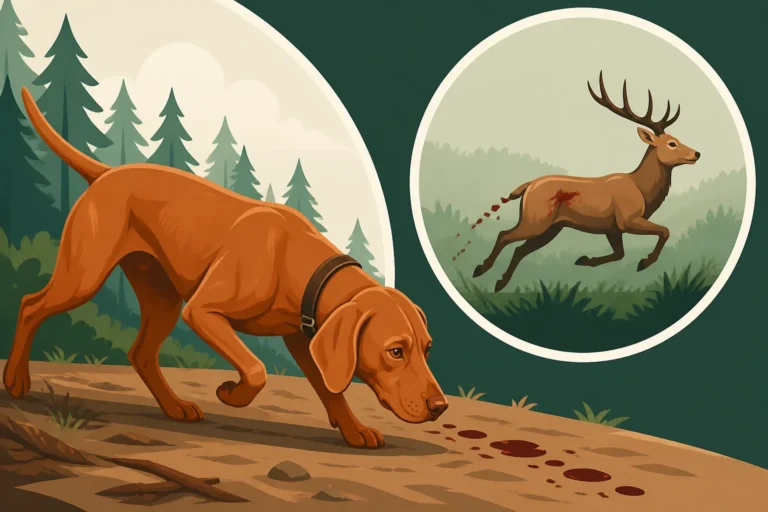
Whether a Pet Bred Vizsla Still Hunts
It’s a question so many Vizsla owners whisper to themselves, often with a mix of hope and a touch of guilt: "My Vizsla came from a pet breeder, not a hardcore hunting kennel. Can they really hunt?" It’s a completely valid concern, especially when you see those stunning photos and videos of Vizslas effortlessly pointing game in vast fields, their golden coats gleaming. You might wonder if your beloved companion, who spends most of their time snuggling on the sofa, has that instinct buried deep inside. This guide is here to tell you that yes, absolutely, a pet-bred Vizsla often possesses a strong natural drive to hunt, and with the right approach, dedication, and understanding, they can become a wonderful partner in the field.
Unpacking the 'Pet-Bred' Label: What Does it Really Mean?
Let’s get one thing straight right off the bat: the term "pet-bred" doesn’t mean your Vizsla is somehow less of a Vizsla or lacks the inherent traits of the breed. It simply means that the breeder’s primary focus was likely on producing healthy, well-tempered companions suitable for family life, rather than specifically selecting for extreme prey drive, intense birdiness, or relentless stamina for competitive field trials. This distinction is really important to grasp, because it influences expectations and training approaches, not the fundamental ability of your dog.
The Nuance of Breeding Focus
When a breeder labels their puppies as "pet-bred," it often indicates that their selection process prioritized things like a calm demeanor indoors, good social skills, and a conformation that meets breed standards without necessarily optimizing for the rigorous demands of a professional hunting career. They are still breeding Vizslas, a breed fundamentally developed for hunting, but their emphasis might lean towards creating a dog that integrates seamlessly into a home environment, perhaps one with children or other pets, rather than a dog destined for constant field work. This isn't a bad thing at all; it just shifts the focus. You're likely to get a dog that is incredibly affectionate, biddable, and eager to please, which are fantastic qualities for a hunting companion.
The Enduring Genetic Blueprint
Here’s the thing about Vizslas: they are, at their core, purpose-bred hunting dogs. Their ancestors were developed over centuries to locate, point, and retrieve game. That genetic blueprint doesn't just vanish because a breeder focuses on temperament. Even if your Vizsla’s parents weren't actively hunted, or didn't possess multiple field titles, the instincts for pointing, tracking, and retrieving are deeply embedded in the breed's DNA. Think of it like this: a person born into a family of musicians might not be taught music from birth, but the latent talent and appreciation for rhythm could still be there, waiting to be discovered. Your Vizsla probably still has those instincts, they just might need a little more encouragement and exposure to truly blossom. It's about tapping into that ancient heritage.
The Instinct Is Still There: Tapping into Your Vizsla's Innate Drive
So, how do you know if your pet-bred Vizsla has the "stuff"? Often, the signs are there from a young age, even if you don't recognize them as hunting instincts initially. Observing your dog's natural behaviors can give you a huge clue about their potential in the field.
Observing Natural Behaviors
Have you ever seen your Vizsla freeze, nose twitching, intently staring at a squirrel or a bird in the yard? That intense, focused stance? That's a point. It might not be a picture-perfect, rock-solid point on a pheasant, but it's the raw, unrefined version of it. What about when they pounce on a toy, gently carrying it back to you? That’s retrieving. Many Vizslas, even those raised strictly as pets, exhibit these "birdy" behaviors. They might stalk butterflies, pounce on rustling leaves, or show an unusual fascination with birds in the park. These are all indicators that the hunting fire is flickering, ready to be fanned into a blaze.
A highly driven Vizsla might also display a strong desire to explore, using their nose constantly, pulling you towards new scents. They might be incredibly agile, quick to react to movement, and possess a boundless energy that seems designed for covering ground. These aren't just quirky pet traits; they are fundamental components of a successful bird dog. The First Signs of Polymyopathy in a Vizsla article is about a health issue, but it highlights how changes in natural movement can be a sign of deeper issues – conversely, natural, strong movements in a healthy Vizsla are signs of their inherent physical capability.
What Motivates Your Vizsla?
Understanding what truly motivates your Vizsla is key to unlocking their hunting potential. Most Vizslas are incredibly biddable and eager to please their people, which is a huge advantage. They thrive on praise and connection. For many, the ultimate reward isn't just a treat; it's the shared activity with you, their favorite person. This desire to work with you is a cornerstone of gundog training.
Consider what excites them most. Is it chasing a tennis ball? The thrill of a scent trail? The sound of a bird fluttering? Use these insights to tailor your training. If your Vizsla goes absolutely wild for a squeaky toy, that toy can become a valuable tool for encouraging retrieving and focus. If they live for a good run, incorporate that into your training by making retrieving or quartering exercises part of their daily routine. What a Vizsla Will Work For delves deeper into understanding their motivations, which is crucial for any training, especially something as demanding as gundog work.
From Couch to Covert: Practical Steps for Hunting Training
So, you've decided to embark on this journey with your pet-bred Vizsla. Fantastic! It’s going to be a rewarding experience, but one that requires patience, consistency, and a structured approach. You can’t expect your dog to just know what to do in the field overnight.
Building a Strong Foundation: Obedience and Socialization
Before you even think about birds or gunshots, your Vizsla needs a rock-solid foundation in basic obedience. A reliable recall, the ability to "whoa" (stop), and general manners are non-negotiable for safety and effectiveness in the field. This isn't just about command-and-control; it's about building communication and trust. Your Vizsla needs to understand what you're asking of them, even amidst distractions.
Consider enrolling in a good puppy class or an online program like those offered by BAXTER & Bella. These programs can help you establish clear communication, build confidence in your dog, and strengthen your bond. Remember, Vizslas are known for being "soft," meaning harsh corrections can set them back dramatically. The Soft Vizsla That Shuts Down When You Raise Your Voice really hammers this home. Positive reinforcement methods, focusing on rewarding desired behaviors, are almost always the most effective way to train a Vizsla for any task, including hunting. A well-socialized dog is also a more confident dog, and confidence is vital when encountering new sights, sounds, and smells in the hunting environment.
Introducing Birds and Gunfire Gradually
Once you have a solid obedience foundation, you can start introducing specific hunting elements.
Introducing Birds
This is where the excitement really begins! You don't need a hunting preserve to start. You can begin with "planted" birds (like pigeons or quail, often available from game bird suppliers) in your backyard or a quiet field. The goal is to let your Vizsla discover the bird naturally, allowing their pointing instinct to kick in. Don't rush or interfere too much at first. Let them experience the thrill of the scent and the point. Starting a Vizsla on Birds offers excellent guidance on this initial stage. You'll want to gradually introduce more challenging scenarios, like birds that fly away, to encourage steadiness.
Many pet-bred Vizslas will exhibit a natural point, even if it’s a bit unrefined. You might find that Whether a Vizsla Points Naturally is a common question, and the answer is usually yes, to some degree! The key is to nurture and shape that natural instinct into a polished, steady point that is useful in a hunting scenario.
Introducing Gunfire
This is perhaps the most sensitive part of training. You absolutely must introduce gunfire gradually and positively to avoid creating a gun-shy dog. Start with very low-decibel sounds (like a cap gun or even clapping loudly) at a significant distance from your Vizsla while they are engaged in something positive, like eating or playing. As they show no reaction, you can slowly decrease the distance and increase the sound. Never associate a loud noise directly with something negative or startling. How to Introduce a Vizsla to Gunfire is a critical resource here. You don’t want to risk developing a dog that fears gunshots, as that can be incredibly difficult, if not impossible, to overcome. Ensure your Vizsla is confident and focused on the birds, so the sound of the shot becomes a positive association, signaling the bird's flight or retrieval. It’s also wise to read up on Whether a Vizsla Is Gun Shy to understand the signs and preventative measures.
Seeking Mentorship and Training Resources
While you can certainly start some foundational training yourself, working with an experienced gundog trainer or joining a local hunting club is invaluable. They can provide guidance, expose your Vizsla to controlled hunting scenarios, and help you refine techniques. The nuances of reading a dog in the field, understanding bird behavior, and handling different situations are best learned from those with experience.
For equipment, platforms like Amazon offer a vast array of training tools, from check cords and whistles to dummy launchers and training scents. Investing in quality gear, like a good quality GPS collar to keep track of your ranging Vizsla, can make a huge difference in your training success and safety in the field.
| Training Aspect | Pet-Bred Vizsla Considerations | Field-Bred Vizsla Considerations |
|---|---|---|
| Initial Instinct | May be present but unrefined; needs consistent exposure to birds to develop. | Strong, often intense, innate bird drive; typically points and retrieves from a young age. |
| Obedience Foundation | Crucial for building communication and control, especially if initial drive is lower. | Still important, but might be easier to integrate into existing strong prey drive. |
| Motivation | Often highly people-focused, eager to please; positive reinforcement is key. | May be more bird-focused; often responds well to game-based rewards. |
| Training Time | May require more time and patience to develop solid field skills and steadiness. | Generally faster to pick up field skills due to genetic predisposition and selective breeding. |
| Range/Endurance | Can develop good range and stamina with proper conditioning and training. | Typically bred for extensive range and endurance, may cover ground more naturally. |
| Challenges | Potentially less "hardwired" for extreme conditions or distractions; requires careful shaping. | Might be too intense for a novice handler; requires firm, consistent direction. |
Embracing the Journey: Realistic Expectations for Your Hunting Companion
Embarking on the journey of turning your pet-bred Vizsla into a hunting companion is incredibly rewarding, but it’s vital to manage your expectations. Not every Vizsla, regardless of breeding, will become a national field champion. And that’s perfectly okay.
The Time and Commitment Required
Training a gundog is a significant time commitment. It’s not just about a few hours on weekends. It involves daily reinforcement of obedience, regular exposure to relevant stimuli (birds, sounds, terrain), and ongoing physical conditioning. You'll need to dedicate time to reading, learning, and practicing alongside your dog. This journey can take months, even years, to develop a truly polished hunting companion. Be prepared for the long haul, and enjoy every small victory along the way. Whether a Vizsla Needs Formal Gun Dog Training is a question many ask, and for serious hunting, some level of formal guidance is almost always beneficial.
Celebrating Small Victories and Personal Goals
Instead of aiming for competitive titles (unless that truly becomes a passion for both of you), focus on creating a competent, safe, and enjoyable hunting partner. Perhaps your goal is simply to have a dog that can find and point a few pheasants during a leisurely hunt, or retrieve ducks from a pond. These are perfectly valid and immensely satisfying goals. Celebrate every perfect retrieve, every solid point, and every moment of teamwork in the field. Your pet-bred Vizsla might not range as wide as a field-bred champion, or hold a point for an eternity, but they can still be incredibly effective and bring immense joy to your hunting experiences.
Remember that The Twelve to Fourteen Years a Vizsla Lives means you have a long time to enjoy this partnership. Even if it takes a while for your Vizsla to fully develop their hunting skills, the journey itself strengthens your bond and provides both of you with purpose and exercise. Consider all the What a Vizsla Needs Every Day for mental and physical stimulation, and hunting training can fulfill many of those needs. Also, a dog that gets to express its natural instincts is a happier, more fulfilled dog, regardless of whether it’s winning ribbons or just bringing home dinner. So, grab your gear, put in the work, and watch your beloved family dog transform into a capable and joyful hunting partner.
Disclaimer
This article is for general informational purposes only and does not constitute professional advice. Laws, prices and regulations vary by location and change over time. Consult a qualified professional for guidance on your specific situation.