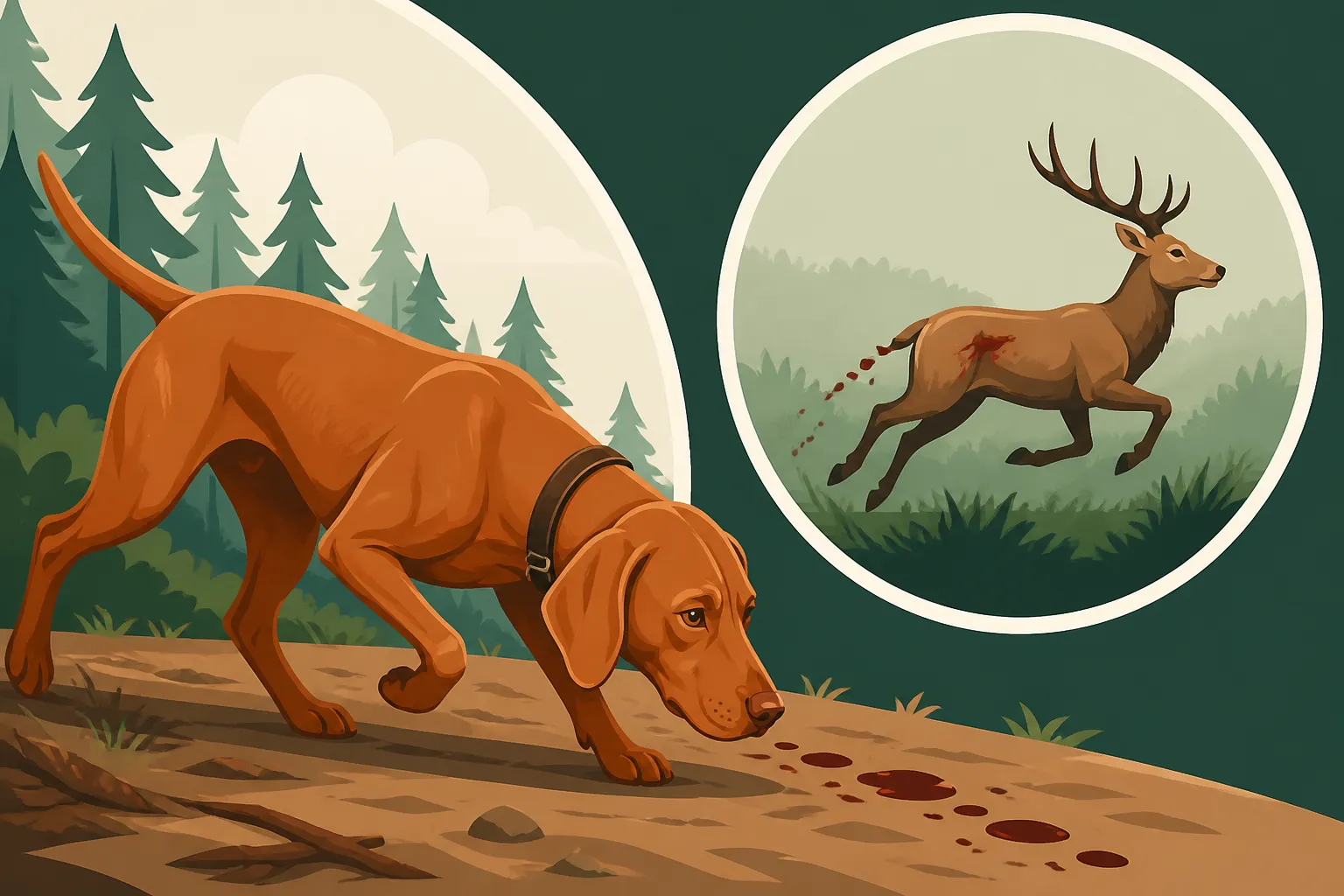
Whether a Vizsla Tracks Wounded Game
There’s nothing quite as gut-wrenching as a hunter knowing they’ve made a good shot, but the game has still run off, leaving only a faint trail. The question then becomes: can your loyal Vizsla, with all its natural hunting instincts, help you find that wounded bird or deer? This guide will dive deep into how Vizslas are perfectly equipped for tracking wounded game and, more importantly, how you can train your beloved companion to become an invaluable recovery partner in the field.
The Vizsla's Innate Scenting Prowess
Vizslas are more than just beautiful, athletic dogs; they are finely tuned hunting machines, bred for centuries to work closely with their human partners. This heritage imbues them with a remarkable aptitude for scent work, a skill that extends far beyond simply finding live game.
A Deep-Rooted History of Scent Work
Our copper-coated companions hail from Hungary, where they were developed to be versatile hunting dogs. This meant they needed to excel at many tasks: pointing birds, retrieving shot game, and yes, trailing. The early breeders and noblemen who refined the Vizsla understood the necessity of a dog that could follow a cold trail, often for hours, to recover wounded game. Their keen noses and incredible endurance aren't accidental; they're the product of generations of selective breeding. This history means that a deep-seated instinct to follow scent trails, even faint ones left by injured animals, is very much a part of their genetic makeup. It's not just about a strong nose; it's about the drive and the stamina to stick with that scent until the job is done.
Many Vizsla owners will tell you stories of their dogs "air-scenting" a treat from across the house or meticulously following a friend's path long after they've left. This innate ability to discriminate and follow specific scents is the foundation upon which effective wounded game tracking is built. It’s a profound connection to their ancestry, a silent whisper from the plains and forests of Hungary, reminding them of their original purpose. Tapping into this inherent drive is key to unlocking their potential as recovery dogs.
The Difference Between Pointing and Trailing
It's easy to conflate all hunting skills, but pointing and trailing, while both relying on a dog's nose, are distinct disciplines that require different mental approaches from your Vizsla. Pointing is primarily about locating live game, usually upland birds, often using airborne scent and locking up in a statuesque pose to indicate the quarry's presence. It's a burst of intense focus, followed by a controlled "hold" until the hunter moves in.
Trailing, on the other hand, involves following a specific, ground-based scent path left by an animal, typically wounded and attempting to escape. This requires a much more methodical, head-down, slow-and-steady approach. Your Vizsla isn't looking for a "whoosh" of bird scent; they're painstakingly deciphering the nuanced odor of blood, disturbed earth, and the specific individual animal's trail. For a breed known for its explosive energy, switching into this slower, more deliberate mode can be a mental challenge, but it's one they are absolutely capable of mastering with the right guidance. Understanding this distinction is the first step in training, as you'll be asking your Vizsla to engage a different part of their hunting brain.
Cultivating Tracking Skills in Your Vizsla
While Vizslas have the natural inclination, it takes deliberate and patient training to harness their scenting abilities for wounded game recovery. This isn't just about walks in the woods; it's about building a specific skill set and reinforcing their natural talents.
Starting Early with Scent Games
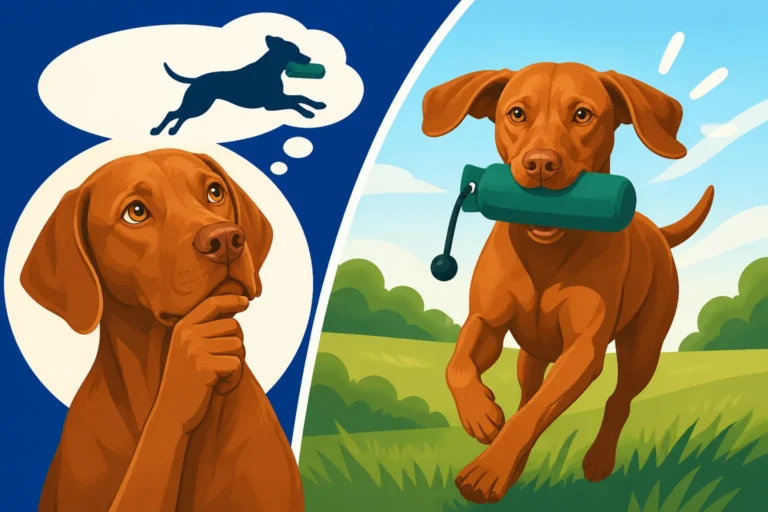
The best time to start any specialized training with a Vizsla is often during puppyhood, or as soon as you bring them home, by integrating scent games into their daily routine. For a young Vizsla puppy, everything is a game, and you can leverage this natural curiosity. Start simple: hide a favorite toy or a highly prized treat just out of sight and let them "find" it. Praise them enthusiastically when they do. As they get the hang of it, make the "hides" more challenging, extending the distance, adding simple turns, or placing them under light cover. This builds their confidence in their nose and teaches them that following scent leads to rewards.
You can then introduce a specific "scent article" – perhaps a wing from a game bird or even a piece of absorbent cloth dabbed with a commercial blood tracking scent. Drag this article along the ground for a short distance, hide it, and then encourage your Vizsla to find it. This teaches them to focus on a particular odor and follow its path. Keep initial trails short, straight, and in areas with minimal distractions. Remember, a Vizsla's enthusiasm can sometimes override their focus, so making it fun and rewarding is paramount. For general development, these early games contribute significantly to The First Year With a Vizsla Puppy.
Progressing to Blood Trailing
Once your Vizsla understands the concept of following a specific scent to a "find," you can gradually introduce blood trailing. This is where you'll start mimicking actual hunting scenarios. You can purchase commercial blood tracking kits or use real game blood (check local regulations and ethical considerations). Create a "trail" by dripping small amounts of blood along a path in the woods or a field. Start with a fresh, short trail, perhaps 50-100 yards, leading to a visible piece of game or a part of one, like a deer leg or a bird carcass.
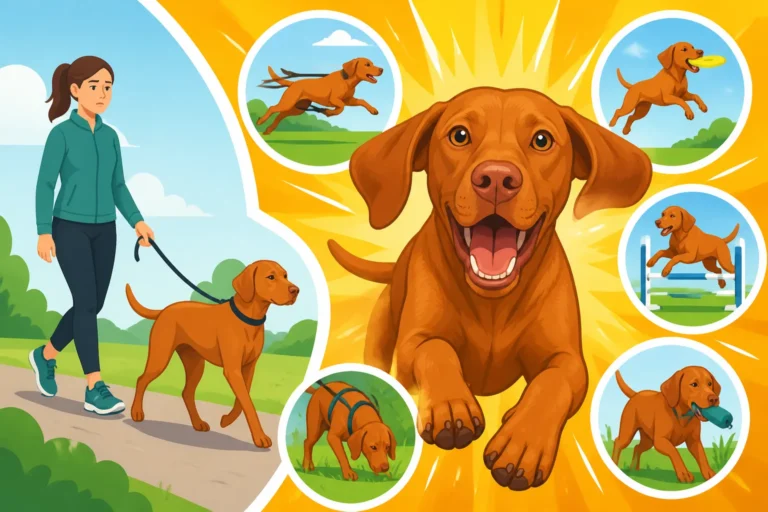
As your Vizsla becomes proficient, increase the length of the trail, introduce more turns, allow the trail to "age" for a few hours (or even overnight) before working it, and move to more challenging terrain with varying cover. It's crucial to use a tracking harness and a long line during this training. A tracking harness, different from their regular walking harness, signals to your dog that it's time to work. You can find excellent tracking harnesses and long lines on platforms like Amazon. Allow your Vizsla to lead, paying close attention to their nose and body language. They will often drop their head, their tail may become more purposeful, and their pace will slow as they methodically work the scent. Praise and reward heavily at the "find." Consistency is key here; regular, even short, practice sessions are more effective than infrequent, long ones.
Simulating Real-World Scenarios
True mastery comes from practicing in conditions that closely resemble actual hunting situations. Once your Vizsla is confidently following staged blood trails, it's time to throw in some real-world curveballs. Practice in different weather conditions – light rain, strong winds, varying temperatures – as these dramatically affect how scent behaves. Lay trails over streams, through thick brush, and across hard ground to challenge your dog's ability to maintain the scent. Instead of just a piece of game at the end, sometimes have just a feather pile or a single blood-spatter, teaching them to indicate a small find.
You can also introduce minor distractions. Have a friend walk a perpendicular path across your trail a few minutes after you've laid it, mimicking a deer crossing. Teach your Vizsla to ignore these extraneous scents and stick to the task at hand. Remember that Vizslas are incredibly energetic, and this focused work is excellent mental stimulation, helping to meet their significant exercise requirements mentioned in The Two Hours a Vizsla Needs Before It Will Settle. This "proofing" ensures they can perform under pressure when it matters most, and it helps them develop the sustained focus necessary, as discussed in How Long a Vizsla Holds Concentration.
Overcoming Obstacles in Wounded Game Recovery
Even with the best training, real-world tracking presents unique challenges. Your Vizsla’s natural instincts are powerful, but understanding and mitigating common difficulties will significantly improve your success rate.
Maintaining Focus and Drive
Vizslas are known for their boundless energy and sometimes, their "squirrel!" moments. In a tracking scenario, especially one that might be long and arduous, maintaining focus is paramount. One major challenge is keeping your Vizsla from switching off the wounded game trail to chase a fresh, live scent, like a deer that just bounded past. This requires rigorous training and very clear communication. Teach a distinct "track" command that signals to your dog that this is serious work, not a free-for-all chase. Use your long line to gently guide them back to the original trail if they start to drift, reinforcing that this scent is the only one that matters right now.
The reward for a successful track should be highly motivating. Think beyond simple kibble; maybe a special toy they only get for tracking, or a truly high-value treat. Many trainers swear by freeze-dried liver or bits of cheese for this purpose. Brands like BAXTER & Bella, known for their comprehensive training resources, often emphasize using high-value rewards for challenging tasks, and their philosophy applies well to deep scent work. The key is to make finding the wounded game the most rewarding experience possible. Consistent physical activity is also critical for a focused working Vizsla, as explored in The Exercise a Vizsla Needs Every Day, ensuring they have an outlet for their energy outside of tracking.
The Impact of Environment and Weather
Scent is a fickle thing, heavily influenced by environmental factors. What works on a cool, damp morning can be a completely different game on a hot, dry afternoon or in a swirling wind. Wind is perhaps the biggest factor, as it can disperse or carry scent far from the actual trail. Training in varying wind conditions teaches your Vizsla to compensate, either by quartering downwind to pick up the scent or by learning to ignore cross-currents. Rain can wash away ground scent, making it much harder, but paradoxically, a damp ground can sometimes hold scent better by preventing it from evaporating too quickly.
Temperature plays a role too; warmer temperatures can dissipate scent faster, while colder conditions might preserve it longer, but also make it harder for your dog's nose to pick up. As a breed with a thin coat and minimal body fat, Vizslas are susceptible to cold and may shiver in freezing weather. If tracking in cold conditions, consider a protective vest. The Thin Skin a Vizsla Takes Into the Field details the breed's delicate nature, making protection against thorns, briars, and cold crucial for comfortable and effective tracking. By practicing in all sorts of weather, your Vizsla learns to adapt and work through these environmental challenges.
Ethical Considerations and Limitations
As responsible hunters and dog owners, ethical considerations are paramount when it comes to wounded game recovery. The goal is always a humane and swift recovery. If your Vizsla is unable to follow a trail after a reasonable effort, or if the trail leads to an obviously dangerous situation, knowing when to call off the search is crucial. Not every dog, even within a naturally gifted breed, will be a master tracker. Some Vizslas might excel at finding live game but struggle with the methodical nature of blood trailing, and that's perfectly fine. Value their effort and celebrate any success.
It's also important to remember that tracking isn't just about big game. Your Vizsla can be invaluable for finding a downed pheasant that ran into thick cover or even a squirrel you might have shot for pest control. Any recovery helps prevent waste and honors the animal. Training your Vizsla to track deepens your bond and makes them an even more indispensable partner, regardless of the size of the quarry.
Equipping Your Vizsla for Success
Having the right tools can make all the difference in preparing your Vizsla for successful wounded game recovery. Just like a carpenter needs good tools, a tracking dog benefits from specialized gear that supports their work.
Harnesses and Lines
For tracking, a dedicated tracking harness is invaluable. Unlike a standard walking harness that might put pressure on your Vizsla’s throat or chest when they pull, a tracking harness is designed to allow free movement of the shoulders and neck, distributing pressure evenly across the chest while allowing your dog to lean into the scent. This distinction helps your dog understand that when this particular harness is on, it's time for serious scent work. You'll often see these harnesses with D-rings at the back or even underneath for attaching a line, allowing maximum freedom for their head to drop and follow the ground scent.
Coupled with the harness, a long tracking line, typically 15 to 30 feet in length, is essential. This allows your Vizsla to range ahead and work the trail without you constantly breathing down their neck, yet keeps them safely connected to you. It prevents them from bolting into dangerous situations or breaking off the trail prematurely. Made from durable materials like biothane or braided nylon, these lines are designed to withstand tough field conditions and are easy to grip. You can find a wide variety of high-quality tracking harnesses and long lines on online retailers like Amazon, offering different materials and designs to suit your preferences and your Vizsla’s comfort.
Scent Articles and Aids
To train effectively, you'll need reliable scent articles. As mentioned, real game blood is ideal if accessible and handled safely, but commercial blood tracking kits offer a convenient and consistent alternative. These usually consist of a concentrated blood scent that you can mix with water and apply to cotton swabs or a dropper bottle to create trails. You can also use parts of game birds (wings, feet) or pieces of fur from other animals (deer hide, rabbit fur) attached to a string or pole to lay scent trails.
High-value treats are a must for rewarding successful finds. Think about treats that your Vizsla absolutely adores and doesn't get at any other time. This makes the tracking reward extra special and motivates them to stick with the task. While BAXTER & Bella focuses more on general puppy training, their emphasis on positive reinforcement and high-value rewards is a principle that seamlessly transfers to specialized scent work. Having a designated "tracking reward" reinforces the importance and enjoyment of the activity.
Staying Prepared in the Field
Beyond the immediate tracking gear, general field preparedness is crucial. A small, but comprehensive, first-aid kit is non-negotiable for any hunting dog. Vizslas, with their thin skin, are prone to cuts and scrapes from brush, barbed wire, or sharp rocks. Knowing how to quickly address a minor injury can prevent it from becoming a major problem. What a First Aid Kit for a Hunting Vizsla Holds offers an excellent guide on what to include.
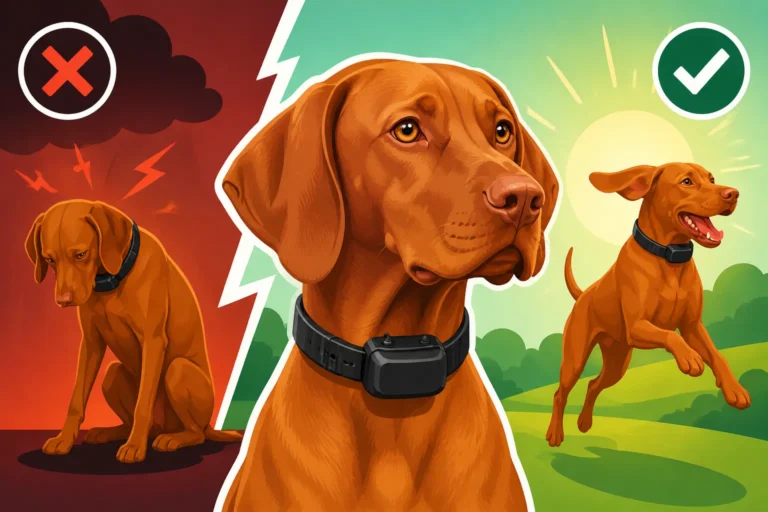
Hydration is also vital, especially on long tracks or in warm weather. Always carry plenty of water for yourself and your Vizsla. A collapsible bowl makes it easy to offer water on the go. Finally, consider a GPS collar. Vizslas can cover ground quickly, and if they do go off-trail or get disoriented, a GPS collar can be a lifesaver, allowing you to locate them precisely. This is particularly important for a dog that might range wide while tracking. For more on this essential safety item, refer to Whether a Vizsla Should Wear a GPS Collar. Being prepared ensures both you and your Vizsla can track safely and effectively.
Here's a quick overview of tracking training stages:
| Training Stage | Objective | Key Activities | Recommended Gear | Duration (Approx.) |
|---|---|---|---|---|
| Intro to Scent | Build confidence, associate scent with reward | Hide favorite toys/treats; short, straight scent drag with toy | Treats, favorite toy | 2-4 weeks |
| Basic Blood Trailing | Follow distinct blood scent to an article | Fresh, short blood trails; visible "find" (wing/fur) | Tracking harness, 15-ft line, blood kit | 1-2 months |
| Intermediate Tracking | Increase difficulty, ignore mild distractions | Longer, aged trails; more turns; varied terrain/cover; mild distractions | Tracking harness, 30-ft line, blood kit | 2-4 months |
| Advanced Recovery | Real-world simulation, problem-solving | Trails over water/hard ground; variable weather; complex scenarios; no visible find | Tracking harness, 30-ft line, GPS, first-aid kit | Ongoing, seasonal practice |
Vizslas truly have the heart and the nose for tracking wounded game. With their inherent abilities and a commitment to patient, consistent training, your Vizsla can develop into a highly effective and invaluable partner for game recovery. Not only does this enhance your hunting experience and ensure humane outcomes, but it also deeply enriches the incredible bond you share with your versatile copper dog.
Disclaimer
This article is for general informational purposes only and does not constitute professional advice. Laws, prices and regulations vary by location and change over time. Consult a qualified professional for guidance on your specific situation.