Whether a Vizsla Breeder Should Show a CHIC Number
Vizsla health screening verification through a CHIC number helps puppy buyers confirm responsible breeding practices and OFA test results.

Vizsla health screening verification through a CHIC number helps puppy buyers confirm responsible breeding practices and OFA test results.

Vizsla parent health screening prevents hereditary conditions like hip dysplasia, ensuring puppies get the healthiest start possible.
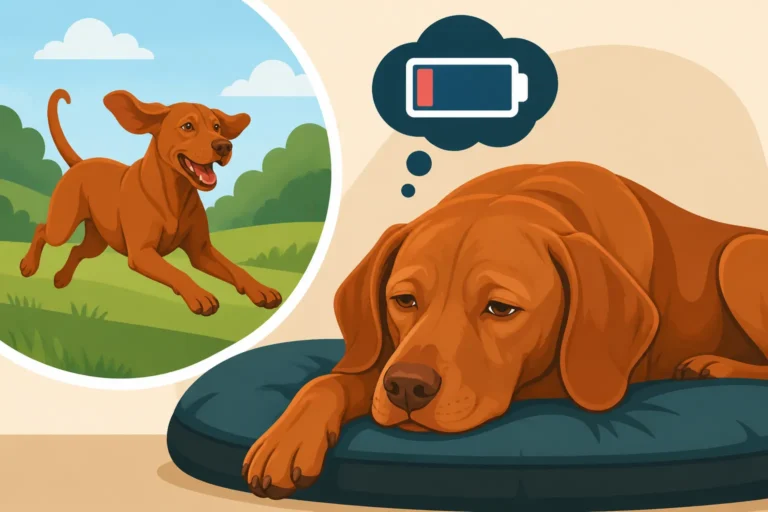
Recognizing subtle physical decline and mobility loss helps senior Vizsla owners identify pain, arthritis, and quality of life changes.

Old Vizslas experience increased cold sensitivity due to thin single coats and low body fat, explaining senior dog winter needs.
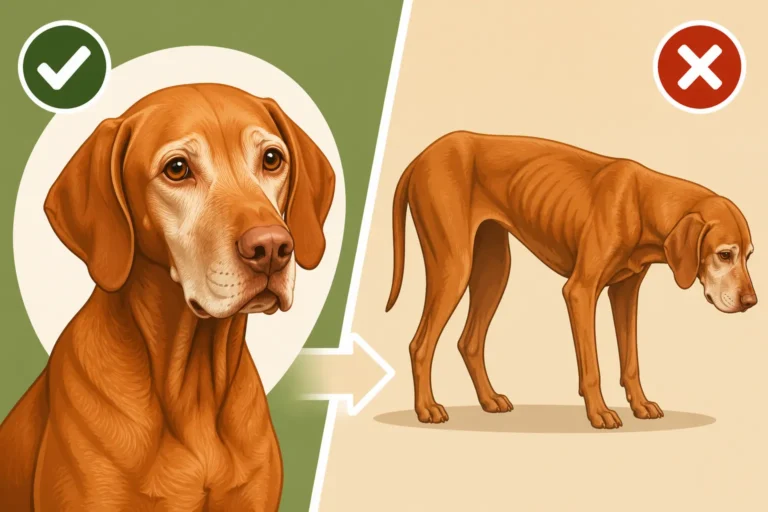
Senior Vizsla muscle loss and sarcopenia explained, including signs of aging, underlying health conditions, and support methods.
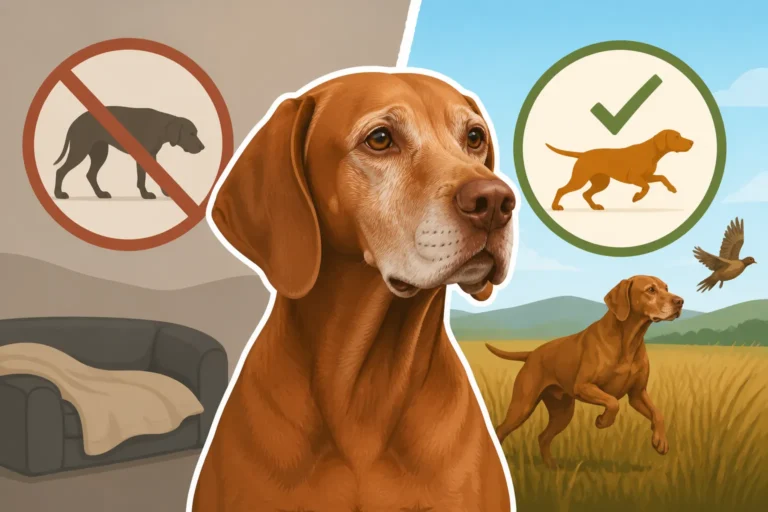
Assessing an aging Vizsla at seven or eight years helps owners determine if senior dogs can still hunt safely and comfortably.

Aging Vizslas experience decreased stamina, physical stiffness, graying coats, sensory changes, weight fluctuations, and muscle loss.

Optimal Vizsla weight and lifespan explain how a lean athletic build reduces joint strain and protects long-term health.
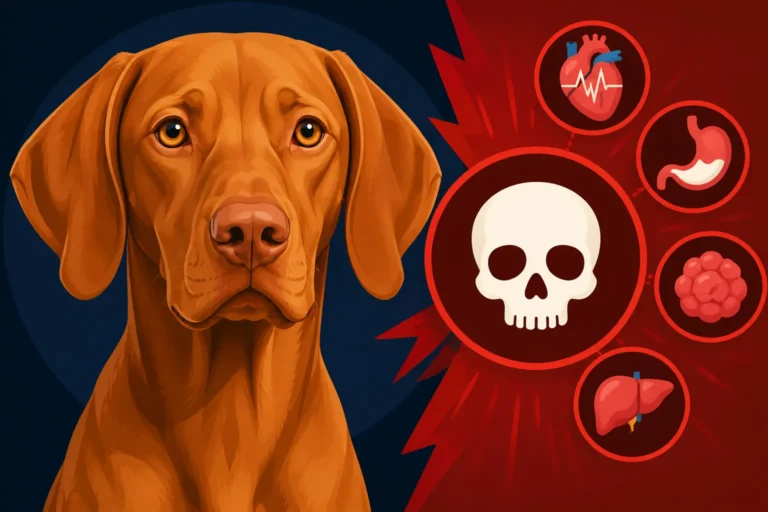
Primary causes of death in Vizslas, including their twelve to fourteen years lifespan and genetic immune system risks.

The average lifespan of a Vizsla spans 10 to 14 years, shaped by daily exercise, proper diet, genetics, and veterinary care.