Whether a Vizsla Sits in Your Lap at Sixty Pounds
It’s a common scenario: you’re curled up on the sofa, minding your own business, and then it happens. A sleek, muscular, 60-pound (or more!) Vizsla attempts to contort itself into a position usually reserved for a Chihuahua, all in the name of closeness. Many Vizsla owners chuckle, others sigh with resignation, but almost all wonder, "Is this just my dog, or do all Vizslas think they're lap dogs, even when they're built like small deer?" This guide will dive deep into why your robust Vizsla still insists on being a lap ornament, what makes this breed so uniquely affectionate, and how you can navigate the delightful, if sometimes weighty, reality of living with a full-grown Vizsla who believes personal space is a myth.
The Inevitable Truth: Your Vizsla Will Always Be a Lap Dog, Regardless of Size
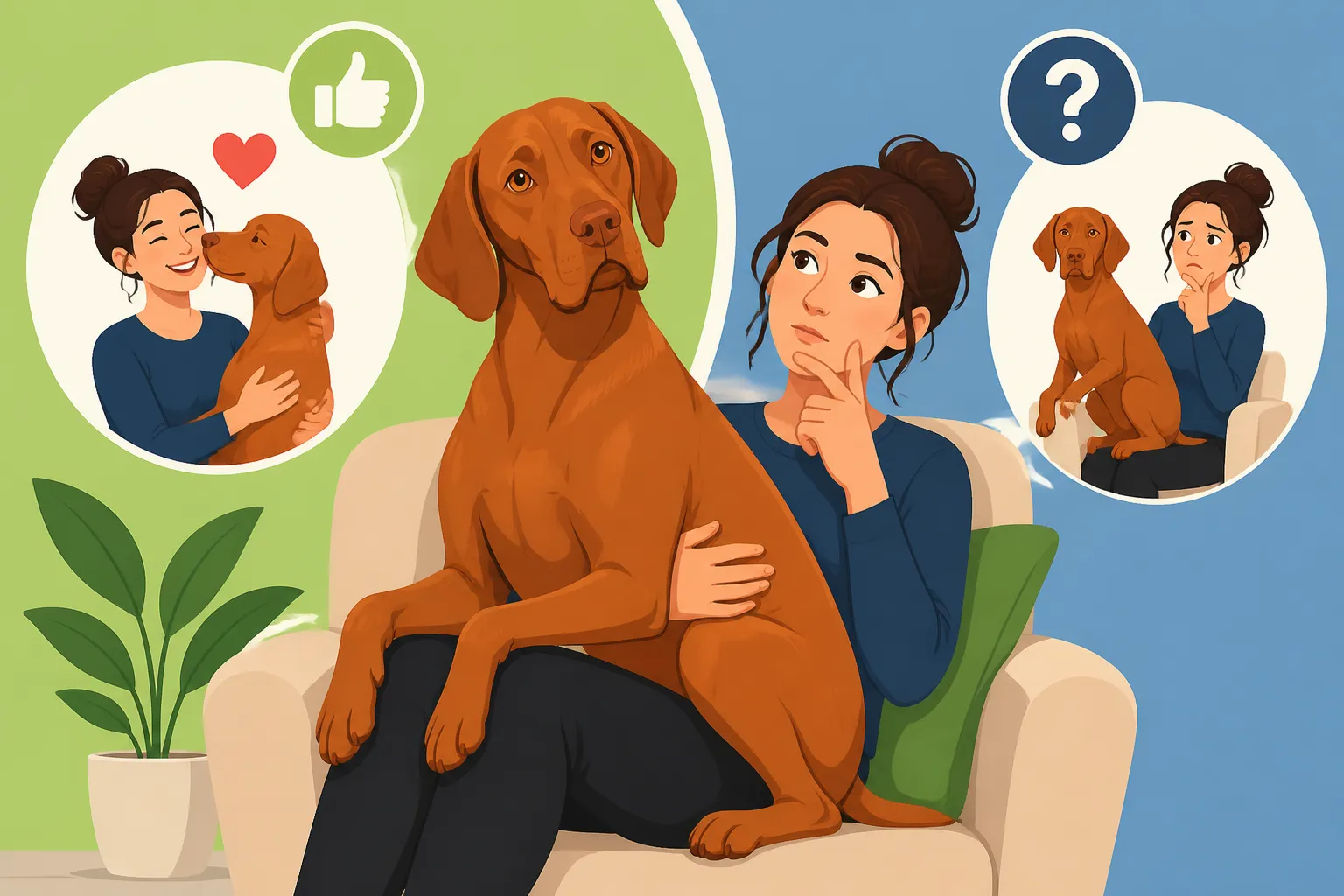
Let's cut right to it: yes, your 60-pound Vizsla will absolutely sit in your lap if given the chance. And probably even if not given the chance. This isn't just a cute quirk; it's deeply ingrained in the breed's very nature. Vizslas were bred to be close companions to their human hunters, working alongside them in the field and then settling by their side (or on top of them) in the evenings. This profound need for physical contact is one of the most defining characteristics of the breed, often endearing them to their families while simultaneously challenging the structural integrity of your furniture.
Defining the "Velcro" Trait in Vizslas
The term "Velcro Vizsla" is not just a catchy phrase; it's an accurate descriptor of this breed's intense attachment to its people. Unlike some breeds that are content to be in the same room, a Vizsla often desires to be touching you. This isn't just about affection; it's about security, comfort, and an almost primal bond. From the moment they are puppies, Vizslas seek out warmth and contact, whether it's snuggling with their littermates or burrowing into your arms. This behavior matures with them, but the core need for proximity rarely diminishes.
Imagine you're trying to work at your desk. Many dogs would lie at your feet. A Vizsla will likely try to lie on your feet, or lean heavily against your chair, or perhaps even try to wedge their head under your arm. If you move to the sofa, they will follow. If there’s an inch of space next to you, they will fill it. If there isn't, they'll make some. This isn't about being disobedient; it's about their fundamental operating system. They thrive on that connection. You can read more about this pervasive trait in our article, Why They Call It a Velcro Vizsla. This constant desire for contact is what drives their "lap dog" behavior, regardless of their impressive adult stature.
The Instinctive Need for Closeness
The Vizsla's history as a versatile hunting dog meant they weren't just tools in the field; they were valued family members who shared living spaces closely with their human companions. This close proximity ensured they were always attuned to their handler's cues, fostering an incredible partnership. This historical context bred a dog that truly sees its human as its pack, its source of comfort, and its entire world. For a Vizsla, being physically close isn't merely pleasant; it's a fundamental part of their well-being.
Consider how a wolf pack operates: animals are often piled together for warmth, comfort, and safety. Your Vizsla, even though domesticated for centuries, still carries some of those deep-seated instincts. Your lap, your legs, your chest—these are their safe havens. It's not uncommon for a Vizsla to follow you from room to room, even to the bathroom, just to maintain that physical connection. Our article, Whether a Vizsla Follows You Into the Shower, delves deeper into these almost comical lengths they go to for proximity. This deep, inherent need for closeness means that "personal space" is a human construct that simply doesn't compute for your copper-coated companion.
How Affection Manifests in a Grown Vizsla
As Vizslas mature and grow into their full, athletic bodies, their expressions of affection don't necessarily become more restrained. In fact, they often become more pronounced and, yes, heavier. A fully grown male Vizsla can easily weigh 55-65 pounds, and a female around 45-55 pounds, sometimes even more. When this amount of solid muscle and bone decides your lap is its rightful throne, you'll feel it.
Beyond just planting themselves on you, their affection manifests in various ways: the insistent lean, the head nudged under your hand for pets, the quiet sigh as they press their entire body against yours on the couch. They are also masters of the "sploot" or "frog dog" position, often stretching out with back legs splayed behind them, ensuring maximum contact area on your person or furniture. Many Vizsla owners report their dogs will actually climb onto their back or chest if they're lying down, just to be closer. It’s an overwhelming, full-body declaration of love that, while sometimes cumbersome, is undeniably charming. It’s a testament to their unwavering loyalty and the depth of their bond with you.
Embracing or Managing: Living with a Sixty-Pound Cuddle Bug
Living with a Vizsla means accepting a certain level of physical intimacy. For many, it's one of the breed's most beloved characteristics. For others, particularly those who prefer a bit more personal space or have specific health needs, it might require some thoughtful management. The key is to understand that you're not going to "train out" the Velcro trait entirely, but you can certainly guide and channel it.
The Joys and Challenges of a Big Lap Dog
Let's be honest, there's an undeniable joy in having a big dog who loves you so much they want to be practically glued to you. On a cold winter evening, there's nothing quite like a 60-pound Vizsla acting as a living hot water bottle. Their presence is a constant source of comfort and reminds you that you are deeply loved. They are incredibly tactile dogs, and a Vizsla who wants to snuggle is often a happy, content Vizsla.
However, there are practical challenges. A large dog on your lap can be genuinely uncomfortable, especially if you're trying to read, work, or simply enjoy a cup of coffee. Their sharp claws can catch on clothing, and their sheer weight can be an issue for someone with back problems or a pregnant belly. For guests, it can be overwhelming, as they often apply the same "all-in" approach to anyone who sits on their sofa. Imagine trying to explain to Aunt Mildred why this large, pointy dog is trying to burrow under her armpit. These are the daily realities that make the "lap dog" question so pertinent for potential and current Vizsla owners alike.
Gentle Guidance for Setting Boundaries
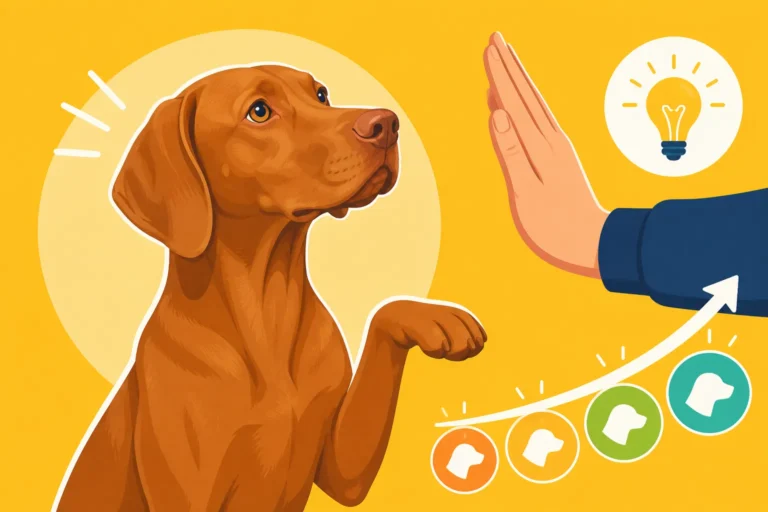
While you can't erase the Vizsla's desire for closeness, you absolutely can teach them where and when that closeness is appropriate. This is not about pushing them away, but about teaching them manners and giving them alternative ways to feel connected without being physically on you every second. Remember, Vizslas are incredibly sensitive dogs, and harsh corrections can easily shut them down. Our piece, The Soft Vizsla That Shuts Down When You Raise Your Voice, emphasizes the importance of gentle, positive reinforcement.
One effective strategy is to teach a "place" command or to direct them to a specific, comfortable dog bed next to you. Reward them heavily with praise and treats when they settle in their designated spot, especially if they are still touching you with a paw or their head. Over time, they'll learn that being near you is just as rewarding as being on you. Consistency is key. Every time they try to invade your lap when you don't want them to, gently redirect them to their spot. You might consider training programs, like those offered by BAXTER & Bella, which emphasize positive reinforcement and building a strong, cooperative relationship, making it easier to implement these boundaries. For a Vizsla, understanding why you're asking for something (even if it's just "don't sit on my head") is crucial.
Strategies for Channeling That Affection
If your Vizsla is determined to be physically close, but you need your lap back, consider channeling their affection into other acceptable forms of contact. For instance, encourage them to lie with their head on your foot, or to lean against your leg while you're on the sofa. This still provides them with that vital physical connection without the full weight of a 60-pound dog on your abdomen.
Investing in a large, comfortable dog bed that can be placed directly next to your armchair or sofa is another excellent strategy. Many Vizslas love to curl up in a donut bed or a bed with bolsters, which gives them a sense of being enveloped and secure. You can find many highly-rated options on Amazon that offer both comfort and durability. The trick is to make their bed the most appealing spot when they can't be on your lap. Offer them special toys or long-lasting chews only when they are in their bed, associating it with positive experiences. This helps them understand that while your lap isn't always available, there are other wonderful, comfortable places to be close to you.
| Affectionate Behavior | Human Experience | Management Strategy |
|---|---|---|
| Full lap sit (60 lbs) | Crushing, warm | "Place" command to adjacent bed, reward proximity |
| Leaning heavily | Stability challenge | Encourage leaning against legs, not full body |
| Head in lap/chest | Sweet, but heavy | Allow head in lap if comfortable, redirect body |
| Following everywhere | Tripping hazard | Practice "stay" in designated dog zone, use gates |
| Snuggling under covers | Cozy, but hot | Designated blanket on their bed, reinforce warmth there |
Maintaining Connection Without Constant Contact
While the "Velcro Vizsla" trait is charming, fostering a degree of independence is healthy for your dog and can alleviate some of the intensity of their constant need for physical contact. This doesn't mean pushing them away emotionally, but rather diversifying how you connect and providing them with confidence in their own space.
Building Confidence in Independent Spaces
A Vizsla who is too reliant on constant physical contact might struggle when left alone or when you simply need to move freely around your home. Helping them build confidence in independent spaces is crucial. This means making their crate or their special bed a really positive place. Whether Crate Training Helps a Vizsla is a great resource that highlights how a crate, when introduced positively, can become a safe, den-like space where your Vizsla feels secure and happy, even without direct human contact.
Practice short periods where they are happily engaged in their own space while you are still nearby. Give them a special chew toy or a food puzzle that only comes out when they're in their bed or crate. Gradually increase the duration. This teaches them that alone time, even if it's just in another room, can be a good thing, and that you will always return. It’s about building a secure attachment, not creating distance. When they understand you’re coming back, they’ll be more comfortable letting you step away without needing to be physically attached.
Quality Interaction That Doesn't Involve Sitting On You
Vizslas are intelligent, high-energy dogs, and their need for connection extends far beyond just physical touch. Engaging their minds and bodies is a fantastic way to bond and fulfill their breed needs without becoming a human beanbag chair. Think about The Exercise a Vizsla Needs Every Day—this is not just about physical health, but mental and emotional well-being too. A well-exercised Vizsla is a much calmer and more contented companion indoors.
Activities like long hikes, running, swimming, or mentally stimulating games like scent work and agility can provide immense satisfaction. Training sessions, even short ones, are also incredibly valuable bonding opportunities. Vizslas thrive on having a "job" to do and enjoy learning new things. Use positive reinforcement, plenty of praise, and high-value treats to make training fun and engaging. A good training regimen, perhaps even an online course like those from BAXTER & Bella, can enhance your communication and build a strong relationship based on mutual understanding and respect, rather than just physical proximity. These activities fulfill their need for attention and interaction, so they might not feel the need to constantly be on you when indoors.
Ensuring Your Vizsla's Emotional Well-being
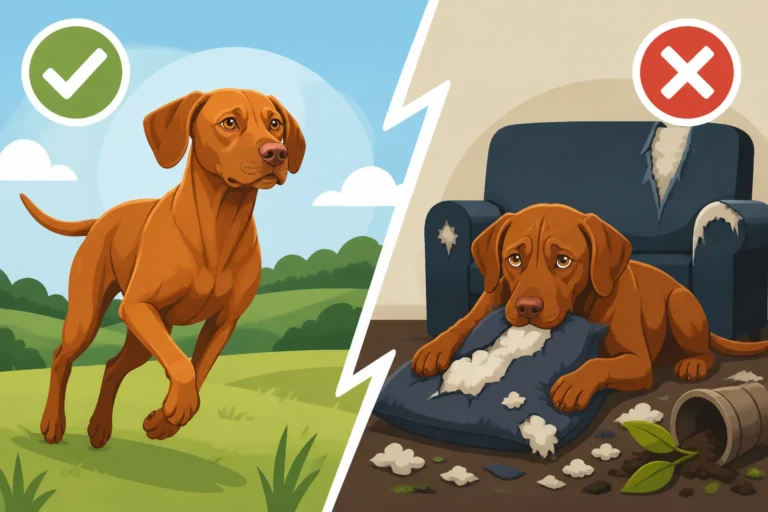
Ultimately, the goal isn't to make your Vizsla less affectionate or less "Velcro." It's about ensuring their emotional well-being and finding a balance that works for both of you. A Vizsla’s intense need for companionship means they truly don't do well left alone for extended periods. If you work long hours, exploring options like dog walkers, doggy daycare, or even a second dog (if carefully considered) might be necessary to prevent loneliness and potential destructive behaviors stemming from anxiety. Our article How Many Hours a Vizsla Can Be Left Alone offers more insights into managing their time without you.
Regular routines, predictable interactions, and consistent, loving guidance will help your Vizsla feel secure and understood. When you do sit down, and they choose to be next to you rather than on you, offer praise and affection. Acknowledge their presence and reinforce the desired behavior. Your Vizsla wants to be part of your life, and finding constructive, comfortable ways to integrate them fully, even when you can't be a human chair, will lead to a happier, healthier, and more harmonious household for everyone. Embrace the love, manage the weight, and enjoy the unique bond with your magnificent, lap-loving Vizsla.
Disclaimer
This article is for general informational purposes only and does not constitute professional advice. Laws, prices and regulations vary by location and change over time. Consult a qualified professional for guidance on your specific situation.