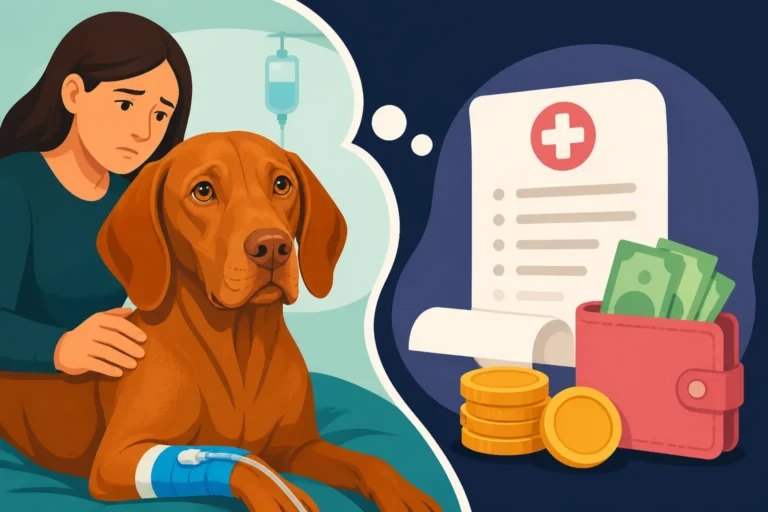
What a Vizsla’s Yearly Checkup Costs
As a Vizsla owner, you know these energetic, affectionate dogs steal your heart from day one. But keeping that heart (and the rest of them!) healthy and happy comes with its own set of realities, not least of which is the financial commitment. It's easy to focus on the fun stuff, but the annual vet visit is a non-negotiable part of responsible ownership, and understanding what goes into that bill can feel like a guessing game. This guide is here to demystify the components of a typical yearly checkup for your Vizsla, helping you understand the costs involved and how to plan for them.
Understanding the Baseline Annual Vet Visit
Every Vizsla, from a bouncy youngster to a wise old soul, needs a yearly trip to the veterinarian. It's more than just a quick glance; it's a comprehensive health assessment designed to catch potential issues early and keep preventative care on track. For a breed as active and predisposed to certain sensitivities as the Vizsla, these routine appointments are absolutely critical, even if your dog seems perfectly fine on the surface.
The Core Examination Components
During a standard yearly checkup, your veterinarian will perform a thorough head-to-tail physical examination. This typically starts with observing your Vizsla's demeanor, gait, and overall body condition. They’ll then move into a more detailed inspection: checking eyes for clarity or signs of discharge, examining ears for cleanliness or infection, and assessing teeth and gums for dental disease. It’s surprising how quickly plaque can build up, especially in dogs that don't get their teeth brushed regularly, and good oral hygiene is a cornerstone of overall health.
The vet will listen carefully to your Vizsla's heart and lungs using a stethoscope, checking for murmurs, irregular rhythms, or any signs of respiratory issues. Palpation, which involves gently feeling various parts of the body, is also a key part of the exam. They’ll feel your Vizsla’s abdomen for any abnormalities, check lymph nodes for swelling, and carefully assess joints and muscles for pain, stiffness, or early signs of conditions like arthritis – a very real concern for such an athletic breed. Because Vizslas have that thin, single coat, the vet will also pay close attention to their skin for any dryness, redness, or bumps. All these steps are crucial, particularly for an active breed like the Vizsla, where minor aches or subtle changes can easily be overlooked amidst their boundless energy. Early detection can save a lot of pain and expense down the road.
Essential Vaccinations and Parasite Prevention
Beyond the physical exam, a significant portion of the yearly checkup cost for your Vizsla comes from ensuring they are properly protected against common diseases and parasites. Core vaccinations, such as Rabies and the Distemper/Parvovirus combination, are usually given on a rotation, often every one to three years depending on local regulations and vaccine type. However, other non-core vaccines might be recommended annually based on your Vizsla's lifestyle and geographic location. For instance, if your Vizsla spends a lot of time outdoors, especially in marshy or wooded areas, your vet might recommend yearly Leptospirosis and Lyme disease vaccines. Similarly, if they frequent dog parks, kennels, or training classes, the Kennel Cough vaccine is often a smart preventative choice.
Alongside vaccinations, year-round parasite prevention is absolutely non-negotiable for a Vizsla. This includes heartworm prevention, which is typically given monthly, and broad-spectrum flea and tick control. These medications represent a regular, ongoing cost that many owners factor into their monthly budget rather than just the annual vet bill, but ensuring they are current and discussing the best options with your vet is part of the yearly checkup. Skipping these preventative measures, while seemingly saving money in the short term, can lead to devastating and far more expensive treatments if your Vizsla contracts a serious parasitic disease. It's an investment in their continuous well-being.
Beyond the Basics: Additional Diagnostic Costs
While the core exam and preventative treatments form the foundation of a yearly checkup, there are often additional diagnostic tests that veterinarians recommend, especially as your Vizsla ages or if any concerns arise during their physical exam. These tests, while adding to the bill, provide invaluable insights into your dog's internal health.
Routine Bloodwork and Urinalysis
Many veterinarians will recommend routine bloodwork as part of an annual checkup, particularly once your Vizsla reaches middle age or becomes a senior. For younger dogs, a baseline panel can be incredibly useful to establish what's "normal" for your individual Vizsla, making it easier to spot deviations later in life. This usually includes a Complete Blood Count (CBC), which assesses red and white blood cells, and a chemistry panel, which evaluates organ function (like liver and kidneys), blood sugar, and electrolytes. These tests can uncover hidden issues, such as early kidney disease, diabetes, or even underlying infections, long before outward symptoms become apparent. This is particularly relevant given concerns like Why a Vizsla's Immune System Is the Breed's Weak Point.
A urinalysis, which involves analyzing a urine sample, is another common recommendation. This simple test can detect urinary tract infections, crystals, or other signs of kidney and bladder problems. For a breed that can be prone to various health challenges, having a comprehensive internal picture is crucial. These diagnostic steps might seem like an added expense when your Vizsla seems perfectly healthy, but they are a proactive measure that can lead to earlier, more effective, and often less costly interventions down the line. Catching something like Thyroid Failure in a Vizsla early, for instance, can make a world of difference in managing the condition.
Specific Vizsla-Related Screenings
Beyond general bloodwork, your vet might suggest specific screenings that are particularly relevant to the Vizsla breed. Given their athletic build and active nature, joint health is a common area of concern. While formal hip and elbow scoring (like OFA or PennHIP evaluations) are usually done earlier in life or for breeding dogs, your vet will still carefully palpate your Vizsla's joints during the annual exam. If any stiffness or pain is noted, they might recommend X-rays to assess for conditions such as Hip Dysplasia in a Vizsla or elbow dysplasia, even if your dog isn't showing obvious lameness yet.
Another area that sometimes warrants specific attention for Vizslas is eye health. Some breed lines can be predisposed to certain ocular conditions. Your vet might perform a basic eye exam and, if they notice anything unusual or if your Vizsla is from a line with known issues, they might suggest a referral to a veterinary ophthalmologist for a more in-depth examination for conditions like Eye Disease in a Vizsla. These additional screenings aren't always routine for every dog, but they can be important conversations to have with your veterinarian, especially as your Vizsla gets older or if you have a detailed health history from your breeder. Discussing Whether a Vizsla's Thyroid Should Be Tested Yearly is also a good idea.
| Component | Purpose | Frequency | Cost Impact (Relative) |
|---|---|---|---|
| Physical Exam | Overall health assessment, early issue detection | Annually | Low to Moderate |
| Core Vaccinations | Protection against common diseases (e.g., Rabies, Distemper) | Annually/Triennially | Moderate |
| Non-Core Vaccinations | Lifestyle-dependent protection (e.g., Lepto, Lyme, Kennel Cough) | Annually | Moderate |
| Parasite Prevention | Heartworm, flea, tick control | Monthly (discussed annually) | Ongoing/Moderate |
| Routine Bloodwork | Baseline health, organ function, disease screening | Annually (especially seniors) | Moderate to High |
| Urinalysis | Kidney/bladder health, infection detection | Annually (especially seniors) | Low to Moderate |
| Breed-Specific Screenings | Targeting Vizsla predispositions (e.g., joint X-rays, eye exams) | As needed/Recommended | High (if performed) |
Factors Influencing the Final Bill
The "cost" of a Vizsla's yearly checkup isn't a single, fixed number. It's a dynamic figure that can fluctuate based on several variables, from where you live to your dog's individual needs. Understanding these factors can help you anticipate and budget more effectively.
Geographic Location and Clinic Type
One of the biggest drivers of veterinary costs is simply where you live. Veterinary clinics in bustling urban centers, for example, typically have higher overheads for rent, staff salaries, and equipment, which translates to higher prices for services. A routine checkup in a large metropolitan area might easily be more expensive than the exact same services offered in a smaller, rural town. It’s not just city versus country, though. Even within the same region, prices can vary between different types of clinics. A large, state-of-the-art veterinary hospital with specialists and advanced diagnostic equipment might charge more for a basic visit than a smaller, independent neighborhood practice.
It's also worth noting that emergency veterinary care, while not directly part of a routine yearly checkup, comes with a significantly higher price tag due to after-hours staffing and specialized facilities. This is why preventative care, caught during a standard checkup, is so valuable – it can help you avoid those urgent, costly trips. Building a long-term relationship with a trusted local vet who understands your Vizsla's history and individual quirks is not only beneficial for your dog's health but can also help you navigate costs with someone who knows your situation.
Your Vizsla's Age and Health Profile
The age of your Vizsla plays a huge role in the cost of their annual checkup. A young adult Vizsla, in the prime of their health and activity, might only need the most basic physical exam and core vaccines. But as your Vizsla enters their senior years, perhaps around The Age a Vizsla Counts as Senior, the recommendations for diagnostics tend to increase. Older dogs often benefit from more frequent bloodwork and urinalysis to monitor organ function, identify early signs of age-related diseases like arthritis, kidney issues, or even cancer (The Cancers That Take a Vizsla Early). These additional tests, while essential for maintaining quality of life, will naturally increase the total cost of the annual visit.
Beyond age, your Vizsla's individual health profile and any pre-existing conditions will also affect the bill. If your Vizsla is on long-term medication for an issue like Managing a Vizsla's Skin for Life or Managing a Vizsla That Seizures, their annual visit might include check-ins on those conditions, potentially requiring specific blood tests to monitor medication levels or organ function. Even a healthy, active Vizsla can have a predisposition to injuries, and if they've had a recurring issue, that might warrant extra attention during the exam. Budgeting for potential issues is always a smart move with a high-energy breed like a Vizsla, as they often push their limits.
Pet Insurance and Wellness Plans
Many Vizsla owners consider pet insurance as a way to manage unexpected veterinary costs, and it can be a lifesaver for major accidents or illnesses, especially given the breed's propensity for certain conditions. However, it's important to understand how pet insurance typically works in relation to routine checkups. Most standard pet insurance policies are designed to cover unforeseen medical events – think accidents, emergency surgeries (What a Vizsla's Emergency Field Injury Costs), or new illnesses. They usually do not cover routine preventative care like annual exams, vaccinations, or parasite prevention.
That's where wellness plans come in. Some veterinary clinics, or even third-party providers, offer separate wellness plans that do bundle common preventative services for a monthly fee. These plans often include annual exams, certain vaccinations, basic bloodwork, and sometimes even dental cleanings. For a predictable, monthly cost, you can ensure your Vizsla receives regular preventative care. It’s worth comparing the total annual cost of a wellness plan against paying for each service individually to see if it makes financial sense for your Vizsla. Companies like Healthy Paws offer various insurance options, but always read the fine print to understand what's covered.
Budgeting and Saving on Vizsla Vet Costs
Owning a Vizsla is a significant financial commitment, but there are smart ways to manage and even reduce some of the associated veterinary costs, especially when it comes to routine care. A proactive approach and careful planning can make a big difference without compromising your Vizsla's health.
Smart Shopping for Preventatives and Food
One area where many Vizsla owners find opportunities for savings is in purchasing medications and specialized food. While your veterinarian is your primary source for diagnoses and prescriptions, you're not always obligated to buy those items directly from their clinic. Often, you can obtain a prescription from your vet and then purchase heartworm medication, flea/tick preventatives, or prescription diets from online pharmacies or major pet supply retailers. For instance, Chewy is known for offering competitive prices on a wide range of pet medications and foods, often with convenient home delivery. Services like Ollie, which provides fresh, customized dog food, can also offer cost-effective and nutritionally balanced options that support overall health, potentially reducing future vet visits.
It's crucial, however, to ensure that any online pharmacy you use is reputable and requires a valid veterinary prescription for medications. Never purchase medications from unverified sources. By comparing prices and taking advantage of sales or subscription discounts, you can often save a considerable amount on these ongoing necessities, without compromising the quality or efficacy of your Vizsla's preventative health regimen. Remember, quality nutrition, like finding the right balance for Feeding a Vizsla That Burns Everything It Eats, is a preventative measure in itself.
Preventative Care at Home
Many aspects of preventative care can be managed by you, the owner, at home, which not only saves money but also strengthens the bond with your Vizsla. Regular grooming is a prime example. Vizslas don't require professional grooming, but consistent brushing (How Often a Vizsla Needs Brushing) helps keep their skin and coat healthy, allows you to check for lumps, bumps, or parasites, and can reduce shedding. Similarly, trimming your Vizsla's nails (How Often a Vizsla's Nails Need Cutting) yourself, or having a vet tech show you how, is far cheaper than regular professional trims.
Dental care is another significant area. While yearly professional dental cleanings under anesthesia are essential for some dogs, daily toothbrushing at home (Whether a Vizsla Needs Its Teeth Brushed) can dramatically reduce plaque buildup and delay the need for expensive dental procedures. Keeping your Vizsla's ears clean and dry, especially after swimming or bathing (Keeping a Vizsla's Ears Clear After Water Work), can prevent costly ear infections. Beyond these practical tasks, ensuring your Vizsla gets consistent daily exercise and a high-quality diet are the ultimate preventative measures. A well-exercised, well-fed Vizsla is generally a healthier Vizsla, and regular at-home checks mean you're more likely to spot a problem early, before it becomes an emergency.
When to Seek Veterinary Care Promptly
While we want to save money, it's vital to know when not to delay veterinary care. Vizslas are stoic and can hide pain and discomfort remarkably well, especially when they're still in "go mode." Learning to recognize subtle changes in their behavior, appetite, or energy levels is crucial. If you notice persistent lameness, unusual lethargy, changes in thirst or urination, or any sudden swelling, it’s always best to contact your vet. For instance, knowing the signs of bloat (Whether a Vizsla Bloats) in a deep-chested breed like a Vizsla is literally life-saving, and prompt action can prevent a much more expensive and complex emergency surgery.
Waiting until a condition becomes severe not only means your Vizsla might suffer unnecessarily, but it almost invariably leads to more complex, invasive, and thus more expensive treatments. A small infection, if left untreated, can become a systemic one. A minor limp can become a chronic joint issue requiring extensive diagnostics and physical therapy. While the initial phone call or office visit might feel like an expense, it's often an investment that saves you from a much larger bill (and heartache) down the road. Trust your gut as a Vizsla owner; if something feels off, err on the side of caution and consult your veterinarian.
Disclaimer
This article is for general informational purposes only and does not constitute professional advice. Laws, prices and regulations vary by location and change over time. Consult a qualified professional for guidance on your specific situation.